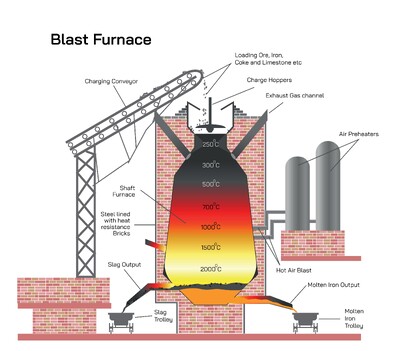
An electric arc furnace is a modern industrial furnace widely used for steelmaking by melting scrap metal or direct reduced iron using electrical energy. Unlike traditional blast furnaces that rely on combustion of coke and continuous raw material input, the electric arc furnace operates primarily on electricity and recycled steel. This fundamental difference has made the electric arc furnace a cornerstone of sustainable and flexible steel production in the modern world.
The basic working principle of an electric arc furnace is based on the generation of intense heat through electric arcs. The furnace consists of a refractory-lined vessel equipped with large graphite electrodes suspended from the top. When electrical power is supplied, these electrodes create powerful electric arcs between themselves and the metal charge inside the furnace. The temperature generated by these arcs is extremely high, sufficient to melt steel efficiently in a relatively short time.
The steelmaking process in an electric arc furnace begins with charging the furnace. Scrap steel, which may come from demolished buildings, discarded machinery, automobiles, or industrial waste, is loaded into the furnace shell. This scrap serves as the primary raw material. In some cases, other iron-bearing materials are added to achieve specific quality requirements. Once the charge is loaded, the furnace roof is closed and electrodes are lowered into position.
When electricity flows through the electrodes, intense arcs form, producing radiant heat that rapidly raises the temperature inside the furnace. As the scrap begins to melt, it collapses into a molten pool at the bottom of the furnace. The furnace operator carefully controls electrical input to regulate melting speed and temperature, ensuring efficient energy use and protecting the furnace lining.
As melting progresses, additional materials are introduced to refine the molten steel. Oxygen is often injected into the furnace to oxidize unwanted elements such as carbon, silicon, and phosphorus. This oxidation process helps remove impurities and improves the chemical quality of the steel. Flux materials are also added to form slag, which floats on top of the molten metal and captures non-metallic impurities.
Slag formation is a crucial step in electric arc furnace operation. The slag layer not only absorbs impurities but also protects the molten steel from atmospheric contamination and heat loss. Proper slag control ensures cleaner steel and enhances metallurgical quality. Operators continuously monitor slag composition and adjust additions to maintain optimal refining conditions.
Once the desired chemical composition and temperature are achieved, the electric arc furnace is tilted to tap the molten steel into a ladle. This ladle transfers the steel to subsequent processing stages such as secondary metallurgy, where fine adjustments to composition and temperature are made before casting. The tapping process is carefully controlled to avoid slag contamination and ensure product consistency.
The electric arc furnace operates as a batch process, meaning each heat or cycle is completed before the next begins. This batch nature allows remarkable flexibility. Steelmakers can adjust production volumes, alloy compositions, and steel grades quickly, making the electric arc furnace ideal for responding to changing market demands. This flexibility contrasts with continuous processes that are less adaptable.
One of the most significant advantages of the electric arc furnace is its role in steel recycling. By using scrap metal as its primary feedstock, the furnace supports a circular economy where steel is reused repeatedly without loss of quality. Recycling steel through electric arc furnaces reduces the need for mining raw iron ore and lowers environmental impact.
Energy efficiency is another key aspect of electric arc furnace technology. Although electricity consumption is high, modern furnaces use advanced control systems to optimize power usage and reduce losses. Compared to traditional steelmaking routes, electric arc furnaces generally produce lower carbon emissions, especially when powered by cleaner energy sources. This makes them increasingly important in global efforts to reduce industrial carbon footprints.
The industrial importance of the electric arc furnace extends across multiple sectors. It is widely used in mini mills, which are smaller and more flexible steel plants focused on producing specific steel products. Electric arc furnaces also play a critical role in foundries and specialty steel production, where precise control over composition is essential.
In construction and infrastructure, steel produced by electric arc furnaces is used in beams, reinforcement bars, and structural components. In the automotive industry, EAF steel contributes to manufacturing frames, panels, and safety components. Manufacturing and machinery sectors rely on EAF steel for durability and performance. This wide applicability highlights the furnace’s economic significance.
Technological advancements have greatly improved electric arc furnace operation. Automation systems monitor temperature, arc stability, and chemical composition in real time, enhancing consistency and safety. Furnace tilting mechanisms, advanced refractory linings, and improved electrode technology have increased furnace lifespan and productivity.
Safety is a critical consideration in electric arc furnace operation. High temperatures, molten metal, and electrical energy require strict safety protocols. Modern plants implement protective systems, remote operation capabilities, and rigorous training to ensure safe working conditions. These measures reduce risk while maintaining high production standards.
From a global perspective, electric arc furnaces support the transition toward greener steelmaking. As countries emphasize sustainability and resource efficiency, EAF technology offers a viable path to lower emissions and reduced reliance on fossil fuels. When combined with renewable electricity, electric arc furnaces represent one of the most environmentally responsible methods of steel production.
Economically, electric arc furnaces lower capital investment requirements compared to traditional large-scale steel plants. This makes steel production accessible in regions without extensive raw material resources. The ability to locate EAF plants near scrap sources and consumption centers further improves logistics and cost efficiency.
Another important dimension of electric arc furnace technology is the electrical system that powers it. Electric arc furnaces operate using either alternating current or direct current, each configuration offering distinct operational characteristics. Alternating current furnaces traditionally use three graphite electrodes arranged in a triangular pattern, while direct current furnaces typically use a single electrode from the top and a conductive bottom electrode. Direct current designs can offer improved arc stability, reduced electrode consumption, and lower electrical losses, making them attractive for modern high-efficiency operations.
Electrode management is a critical operational aspect of electric arc furnaces. Graphite electrodes are gradually consumed during operation due to oxidation and sublimation under extreme temperatures. Maintaining optimal electrode length, alignment, and immersion depth directly influences arc efficiency, energy transfer, and melting consistency. Advanced electrode regulation systems continuously adjust electrode position to maintain stable arcs, reducing power fluctuations and improving overall furnace performance.
The refractory lining of an electric arc furnace is another key factor influencing productivity and operating cost. The furnace interior is lined with specialized refractory materials designed to withstand extreme temperatures, chemical attack from slag, and mechanical wear. The selection of refractory composition depends on the type of steel being produced, slag chemistry, and furnace operating practices. Proper refractory maintenance extends furnace campaign life and reduces downtime associated with relining.
Scrap quality management plays a major role in electric arc furnace efficiency. Scrap steel can vary significantly in composition, density, and contamination levels. Poor-quality scrap may contain non-metallic materials, residual coatings, or unwanted alloying elements that complicate refining. Steelmakers carefully sort and prepare scrap to ensure consistent melting behavior and chemical control. Advanced scrap preheating systems are also used to remove moisture and improve energy efficiency.
Noise and electromagnetic emissions are notable operational considerations in electric arc furnace plants. The intense electrical arcs generate significant noise and electromagnetic interference. Modern facilities incorporate acoustic enclosures, sound-dampening structures, and shielding systems to minimize environmental impact and ensure compliance with occupational safety regulations. These measures improve working conditions and reduce the impact on surrounding communities.
The integration of digital technologies has transformed electric arc furnace operations. Artificial intelligence and machine learning algorithms are increasingly used to optimize melting profiles, predict refractory wear, and adjust energy input dynamically. These systems analyze large volumes of operational data in real time, enabling predictive maintenance and reducing unplanned shutdowns. Digitalization enhances consistency while lowering operational costs.
Electric arc furnaces also play an important role in alloy steel production. Unlike some traditional processes, EAF technology allows precise control over alloy additions, making it suitable for producing stainless steel, tool steel, and high-strength specialty grades. The ability to fine-tune composition at various stages of the process gives manufacturers flexibility to meet stringent customer specifications.
Environmental control systems are essential components of modern electric arc furnace plants. During operation, fumes and dust containing metal oxides and particulates are generated. Advanced gas collection systems capture these emissions and direct them to filtration units such as baghouses or electrostatic precipitators. Captured dust can often be recycled to recover valuable metals, further supporting resource efficiency.
Water management is another operational consideration. Electric arc furnaces require water for cooling electrodes, furnace panels, and auxiliary equipment. Closed-loop water systems are commonly used to minimize consumption and prevent contamination. Proper water treatment and monitoring ensure reliable cooling performance while reducing environmental impact.
The role of electric arc furnaces in energy grid interaction is becoming increasingly relevant. EAF operations demand large amounts of electrical power in short intervals, which can affect grid stability. Steel plants work closely with power providers to manage load fluctuations, often using energy storage systems or flexible operating schedules. In some regions, EAF plants participate in demand-response programs, adjusting production to support grid balance.
Electric arc furnaces also support decentralized steel production models. Smaller EAF-based plants can be established closer to scrap sources and end users, reducing transportation costs and emissions. This decentralization contrasts with traditional centralized steelmaking and supports regional economic development by creating local jobs and supply chains.
Training and workforce expertise are crucial for successful electric arc furnace operation. Operators must understand electrical systems, metallurgy, safety protocols, and process control. Continuous training programs ensure that personnel can respond effectively to operational challenges and adopt new technologies as they are introduced. Skilled operation directly impacts productivity, safety, and product quality.
The flexibility of electric arc furnaces extends to production scheduling. Unlike continuous processes, EAF plants can be shut down or restarted with relatively short notice. This allows producers to adapt to market fluctuations, maintenance needs, or energy availability. Such flexibility is particularly valuable in volatile economic conditions.
Electric arc furnaces also contribute to innovation in steel product development. Their precise control capabilities enable experimentation with new alloy compositions and processing routes. This fosters the development of advanced steels with improved strength, corrosion resistance, or formability, supporting innovation in automotive, construction, and manufacturing industries.
From a strategic perspective, electric arc furnace technology enhances resource security. By relying on recycled steel rather than mined ore, countries with limited natural resources can maintain domestic steel production. This reduces dependence on imported raw materials and strengthens industrial resilience.
As global sustainability goals become more ambitious, electric arc furnaces are expected to play an even greater role in steelmaking. Ongoing research focuses on further reducing energy consumption, integrating renewable electricity, and improving process efficiency. These advancements position the electric arc furnace as a central technology in the future of low-emission, circular steel production.
Electric arc furnace technology can also be examined through the lens of process thermodynamics and energy transfer. Unlike fuel-based furnaces where heat is transferred indirectly through combustion gases, the electric arc furnace delivers energy directly into the metal bath through electric arcs and radiant heat. This direct energy transfer results in very high thermal efficiency within the melting zone. The rapid temperature rise enables fast melting cycles and allows precise thermal control, which is particularly valuable when producing steels with narrow temperature tolerances.
Another important consideration is the role of furnace atmosphere control. During operation, the atmosphere inside an electric arc furnace can be adjusted to influence metallurgical reactions. Controlling oxygen potential helps regulate oxidation rates of alloying elements and minimizes unwanted reactions. By managing furnace atmosphere conditions, operators can reduce metal losses, improve yield, and enhance final steel cleanliness. This level of control is especially important for high-quality and specialty steel grades.
Electric arc furnaces also differ significantly in plant layout compared to traditional steelmaking facilities. Because they do not require coke ovens, sinter plants, or blast furnaces, EAF-based steel plants have a much smaller physical footprint. This compact layout reduces land requirements and infrastructure complexity. It also allows greater flexibility in plant expansion or modernization, making EAF facilities adaptable to evolving production needs.
The interaction between electric arc furnaces and secondary metallurgy is another defining feature. After tapping, molten steel is often transferred to ladle furnaces, vacuum degassing units, or refining stations. The quality of steel produced in an EAF depends heavily on how well these downstream processes are integrated. Efficient coordination between melting and refining stages ensures consistent composition, improved mechanical properties, and reduced defect rates in final products.
Electric arc furnace operations also generate valuable by-products. Slag produced during melting and refining can be processed and reused in construction applications such as road base material or cement production. Dust collected from gas cleaning systems contains recoverable metals that can be recycled back into the steelmaking process. These material recovery practices further enhance the sustainability profile of EAF technology.
The evolution of furnace shell design has significantly improved operational reliability. Modern shells incorporate water-cooled panels that protect structural components from extreme heat while maintaining thermal efficiency. These panels reduce refractory wear and allow higher power input without compromising furnace integrity. As a result, modern EAFs can operate at higher productivity levels with longer maintenance intervals.
Electrode consumption reduction remains a major focus of technological development. Improved graphite quality, optimized power input strategies, and better arc control have significantly reduced electrode wear over time. Lower electrode consumption not only reduces operating costs but also minimizes carbon-related emissions associated with electrode production and use.
Electric arc furnaces are also central to the production of green steel concepts. By combining EAF technology with low-carbon electricity and direct reduced iron produced using hydrogen, steelmakers aim to drastically reduce greenhouse gas emissions. This emerging production route positions the EAF as a key enabler of decarbonized steelmaking pathways.
From a metallurgical control standpoint, EAF steelmaking allows precise timing of alloy additions. Alloying elements can be introduced at specific stages to maximize recovery and uniform distribution. This flexibility reduces alloy consumption and ensures consistent mechanical performance in finished steel products, which is critical for high-performance applications.
Operational noise and vibration management have improved through modern engineering solutions. Advanced furnace designs include structural damping, optimized arc regulation, and improved electrode positioning systems. These measures reduce mechanical stress on equipment and improve working conditions for plant personnel.
Electric arc furnaces also influence workforce skill requirements. Operators must possess interdisciplinary knowledge spanning electrical engineering, metallurgy, automation, and safety management. This has driven the development of specialized training programs and digital operator interfaces that simplify complex decision-making while maintaining high operational standards.
The economic resilience of electric arc furnace steelmaking is another noteworthy aspect. EAF plants can adjust production rates quickly in response to market conditions, energy prices, or scrap availability. This operational agility helps producers manage risk and maintain competitiveness during economic fluctuations.
In regions with limited access to iron ore but abundant scrap, electric arc furnaces support industrial independence. Countries can maintain domestic steel production capacity without relying heavily on imported raw materials. This strategic advantage strengthens supply chain security and supports national industrial policy goals.
Electric arc furnaces also contribute to innovation in casting and rolling integration. Close coupling between EAFs and continuous casting systems reduces heat loss, improves energy efficiency, and shortens production cycles. This integrated approach enhances overall plant productivity and product consistency.
As regulatory frameworks increasingly emphasize environmental responsibility, EAF technology offers compliance advantages. Lower emissions, reduced waste generation, and high recyclability align well with evolving environmental standards. This regulatory compatibility makes EAF investment attractive for long-term industrial planning.
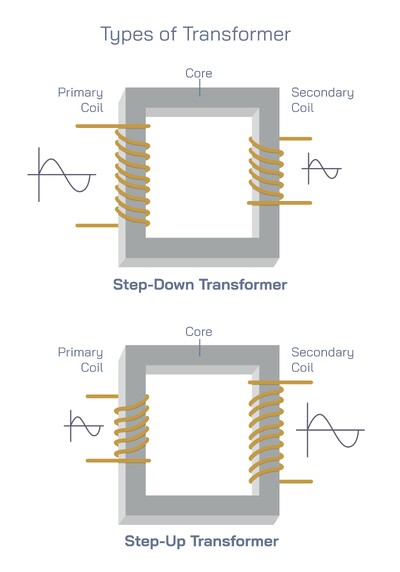
The future of electric arc furnace technology is closely tied to advancements in power electronics. Improved transformers, power control systems, and grid integration technologies enable more stable operation and higher efficiency. These innovations reduce electrical losses and enhance arc stability, further improving melting performance.
Ultimately, electric arc furnaces represent a convergence of electrical engineering, materials science, and sustainability principles. Their ability to adapt to new energy sources, evolving raw material streams, and advanced digital control systems ensures their continued relevance. As steel demand grows alongside environmental constraints, the electric arc furnace stands as a versatile and forward-looking solution that bridges industrial productivity with responsible resource use. The electric arc furnace represents more than a melting unit; it is a dynamic system that integrates metallurgy, electrical engineering, environmental control, and digital intelligence. Its adaptability, efficiency, and compatibility with recycling make it a defining element of modern industrial infrastructure. By continuing to evolve alongside energy and environmental priorities, electric arc furnace technology will remain a key driver of sustainable steelmaking in the decades ahead.
In conclusion, the electric arc furnace is a vital technology in modern steelmaking. It works by using electric arcs to melt scrap steel, refine molten metal, and produce high-quality steel through controlled batch processes. Its importance lies in flexibility, recycling capability, energy efficiency, and reduced environmental impact. As industries move toward sustainable practices and circular economies, the electric arc furnace continues to play a central role in shaping the future of steel production and industrial development worldwide.