Gravity is one of the most fundamental forces in nature and governs the motion of objects in everyday life as well as the movement of planets, stars, and galaxies. It is the natural force of attraction that pulls objects with mass toward one another. On Earth, gravity pulls everything toward the planet’s center, which is why objects fall downward when released and why we remain firmly on the ground instead of floating away.
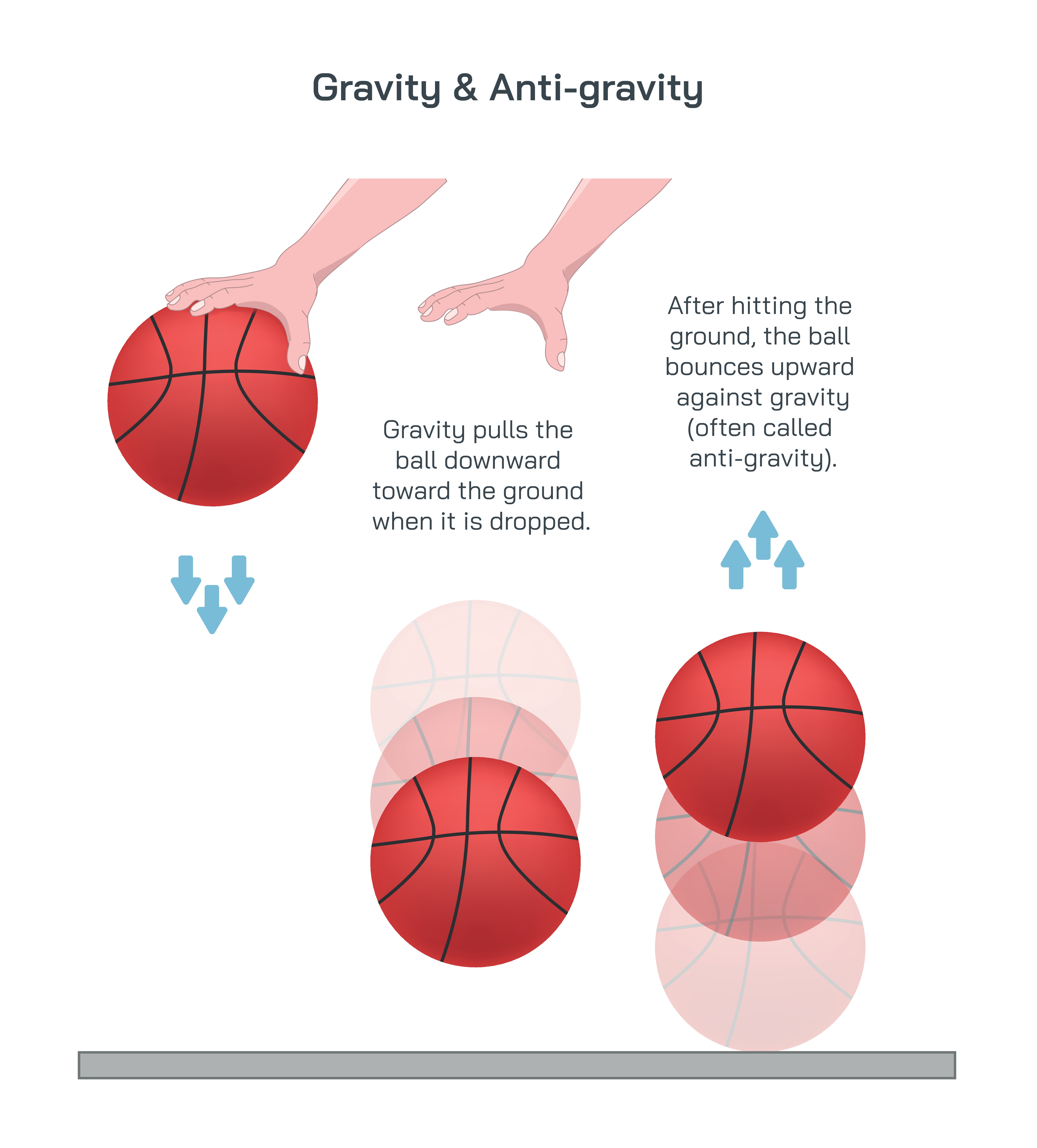
Earth’s gravity acts continuously on all objects, whether they are at rest or in motion. When an object such as a ball is held in your hand, gravity is already pulling it downward. The reason the ball does not fall is because your hand provides an upward support force that balances gravity. The moment you release the ball, this support force disappears, leaving gravity as the dominant influence. As a result, the ball begins to move downward toward the ground.
When a ball is dropped, gravity causes it to accelerate downward. This means its speed increases as it falls. At higher positions, the ball has stored energy because of its height above the ground. As it falls, this stored energy is gradually converted into motion energy, making the ball move faster and faster until it reaches the ground. This process happens naturally and consistently for all falling objects, regardless of their shape or size, although air resistance can slightly affect the motion.
As the ball strikes the ground, an important interaction takes place. The ground is solid and resists being compressed, while the ball itself is made of material that can deform slightly. At the moment of impact, the ball briefly changes shape as it presses against the ground. During this extremely short contact time, the ball’s downward motion is stopped. The energy that was driving the ball downward is temporarily stored within the compressed ball and the surface it hits.
This stored energy does not simply disappear. If the ball and the ground are sufficiently elastic, much of that energy is released again, pushing the ball upward. This is what causes the ball to bounce. The ground exerts an upward force on the ball, overcoming gravity for a short moment and sending the ball back into the air. As the ball rises, gravity once again slows its upward motion until it comes to a brief stop at the top of the bounce.
The height to which the ball bounces depends on how much energy is returned during the collision. In an ideal situation with no energy loss, the ball would bounce back to the same height from which it was dropped. In reality, some energy is always lost. This energy is converted into sound, heat, and internal vibrations within the ball and the ground. Because of this loss, each bounce reaches a lower height than the previous one until the ball eventually comes to rest.
Gravity plays a continuous role throughout this entire process. It pulls the ball downward during the fall, resists the ball’s upward motion after the bounce, and ultimately brings the ball back to the ground repeatedly. Without gravity, the ball would not fall in the first place, and without the reaction force from the ground, it would not bounce back upward.
The bouncing behavior also depends on the material of the ball. A rubber ball is designed to be highly elastic, meaning it can store and release energy efficiently. This allows it to bounce higher. A clay ball or a lump of dough, on the other hand, deforms permanently when it hits the ground and does not return much energy. As a result, it does not bounce. The difference in behavior illustrates how gravity interacts with material properties to produce different outcomes.
Air resistance also plays a role, although it is less noticeable over short distances. As the ball falls and rises, air pushes against it, slightly reducing its speed and contributing to energy loss. This is why even a very bouncy ball eventually stops bouncing.
Gravity is not limited to Earth alone. It exists everywhere in the universe and acts between all objects with mass. However, Earth’s gravity is strong enough to dominate motion near the planet’s surface, making it the most familiar example. The consistent behavior of falling and bouncing objects allows scientists to study motion, energy transfer, and forces in a controlled way.
In everyday life, gravity is responsible for countless phenomena. It causes rain to fall, keeps oceans in place, allows us to walk, and governs the motion of sports equipment, vehicles, and construction materials. The simple act of dropping and bouncing a ball is a clear and practical demonstration of how gravity works and how forces interact during motion.
Gravity is one of the most fundamental and ever-present forces in nature, shaping not only the motion of objects around us but also the structure of the universe itself. On Earth, gravity is the force that pulls all objects toward the planet’s center. It is invisible, constant, and unavoidable, acting on everything that has mass. From falling leaves and flowing rivers to the motion of the Moon around Earth, gravity governs how objects move and interact. A simple everyday event, such as dropping a ball and watching it bounce after hitting the ground, offers a clear and powerful way to understand how gravity works in combination with motion, energy, and material properties.
When a ball is held at a height above the ground, it remains stationary because forces acting on it are balanced. Gravity pulls the ball downward, while the hand provides an equal upward support. The moment the hand releases the ball, this support disappears, and gravity becomes the dominant force acting on the ball. As a result, the ball begins to move downward. This downward motion is not sudden; the ball starts from rest and gradually speeds up as it falls. This increase in speed occurs because gravity continuously pulls on the ball, causing it to accelerate toward the Earth.
As the ball falls, its position relative to the ground changes. At higher positions, the ball possesses stored energy due to its height. As it descends, this stored energy is gradually transformed into motion energy. This is why the ball moves faster the closer it gets to the ground. The process is smooth and predictable, and it happens in the same way every time, provided conditions such as air resistance remain similar. Gravity ensures that all objects, regardless of their material, are drawn downward in this consistent manner.
When the falling ball reaches the ground, a dramatic but very brief interaction occurs. The ball does not simply stop instantly. Instead, both the ball and the ground experience forces during the collision. The ground resists the ball’s downward motion, and the ball begins to compress or deform slightly. Even solid-looking balls change shape at impact, though this happens so quickly that it is difficult to see with the naked eye. During this moment of compression, the ball’s motion energy is temporarily stored within the deformed material of the ball and, to a smaller extent, the surface it strikes.
This moment is crucial for understanding why the ball bounces back. The compressed ball behaves like a spring. As it tries to return to its original shape, it pushes against the ground. The ground, in turn, pushes back on the ball with an upward force. This upward force is strong enough, for a short time, to overcome gravity and send the ball back into the air. The release of stored energy during this rebound is what causes the bounce.
Once the ball leaves the ground and begins moving upward, gravity once again plays a central role. Gravity now acts in the opposite direction to the ball’s motion, slowing it down as it rises. The ball’s upward speed gradually decreases until it reaches a point where it momentarily stops at the top of its bounce. At this instant, all the upward motion energy has been converted back into stored energy due to height. Gravity then pulls the ball downward again, starting the next fall. This cycle of falling, impact, compression, rebound, and rise can repeat many times.
However, each bounce is lower than the one before. This is because not all the energy stored during impact is returned to upward motion. Some energy is lost during each collision. This lost energy is transformed into sound, heat, and tiny internal vibrations within the ball and the ground. The dull thud or sharp sound heard when a ball hits the ground is a sign that some energy has been converted into sound waves. The slight warming of the ball and surface is evidence of energy turning into heat. Because of these losses, less energy is available to lift the ball upward after each bounce, and gravity eventually brings the ball to rest.
The material of the ball plays a major role in how high it bounces. A rubber ball is designed to be elastic, meaning it can store and release energy efficiently. Such a ball bounces high because much of the energy from the fall is returned during rebound. In contrast, a ball made of clay or soft dough deforms permanently when it hits the ground. Most of its energy is lost to deformation, and very little is returned to upward motion, so it does not bounce. Gravity acts on both balls in the same way, but their different material properties lead to very different outcomes.
Air resistance also affects the motion of a falling and bouncing ball, even though its effect may be small over short distances. As the ball moves through air, it experiences resistance that slightly reduces its speed. This resistance removes some energy from the system, contributing to the gradual loss of bounce height. Over many bounces, air resistance and internal energy losses together ensure that the ball eventually stops moving.
Gravity’s role in this entire process is continuous and unbroken. It causes the ball to fall, limits how high it can bounce, and ultimately brings it back to the ground every time. Without gravity, the ball would not fall when released. Without gravity acting against upward motion, the ball would continue moving upward indefinitely after a bounce. The familiar behavior of falling and bouncing exists because gravity is always present and always pulling objects toward Earth.
This simple example reflects much broader principles of nature. The same gravitational force that pulls a ball to the ground also governs the motion of water flowing downhill, objects staying on Earth’s surface, and even the orbits of planets and moons. Gravity connects small everyday experiences to large-scale cosmic behavior. By observing a ball falling and bouncing, we gain insight into how forces interact, how motion changes, and how energy is transferred in the physical world.
Gravity is a universal force that operates silently and continuously, shaping every physical interaction we observe on Earth and far beyond. It is responsible for giving weight to objects, holding the atmosphere close to the planet, keeping oceans in place, and governing motion from the smallest falling object to the movement of celestial bodies. Although gravity feels ordinary because we experience it every moment, its effects are profound, and even a simple experiment like dropping a ball reveals multiple layers of physical behavior working together.
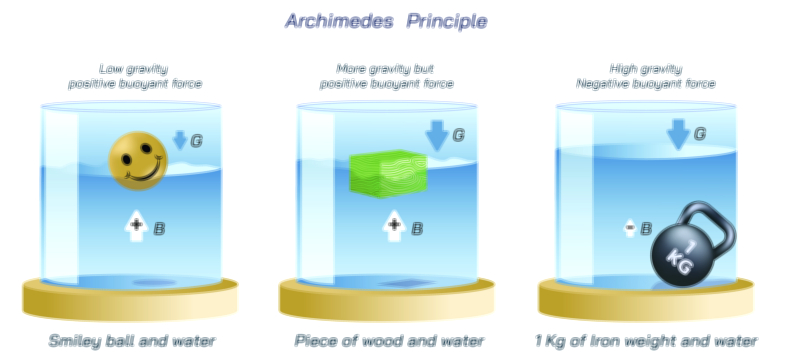
On Earth, gravity acts as a constant downward pull toward the planet’s center. This pull exists whether an object is moving or still. When a ball is resting on a table or held in the hand, gravity is already acting on it. The reason the ball does not move is that another force, called support or contact force, balances gravity. The moment this support is removed, gravity becomes unopposed, and motion begins. This shows an important concept: gravity does not need motion to exist; motion occurs only when gravity is not balanced by another force.
As the ball begins to fall, gravity causes it to speed up continuously. This increasing speed is not because gravity suddenly becomes stronger, but because the force acts at every moment during the fall. With each passing instant, the ball gains more motion. This continuous speeding up is why a dropped ball hits the ground faster than it starts falling. Gravity therefore controls not only the direction of motion but also how motion changes over time.
The path of the falling ball is vertical because gravity pulls straight toward Earth’s center. If the ball were dropped on a different planet, the motion would still be downward relative to that planet, but the speed of falling would differ depending on the strength of gravity there. This highlights that gravity is a property of massive bodies like planets and that Earth’s gravity is strong enough to dominate motion near its surface.
When the ball reaches the ground, the interaction becomes more complex. The ground does not simply stop the ball; it reacts to the ball’s motion. As the ball collides with the ground, its shape changes slightly due to the force of impact. This deformation is temporary in elastic materials such as rubber. During this very brief moment, the ball’s downward motion is halted, and energy is stored within the stretched and compressed material of the ball. The ground, being much harder, deforms far less but still participates in the interaction.
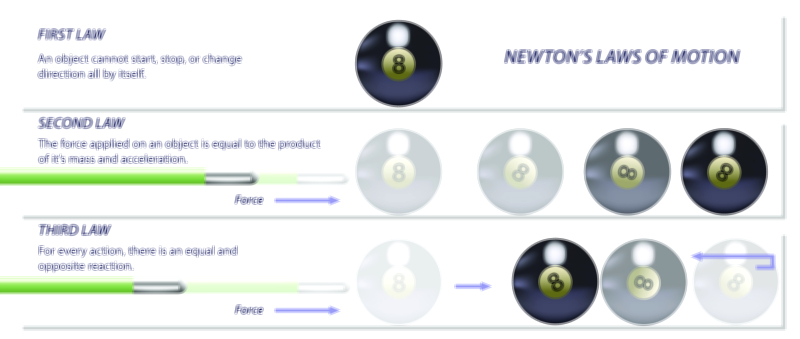
This brief storage of energy is essential for the bounce. As the ball regains its original shape, it pushes against the ground. The ground responds by pushing the ball upward. This upward push is known as a reaction force, and it exists because solid surfaces resist being compressed. For a short moment, this upward force is greater than gravity, allowing the ball to leave the ground and move upward.
Once the ball is airborne again, gravity immediately begins to act against the upward motion. Gravity does not disappear during the bounce; it continues to pull the ball downward even as the ball rises. This pull gradually reduces the ball’s upward speed until it reaches a point where upward motion stops completely. At that instant, the ball is momentarily motionless before gravity pulls it downward again, beginning another fall.
Each bounce is lower than the previous one because energy is never perfectly conserved in real-world situations. Some energy is lost every time the ball hits the ground. This loss occurs in several ways. A portion of the energy becomes sound, which is why we hear a noise when the ball strikes the surface. Another portion becomes heat due to friction and internal movement within the ball. Some energy is also lost because the ball does not return perfectly to its original shape. These losses reduce the amount of energy available for upward motion after each bounce.
The nature of the surface also affects how the ball bounces. A hard surface like concrete returns more energy to the ball, resulting in a higher bounce. A soft surface like sand absorbs more energy, causing the ball to bounce very little or not at all. Gravity remains the same in both cases, but the interaction between the ball and the surface determines how much energy is returned to motion.
Air plays an additional role throughout this process. As the ball falls and rises, it pushes through air, which resists motion slightly. This resistance removes some energy from the system and contributes to the gradual reduction in bounce height. Although air resistance is often small for heavy objects over short distances, it becomes significant over longer distances or with lighter objects.
Gravity also influences how long the ball stays in the air between bounces. After each bounce, the ball rises to a lower height, spends less time moving upward and downward, and returns to the ground more quickly. This shortening of time between bounces is a visible demonstration of gravity’s consistent pull combined with decreasing energy.
Beyond this simple example, gravity’s influence extends to nearly every aspect of life and nature. It causes rain to fall from clouds, enables rivers to flow downhill, and allows soil and water to remain on Earth’s surface. It keeps the Moon in orbit around Earth and Earth in orbit around the Sun. The same gravitational principles seen in a bouncing ball also explain why satellites stay in orbit and why planets follow curved paths through space.
Understanding gravity through everyday examples is important because it connects abstract scientific ideas to real experiences. The falling and bouncing of a ball demonstrate how gravity interacts with forces, motion, and material properties. These interactions form the foundation of mechanics, one of the core areas of physics that explains how objects move and respond to forces.
In summary, gravity is a constant force that pulls objects toward Earth. When a ball is released, gravity causes it to fall and accelerate downward. Upon hitting the ground, the ball compresses and stores energy, which is then partially released to push it upward. Gravity slows this upward motion and pulls the ball back down again. With each bounce, energy is lost through sound, heat, and resistance, and gravity eventually brings the ball to rest. This simple process reveals the continuous and powerful role gravity plays in shaping motion, energy transfer, and the physical behavior of the world around us. Gravity is the force that pulls objects toward Earth. When a ball is dropped, gravity accelerates it downward until it hits the ground. Upon impact, the ball compresses, stores energy briefly, and then releases part of that energy to bounce back upward. Gravity then slows the upward motion and pulls the ball down again. This repeating interaction between gravity, energy transfer, and material properties explains why a ball falls, bounces, and eventually comes to rest.
In conclusion, gravity is the force that causes objects to move toward Earth. When a ball is dropped, gravity accelerates it downward, converting stored height-related energy into motion. Upon hitting the ground, the ball briefly compresses, storing energy that is then partially released to push the ball upward. Gravity slows this upward motion, pulls the ball back down, and repeats the cycle. With each bounce, energy is lost, and gravity eventually brings the ball to rest. This simple yet powerful process demonstrates how gravity governs motion, energy, and everyday experiences in our world.