Coal is a solid fossil fuel that originates from the remains of ancient plants which grew in vast swampy forests hundreds of millions of years ago. During prehistoric periods, these plants absorbed carbon dioxide from the atmosphere through photosynthesis and stored carbon in their tissues. When the plants died, they accumulated in waterlogged environments where oxygen was scarce, preventing complete decomposition. Over immense geological time spans, layers of sediment buried this organic matter, subjecting it to increasing heat and pressure. This gradual transformation process, known as coalification, converted plant remains into different ranks of coal. The classification of coal into lignite, subbituminous, bituminous, and anthracite reflects this progressive increase in carbon content, density, hardness, and energy potential.
The concept of coal rank is central to understanding coal properties and uses. As coal rank increases, moisture content decreases, carbon concentration rises, and the coal becomes harder and more energy-dense. These changes are driven by deeper burial, higher temperatures, and greater pressures acting on the original plant material. Each coal type represents a specific stage in geological maturity, making coal a unique record of Earth’s long-term thermal and tectonic history. Because each rank has distinct physical and chemical characteristics, different coal types are suited to different applications in energy production and industry.
Lignite is the lowest rank of coal and represents the earliest stage of coal formation beyond peat. It is commonly known as brown coal because of its brownish to dark brown color and relatively soft, crumbly texture. Lignite contains a high proportion of moisture, often ranging from thirty to sixty percent, and has a comparatively low carbon content. These properties result in a lower energy value when burned. Lignite still retains some visible plant structures, reflecting its limited geological transformation. It typically forms at shallow burial depths of about five hundred meters to one kilometer, under mild temperatures and moderate pressure over millions of years.
Due to its high moisture content and tendency to degrade when exposed to air, lignite is usually mined close to the surface using open-pit methods and consumed near the mining site. Transporting lignite over long distances is inefficient and costly, as much of its weight is water rather than usable energy. As a result, lignite plays a largely regional role in energy supply. Its primary use is electricity generation in power plants specifically designed to burn low-rank coal. These plants convert the heat released from lignite combustion into steam, which drives turbines to generate electricity.
Despite its lower efficiency and higher emissions per unit of energy compared to higher-rank coals, lignite remains important in regions where it is abundant and easily accessible. It provides a reliable and low-cost energy source that supports local power grids and reduces dependence on imported fuels. In addition to power generation, lignite is used in some industrial heating applications and as a raw material in the production of synthetic fuels, chemicals, and soil conditioners. Its role highlights the trade-off between energy quality and resource availability.
Subbituminous coal represents the next stage in coalification and forms when lignite is buried deeper and subjected to higher heat and pressure over tens of millions of years. It is darker, harder, and more compact than lignite, with a lower moisture content and higher carbon concentration. These changes give subbituminous coal a higher energy value and more efficient combustion characteristics. It typically forms at burial depths of around one to two kilometers, under moderate temperatures and pressures greater than those experienced by lignite.
One of the defining advantages of subbituminous coal is its relatively low sulfur content. This makes it an attractive fuel for electricity generation in regions with strict air quality regulations, as it produces fewer sulfur-related emissions. Subbituminous coal is widely used in large-scale thermal power plants, where its balance of energy content, availability, and cleaner-burning properties make it a practical choice. It is also used in industrial boilers, cement production, and other processes that require consistent and reliable heat.
Bituminous coal is a higher-rank coal that represents a more advanced stage of geological transformation. It is black, dense, and significantly harder than both lignite and subbituminous coal. Bituminous coal contains a high percentage of carbon and much less moisture, resulting in a high energy output when burned. It typically forms at depths of about two to four kilometers, under higher temperatures and pressures acting over tens to hundreds of millions of years. During this stage, much of the volatile matter is expelled, and the coal’s internal structure becomes more compact and carbon-rich.
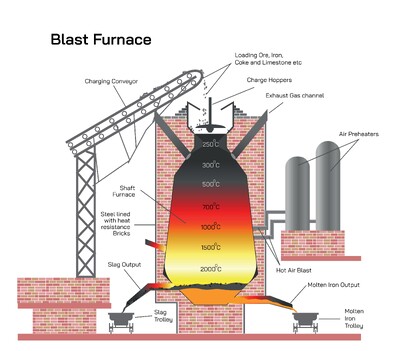
Bituminous coal is the most abundant and widely used type of coal worldwide and has played a central role in industrial development. One of its most important applications is in the production of metallurgical coke. When heated in the absence of oxygen, bituminous coal undergoes carbonization to produce coke, a strong and porous material essential for iron and steel manufacturing in blast furnaces. Coke serves both as a fuel and as a structural support that allows gases to circulate through the furnace, enabling efficient iron production.
In addition to steelmaking, bituminous coal is extensively used in thermal power plants for electricity generation. Its high energy content makes it an efficient fuel for producing large amounts of power. It is also used in cement kilns, brick manufacturing, and various industrial heating processes. Because of its versatility and high performance, bituminous coal became a cornerstone of industrialization and economic growth in many parts of the world.
Anthracite is the highest rank of coal and represents the final stage of coalification. It forms when bituminous coal is subjected to very high pressures and temperatures, often associated with deep burial and tectonic forces such as mountain-building events. Anthracite is hard, shiny, and jet black, with the highest carbon content and the lowest moisture and volatile matter of all coal types. Its structure is more ordered and compact, resulting in a fuel that burns with a short, hot, and clean flame.
Due to its purity and high energy density, anthracite is often referred to as smokeless coal. It produces very little smoke, soot, or pollutants compared to lower-rank coals. However, anthracite is relatively rare and more expensive to mine, which limits its availability. Its uses are therefore more specialized. Anthracite is commonly used for domestic and commercial heating, particularly in regions where clean-burning fuel is required. It is also used in industrial applications that demand high heat and low emissions, such as metal processing, water filtration, and certain chemical processes. In metallurgy, anthracite serves as a carbon additive where precise carbon control is necessary.
The progression from lignite to anthracite reflects a continuous increase in geological pressure, temperature, and time, resulting in improved fuel quality and higher carbon concentration. Each coal type serves a distinct purpose based on its physical properties, availability, and economic factors. Lower-rank coals such as lignite and subbituminous coal primarily support regional electricity generation, while higher-rank coals such as bituminous coal and anthracite are essential for industrial processes and specialized applications. Together, these coal types illustrate how geological processes shape natural resources and how human societies adapt their use to meet diverse energy and industrial needs.
Coal is a solid fossil fuel formed from the remains of ancient plants that accumulated in swampy environments millions of years ago. Over long geological periods, heat and pressure transformed this plant material into different types of coal, each with unique properties and energy potential. The classification of coal into lignite, subbituminous, bituminous, and anthracite represents a progression known as coal rank. This progression reflects increasing carbon content, hardness, energy value, and geological maturity. Understanding these coal types and their uses is essential for appreciating their role in energy production and industrial development.
Lignite is the lowest rank of coal and represents the earliest stage of coal formation. It is often referred to as brown coal due to its brownish-black color and relatively soft texture. Lignite contains a high amount of moisture and a lower percentage of carbon compared to higher-ranked coals. Because of this, its energy content is relatively low. Lignite is typically mined close to the surface and is mainly used near the mining location, as its high moisture content makes long-distance transportation inefficient.
The primary use of lignite is in electricity generation. Many power plants are specifically designed to burn lignite to produce steam for power generation. Although lignite produces more emissions per unit of energy than higher-grade coals, its abundance and low mining cost make it an important energy source in certain regions. Lignite is also used in some industrial heating applications and in the production of synthetic fuels and chemicals. Its role is largely regional, supporting local power grids and industries.
Subbituminous coal represents the next stage in coal maturation and has a higher carbon content and lower moisture level than lignite. It appears darker in color and is harder and more compact. Subbituminous coal has a higher energy value, making it more efficient as a fuel. It burns more cleanly than lignite, producing fewer emissions per unit of energy, which makes it a preferred choice for modern power plants focused on reducing environmental impact.
Subbituminous coal is widely used for electricity generation in large-scale thermal power plants. Its relatively low sulfur content makes it suitable for meeting air quality regulations without extensive emission control systems. In addition to power generation, subbituminous coal is used in industrial boilers, cement manufacturing, and other processes that require reliable heat sources. Its balance between availability, energy content, and environmental performance makes it one of the most commonly used coal types worldwide.
Bituminous coal is a higher-rank coal that is black, hard, and more compact than lignite and subbituminous coal. It contains a higher percentage of carbon and significantly less moisture, resulting in a much higher energy output. Bituminous coal is the most abundant and widely used type of coal globally. It plays a critical role in both energy production and industrial processes.
One of the most important uses of bituminous coal is in the production of metallurgical coke. When heated in the absence of oxygen, bituminous coal undergoes carbonization to produce coke, a strong, porous material essential for iron and steel manufacturing in blast furnaces. In addition to steelmaking, bituminous coal is extensively used in thermal power plants to generate electricity. It is also used as a fuel in cement kilns, brick manufacturing, and various industrial heating applications. Because of its high energy content and versatility, bituminous coal has been a backbone of industrialization for decades.
Anthracite is the highest rank of coal and represents the final stage of coal formation. It is hard, shiny, and jet black, with the highest carbon content and lowest moisture and volatile matter among all coal types. Anthracite burns with a short, clean flame and produces very little smoke or soot. Due to its purity and high energy density, it is often referred to as smokeless coal.
The uses of anthracite are more specialized due to its limited availability and higher cost. It is commonly used for domestic and commercial heating, especially in regions where clean-burning fuel is required. Anthracite is also used in industrial processes that demand high heat and low emissions, such as metal processing, water filtration systems, and certain chemical applications. In addition, it serves as a carbon additive in steelmaking and other metallurgical processes where high carbon content is essential.
The progression from lignite to anthracite reflects increasing geological pressure and temperature over time, resulting in higher carbon concentration and improved fuel quality. Each coal type serves a distinct purpose based on its properties, availability, and economic considerations. Lower-rank coals support regional power generation, while higher-rank coals drive industrial processes and specialized applications.
Coal is a solid fossil fuel that originates from ancient plant material which accumulated in vast swampy and marshy environments hundreds of millions of years ago, mainly during the Carboniferous period. These prehistoric ecosystems were dominated by dense vegetation, including giant ferns, trees, and mosses, which grew rapidly in warm, humid climates. When these plants died, they fell into waterlogged environments where oxygen levels were very low. Because oxygen is essential for complete decay, the lack of oxygen slowed decomposition, allowing thick layers of organic material to build up. Over geological time, this organic matter was buried under layers of sediment, initiating a long transformation process known as coalification.
Coalification is driven by three key factors: time, heat, and pressure. As plant material is buried deeper within the Earth’s crust, it experiences increasing pressure from overlying sediments and rising temperatures due to the geothermal gradient. These conditions gradually expel water, oxygen, and hydrogen from the organic matter, leaving behind a material increasingly rich in carbon. The result is a progression of coal types, known as coal ranks, which include lignite, subbituminous coal, bituminous coal, and anthracite. Each rank represents a higher degree of geological maturity, carbon concentration, hardness, and energy potential.
Lignite is the lowest rank of coal and represents the earliest stage of true coal formation beyond peat. It is commonly referred to as brown coal because of its brownish to dark brown color and relatively soft, crumbly texture. Lignite typically forms at shallow burial depths of about five hundred meters to one kilometer, under mild temperatures and moderate pressure over millions of years. Because the transformation is incomplete, lignite retains many characteristics of the original plant material, and in some cases, plant structures can still be identified.
One of the defining characteristics of lignite is its high moisture content, which can range from thirty to sixty percent. This high water content lowers its heating value, meaning it produces less energy per unit mass when burned compared to higher-rank coals. Lignite also has a lower carbon content and a higher proportion of volatile compounds. These properties make lignite less efficient as a fuel, but its abundance and ease of extraction compensate for its lower quality in certain regions.
Lignite is most commonly mined using surface mining methods, as it is usually found close to the Earth’s surface. Because it deteriorates when exposed to air and is expensive to transport due to its moisture content, lignite is typically used near the mining site. Its primary application is electricity generation in power plants designed specifically to burn low-rank coal. These plants convert the heat from lignite combustion into steam, which drives turbines to generate electricity. In addition to power generation, lignite is used in some industrial heating applications and as a raw material for producing synthetic fuels, fertilizers, and chemicals. Despite its environmental drawbacks, lignite plays an important regional role in energy security where higher-grade coal or alternative energy sources are limited.
Subbituminous coal represents the next stage in coal rank and forms when lignite is buried deeper and exposed to higher temperatures and pressures over tens of millions of years. This coal type is darker, harder, and more compact than lignite, with a noticeably lower moisture content and higher carbon concentration. Subbituminous coal typically forms at depths of around one to two kilometers and reflects a more advanced stage of coalification.
Because of its improved composition, subbituminous coal has a higher heating value than lignite and burns more efficiently. One of its most important advantages is its relatively low sulfur content, which results in lower sulfur dioxide emissions during combustion. This makes subbituminous coal attractive for electricity generation in regions with strict air pollution regulations. It is widely used in large thermal power plants, where it provides a balance between energy efficiency, cost, and environmental performance.
Beyond power generation, subbituminous coal is used in industrial boilers, cement manufacturing, and other heat-intensive processes. Its reliability and cleaner-burning characteristics compared to lignite have contributed to its widespread adoption in modern energy systems. In many countries, subbituminous coal serves as a transitional fuel between low-rank and high-rank coals.
Bituminous coal is a higher-rank coal that represents a major step forward in geological maturity and fuel quality. It is black, dense, and significantly harder than both lignite and subbituminous coal. Bituminous coal forms at burial depths of approximately two to four kilometers under higher temperatures and pressures acting over tens to hundreds of millions of years. During this stage, most of the remaining volatile matter is expelled, and the coal becomes much richer in carbon.
Bituminous coal has a high energy content, making it one of the most efficient and versatile fossil fuels. It is the most abundant and widely used coal type worldwide and has played a central role in industrial development since the Industrial Revolution. One of its most critical applications is in the production of metallurgical coke. When bituminous coal is heated in the absence of oxygen, it undergoes carbonization to produce coke, a strong, porous carbon material essential for iron and steel production in blast furnaces. Coke not only acts as a fuel but also provides structural support and facilitates gas flow within the furnace.
In addition to steelmaking, bituminous coal is extensively used in thermal power plants for electricity generation. It is also used in cement kilns, brick manufacturing, and a wide range of industrial heating applications. Because of its high energy output and adaptability, bituminous coal has been a cornerstone of global industrialization and economic growth.
Anthracite is the highest rank of coal and represents the final stage of coalification. It forms when bituminous coal is subjected to extremely high temperatures and pressures, often due to deep burial combined with tectonic forces such as folding and mountain-building events. Anthracite is hard, shiny, and jet black, with the highest carbon content and the lowest moisture and volatile matter of all coal types. Its molecular structure is more ordered, approaching that of graphite.
Anthracite burns with a short, intense, and clean flame, producing very little smoke or soot. Because of this, it is often referred to as smokeless coal. However, anthracite is relatively rare and more expensive to mine than other coal types, which limits its widespread use. Its applications are therefore more specialized and focused on situations where clean combustion and high heat are required.
Common uses of anthracite include domestic and commercial heating, particularly in regions with strict air quality standards. It is also used in industrial processes that demand high temperatures and low emissions, such as metal processing, water filtration, and certain chemical reactions. In metallurgy, anthracite serves as a carbon additive where precise control of carbon content is necessary.
The progression from lignite to subbituminous, bituminous, and anthracite coal illustrates how geological processes transform organic material into increasingly energy-rich resources. Each coal rank reflects a specific combination of time, pressure, and temperature, resulting in distinct physical and chemical properties. Lower-rank coals support regional electricity generation and local industries, while higher-rank coals are vital for large-scale industrial processes and specialized applications. Together, these coal types demonstrate the intimate link between Earth’s geological history and human energy use, highlighting coal’s enduring role in industrial and economic development.
In summary, lignite, subbituminous, bituminous, and anthracite coal represent four major ranks of coal, each with unique characteristics and uses. Lignite is primarily used for local electricity generation, subbituminous coal powers large thermal plants with improved efficiency, bituminous coal supports both electricity production and steel manufacturing, and anthracite provides clean, high-energy fuel for heating and specialized industrial uses. Together, these coal types have played a crucial role in shaping global energy systems and industrial development, making coal one of the most influential natural resources in human history.