The arm, chest, shoulder, and abdominal muscles together form the core framework of upper body movement, strength, and stability. These muscle groups work in close coordination to support daily activities such as lifting, pushing, pulling, twisting, breathing, and maintaining posture. Their structure reflects a balance between power generation and fine motor control, allowing humans to perform both forceful and precise movements. Understanding these muscles as an integrated system helps explain how the upper body achieves strength, flexibility, and endurance.
The arm muscles are primarily responsible for movement of the upper limbs and manipulation of objects. The upper arm contains two major muscle groups positioned around the humerus. The biceps brachii lies on the front of the upper arm and plays a key role in bending the elbow and rotating the forearm. This muscle is heavily involved in lifting and pulling actions, especially when bringing objects toward the body. The triceps brachii occupies the back of the upper arm and is responsible for straightening the elbow. It provides pushing power during actions such as pushing doors, rising from a seated position, or stabilizing the arm during weight-bearing tasks.
Below the elbow, the forearm muscles control wrist, hand, and finger movements. These muscles enable gripping, fine motor skills, and precise hand coordination. Together, the upper arm and forearm muscles allow the arm to function as a highly versatile tool capable of both strength and precision.
The chest muscles form the muscular foundation of the front upper torso and play a vital role in arm movement and breathing. The pectoralis major is the largest chest muscle and spans across the upper chest. It connects the sternum and ribs to the upper arm, allowing movements such as pushing, hugging, and bringing the arms toward the center of the body. This muscle is highly active during actions that require force, such as lifting heavy objects or performing push-based movements.
Beneath the pectoralis major lies the pectoralis minor, a smaller but important muscle that stabilizes the shoulder blade. It assists in drawing the shoulder forward and downward, contributing to controlled shoulder movement and posture. Together, the chest muscles not only generate upper body strength but also assist breathing by supporting rib cage movement during deep inhalation.
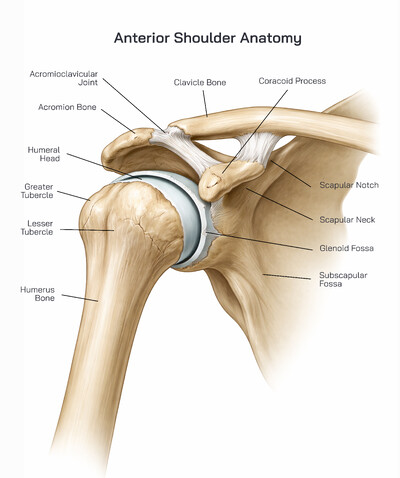
The shoulder muscles act as a central link between the arms and the torso. The most visible shoulder muscle is the deltoid, which covers the shoulder joint and gives the shoulder its rounded appearance. The deltoid is divided into different regions that allow the arm to move in multiple directions, including lifting the arm forward, sideways, and backward. This wide range of motion makes the shoulder one of the most mobile joints in the human body.
Supporting the deltoid is a group of smaller muscles known collectively as the rotator cuff. These muscles stabilize the shoulder joint by keeping the head of the upper arm bone securely positioned within the shoulder socket. Proper function of these muscles is essential for smooth, controlled arm movement and injury prevention. Weakness or imbalance in the shoulder muscles can lead to reduced mobility and joint strain.
The abdominal muscles form the core of the body and play a crucial role in stability, posture, and movement coordination. The rectus abdominis runs vertically along the front of the abdomen and is commonly associated with trunk bending and visible abdominal definition. This muscle helps flex the spine and supports actions such as sitting up or bending forward.
On either side of the abdomen are the external and internal oblique muscles. These muscles allow the torso to twist and bend sideways. They are essential for rotational movements, balance, and protection of internal organs. Deep within the abdominal wall lies the transverse abdominis, which acts like a natural support belt. This muscle stabilizes the spine and pelvis by increasing internal pressure and providing foundational core support.
Functionally, the abdominal muscles work continuously during both movement and rest. They maintain upright posture, protect the spine, and coordinate with the back muscles to control body alignment. During activities such as lifting, the abdominal muscles engage to stabilize the torso and prevent excessive strain on the lower back.
All these muscle groups work together as a unified system. When lifting an object, the abdominal muscles stabilize the core, the chest and shoulder muscles guide arm positioning, and the arm muscles generate force to move the load. During athletic activities, this coordination becomes even more critical, allowing efficient transfer of energy from the core to the limbs.
From a biomechanical perspective, balance among arm, chest, shoulder, and abdominal muscles is essential. Overdevelopment or weakness in one group can disrupt movement patterns and increase the risk of injury. Proper muscular coordination ensures joint stability, efficient force transmission, and reduced mechanical stress on bones and connective tissues.
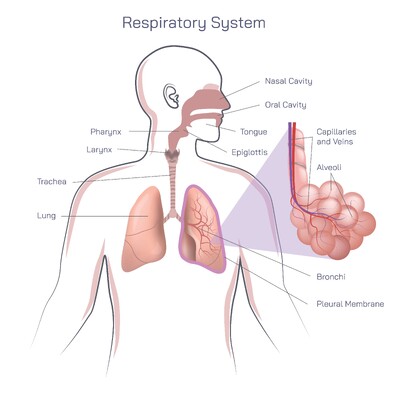
These muscles also play a major role in breathing and circulation. Chest and abdominal muscles assist the diaphragm during deep breathing, especially during physical exertion. Increased muscle activity improves blood flow, oxygen delivery, and metabolic efficiency, supporting overall endurance and performance.
In daily life, the arm, chest, shoulder, and abdominal muscles support nearly every action, from simple tasks like carrying objects to complex movements such as sports and physical labor. Their health and functionality are closely linked to posture, mobility, and long-term musculoskeletal well-being.
The arm, chest, shoulder, and abdominal muscles together create a highly coordinated upper-body system that allows humans to interact effectively with their environment. These muscle groups do not act in isolation; instead, they function as a connected kinetic chain in which movement, force, and stability are distributed across multiple regions. This integration is what enables the upper body to perform a vast range of tasks, from delicate hand movements to powerful full-body actions such as lifting, throwing, or pushing heavy loads.
At a structural level, the arm muscles serve as the primary executors of movement. They translate force generated by the torso into purposeful action at the hands. The muscles of the upper arm, particularly those surrounding the elbow joint, are designed for controlled leverage. This allows the arm to lift, lower, and position objects with accuracy. The ability to smoothly coordinate bending and straightening of the elbow is essential not only for strength tasks but also for fine motor activities, such as writing, eating, or tool use. These movements require precise timing between opposing muscle groups to ensure control rather than rigidity.
The forearm muscles add another layer of complexity and refinement. They allow the wrist and fingers to adapt instantly to changes in load, shape, and resistance. This adaptability is essential for grip strength and dexterity. Whether holding a fragile object or applying strong force, the forearm muscles adjust tension continuously. Their endurance is especially important, as they often remain active for extended periods during daily tasks.
The chest muscles play a central role in linking arm movement to the trunk. They act as powerful stabilizers and movers, particularly during pushing and pulling actions. When the arms move toward the body or press against resistance, the chest muscles provide both strength and control. These muscles also help coordinate symmetrical movements of the upper limbs, such as lifting objects with both hands or stabilizing the arms during load-bearing activities. Their broad attachment points allow them to distribute force efficiently across the torso.
The shoulder region is one of the most complex areas of the musculoskeletal system. It sacrifices some structural stability in favor of exceptional mobility. This design allows the arm to move freely in almost every direction. The shoulder muscles manage this mobility by carefully balancing movement and joint protection. Large surface muscles generate motion, while deeper stabilizing muscles ensure that movements remain controlled and safe. This balance is essential for preventing excessive strain on the shoulder joint, which is naturally vulnerable due to its wide range of motion.
Shoulder muscles also play a key role in posture. They help position the upper limbs relative to the spine and rib cage. Proper shoulder alignment reduces unnecessary tension in the neck and upper back, while poor muscle balance can contribute to rounded shoulders and restricted movement. This highlights how shoulder muscle health affects not only arm function but also overall posture and spinal comfort.
The abdominal muscles form the foundation upon which all upper-body movement is built. They act as a stabilizing platform that allows the arms and shoulders to move efficiently. Without adequate core stability, upper-body movements become less powerful and more prone to injury. The abdominal muscles regulate spinal position, control trunk movement, and manage internal pressure during exertion. This internal support protects the spine during lifting and twisting motions.
Abdominal muscle engagement is not limited to strenuous activity. These muscles remain subtly active throughout the day, maintaining balance and posture even during sitting or standing. They adjust continuously to shifts in body position, ensuring smooth transitions between movements. Their role in spinal protection becomes especially important during sudden or uneven loading, such as catching a falling object or changing direction quickly.
During compound movements, such as lifting an object overhead, all these muscle groups activate in a precise sequence. The abdominal muscles stabilize the trunk, the chest and shoulder muscles guide the arms into position, and the arm muscles apply the necessary force. This coordinated effort minimizes stress on individual joints and maximizes efficiency. Disruption in any part of this sequence can lead to compensatory movements, reduced performance, or injury.
From a functional perspective, these muscles also contribute to breathing mechanics. During intense physical effort, chest and abdominal muscles assist in expanding and compressing the rib cage, supporting deeper and more forceful breathing. This enhanced respiratory support ensures adequate oxygen delivery to working muscles, improving endurance and recovery.
Long-term health of the arm, chest, shoulder, and abdominal muscles depends on balance and coordination rather than isolated strength. Overuse or neglect of any one group can disrupt movement patterns and place excessive stress on joints or connective tissues. Maintaining flexibility, strength, and endurance across all these regions supports efficient movement and reduces the risk of chronic pain.
In everyday life, these muscle groups enable independence and functionality. Simple actions such as reaching, carrying, pushing, or maintaining posture rely on their continuous cooperation. In physically demanding tasks or athletic performance, their integration becomes even more apparent, allowing power to flow smoothly from the core to the limbs.
Overall, the arm, chest, shoulder, and abdominal muscles form a dynamic and interdependent system that underpins upper-body strength, control, and stability. Their design reflects a balance between mobility and support, power and precision. Understanding how these muscles work together provides valuable insight into human movement, injury prevention, and long-term musculoskeletal health.
The arm, chest, shoulder, and abdominal muscles together form an integrated upper-body system that allows humans to generate force, control movement, maintain posture, and adapt to complex physical demands. These muscle groups evolved to balance strength with flexibility, enabling both sustained activity and sudden bursts of power. Their coordination is essential not only for athletic performance but also for routine actions such as lifting groceries, reaching overhead, carrying loads, maintaining posture while sitting or standing, and even breathing during physical effort.
The arm muscles function as the primary tools for interaction with the external world. They translate intention into action by positioning the hands precisely and applying controlled force. The muscles surrounding the elbow joint act as levers, allowing efficient lifting and lowering of objects. This lever system is carefully designed to favor control and accuracy rather than raw strength alone. Because humans rely heavily on tool use and manipulation, the arm muscles must coordinate finely with the nervous system to produce smooth, deliberate movements rather than rigid or jerky actions.
The forearm muscles extend this control by regulating wrist and finger motion. They are constantly active during daily tasks, adjusting grip strength and hand position in response to object size, texture, and weight. This continuous micro-adjustment protects joints and tendons while allowing endurance over long periods of use. The endurance capacity of these muscles is critical, as many everyday activities require sustained low-level contraction rather than short bursts of maximal force.
The chest muscles serve as a powerful bridge between the arms and the torso. They help anchor the arms to the body and provide a stable base for pushing, pulling, and lifting. Because these muscles attach broadly across the rib cage and upper arm, they distribute mechanical stress over a wide area, reducing strain on individual joints. This design allows humans to perform demanding tasks such as lifting heavy objects close to the body, pushing against resistance, or stabilizing the arms during physical labor.
Beyond movement, the chest muscles also contribute to breathing mechanics. During increased physical demand, they assist in expanding the rib cage, allowing deeper inhalation. This function becomes especially important during exertion, when oxygen demand rises sharply. By supporting respiration, chest muscles indirectly enhance endurance and recovery.
The shoulder muscles represent one of the most complex and finely balanced systems in the body. The shoulder joint sacrifices structural rigidity for exceptional mobility, allowing the arms to move freely in multiple planes. This mobility enables actions such as throwing, reaching in any direction, and performing overhead tasks. However, such freedom requires muscular control to maintain joint stability. The shoulder muscles continuously adjust tension to keep movements smooth and prevent excessive stress on the joint surfaces.
Because of this complexity, the shoulder region is highly sensitive to imbalance. When certain muscles dominate while others weaken, movement efficiency declines and joint strain increases. Proper coordination ensures that force is shared evenly, reducing wear on connective tissues. This highlights why shoulder health depends as much on balanced activation as on strength alone.
The abdominal muscles form the central stabilizing core of the upper body. They act as a support system for the spine and pelvis, ensuring that arm and shoulder movements occur on a stable foundation. Without this stability, force generated by the arms would dissipate inefficiently, increasing the risk of strain or injury. The abdominal muscles regulate spinal alignment, control trunk movement, and help manage internal pressure during exertion.
Core stability provided by the abdominal muscles is especially important during lifting and twisting actions. When lifting an object, these muscles engage to protect the spine and distribute load forces evenly. During rotational movements, they control the speed and range of motion, preventing excessive twisting that could damage spinal structures. This protective role is vital in both athletic activities and everyday tasks.
The abdominal muscles also influence posture throughout the day. They work in subtle coordination with back muscles to maintain upright alignment, whether standing, sitting, or walking. Weakness or fatigue in these muscles often leads to postural collapse, increasing stress on the spine and shoulders. Over time, this can contribute to chronic discomfort and reduced mobility.
When considered as a single system, the arm, chest, shoulder, and abdominal muscles demonstrate remarkable efficiency. During complex movements, force flows from the core outward to the limbs. The abdominal muscles stabilize the trunk, the chest and shoulder muscles guide and position the arms, and the arm muscles execute precise actions. This sequential activation ensures efficient energy transfer and minimizes unnecessary strain.
This coordination is particularly evident during athletic performance. Actions such as throwing, swimming, climbing, or lifting rely on synchronized muscle engagement rather than isolated effort. Even small disruptions in timing or balance can significantly reduce performance and increase injury risk. For this reason, functional strength depends on integration rather than isolated muscle development.
These muscle groups also play a critical role in circulation and metabolic health. Active muscle tissue increases blood flow, improving oxygen delivery and waste removal. During physical activity, the rhythmic contraction of these muscles supports venous return, helping the cardiovascular system function efficiently. This contributes to endurance, recovery, and overall physical resilience.
In daily life, the health of the arm, chest, shoulder, and abdominal muscles determines independence and quality of movement. Tasks such as carrying objects, maintaining posture, and performing repetitive work depend on their endurance and coordination. Over time, maintaining balance among these muscles supports joint health, reduces fatigue, and enhances long-term mobility.
In summary, the arm, chest, shoulder, and abdominal muscles form a unified system that underpins upper-body function. Their design reflects a balance between power and control, mobility and stability. By working together, they enable efficient movement, protect vital structures, support breathing, and sustain physical activity. Understanding their integrated role highlights the importance of balanced strength, coordination, and endurance for long-term musculoskeletal health and functional performance.
In conclusion, the arm, chest, shoulder, and abdominal muscles form a powerful and coordinated system that enables strength, stability, and movement control. Their anatomical structure and functional integration allow humans to perform a wide range of activities efficiently and safely. Understanding these muscles enhances appreciation of human movement and highlights the importance of balanced muscular development for physical health and performance.