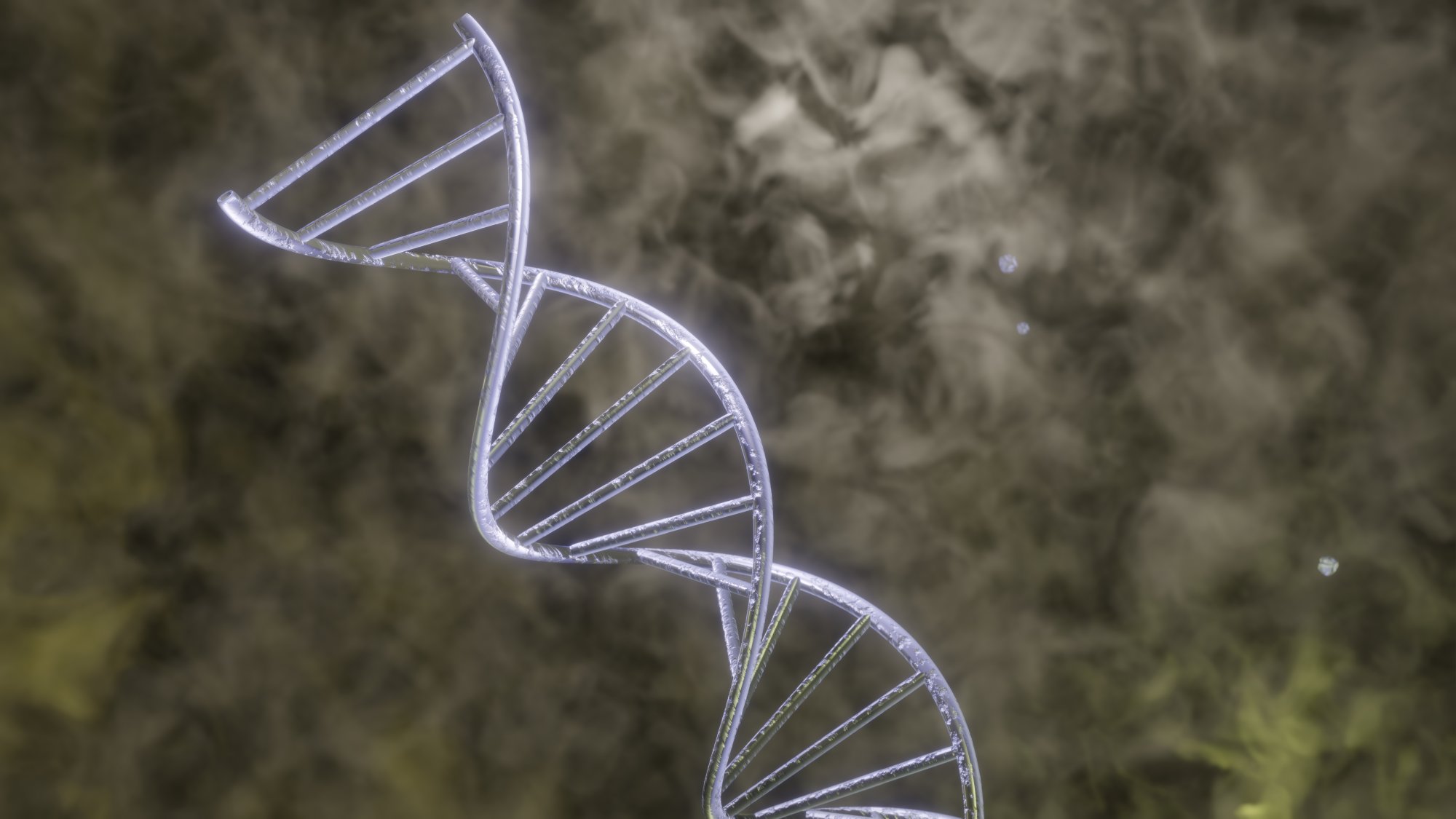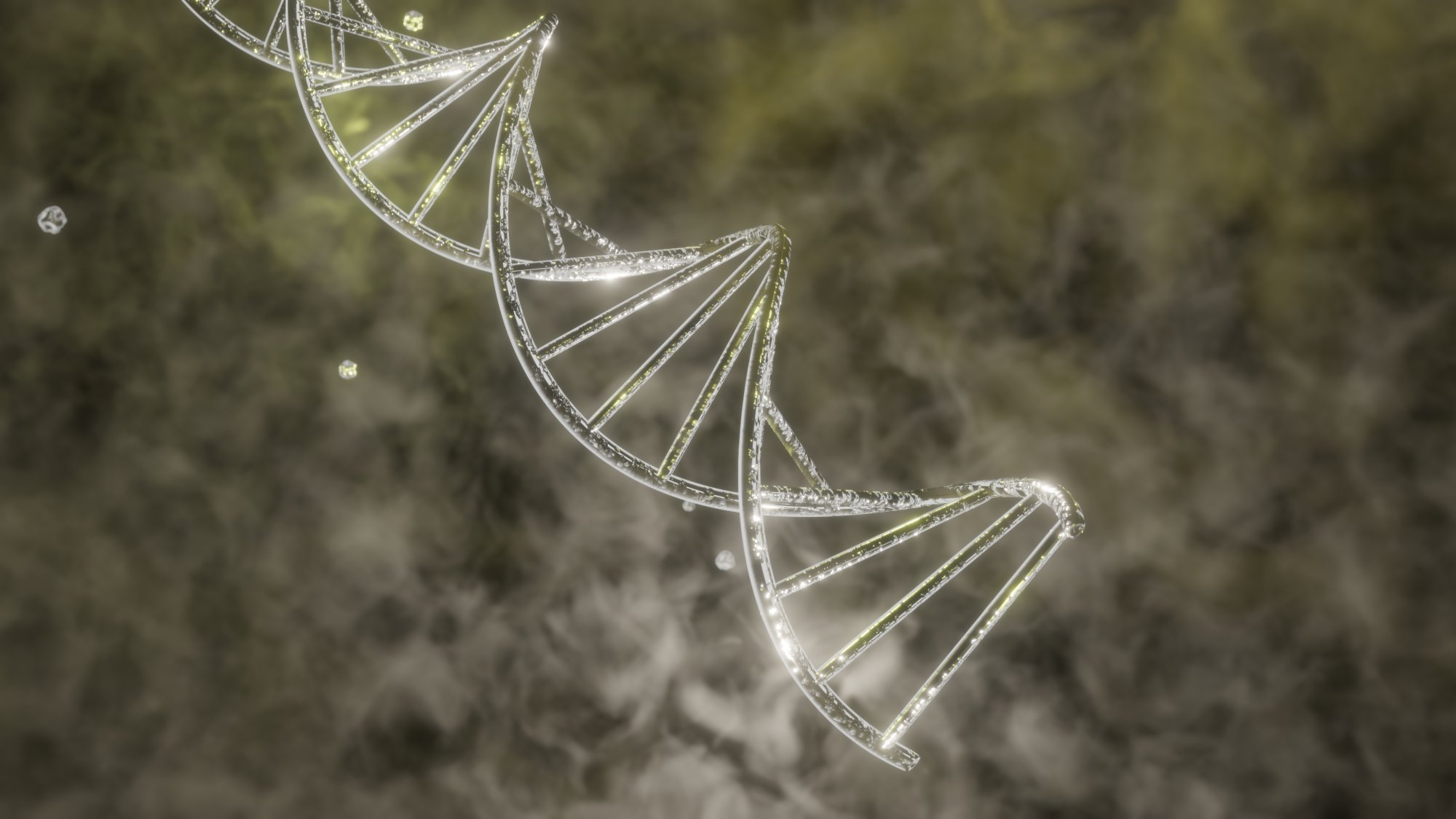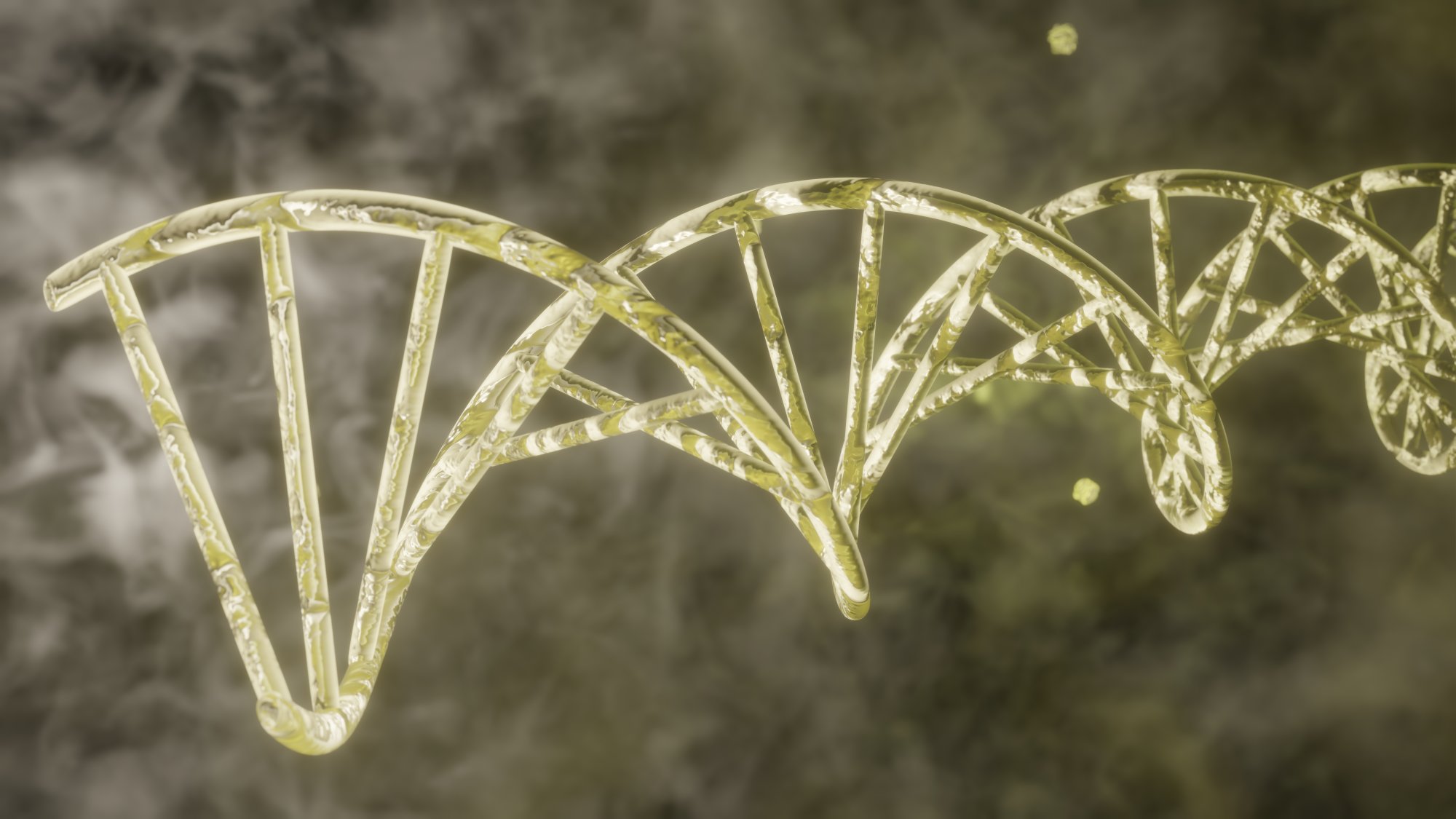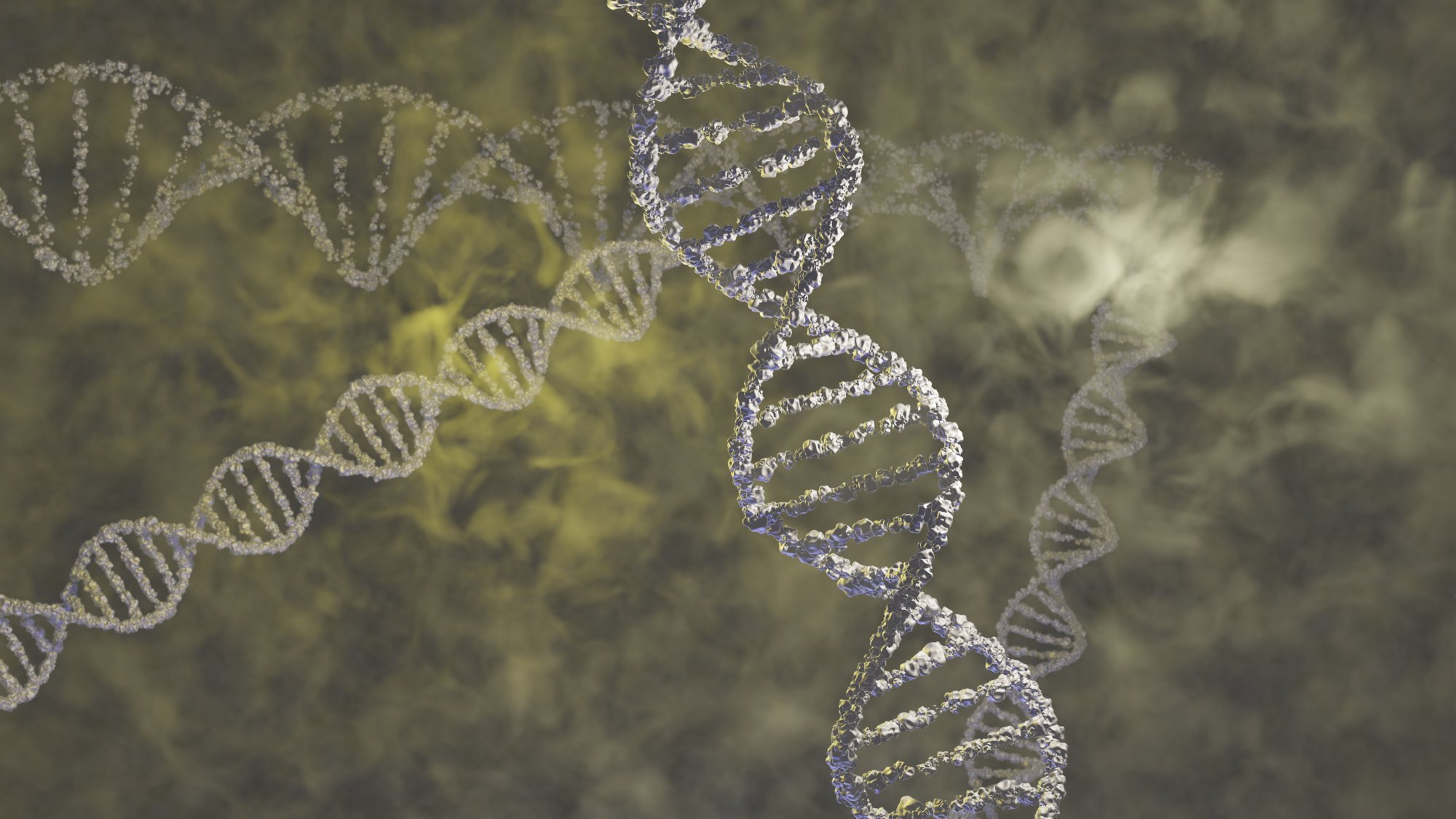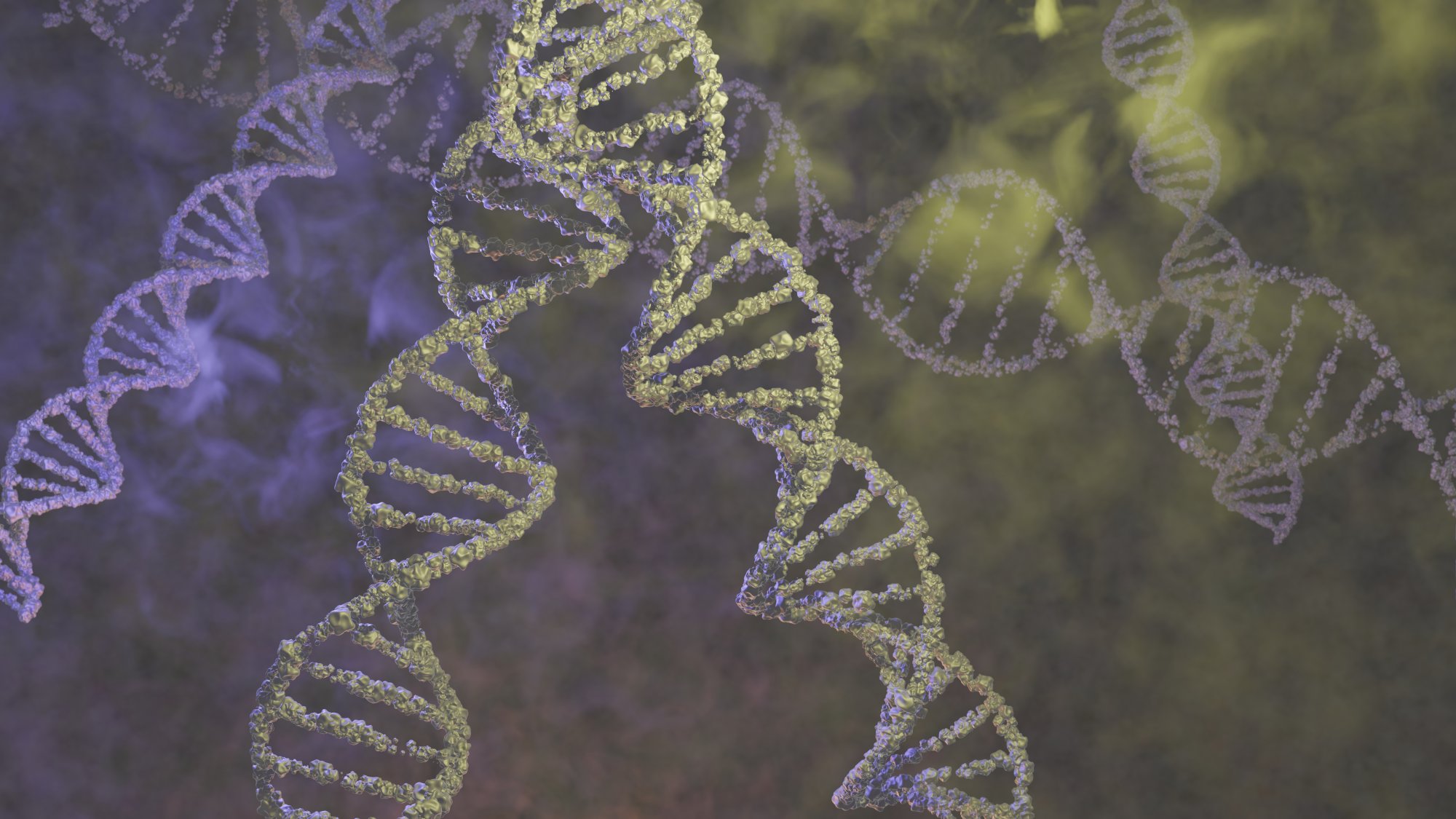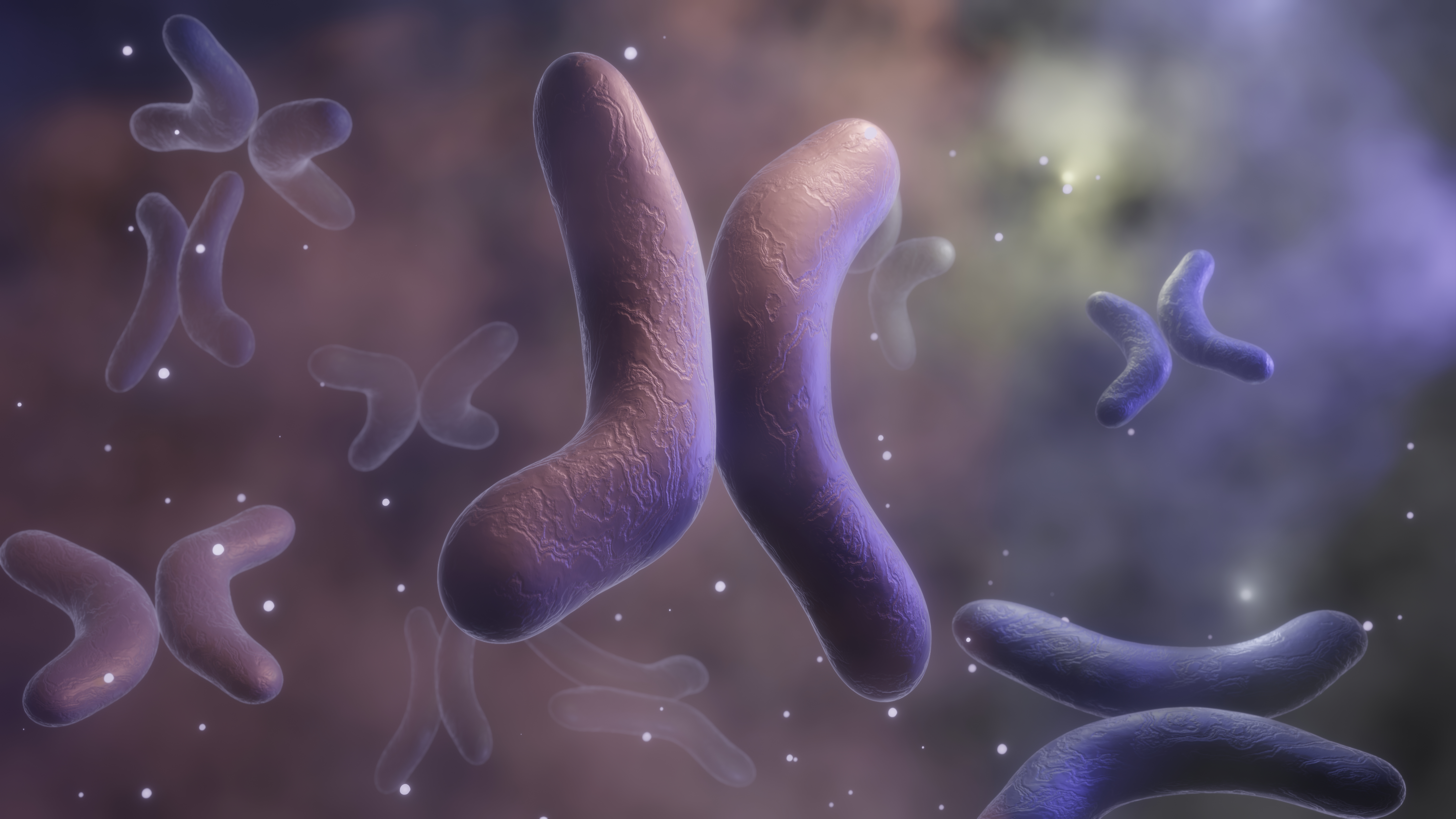
A 3D rendered depiction of the X chromosome provides an extraordinary opportunity to explore one of the core structures guiding life. When seen through advanced visualization, this chromosome rises far beyond the abstract diagrams often found in textbooks. Instead, it becomes a dynamic model filled with curves, folds, and layered components that embody the essence of inherited material. Through such imagery, the X chromosome transforms into a striking landmark within cellular science, allowing observers to appreciate its deep complexity and essential roles.
The X chromosome holds a vast collection of coded material. These codes shape identity, guide development, and support the establishment of countless biological traits. A 3D rendering makes these features visible by bringing depth to the winding DNA chain. Each turn of the structure displays how information is compacted into a space-efficient form that still maintains immediate accessibility for cellular processes. The clarity of the model showcases how the molecule conserves delicate balances between stability and functional readiness.
This chromosome becomes even more fascinating when one observes how its curves are not random. The twists follow patterns that protect vulnerable segments while exposing critical sites required for activity. A rendered view highlights the relationship between structure and purpose, showing that each loop supports communication, regulation, and internal order. The visualization helps illustrate how structural tension holds the DNA threads in place while still allowing for controlled interactions with cellular machinery.
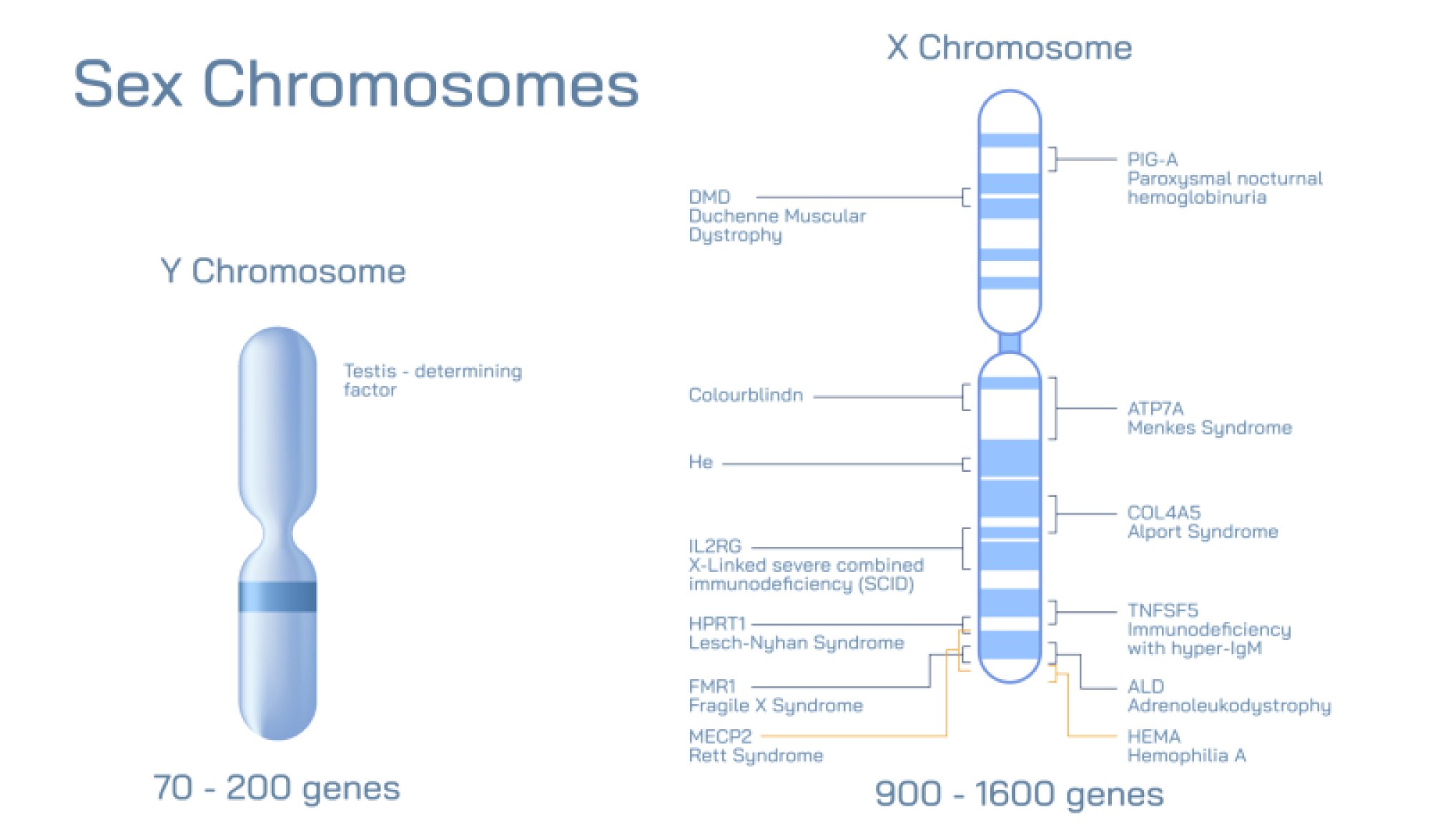
The 3D depiction also provides insight into inherited characteristics. The X chromosome plays significant roles across species in shaping physical traits, developmental pathways, and features tied to sensory function. By examining the model, one can see how certain regions maintain denser patterns, hinting at segments that carry influential coded instructions. These zones often represent material passed down through generations, connecting individuals through shared lineage.
Within the rendered image, viewers can observe how the chromosome fits harmoniously within the nucleus. This harmony results from coordinated packing strategies that keep multiple chromosomes from entangling while remaining active when necessary. A 3D perspective highlights how the X chromosome maintains its own identity while contributing to the broader genomic network within each cell. This presentation allows learners to visualize relationships that typically remain hidden behind complex scientific language.
Every contour of the X chromosome reveals something valuable. Smooth curves demonstrate how DNA bends without breaking, while tighter folds suggest protective zones rich in meaningful coded material. The rendering highlights the remarkable adaptability of DNA: its ability to store immense information while staying responsive to cellular needs. This adaptability helps maintain continuity as organisms grow, repair, and respond to environmental conditions.
The model also emphasizes educational value. Complex genetic terms become easier to understand when illustrated through realistic shapes rather than flat diagrams. Students gain insight into how information flows from one region to another. Researchers benefit from the visual clarity that supports explanations of hereditary processes, cellular programming, and genetic organization. Illustrators can use the model to convey the elegant, layered beauty of genetic architecture.
A 3D rendering presents the X chromosome not merely as a scientific object but as a living structure influencing countless processes. It helps reveal the remarkable depth of DNA organization, showing how codes are stored, protected, and activated. With each angle, the chromosome’s design stands out as an enduring example of natural engineering. Understanding it through such detailed imagery strengthens appreciation for the intricate foundations that guide life at every stage.