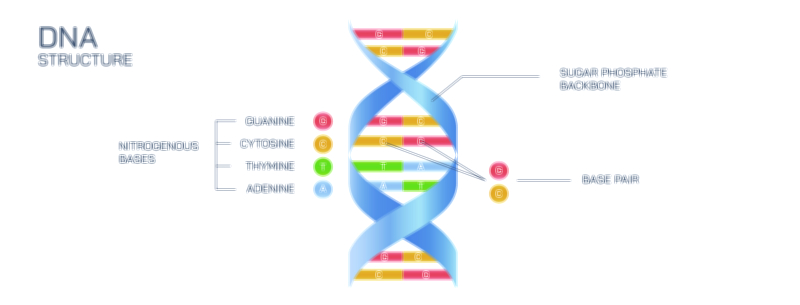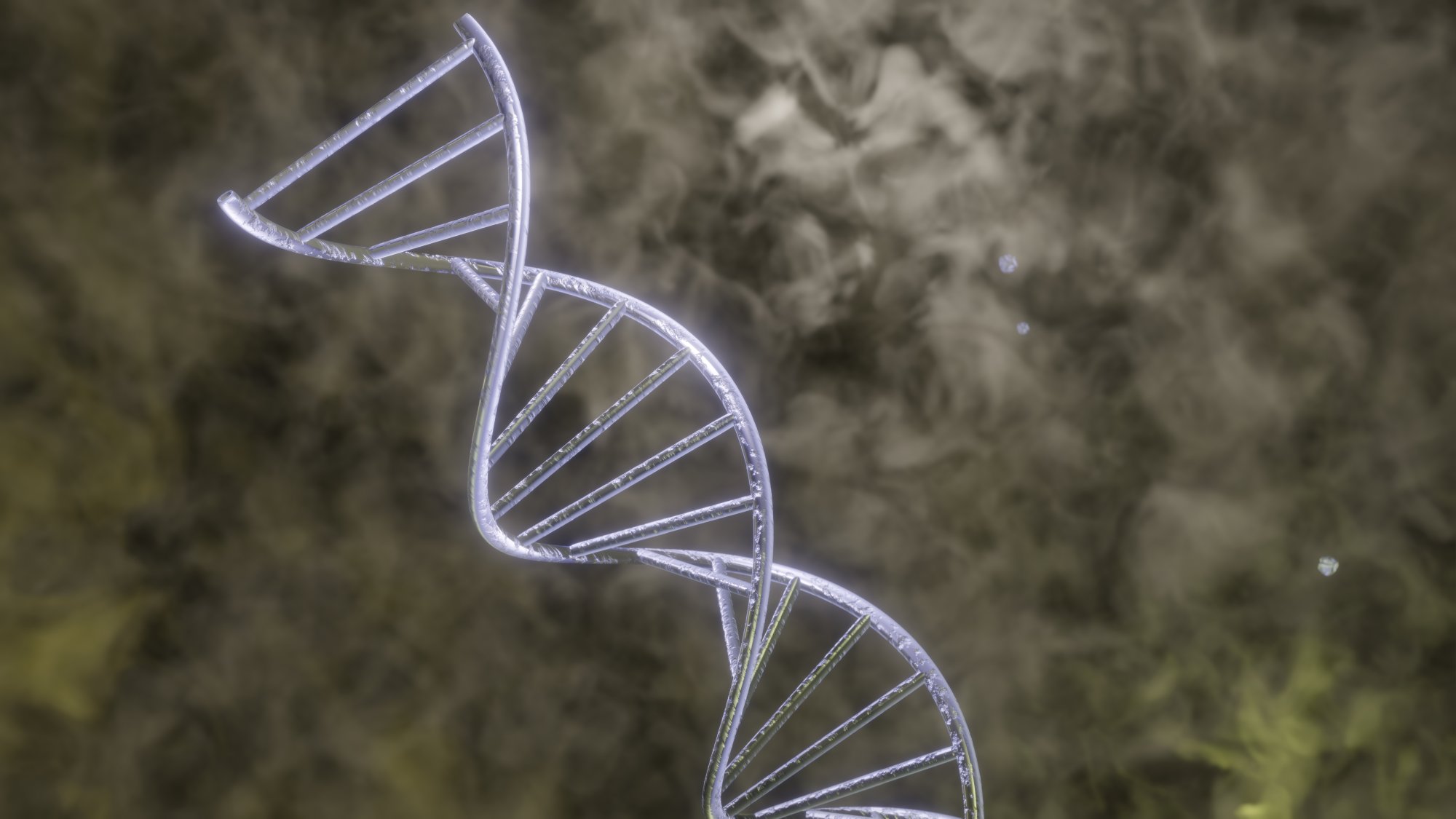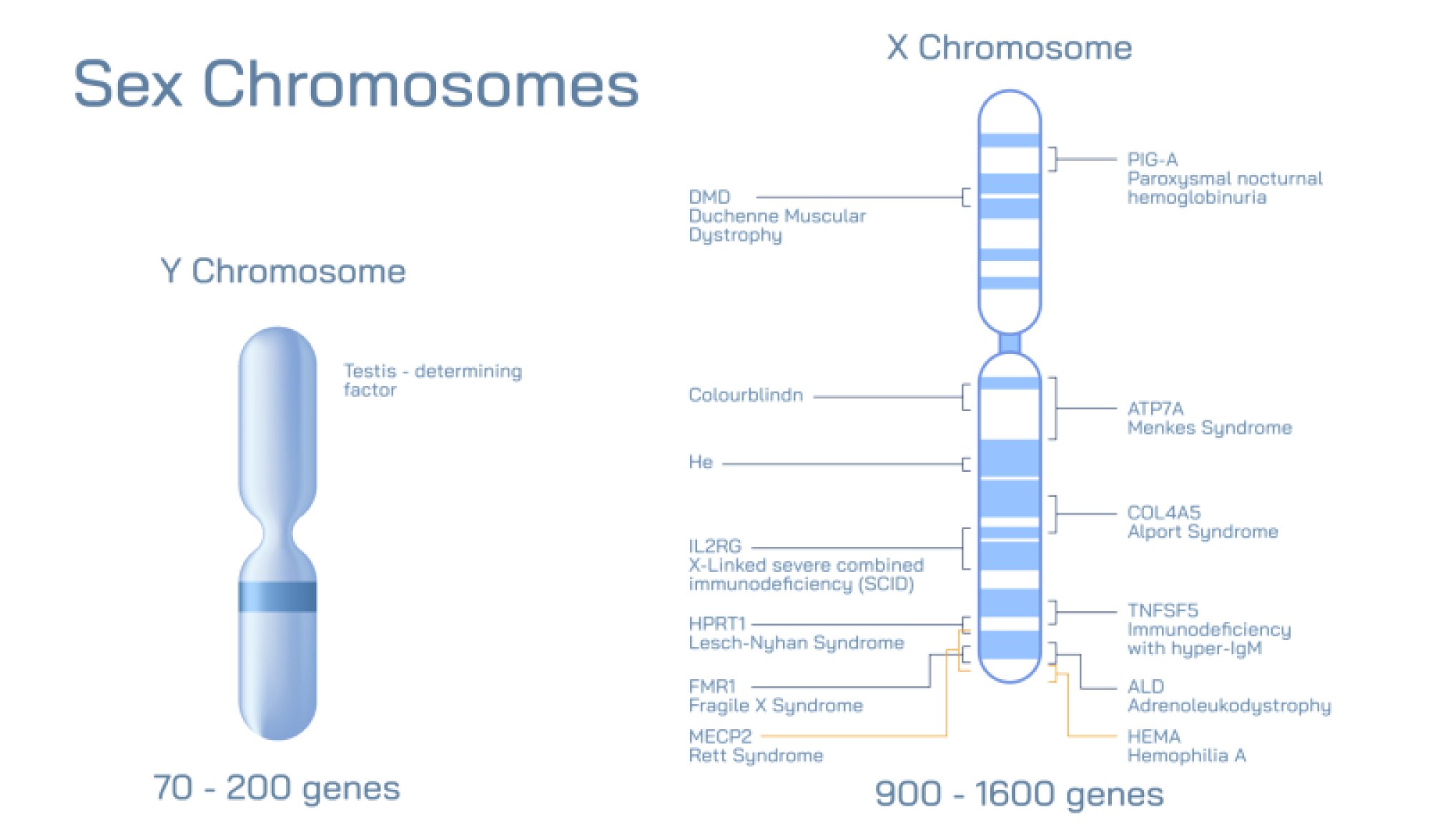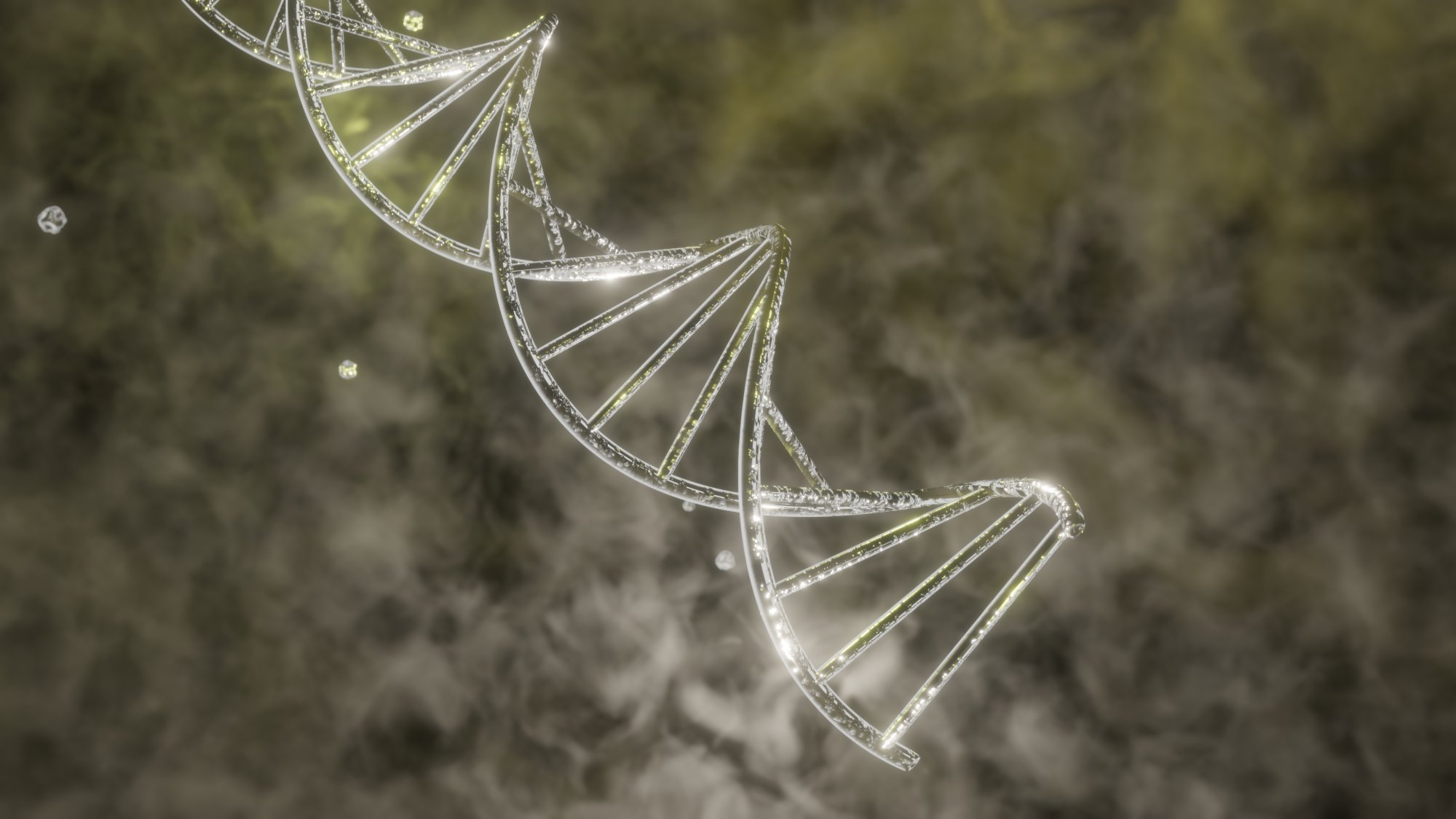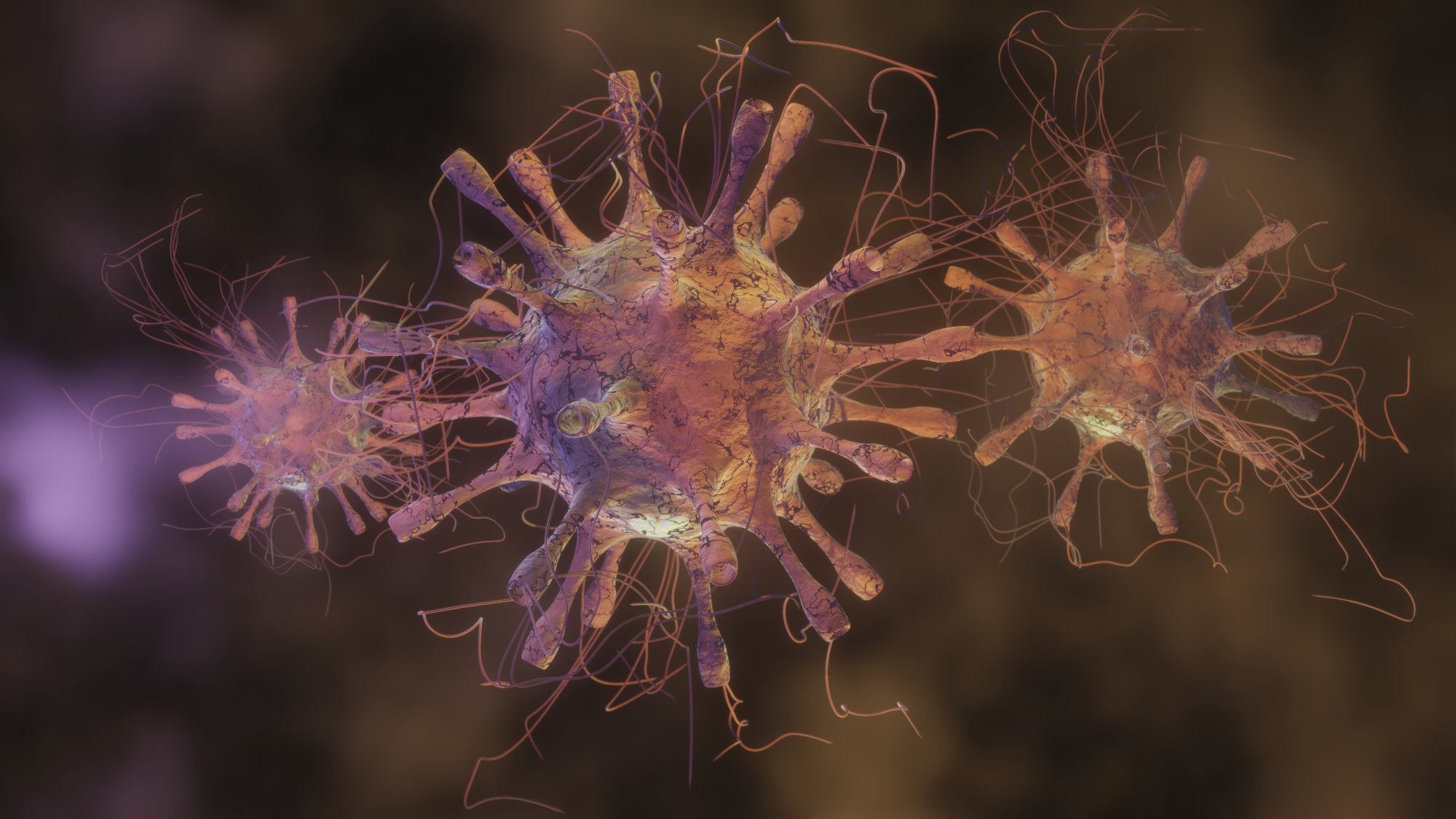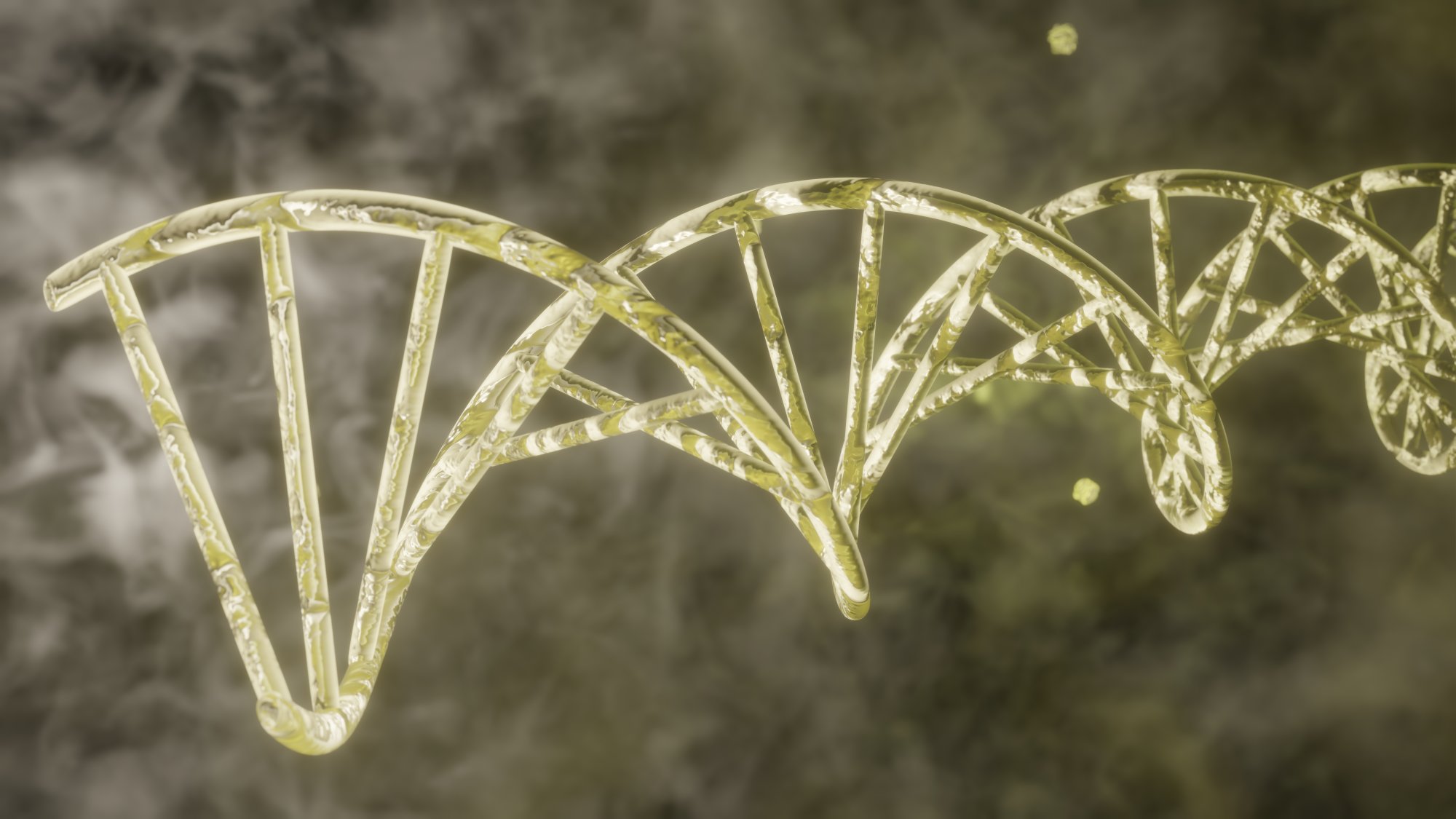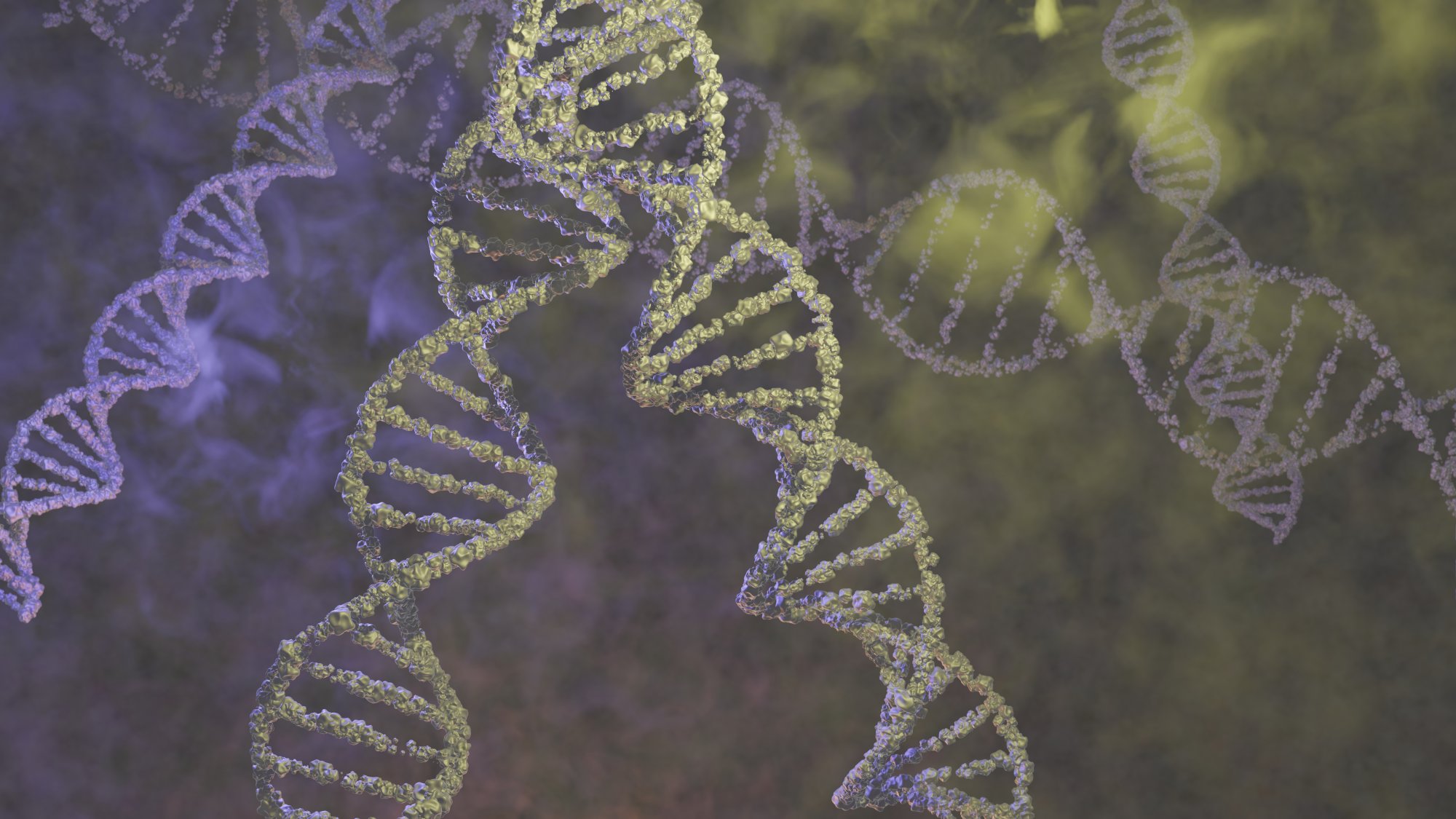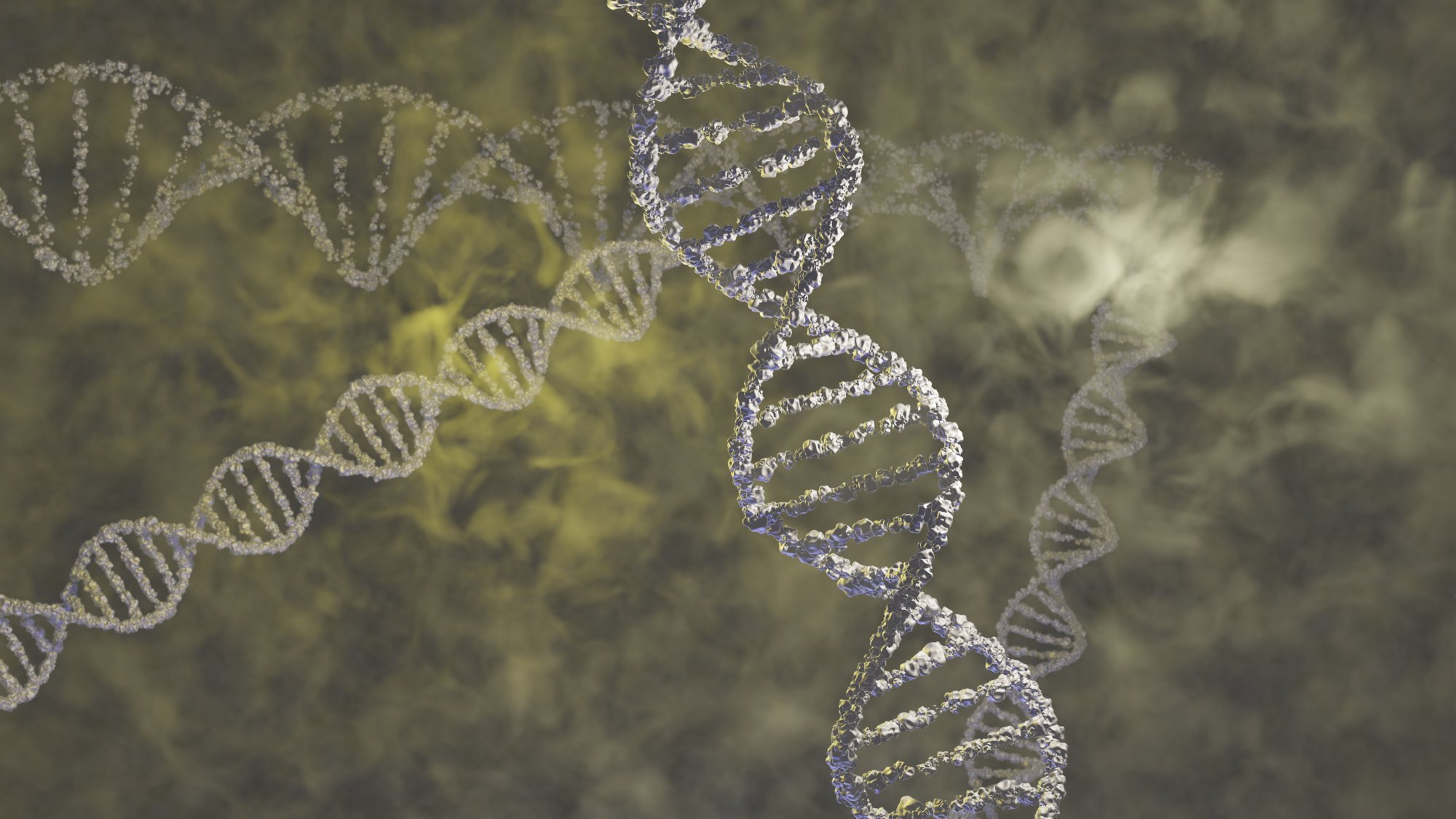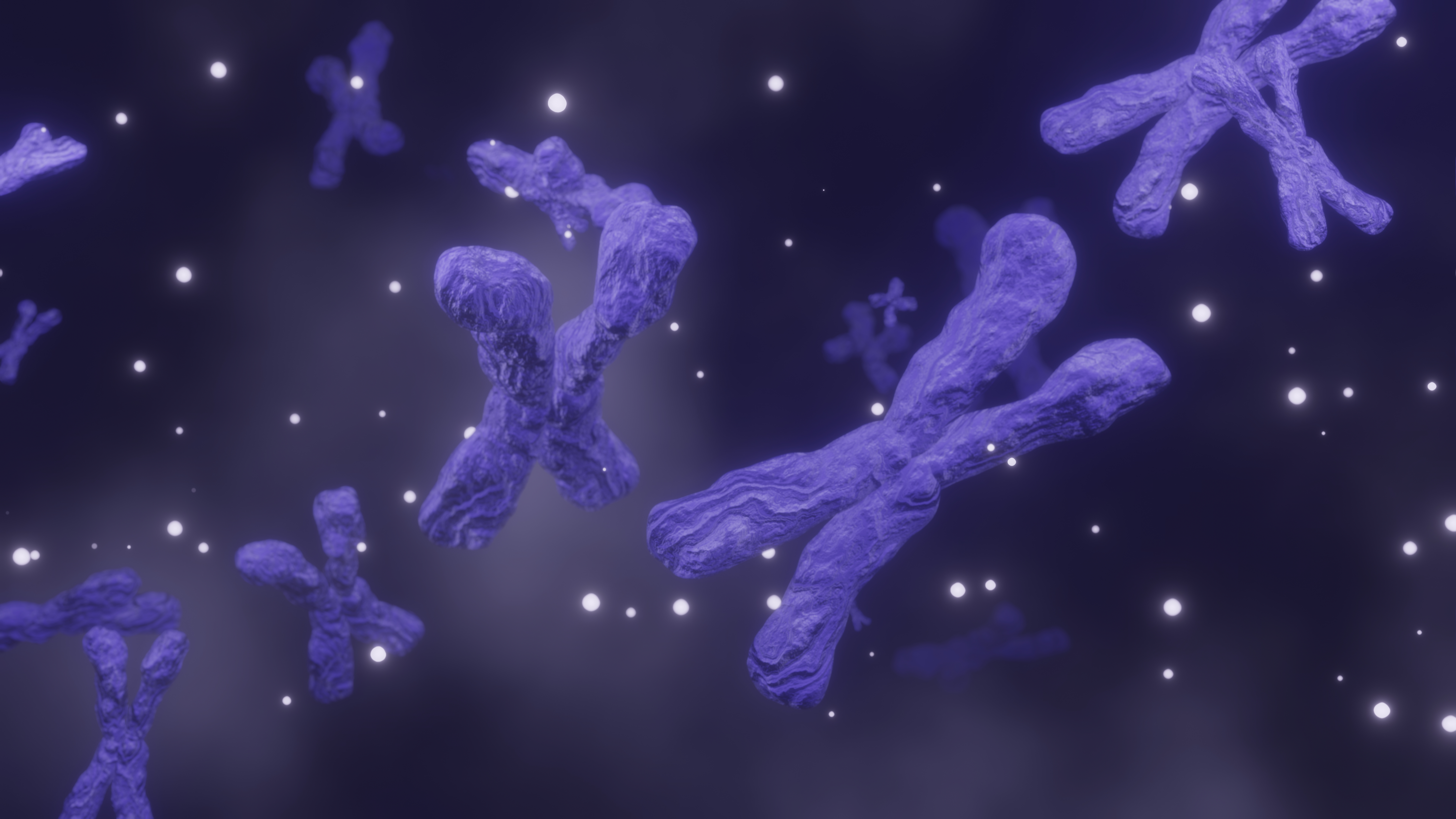
A 3D rendered depiction of the X chromosome offers a remarkably vivid way to understand one of the most influential structures inside living cells. This chromosome carries a vast collection of coded material arranged within a tightly organized DNA form. When viewed through advanced rendering, the X chromosome becomes more than a microscopic element; it transforms into a clearly recognizable structure representing lineage, traits, and inherited identity. This visual approach allows observers to appreciate how the DNA molecule winds into a compact form that fits neatly inside the nucleus, carrying instructions that guide development, growth, and biological function across many species.
The X chromosome holds extensive information that supports countless processes throughout a life cycle. The winding DNA chain contains sequences that direct how tissues form, how cellular operations maintain balance, and how characteristics pass from one generation to the next. The 3D model highlights these features by making grooves, folds, loops, and structural layers visible in a form that reflects their true complexity. Each turn of the DNA chain contributes to stability, ensuring that coded segments are protected while remaining accessible during essential activity.
Examining this chromosome in rendered form reveals how each region maintains order through a combination of structural tension and positioning. The surface appears to curve naturally, forming a shape that allows compact storage while retaining clear organization. Within these curves lie segments that hold key information tied to growth, sensory capacity, metabolic pathways, and many unique biological patterns. This clarity helps learners, researchers, and enthusiasts understand how subtle shifts within DNA may influence characteristics across families or entire populations.
The X chromosome also plays a crucial part in balancing material between individuals. Its presence influences traits related to development, reproductive systems, and various neurological functions. Visualizing this chromosome in 3D supports deeper appreciation of how one structure can influence broad biological outcomes. The rendered form allows each layer of the chromosome to be explored from multiple angles, highlighting internal density and showing how strands coil with remarkable precision. Each twist of the structure contributes to stability that supports cell function.
The DNA molecule within this chromosome carries instructions formed through countless generations. These instructions interact with environmental factors, internal signals, and cellular frameworks. Through the rendered view, observers see how these layers remain protected within the folded structure, preventing damage and securing long-term continuity. This protection ensures that traits, tendencies, and unique patterns continue forward across life cycles.
The rendered model also demonstrates how the X chromosome interacts with other chromosomes within the nucleus. Although each chromosome maintains its own shape, they work together through shared instructions that guide the formation and maintenance of tissues. This coordination becomes more understandable when seen through detailed visual representation. Observing the shape in 3D offers context for how information flows through the nucleus and influences coordinated processes across organ systems.
Beyond biological function, this rendering offers educational value by providing a clear, accessible way to explore a structure often hidden due to microscopic scale. Students can observe depth, curvature, and density that would otherwise remain abstract. Scientists can use such visualizations to illustrate how specific segments relate to hereditary traits or structural integrity. Illustrators and educators can present the chromosome in ways that inspire curiosity and understanding about inherited identity.
The X chromosome stands as one of the most recognizable forms within genetic science. A detailed 3D rendering captures its elegance, complexity, and influence with striking clarity. Through this visual approach, the chromosome becomes more than a scientific concept; it becomes a tangible representation of lineage, biological architecture, and life continuity. This perspective deepens appreciation for the delicate yet resilient nature of DNA and the profound role it plays in every living organism.