Vanadium: Properties, Features, Uses, and Physical Appearance
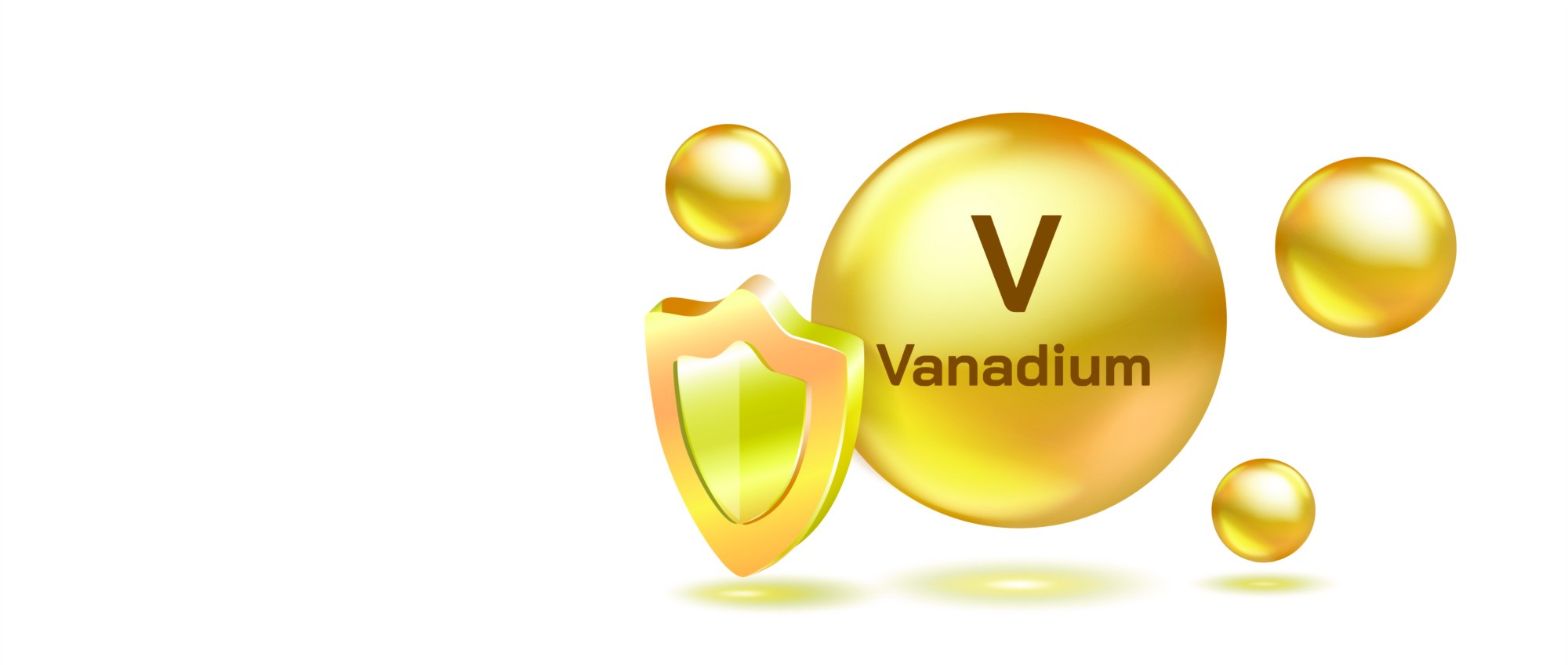
Vanadium (symbol V, atomic number 23) is a transition metal known for its strength, corrosion resistance, and versatility in chemical and industrial applications. It appears as a silvery-gray metallic element with a bright metallic luster and is moderately hard and ductile. Vanadium is widely distributed in nature, primarily found in minerals like vanadinite, carnotite, and magnetite, and can also occur in fossil fuels and crude oil residues. Its unique properties make it an essential material in modern science, engineering, and industry.
Physical and Chemical Properties:
Vanadium has a melting point of 1910°C and a boiling point of 3407°C, with a density of 6.11 g/cm³. It is resistant to corrosion in air and water due to the formation of a protective oxide layer. Chemically, vanadium exhibits multiple oxidation states, commonly +2, +3, +4, and +5, allowing it to form a variety of compounds such as vanadium pentoxide (V₂O₅). This versatility in oxidation states enables vanadium to act as a catalyst in chemical reactions and participate in redox processes.
Uses and Applications:
Alloy Production: Vanadium is extensively used to harden steel and improve strength, toughness, and wear resistance, making it vital in construction, automotive, aerospace, and tool manufacturing.
Catalysts: Vanadium compounds, particularly V₂O₅, are used as catalysts in the production of sulfuric acid, synthetic rubber, and other chemicals.
Energy Storage: Vanadium is used in vanadium redox flow batteries, which are efficient for large-scale energy storage applications, including renewable energy systems.
Aerospace and Engineering: Vanadium alloys are used in aircraft engines, jet components, and high-performance machinery due to their high strength-to-weight ratio.
Medical Research: Vanadium compounds have potential roles in diabetes research and therapeutic applications, although clinical use is limited and under study.
Key Features:
High corrosion resistance
Multiple oxidation states (+2, +3, +4, +5)
Forms strong alloys with steel
Bright metallic appearance with ductility and toughness
Efficient catalyst in industrial chemical processes
Appearance:
Vanadium exhibits a silvery-gray metallic color with a shiny surface when freshly cut. It is hard and slightly brittle in its pure form but becomes ductile when alloyed. Oxidized vanadium may appear darker due to surface oxides, which protect it from corrosion.
Significance:
Vanadium is an essential transition metal in modern metallurgy, chemical industries, energy storage technologies, and research. Its combination of strength, corrosion resistance, and chemical versatility makes it invaluable for technological advancement and industrial applications. Understanding vanadium’s properties, appearance, and uses is crucial for materials science, chemical engineering, and industrial chemistry studies.