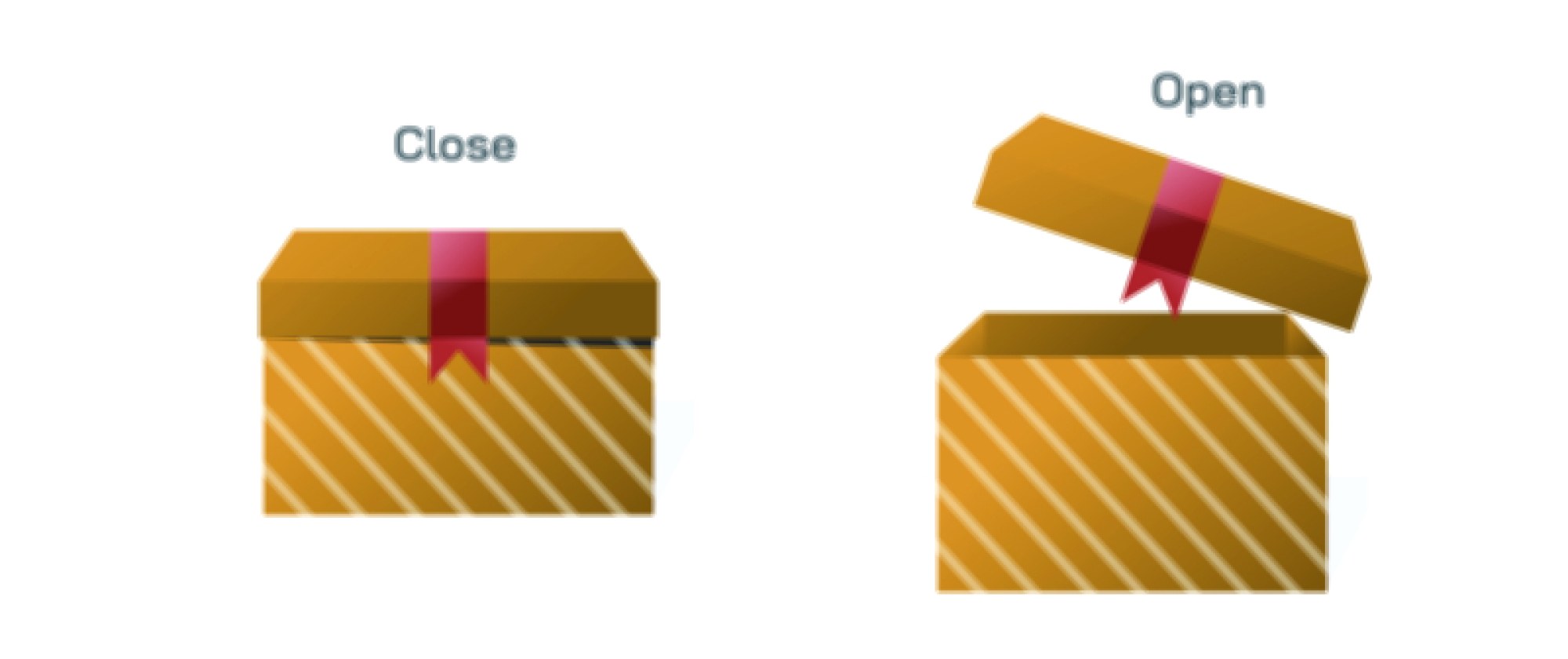
Difference Between “In,” “On,” “Next to,” “Beside,” and “Under” Vector Illustration for English Language Learners
Prepositions are fundamental in English grammar, as they indicate spatial relationships, position, and direction. For English language learners, understanding the subtle differences between prepositions such as in, on, next to, beside, and under is critical for proper sentence construction and communication. A vector illustration of these prepositions typically depicts clear spatial arrangements of objects in relation to a reference point, using labeled diagrams to demonstrate the distinct meaning of each term. By combining visual cues, arrows, and comparative layouts, such illustrations help learners grasp abstract concepts in a tangible, intuitive manner.
At the center of the illustration is a reference object, often depicted as a simple geometric shape, such as a box, table, or chair. Surrounding this object, smaller objects—commonly a ball, book, or cup—are positioned differently to visually explain each preposition. This clear spatial visualization allows learners to associate the preposition with the relative location of the smaller object in relation to the reference object. Color coding, shading, or outlines may be used to emphasize the positioning, while arrows can indicate movement or placement when necessary.
“In” is used to indicate that an object is inside a container or enclosed space. In vector illustrations, a ball inside a box or a cup filled with water can clearly demonstrate this concept. The reference container is depicted with walls or boundaries, and the ball is drawn entirely within the boundaries, showing complete enclosure. Labels like “The ball is in the box” reinforce the meaning, while arrows can indicate the direction of placement if the diagram shows the action of putting the ball into the box.
“On” denotes that an object is in contact with and supported by a surface. A vector illustration may depict a book lying flat on a table or a cup on a shelf. The object is entirely above the reference surface, making contact at the bottom but not enclosed. Arrows may indicate placement or stability, and shading can highlight the point of contact. Labels such as “The book is on the table” help learners link the visual depiction with proper prepositional usage.
“Next to” and “Beside” are closely related, both indicating that an object is adjacent to another object, typically at the same level. In a vector illustration, two boxes, chairs, or cups are positioned side by side, separated by a small gap, emphasizing proximity. Labels may read “The chair is next to the table” or “The cup is beside the plate,” illustrating that these prepositions are often interchangeable. Arrows or connecting lines can highlight adjacency and indicate that the objects are aligned horizontally or parallel, reinforcing spatial comprehension. Small variations, such as using “next to” to emphasize sequence or “beside” for lateral alignment, may also be noted in annotations to clarify subtle differences in usage.
“Under” refers to an object positioned below a reference object, often covered or partially obscured by it. A vector diagram might show a ball underneath a chair or a cat hiding under a table. The object is visually placed beneath the reference object, with arrows indicating vertical positioning. Shading or perspective can emphasize the relative height difference, and labels such as “The ball is under the chair” reinforce the prepositional meaning. This clearly distinguishes “under” from “in” and “on,” providing a strong visual context for learners.
Vector illustrations often combine all five prepositions in a single diagram for comparative learning. For instance, a box may be used as a central reference, with objects placed inside it (in), on top of it (on), adjacent to it (next to/beside), and beneath it (under). Color-coded objects, labels, and arrows ensure clarity, allowing learners to simultaneously see and understand the spatial relationships conveyed by each preposition. Comparative panels may also include side-by-side examples with textual descriptions, reinforcing recognition and usage patterns.
Additional features in vector diagrams may include action-based examples, showing objects being moved into, onto, beside, or under a reference point. Arrows illustrating movement can help learners understand dynamic placement as well as static position. Labels can include short sentences that contextualize the preposition in everyday scenarios, such as “The cat is in the basket” or “The shoes are under the bed,” providing practical and relatable examples.
By integrating reference objects, visual positioning, arrows, color coding, and clear labeling, a vector illustration of “in,” “on,” “next to,” “beside,” and “under” provides English language learners with a tangible understanding of spatial prepositions. It clarifies subtle differences between adjacent prepositions, reinforces sentence construction, and connects abstract linguistic concepts to real-world contexts. Comparative layouts and side-by-side positioning ensure learners can easily differentiate and recall proper usage.
Ultimately, a vector illustration of these prepositions demonstrates the relationship between objects in space, making abstract grammar concepts visually accessible. By combining multiple examples, clear labeling, and spatial cues, the diagram transforms theoretical definitions into an intuitive, interactive learning tool, helping learners effectively internalize the correct application of “in,” “on,” “next to,” “beside,” and “under” in everyday English communication.