Vitamin B12 (Cobalamin) — Benefits, Sources, and Functions in the Body
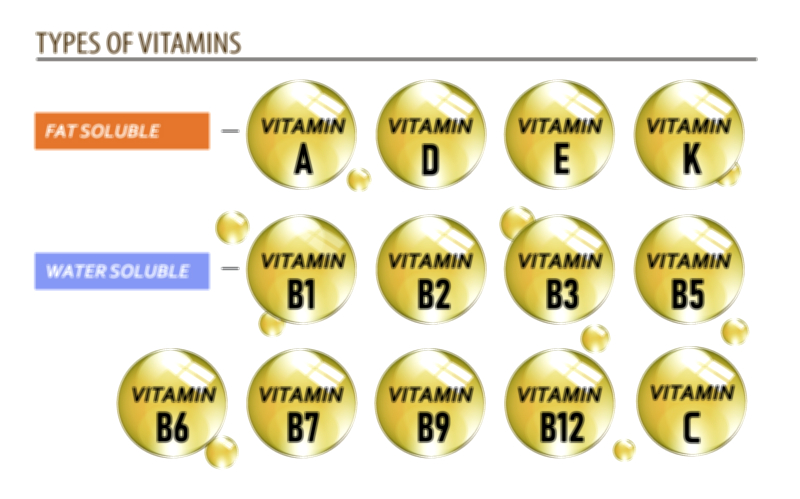
Vitamin B12, also known as cobalamin, is a water-soluble vitamin crucial for maintaining overall health, particularly in supporting red blood cell production, nervous system function, and DNA synthesis. It is a vital nutrient that works alongside other B-complex vitamins to support energy metabolism and maintain healthy cellular functions throughout the body.
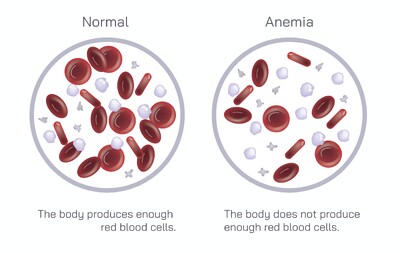
The primary sources of vitamin B12 are animal-based foods, including meat, fish, poultry, eggs, and dairy products, which contain active cobalamin forms. Certain fortified plant-based foods and supplements can provide B12 for vegetarians and vegans. Vitamin B12 absorption requires intrinsic factor, a protein secreted in the stomach, making digestive health important for maintaining adequate levels. Deficiency in vitamin B12 can lead to megaloblastic anemia, fatigue, nerve damage, memory impairment, and mood disturbances, emphasizing its essential role in both hematologic and neurological health.
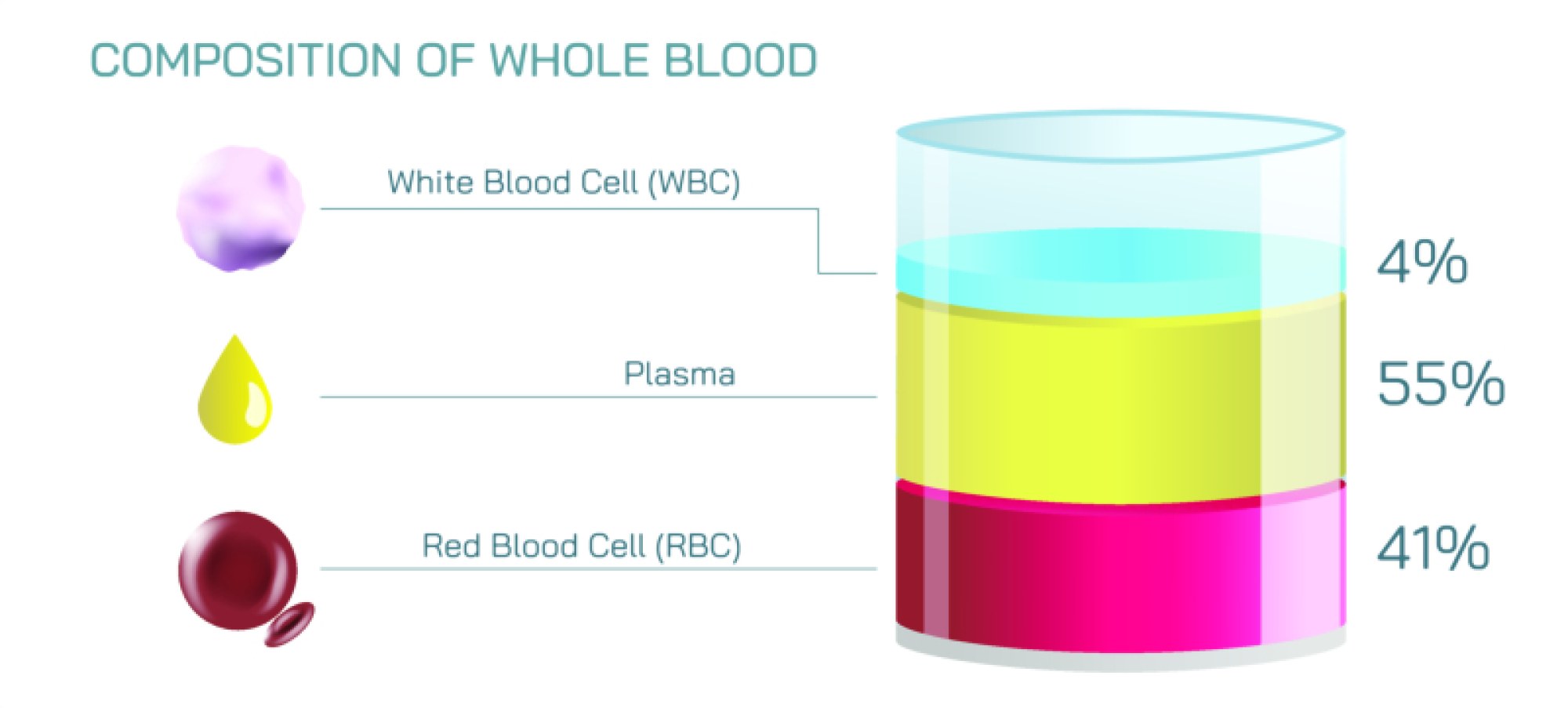
Vitamin B12 participates in red blood cell formation, ensuring proper oxygen transport throughout the body. It is also critical for nervous system function, supporting the maintenance of myelin sheaths that protect nerve fibers. Additionally, B12 plays a role in DNA synthesis and cellular metabolism, contributing to tissue growth, repair, and overall energy production. Supplementation may be required in individuals with malabsorption issues, strict vegetarian diets, or age-related declines in intrinsic factor production.
Different forms of B12, including methylcobalamin and cyanocobalamin, are used in dietary supplements, each offering specific advantages for absorption and neurological support. Ensuring adequate intake of vitamin B12 contributes to healthy brain function, stable mood, proper blood cell production, and efficient metabolism, supporting overall well-being and vitality.
In conclusion, Vitamin B12 (cobalamin) is a critical nutrient that supports red blood cell formation, nervous system health, DNA synthesis, and energy metabolism. Obtained primarily from animal-based foods, B12 is essential for preventing anemia, neurological dysfunction, and fatigue. Maintaining optimal B12 levels through diet or supplementation ensures proper cellular function, metabolic efficiency, and long-term health.