Human Body Fat — Understanding the Implications of Under 20% and Above 30% Fat Levels
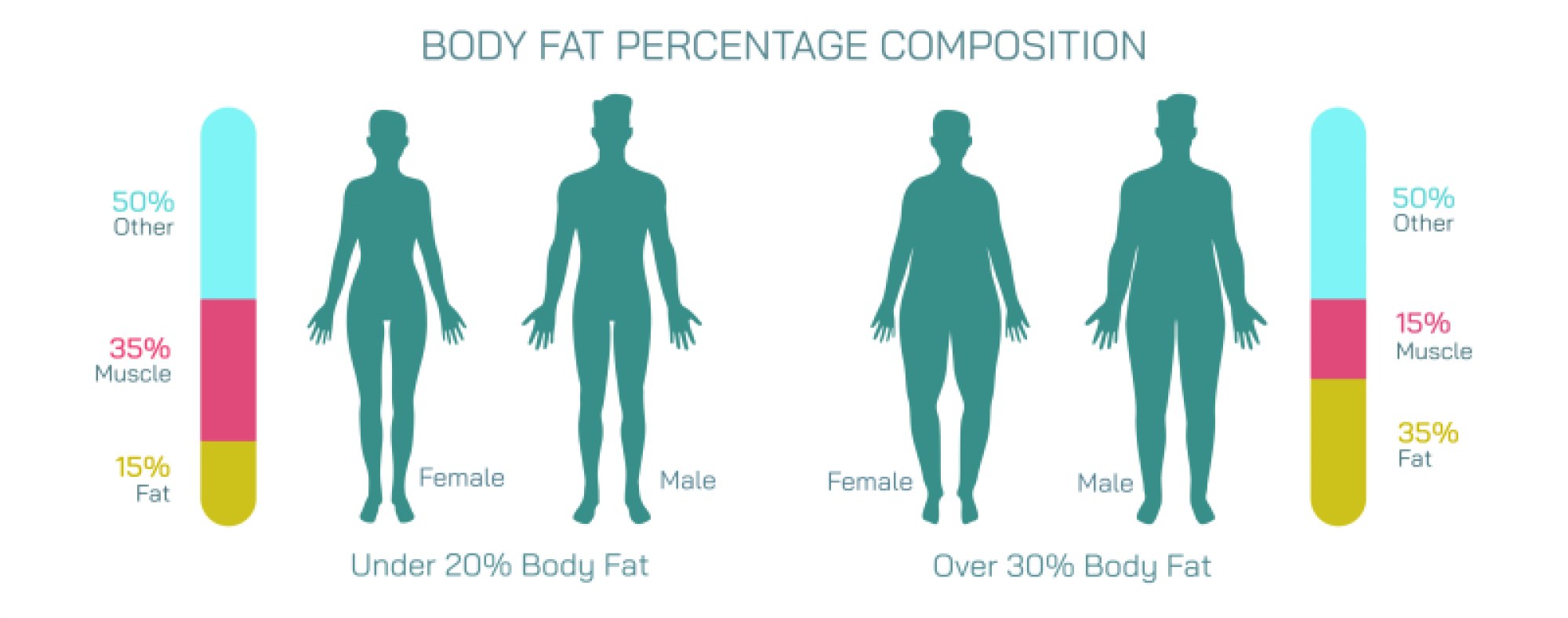
Human body fat is a critical component of overall health, serving as energy storage, insulation, and protection for organs. Body fat percentage is the proportion of fat mass compared to total body weight, and maintaining an appropriate level is vital for physical and metabolic health. Both extremes—body fat under 20% and above 30%—have distinct effects on the human body, requiring careful attention.
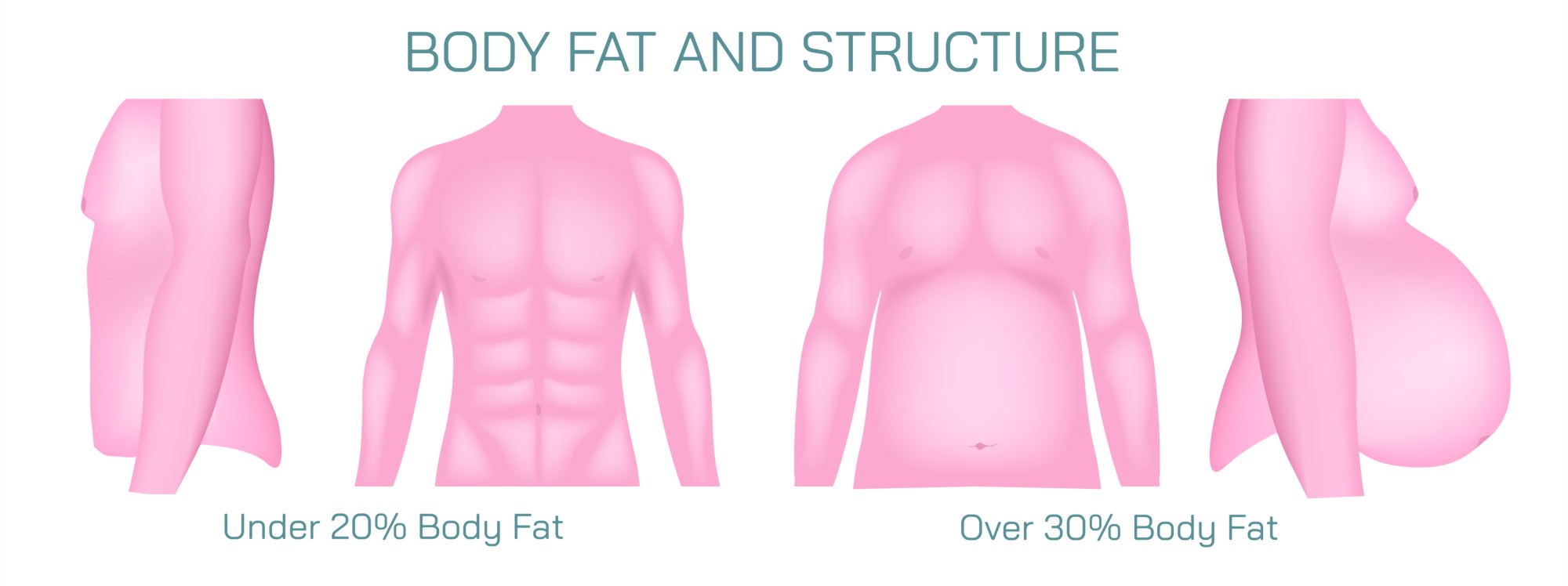
For men and women, having body fat under 20% typically reflects a lean physique, often associated with athletes or highly active individuals. While lower fat levels can enhance physical performance, too little fat may lead to hormonal imbalances, reduced immune function, and increased risk of injury. Women especially require a minimum level of body fat for reproductive health. Achieving and maintaining fat under 20% involves a combination of balanced nutrition, strength training, cardiovascular exercise, and monitoring overall energy intake.
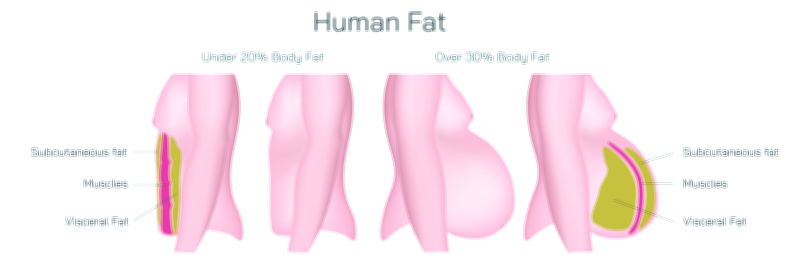
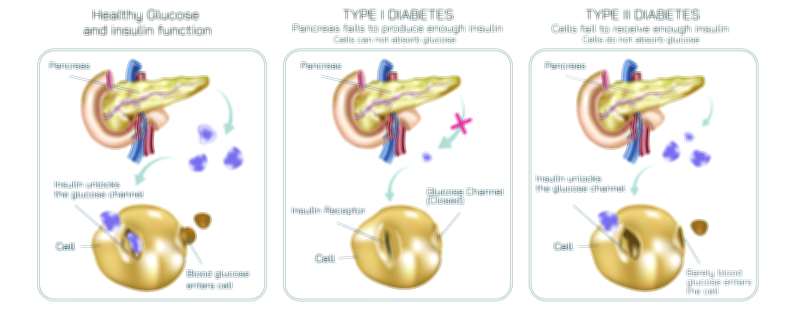
Conversely, body fat above 30% generally indicates higher fat accumulation, often linked to sedentary lifestyle, poor nutrition, or metabolic disorders. Elevated fat percentages increase the risk of cardiovascular diseases, type 2 diabetes, joint problems, and other health complications. Visceral fat around the abdominal area is particularly dangerous, impacting organ function and contributing to chronic inflammation. Reducing body fat above 30% involves structured dietary plans, regular physical activity, and consistent monitoring of body composition rather than focusing solely on weight.
Measuring body fat accurately can be done using methods such as bioelectrical impedance, skinfold calipers, DEXA scans, or hydrostatic weighing. Understanding these levels helps individuals tailor lifestyle changes to maintain an optimal range that supports health, fitness, and longevity. Maintaining moderate fat levels ensures sufficient energy reserves, proper hormonal function, and protection of vital organs.
In conclusion, human body fat under 20% and above 30% represents two extremes with specific health implications. Lean body fat promotes athletic performance and energy efficiency, whereas higher body fat increases risks of chronic illnesses. Awareness, accurate measurement, and lifestyle strategies are essential to achieve a balanced body composition, supporting physical fitness, metabolic health, and overall well-being. Proper management of body fat is a lifelong commitment that integrates nutrition, exercise, and health education, ensuring sustainable benefits for both body and mind.