Normal Breathing, Asthma Episode, and Asthma Emergency — Airflow Changes and Physiological Responses
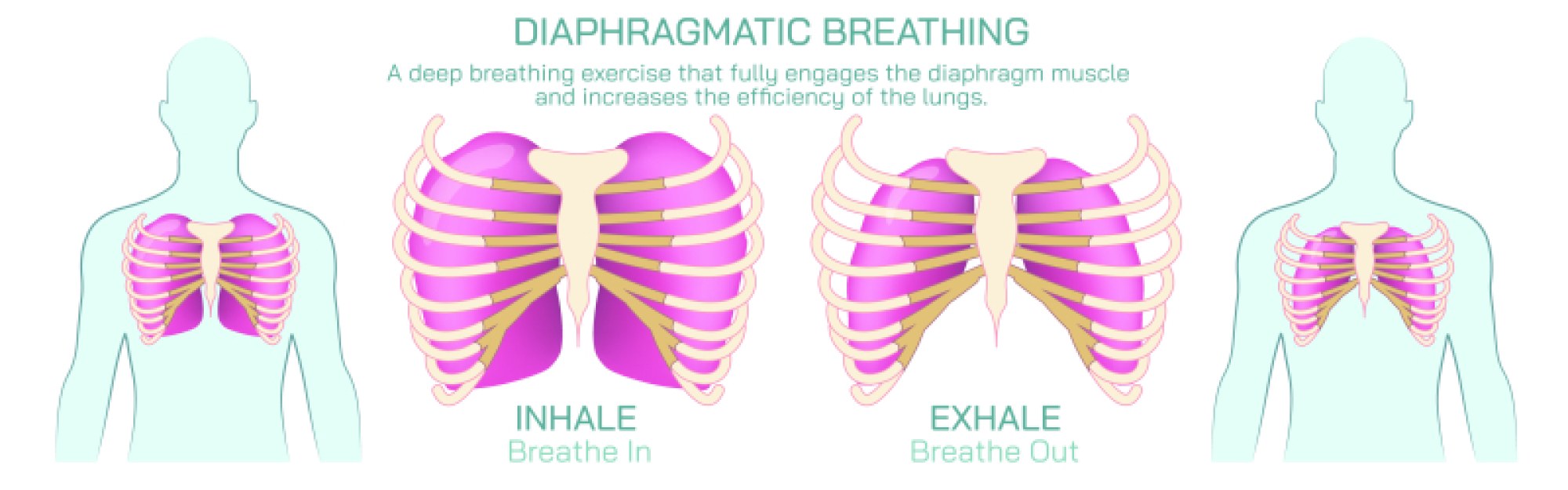
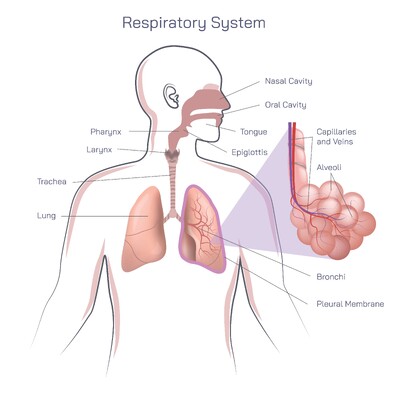
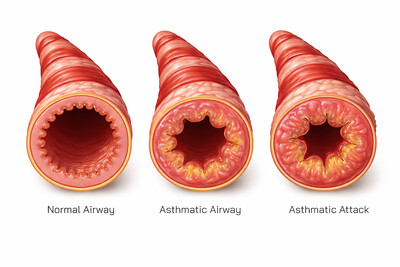
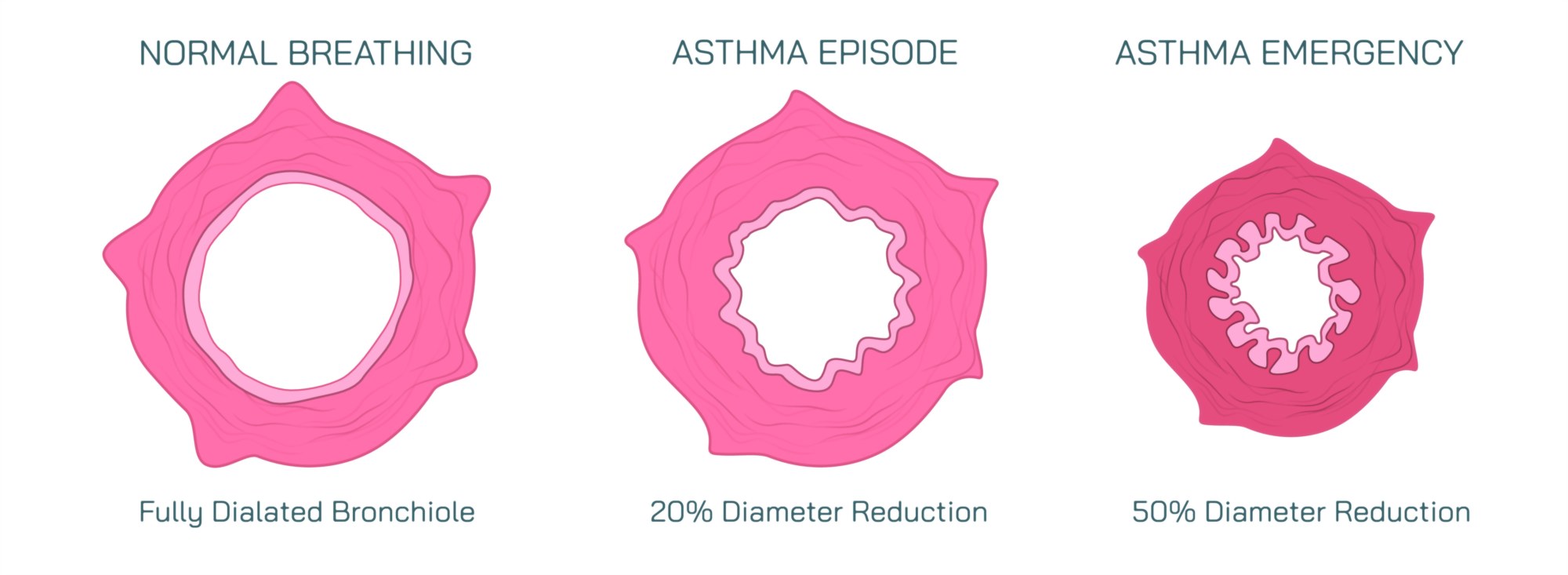
Normal breathing occurs when air moves freely through open airways while the body maintains steady rhythm and pressure. During this state, the chest expands smoothly, the lungs fill without resistance, and oxygen travels easily into surrounding tissues. The movement remains balanced because muscles supporting the chest work with minimal effort. This calm function keeps the body supplied with what it needs for comfortable activity, rest, and general wellness. The pathways remain relaxed, allowing air to pass without noticeable strain.
During an asthma episode, the situation shifts as the airways begin reacting to irritants or triggers. The inner lining may swell, and the muscles around the pathways tighten, changing how easily air can pass. These adjustments limit movement and require more effort from the chest. The person may feel pressure, shorter breaths, or a need to work harder to maintain normal rhythm. Although air still moves, the resistance introduces discomfort and reduces smooth airflow. This stage often develops gradually, giving early signals such as mild chest tension or an uneven cycle.
In an asthma emergency, the airway reaction becomes much more intense. Swelling increases, the airway passage narrows further, and the muscles tighten significantly. Air struggles to move in or out, and chest effort rises sharply. Breathing may become rapid, shallow, or uneven as the body attempts to meet oxygen needs. The person may feel severe tightness, strong strain, or increasing difficulty in completing each breath. If the condition continues, airflow can drop to a point where vital functions become affected and immediate medical support becomes necessary.
By observing these three states—normal breathing, episode development, and emergency reaction—it becomes clear how airway changes influence airflow, chest performance, and oxygen availability. Understanding the progression helps identify early signs, promote safe responses, and support effective care when symptoms intensify.