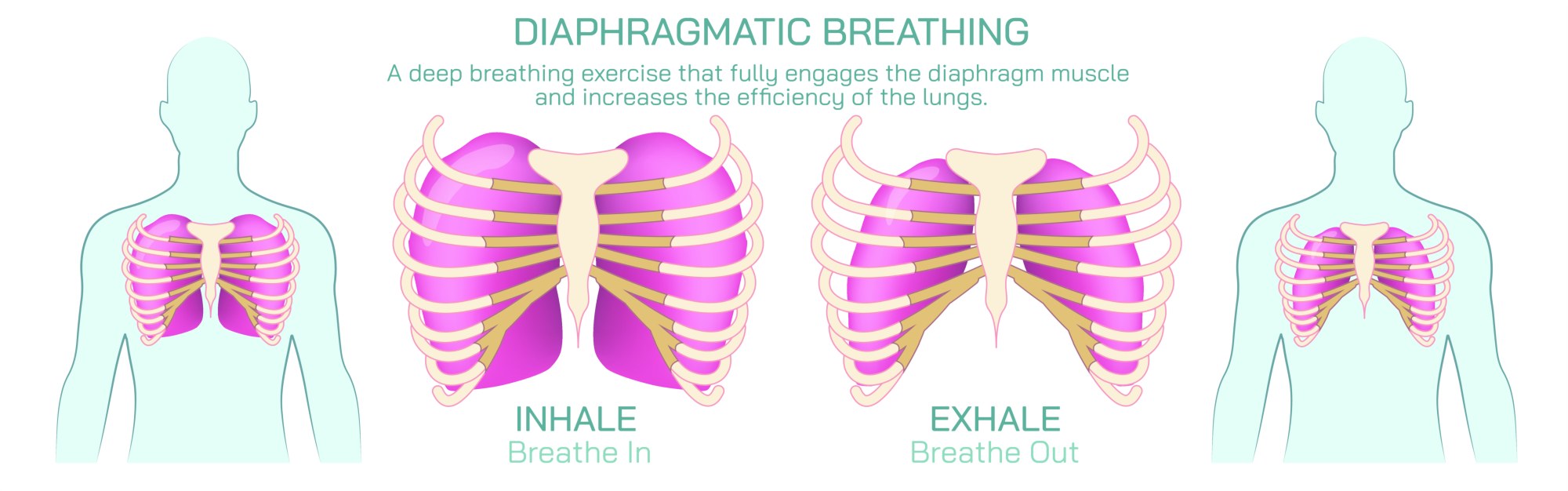
Detailed Guide to Diaphragmatic Breathing and Its Core Physiological Benefits
Diaphragmatic breathing is a foundational approach that teaches the body to draw air through the lower region of the torso rather than relying on shallow upper movement. This method encourages smoother air intake, fuller expansion, and a steady rhythm that supports both mental and physical balance. Instead of lifting the upper area during each cycle, the technique focuses on guided expansion below, helping learners shift toward a more natural and efficient breathing pattern.
As the lower region expands, the body enters a calmer state. This deeper motion reduces surface tension, slows internal pacing, and helps distribute air more evenly. Practitioners often notice improved clarity, enhanced concentration, and reduced strain during daily tasks. The stable cycle produced by this method also decreases fatigue, making it easier to maintain focus during study, work, or meditation sessions.
Another advantage of this technique is the smooth coordination it builds between posture and breath. Engaging deeper layers supports structural alignment, increases oxygen efficiency, and allows the body to respond more effectively to stress. By guiding attention toward stable movement and gentle expansion, the practice becomes a tool for improving emotional steadiness, reducing internal pressure, and promoting overall wellness.
With consistent practice, diaphragmatic breathing transforms into a dependable routine for maintaining balance throughout the day. Each session strengthens internal awareness, supports calm responses, and enhances endurance across physical, creative, and cognitive activities. This technique empowers individuals to manage tension with greater ease and build a calmer, clearer daily experience.