Plumbing is a fundamental system that supports modern civilization by ensuring the safe delivery of clean water and the efficient removal of wastewater. Although often hidden behind walls and beneath floors, plumbing plays a vital role in everyday life, influencing health, comfort, sanitation, and overall quality of living. Without plumbing, basic activities such as drinking water, cooking, bathing, cleaning, and waste disposal would become difficult, unsafe, and unsanitary. Understanding what plumbing is and why it is important highlights its essential contribution to homes, communities, and public health systems.
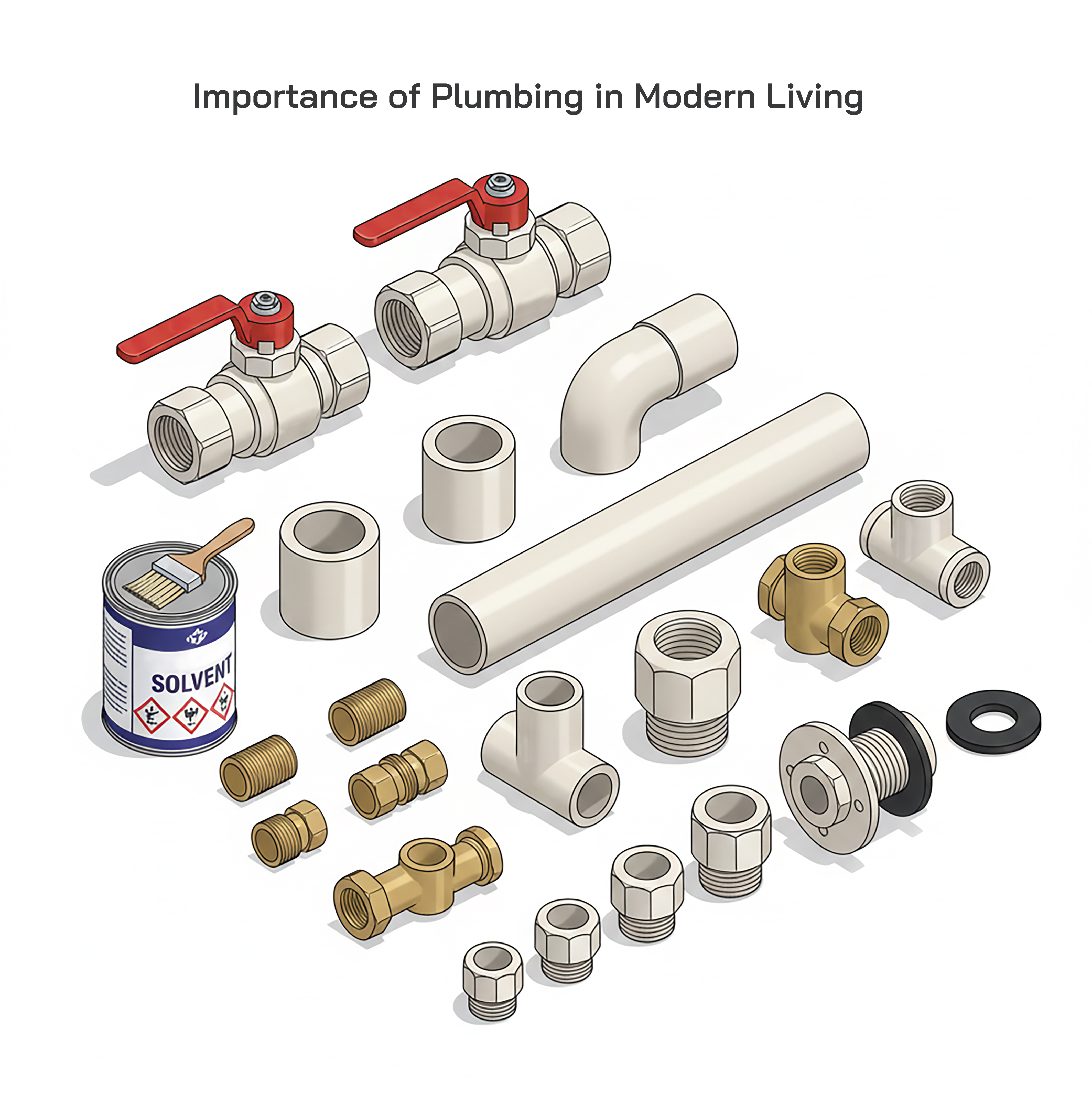
Plumbing can be defined as the system of pipes, fixtures, fittings, valves, and related components installed in buildings to supply water and remove liquid waste. A typical plumbing system includes two main networks: the water supply system and the drainage system. The water supply system delivers clean, potable water from a source to various points of use, while the drainage system safely carries wastewater away from the building to treatment facilities or disposal areas. Together, these systems ensure that water is available when needed and that waste does not accumulate within living spaces.
The water supply portion of plumbing is designed to deliver water under controlled pressure to sinks, showers, toilets, washing machines, and other fixtures. This system relies on a network of pipes that transport water from municipal sources, storage tanks, or wells into buildings. Proper pressure regulation is essential to ensure consistent water flow without damaging pipes or fixtures. Plumbing materials are selected to prevent contamination and maintain water quality, ensuring that the water reaching users is safe for drinking and household use.
The drainage system is equally important, as it removes wastewater and sewage from buildings. This system uses gravity and carefully designed pipe slopes to guide waste away from fixtures and into sewer lines or septic systems. Drainage pipes are connected to vents that allow air to circulate, preventing pressure buildup and ensuring smooth flow. By safely transporting waste away from living areas, plumbing protects occupants from exposure to harmful bacteria, unpleasant odors, and potential disease.
One of the most significant reasons plumbing is important is its role in protecting public health. Clean water access is essential for hydration, food preparation, personal hygiene, and cleaning. Without a reliable plumbing system, waterborne diseases could spread rapidly due to contaminated water sources and poor sanitation. Proper plumbing prevents cross-contamination between clean water and wastewater, reducing the risk of illness and supporting healthier communities.
Plumbing also plays a crucial role in maintaining hygiene. Facilities such as toilets, sinks, showers, and drains allow people to maintain cleanliness and personal comfort. Effective plumbing ensures that wastewater is removed immediately after use, preventing the buildup of harmful substances within homes and buildings. This contributes to a clean living environment and helps control the spread of germs and infections.
In addition to health and hygiene, plumbing is essential for safety and convenience. Modern plumbing systems include features that prevent leaks, manage pressure, and control water temperature. These features protect buildings from water damage, reduce the risk of accidents, and enhance user comfort. Proper plumbing installation and maintenance help prevent issues such as pipe bursts, flooding, and mold growth, which can compromise structural integrity and indoor air quality.
Plumbing is also a key component of urban development and infrastructure. Cities and towns rely on extensive plumbing networks to distribute water and manage wastewater on a large scale. These systems support residential areas, commercial buildings, hospitals, schools, and industrial facilities. Without effective plumbing infrastructure, urban environments would struggle to function efficiently and sustainably.
From an environmental perspective, plumbing contributes to responsible water management. Efficient plumbing systems help reduce water waste through controlled flow, leak detection, and modern fixtures designed to conserve water. Proper wastewater treatment prevents pollution of natural water bodies, protecting ecosystems and preserving water resources for future generations. Sustainable plumbing practices support environmental protection while meeting human needs.
The importance of plumbing extends into economic and social aspects as well. The plumbing industry provides employment opportunities and supports construction, maintenance, and repair services. Reliable plumbing systems increase property value and improve living standards, making buildings more functional and desirable. In commercial and industrial settings, plumbing enables operations such as food preparation, manufacturing, healthcare services, and sanitation compliance.
Plumbing systems must be designed, installed, and maintained correctly to function effectively. Professional plumbing design ensures proper pipe sizing, material selection, and layout. Regular maintenance helps identify potential issues before they become serious problems. Preventive care, such as checking for leaks and ensuring proper drainage, extends the lifespan of plumbing systems and reduces repair costs.
Plumbing is one of the most critical yet often overlooked foundations of modern civilization. It is the hidden network that allows societies to function safely, hygienically, and efficiently by managing water in all its essential roles. From delivering clean drinking water to removing wastewater and sewage, plumbing underpins public health, urban development, environmental protection, and everyday comfort. A deeper exploration of plumbing reveals that it is not merely a technical system of pipes and fittings, but a vital life-support infrastructure that shapes human health, safety, and progress.
At its core, plumbing is the engineered system that controls the movement of water within buildings and communities. It encompasses pipes, joints, valves, fixtures, storage units, and drainage pathways that work together to supply fresh water and remove used water. These systems are carefully designed to operate under pressure, gravity, and ventilation principles to ensure reliability and safety. Modern plumbing systems are divided into multiple interconnected subsystems, each with a specific function that contributes to overall efficiency and hygiene.
The water supply system is responsible for delivering clean, potable water to every point of use. This includes drinking water for consumption, water for cooking, bathing, cleaning, and sanitation. Water must arrive at fixtures at the correct pressure and flow rate to ensure convenience without damaging pipes or appliances. Plumbing design ensures that water moves smoothly through pipes without stagnation, which could otherwise lead to bacterial growth or contamination. Materials used in water supply systems are carefully selected to maintain water purity and prevent chemical reactions that could affect taste or safety.
Equally important is the drainage and waste removal system. This part of plumbing ensures that wastewater, sewage, and used water are transported away from living spaces quickly and safely. Drainage systems rely primarily on gravity, which means pipes must be installed at precise angles to maintain continuous flow. Venting systems are integrated to allow air to enter pipes, preventing vacuum formation and ensuring smooth drainage. Without proper venting, wastewater flow could be disrupted, leading to slow drains, foul odors, or even health hazards.
One of the greatest contributions of plumbing is its role in protecting public health. Before modern plumbing, human waste was often disposed of improperly, leading to widespread outbreaks of disease. Contaminated water sources caused illnesses that spread rapidly through populations. The development of organized plumbing systems dramatically reduced the incidence of waterborne diseases by separating clean water from waste. Safe plumbing systems prevent cross-contamination, ensuring that drinking water remains uncontaminated by sewage or harmful microorganisms.
Hygiene is another fundamental benefit of plumbing. Access to running water and proper sanitation facilities allows individuals to maintain personal cleanliness, which is essential for preventing the spread of infections. Toilets, sinks, showers, and drains enable immediate removal of waste and dirt from living spaces. This continuous removal of contaminants contributes to healthier homes, workplaces, and public environments. In healthcare settings, effective plumbing is especially critical, as sanitation and sterile conditions are essential for patient safety.
Plumbing also plays a vital role in building safety and structural integrity. Water, if uncontrolled, can cause extensive damage to buildings. Leaks, bursts, and poor drainage can weaken foundations, damage walls, promote mold growth, and compromise indoor air quality. Proper plumbing design includes safeguards such as pressure regulation, durable materials, and isolation valves that allow sections of the system to be shut off when needed. These features protect both property and occupants from costly and dangerous damage.
In urban environments, plumbing systems form the backbone of infrastructure. Cities depend on extensive water distribution and sewage networks to support dense populations. Residential buildings, commercial complexes, educational institutions, hospitals, and industries all rely on plumbing to function. Large-scale plumbing infrastructure enables fire protection systems, public sanitation facilities, and industrial processes. Without these systems, urban life would become unsustainable due to health risks and logistical challenges.
Environmental protection is another key aspect of plumbing. Modern plumbing systems are designed to manage water responsibly by reducing waste and preventing pollution. Water-efficient fixtures, leak-detection technologies, and controlled flow systems help conserve water resources. Wastewater treatment processes connected to plumbing systems ensure that sewage is treated before being released back into the environment, protecting rivers, lakes, and groundwater from contamination. Sustainable plumbing practices play an important role in preserving ecosystems and ensuring long-term water availability.
The importance of plumbing extends into economic and social dimensions. Reliable plumbing systems enhance property value and make buildings more functional and desirable. Construction, installation, maintenance, and repair of plumbing systems create employment opportunities and support a wide range of industries. In commercial and industrial settings, plumbing enables essential operations such as food processing, manufacturing, hospitality, and healthcare services. A failure in plumbing can disrupt businesses, cause financial losses, and compromise safety standards.
Plumbing has also evolved significantly over time. Ancient civilizations developed early plumbing systems using clay pipes, stone channels, and rudimentary drainage methods. Modern plumbing has advanced through improved materials, scientific understanding of fluid dynamics, and stricter health regulations. Today’s systems use durable materials designed for longevity and safety, combined with precise engineering to maximize efficiency. Ongoing innovation continues to improve water conservation, system durability, and ease of maintenance.
Proper design, installation, and maintenance are essential for plumbing systems to perform effectively. Poorly designed systems can lead to frequent failures, water waste, and health risks. Regular inspections, timely repairs, and preventive maintenance help extend system lifespan and reduce long-term costs. Professional expertise ensures that plumbing systems comply with safety standards and function reliably under varying conditions.
In summary, plumbing is far more than a convenience; it is a fundamental necessity that supports health, hygiene, safety, and modern living. By delivering clean water, removing waste, protecting the environment, and enabling urban development, plumbing systems form the backbone of civilized society. Their impact touches every aspect of daily life, from personal comfort to public health and economic stability. Understanding the depth and importance of plumbing highlights why it remains one of the most essential and transformative systems in human history. Plumbing is the essential system that delivers clean water and removes wastewater, supporting health, hygiene, safety, and comfort in daily life. Its importance lies in protecting public health, enabling sanitation, supporting modern infrastructure, and promoting environmental sustainability. Though often unnoticed, plumbing is a cornerstone of civilized living, making it one of the most critical yet underappreciated systems in homes and communities.