Private Property Security — No Trespassing Sign Design
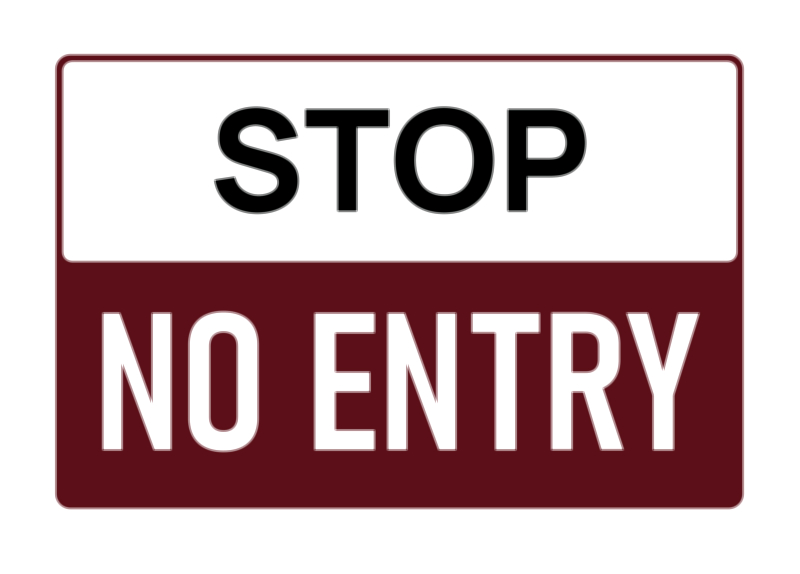
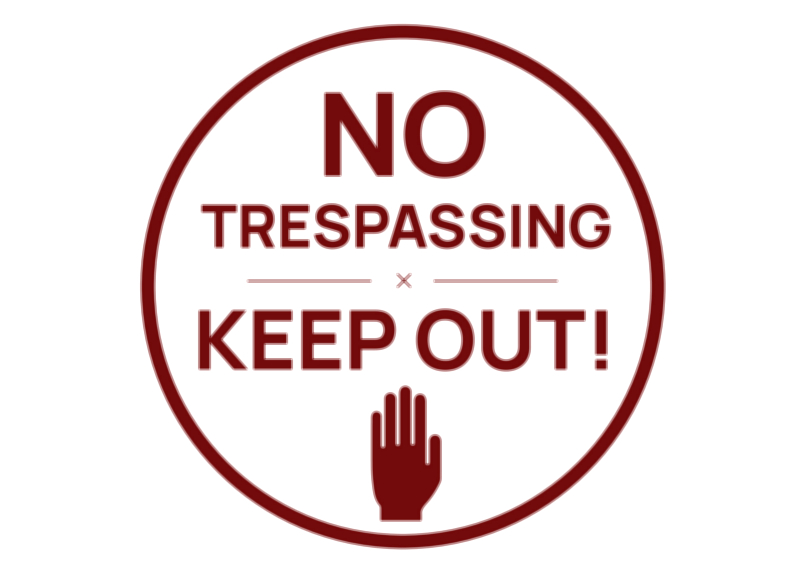
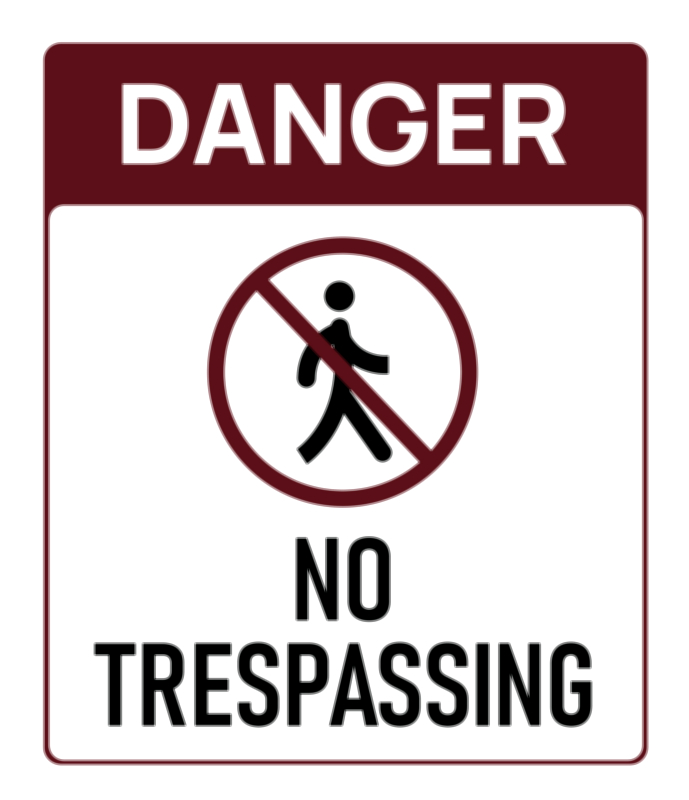
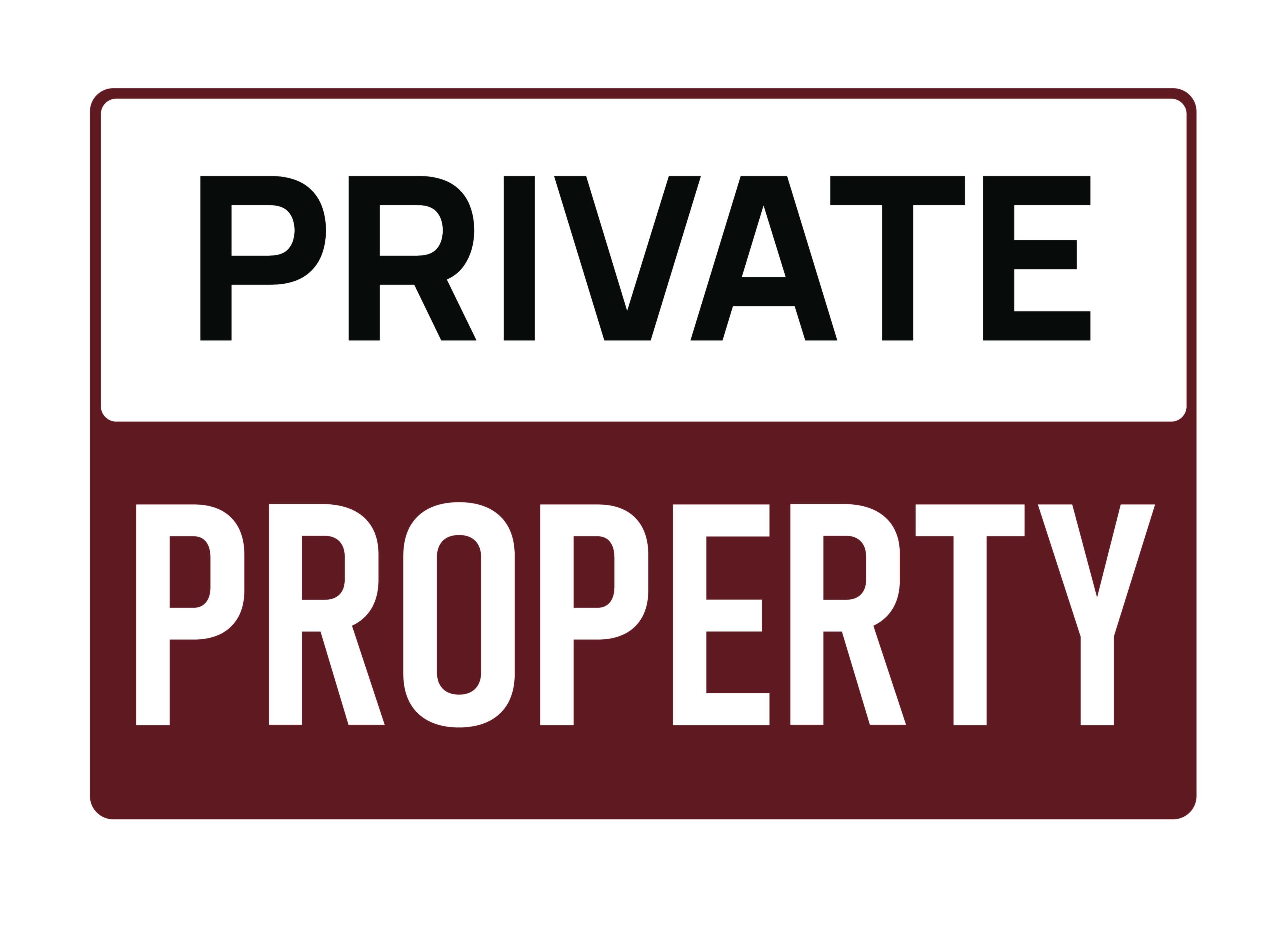
A Private Property Security — No Trespassing sign design, especially when illustrated in a crisp vector format with bold lettering and instantly recognizable warning icons such as a stop hand, surveillance camera, caution symbol, or barred-entry circle, stands as one of the strongest forms of communicated boundary protection. Although visually minimal, the sign carries enormous authority by announcing that the premises belong to a private owner and that entry without permission is strictly forbidden. The message is not just about restriction — it represents legal ownership, personal security, safety responsibility, behavioral control, and a deterrent against trespassing or unlawful activity. The words Private Property establish the space as exclusive to the owner, and No Trespassing warns that unauthorized access is prohibited rather than discouraged. The sign becomes a silent guardian of the boundary, ensuring that privacy, safety, and peace are protected not through confrontation or physical obstruction, but through clear and unambiguous communication visible to everyone approaching the area.
The purpose of the sign emerges from the way physical spaces are interpreted by people. When a gate or driveway is open, when a property has no fencing, or when a structure appears unused, outsiders may assume that walking in causes no harm. Trespassing often begins unintentionally — a passerby cuts across a yard to take a shortcut, a curious teenager explores a place that looks abandoned, a visitor mistakes a private entrance for a public pathway, or tourists unknowingly step onto farmland thinking it is a hiking trail. Many of these acts are not malicious but accidental, rooted in uncertainty about boundaries. The Private Property Security — No Trespassing sign eliminates that uncertainty before intrusion happens. Instead of forcing property owners to confront unfamiliar individuals personally, the sign warns in advance and prevents misunderstanding. It acts as both a shield and a guide: a shield protecting land from unwelcome access and a guide preventing outsiders from stepping into a place where they are not expected or permitted. It resolves the conflict before it exists because it informs people at the critical moment — the moment before entry.
Safety is one of the strongest motivations behind the sign’s installation. Private properties contain risks that are not always visible to outsiders. A yard that appears peaceful may have a territorial guard dog that responds aggressively to strangers. A storage shed may house tools, sharp objects, or chemicals unsafe to handle. Farmland may contain electrified fences, pesticide-treated crops, or unstable ground near irrigation pits. Construction on private land may leave open trenches, loose boards, or unsafe flooring. Even a scenic rural property may hide wildlife habitats that can be dangerous for unprepared visitors. In all such situations, the No Trespassing warning protects others from venturing onto land where danger exists, even if the danger is unintentional. Instead of people assuming responsibility to protect themselves against unknown hazards, the sign acts preemptively to prevent exposure to situations that could become harmful or life-threatening. In this way, the sign is not an act of hostility but of responsibility — both toward the owner and toward those who might unknowingly place themselves in danger.
The legal significance of the sign is equally essential. Landowners are often held responsible for incidents that occur on their property, even if the person involved entered without permission. Without posted warnings, a trespasser might claim ignorance, and the property owner may face insurance complications, liability disputes, or legal conflict. A clearly displayed Private Property — No Trespassing sign establishes legal intent: unauthorized entry is prohibited, and anyone who crosses the boundary does so knowingly. In many jurisdictions, this sign acts as legal evidence that the owner took reasonable steps to inform the public of the restriction. It protects the owner from false claims, unjust liability, or disputes after an injury or property loss. It also empowers law enforcement action, as the presence of a sign often differentiates unintentional wandering from deliberate trespassing. If the sign is ignored, the violation becomes clear and enforceable, strengthening both the owner’s rights and security measures.
The psychological comfort created by the sign is one of its most important contributions. People need to feel safe in the places where they live, work, and spend time. Seeing strangers walk across private space creates anxiety, discomfort, and vulnerability, especially in residential environments. Families worry about children playing outdoors when unknown individuals appear nearby, and property owners feel protective over their belongings and personal boundaries. A Private Property Security — No Trespassing sign prevents people from approaching the space without invitation and protects residents from the emotional stress of unpredictability. Instead of trusting privacy to luck or personal confrontation, the sign creates a predictable environment where unauthorized individuals know that approaching the land is not acceptable. It protects the dignity of outsiders as well — no one wants to be scolded, questioned, or embarrassed for accidentally walking somewhere they were not supposed to be. The sign prevents that scenario by providing clarity at the starting point.
From a security perspective, the sign is a deterrent against intentional intrusion as much as accidental entry. Criminal activity thrives where boundaries appear weak or undefined. Opportunistic trespassers often look for properties lacking visible warnings or security presence. When a sign clearly announces surveillance, restricted access, or legal enforcement, the risk of consequences becomes real, immediate, and tangible. Thieves, vandals, poachers, illegal dumpers, and intruders look for unmonitored areas; a bold warning tells them the land is protected. Even without cameras or fences visible, the sign projects control, surveillance awareness, and readiness to enforce legal rights. This psychological deterrent stops trouble before it begins, reducing the need for direct confrontation, pursuit, or escalation.
The effectiveness of the sign is supported by the power of vector illustration in its design. The image of a camera, a stop hand, a lock, or a barred-entry symbol reinforces the meaning without relying on written language. The high-contrast colors ensure visibility in sunlight, shade, dusk, or poor weather. Simple bold typography eliminates confusion or misinterpretation. The scalable vector format allows the sign to remain sharp whether it is printed on a wall, fence, metal post, gate, cabin door, digital screen, or perimeter panel. The visual is engineered not for decoration but for instant attention and comprehension — even from a moving vehicle or at a distance.
The sign also plays an important social role in reducing conflict and maintaining harmony. When boundaries are not clearly marked, misunderstandings easily become personal disputes. A property owner may feel disrespected or violated if someone crosses the line, while the trespasser may feel accused or insulted if told to leave without realizing the property was private. The sign removes the emotional element by making the boundary visible in advance. It prevents intrusion without confrontation and protects dignity on both sides. People can make informed decisions, and property owners do not need to defend their space with anger or frustration.
Ultimately, the Private Property Security — No Trespassing Sign Design brings together legal authority, safety protection, privacy preservation, and behavioral clarity in one brief message that makes everything predictable before actions take place. It protects homes, workplaces, farms, businesses, storage units, vacant lands, and sensitive environments with the simplest of tools — information. It prevents accidents instead of responding to them, prevents disputes instead of arguing them, prevents violations instead of punishing them, and prevents stress instead of absorbing it. Through a short statement supported by visual power, the sign provides peace for those inside and clarity for those outside, ensuring that boundaries remain respected not through conflict, but through understanding.