Private Property Keep Out Sign Board — Restricted Zone Warning Design
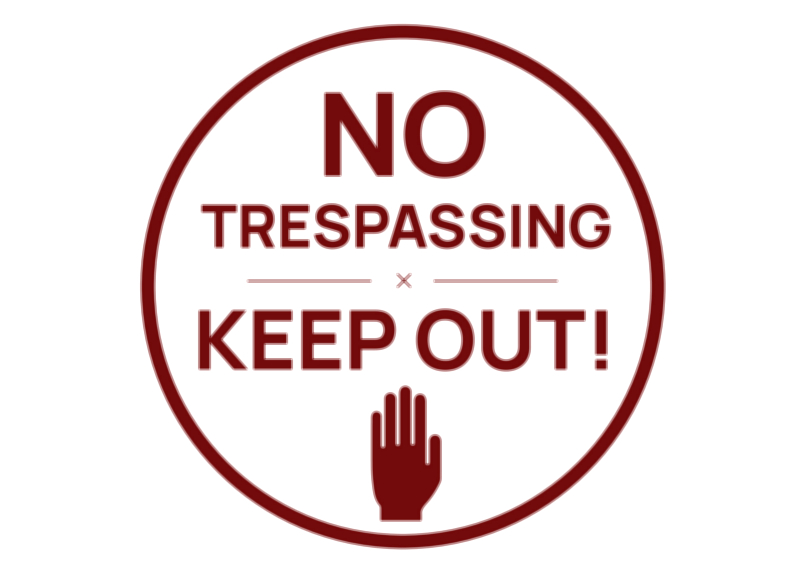
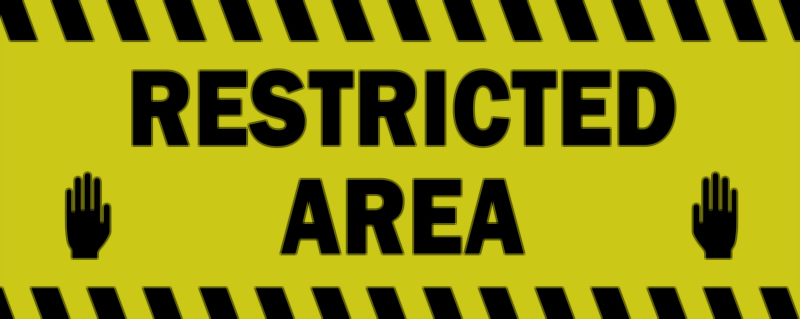
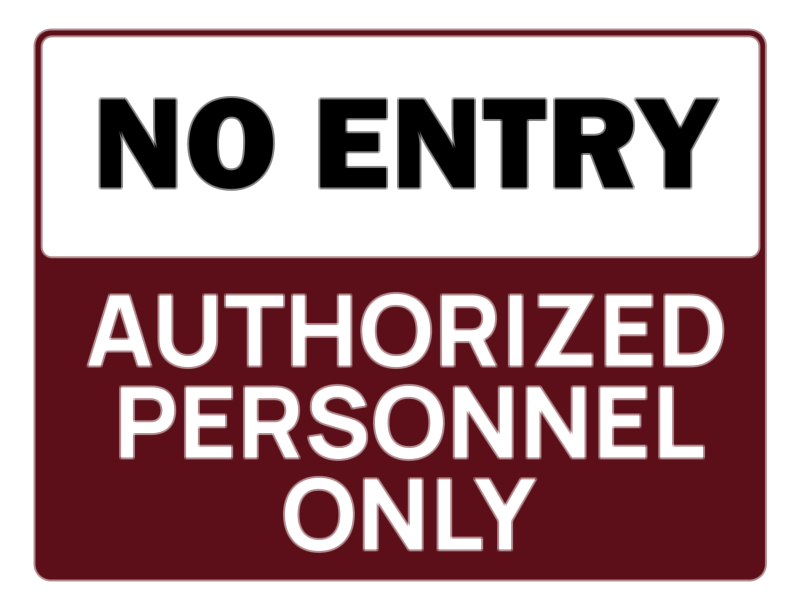
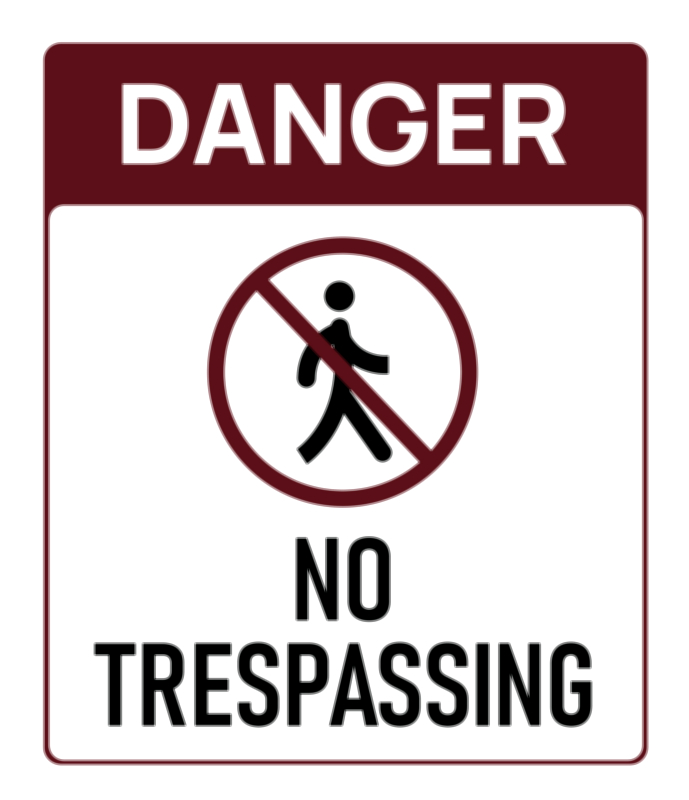
A Private Property Keep Out sign board, rendered in a clean, high-contrast vector illustration featuring firm wording and unmistakable visual cues such as a warning triangle, a barred-entry symbol, or a strong “STOP” hand icon, looks simple at first glance, yet it performs one of the most powerful communication functions in physical space management. It announces a boundary that is not to be crossed and establishes that the area ahead is restricted by ownership, security protocol, or safety risk. Unlike barriers or confrontational instructions that escalate tension, this sign expresses limitation through clarity rather than aggression, ensuring that people approaching the zone can understand instantly that access is prohibited without permission. Even though the sign consists of very few words, its effect spans law, personal security, privacy, liability protection, and the psychology of human behavior around boundaries. It communicates that what lies beyond the marker is not meant for public curiosity, accidental wandering, or unauthorized access, and it does so without physical force. The sign becomes a quiet but firm gatekeeper between private space and the rest of the world.
The need for such a sign arises because people do not always cross boundaries intentionally; more often, they do so because boundaries are unclear. An unmarked driveway may look like a continuation of a public path. A gate left open for convenience might seem like an invitation. A wide property with no visible division may appear to be neutral land rather than privately owned space. Without a warning, even well-intentioned visitors, delivery drivers, hikers, contractors, or tourists may step into private territory unknowingly. The Private Property Keep Out — Restricted Zone Warning Design prevents this misunderstanding at the exact moment when it matters most: before someone crosses the boundary rather than after. It eliminates confusion, reduces the likelihood of emotional confrontation, and protects both the property owner and the outsider from unwanted interaction. The sign ensures that the decision to enter becomes conscious rather than accidental, making it clear that anyone who proceeds beyond the boundary does so knowingly rather than innocently.
Safety is another major dimension of this sign’s purpose. Many restricted properties contain hazards that are not visible to outsiders but can cause injury or tragedy if someone enters without authorization. Construction sites hold heavy machinery, open pits, climbing hazards, sharp debris, and unstable surfaces. Industrial storage yards contain chemicals, gas cylinders, and electrical equipment that can harm anyone who is not trained or properly equipped. Farmlands may include aggressive livestock, irrigation trenches, pesticide-treated areas, or high-voltage electric fencing. Even private residential areas can hide risks such as guard dogs, slippery paths, unfinished work zones, deep ponds, or steep slopes. A Keep Out sign protects life before danger has the chance to appear. It shields strangers from hidden risks that they cannot anticipate and protects property owners from the emotional and legal burden of someone being harmed due to unauthorized access. Safety is not always visible, and this sign allows it to be communicated where physical dangers cannot be immediately recognized.
Legal protection represents another critical layer of meaning behind the sign. In many jurisdictions, a posted Private Property Keep Out notice is considered evidence that the landowner has clearly communicated that entry without permission is prohibited. If someone ignores the sign and enters regardless, that person becomes legally accountable for their actions. Without signage, an intruder may claim they believed the land was open to the public or that no clear restrictions were indicated. In the case of vandalism, theft, property damage, wildlife interference, or personal injury, the presence of the sign protects the owner from liability and shifts responsibility to the trespasser. Insurance claims, legal disputes, and law enforcement investigations often turn on whether the boundary was visibly marked. Thus, the sign is not only a form of communication but also an essential legal tool that documents that the property owner took reasonable steps to warn others before harm or violation occurred.
From the standpoint of privacy and emotional safety, the sign is vital for preserving the sense of sanctuary that private spaces should provide. A home, a farm, a ranch, a business campus, or a secured research facility cannot feel safe and personal if strangers regularly approach the property line or appear near windows, doors, and restricted work areas without notice. Even when uninvited individuals mean no harm, their unexpected presence creates discomfort. A Keep Out sign prevents such disturbances without requiring residents, staff members, or security personnel to engage in frequent verbal confrontations. It deters unwanted approach before it happens, enabling families to relax in their homes, employees to work without anxiety, businesses to sustain operations smoothly, and security teams to focus on real threats instead of accidental access.
Security professionals rely heavily on posted signage to differentiate between harmless wandering and deliberate intrusion. When a Private Property Keep Out sign is visible and a person enters anyway, security personnel can respond with confidence because intent is clarified; access was denied and the warning was clearly ignored. This reduces negotiation, hesitation, and ambiguity during enforcement. When people ignore a sign deliberately, the potential risk is understood immediately. By contrast, when people respect the sign, the environment remains peaceful without unnecessary confrontation. In this way, the sign supports predictable outcomes, reducing the need for tension-filled exchanges or emotional escalation.
Psychologically, bold signage is also one of the most effective deterrents against opportunistic intruders. Criminal activity thrives in spaces where boundaries look vague, ownership appears uncertain, and consequences seem unlikely. A Keep Out sign signals the opposite — that the space is monitored, controlled, and protected. It discourages curiosity-driven intruders, thrill-seekers, and opportunistic individuals who might otherwise approach simply because no warning appears to exist. Even without fences or guards, a single authoritative sign dramatically lowers the likelihood of unauthorized entry because it removes ambiguity and communicates control.
The clarity of the vector design is central to the sign’s effectiveness. High-contrast colors like red, white, black, and yellow are chosen not for aesthetics but for immediate visibility and psychological urgency. Minimal text ensures that the warning can be understood quickly at a glance, even by people unfamiliar with the local language. A simple icon — a barred symbol, crossed human silhouette, or hand gesture — communicates universally, reducing misinterpretation. Scaling without resolution loss allows the sign to be printed across various formats and distances, whether on gates, fences, walls, posts, barriers, or security monitors. The design ensures that the message survives harsh weather, nighttime visibility challenges, and long-range viewing so that the boundary remains mentally and visually intact at all times.
At a deeper level, the sign acts as a tool of social harmony. Many conflicts around property occur not because people are malicious but because expectations around access are mismatched. A walker who enters farmland thinking it is open might be startled by the owner’s reaction; a homeowner may feel threatened when someone steps onto their land unaware that it was private. The sign prevents such emotional collisions by ensuring that the boundary is not secret, confusing, or hidden. The communication happens through an impersonal medium rather than through anger or confrontation. Outsiders do not feel personally rejected, and owners do not feel forced to defend their territory repeatedly. Both sides retain dignity because the warning is shared upfront rather than delivered reactively.
Ultimately, the Private Property Keep Out Sign Board — Restricted Zone Warning Design is not simply about exclusion; it is about order, transparency, safety, and respect. It preserves the legal rights of owners, protects the physical safety of outsiders, upholds privacy without aggression, stabilizes security operations without hostility, deters malicious intrusion while preventing innocent missteps, and keeps both personal and professional environments peaceful and predictable. The sign ensures that restricted areas remain secure without requiring gates, guards, or confrontation; it protects boundaries through clarity rather than force. Beneath the surface of its short sentence lies a deep structure of responsibility, communication, and mutual respect — one that allows private spaces and public movement to coexist without conflict simply by making the rules of access visible, understandable, and impossible to overlook.