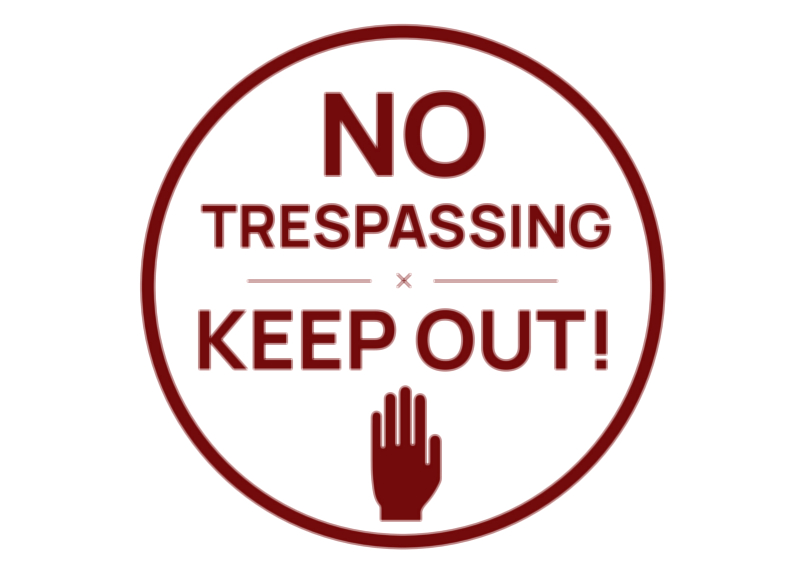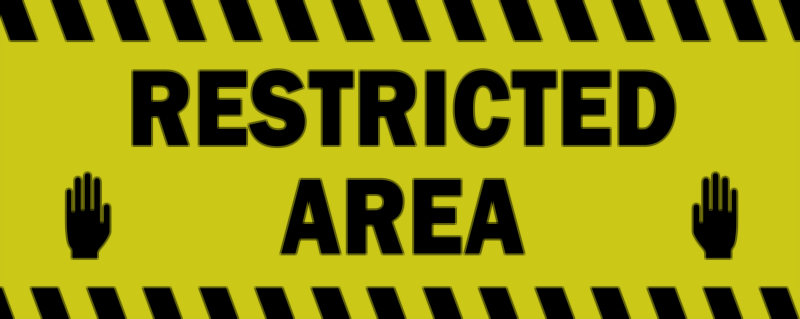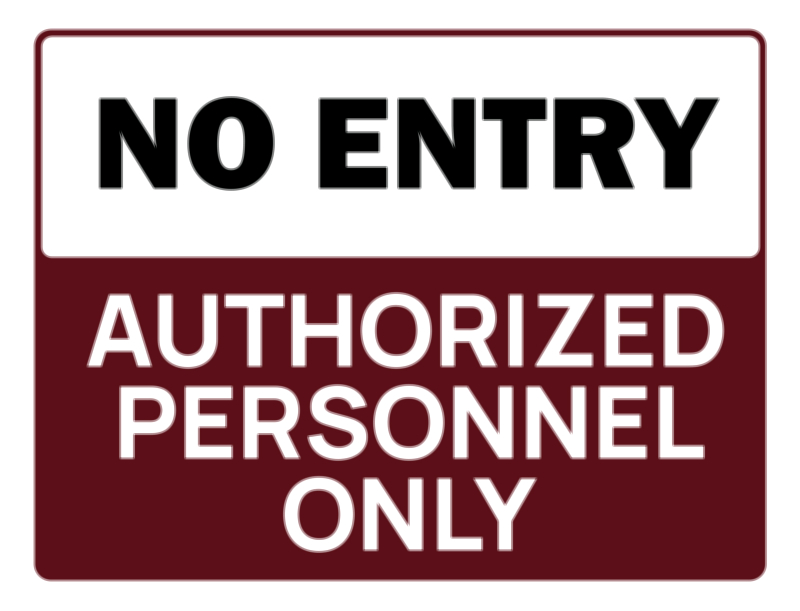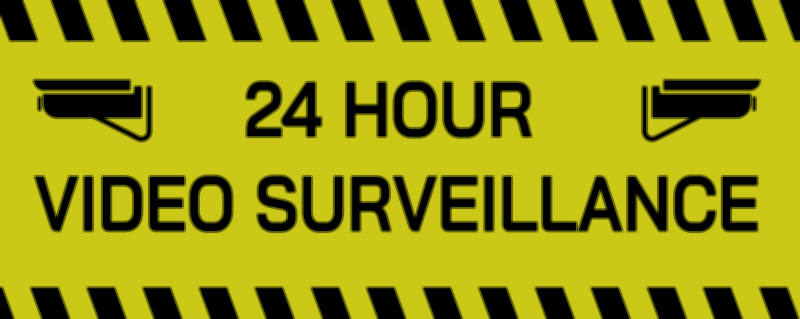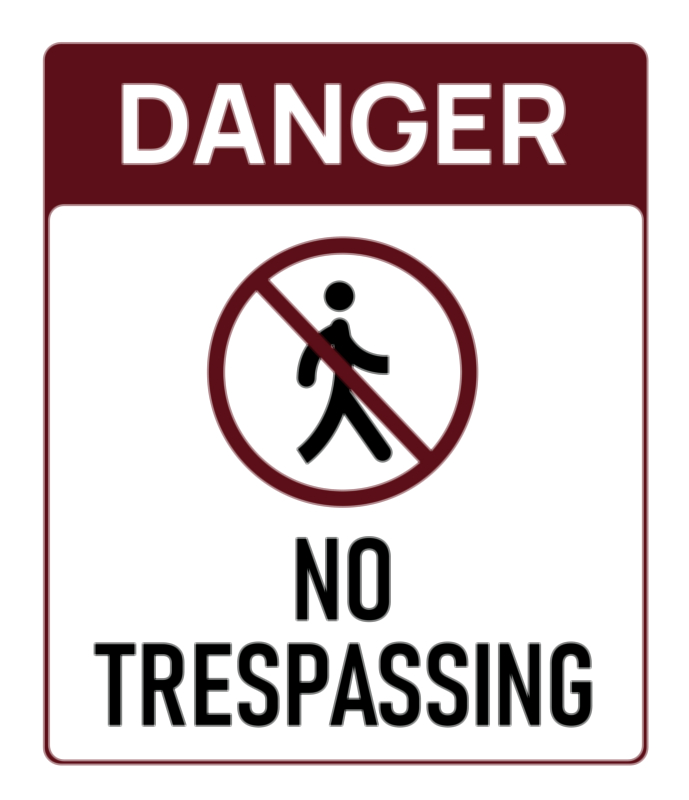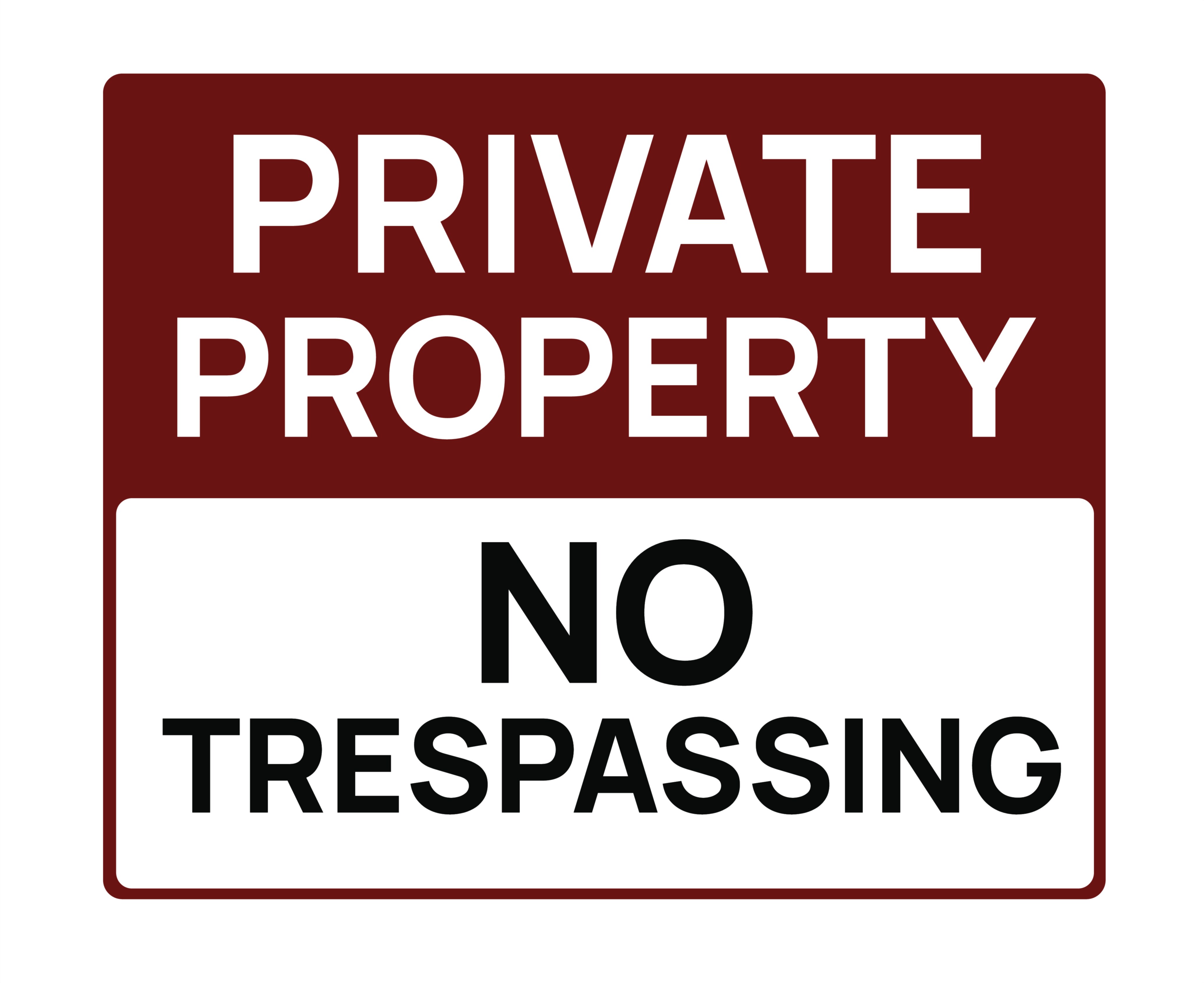
Private Property No Trespassing Sign Board — Restricted Access Warning
A Private Property No Trespassing sign board, especially when produced as a clean vector illustration that combines strong readable lettering with universally recognizable symbols such as a stop hand, a barred-entry icon, or a warning triangle, is far more than a simple outdoor marker. It is a cornerstone of legal boundary enforcement, personal space protection, and public safety awareness wrapped into a single visual cue. The sign communicates two simultaneous but interconnected messages: first, that the land or premises ahead are privately owned and not open to public access; second, that crossing the boundary without permission constitutes trespassing, a breach of the law rather than a harmless oversight. Unlike barriers, walls, or confrontational instructions that may escalate tensions, this sign establishes authority and ownership through calm communication, encouraging clarity instead of conflict. Although it appears visually minimal — striking contrast colors, short wording, and an easily identifiable warning symbol — it carries enormous influence over how individuals behave near property lines, how legal responsibility is assigned in cases of intrusion, and how safety risks are prevented before they occur.
In many environments, people do not knowingly trespass with bad intentions; instead, they cross unmarked limits because there is no clear indicator of where private territory begins. A driveway may look like a continuation of a public lane, an open gate may unintentionally signal welcome to passersby, a rural trail may seem like a public walkway, and a warehouse lot may look like free parking to someone unfamiliar with the site. In such cases, the absence of signage becomes the cause of accidental intrusion. The Private Property No Trespassing sign board — Restricted Access Warning protects both the property owner and the outsider by eliminating uncertainty well before someone physically enters the area. It allows the boundary to communicate itself, rather than relying on tense verbal corrections or physical deterrents. A stranger who sees the sign at the edge of the premises recognizes immediately that entry is prohibited, and the potential for misunderstandings, accidental crossings, and unwanted confrontations reduces dramatically because the warning is visible, unambiguous, and non-negotiable from the beginning.
Beyond preventing unauthorized entry, the sign is deeply tied to personal security and peace of mind. Private spaces — whether residential, agricultural, commercial, industrial, institutional, or protected land — exist for the safety, privacy, and autonomy of the people who own, occupy, or manage them. Families living in a house expect their yard and driveway to remain free from unknown foot traffic. Farmers caring for crops and livestock require their fields to remain protected from strangers who may cause inadvertent disturbance. Research and manufacturing sites need to restrict areas containing sensitive work, hazardous materials, heavy equipment, or dangerous conditions. Schools and campuses must protect students from outsiders wandering into controlled zones meant only for registered individuals. For all these situations, the sign becomes a quiet yet powerful guardian of privacy and safety without requiring visible aggression or reliance on security personnel. It preserves the quiet dignity of a private space without forcing the occupants to defend it verbally or physically each time someone approaches unintentionally.
Legal implications make the sign even more significant. In many regions, posted signage determines whether an individual is trespassing knowingly or unknowingly, which heavily affects the outcomes of legal or insurance disputes. If a person crosses into restricted space that is not marked, they may claim confusion or lack of awareness; this weakens the legal standing of the property owner and can even result in liability against them in accidental injury cases. A properly positioned No Trespassing warning establishes legal clarity: anyone who proceeds past that point does so against explicit communication. It documents that the owner took reasonable steps to warn others, which protects them against claims tied to theft, damage, injury, or intrusion. In court cases, the presence of signage often becomes a deciding factor, demonstrating that the boundary was visible, comprehensible, and deliberately ignored rather than overlooked. Thus, the sign is not merely a message — it is a legal shield that enforces rights without conflict.
Safety concerns play an equally critical role in the need for this sign. Many private properties contain hidden hazards that visitors cannot foresee and that the owner cannot eliminate entirely. Construction sites contain sharp materials, open pits, moving vehicles, and unstable areas. Industrial locations store chemicals, industrial equipment, and electrical systems that pose life-threatening risks to untrained individuals. Farmlands may house livestock that behave unpredictably around strangers or areas treated with fertilizers or pesticides unsafe for human exposure. Private ponds, wells, and rocky terrain carry drowning or injury risks for anyone not familiar with the land. Even residential properties with dogs, guard animals, slippery surfaces, swimming pools, or steep inclines contain risks for unsuspecting outsiders. The No Trespassing warning is therefore not an act of hostility toward outsiders, but a responsibility toward life and safety — it keeps individuals away from dangers they cannot anticipate and protects them from accidental harm that would otherwise occur in silence.
Security professionals and law enforcement often rely heavily on posted signage for peacekeeping. Without a sign, every intrusion — even unintentional — becomes a human dispute requiring guards, owners, or neighbors to intervene. This escalates stress and tension unnecessarily. When the sign is visible, enforcement becomes smooth and predictable: an individual found beyond the boundary after having seen the warning has deliberately ignored the rule and can be managed accordingly. For security teams, this removes the uncertainty of intention, reduces argument-driven interactions, and allows them to perform their duties with greater clarity. The sign also reduces casual opportunistic intrusion by signaling surveillance, ownership, and potential consequences; most would-be trespassers retreat simply upon seeing the message because the risk appears visible rather than abstract.
The sign also protects community harmony by preventing accidental social conflict. When someone enters private space believing it is public, and the owner confronts them emotionally, both individuals feel wronged: the outsider feels unfairly accused, and the owner feels invaded. A Private Property No Trespassing sign board prevents this emotional clash before it forms. The boundary is communicated calmly through an impersonal medium rather than through confrontation. When both sides understand the rule, resentment and confusion disappear; the property owner gains peace of mind, and passersby remain confident that they have not been unfairly denied access to a neutral area.
Another dimension of the sign’s importance lies in its function within controlled-access environments. Corporate buildings, research companies, warehouses, power stations, substations, data centers, ports, gated communities, and educational institutions often have multiple entrances — some meant for the public, others for authorized personnel only. Without signage, visitors may accidentally wander into secure or sensitive areas instead of the designated reception or public entrance. The Restricted Access part of the message redirects movement proactively, pointing visitors toward where they should go while signaling that other zones are not for general entry. This keeps workflow smooth, strengthens security infrastructures, and prevents disruptions that can arise from misplaced individuals.
Design also plays a major role in the effectiveness of these signs. In vector format, clarity is intentional: bold font, high contrast, red-and-black palettes, and recognizable icons make the message instantly visible even from moving vehicles or from long distances. The minimal text reduces dependency on language comprehension, ensuring that people across cultures and literacy levels understand the meaning. Vector formatting allows the sign to be printed at any scale — fence plates, gate boards, wall-mounted plates, pole signage, digital displays — without losing sharpness or diluting the authority of the message. The design is not decorative; it is engineered for instinctive recognition and intuitive caution.
Finally, the sign’s greatest value lies in the social balance it promotes. It prevents intrusion not by force, but by understanding; it reinforces law not by punishment, but by communication; it protects privacy not through secrecy, but through honesty. It tells outsiders that the space belongs to someone who cares about it and deserves respect, while giving outsiders the opportunity to respect that boundary with dignity rather than discomfort. In this quiet, cooperative contract between property owners and the world beyond their fence line, the Private Property No Trespassing Sign Board — Restricted Access Warning becomes a structural tool of peace: it secures land, protects families, avoids accidents, reduces legal ambiguity, protects individuals from hazards, and replaces tension with clarity simply by making boundaries visible and undeniable. Through a concise and universally understood visual signal, it ensures that private space and public movement coexist respectfully, safely, and predictably.