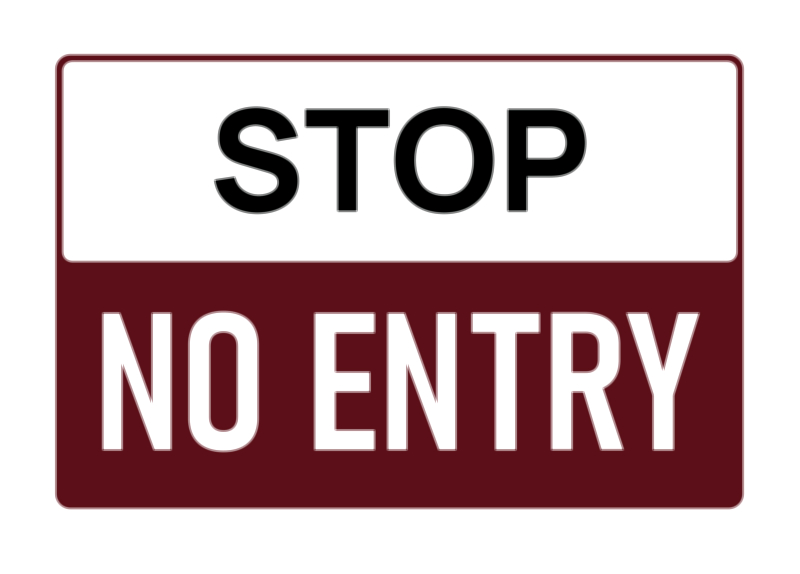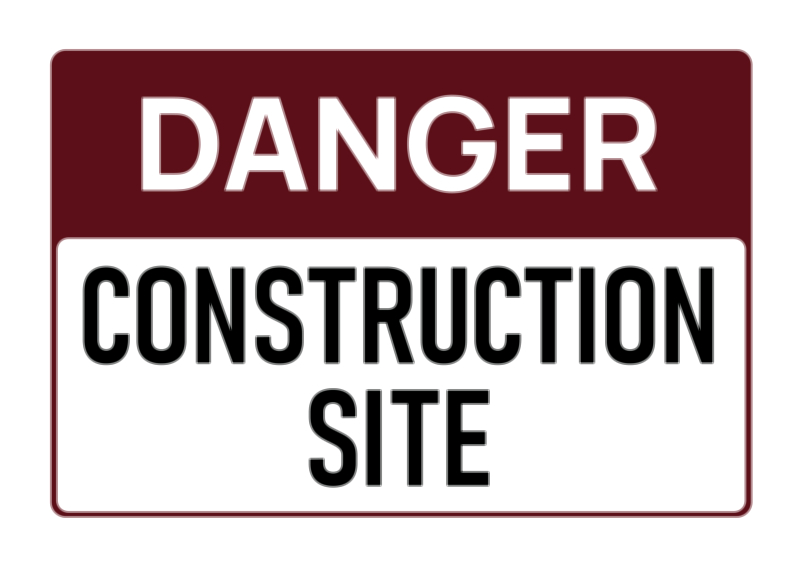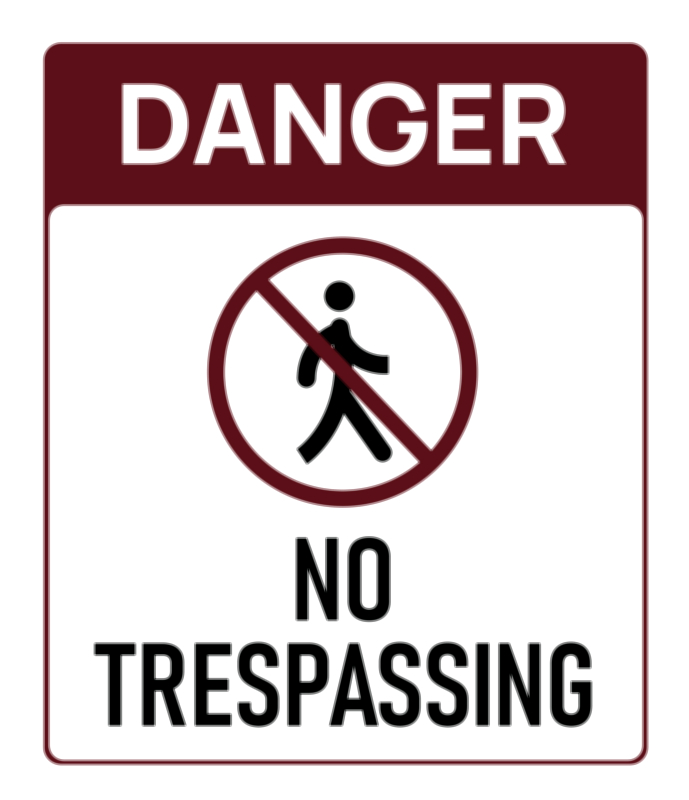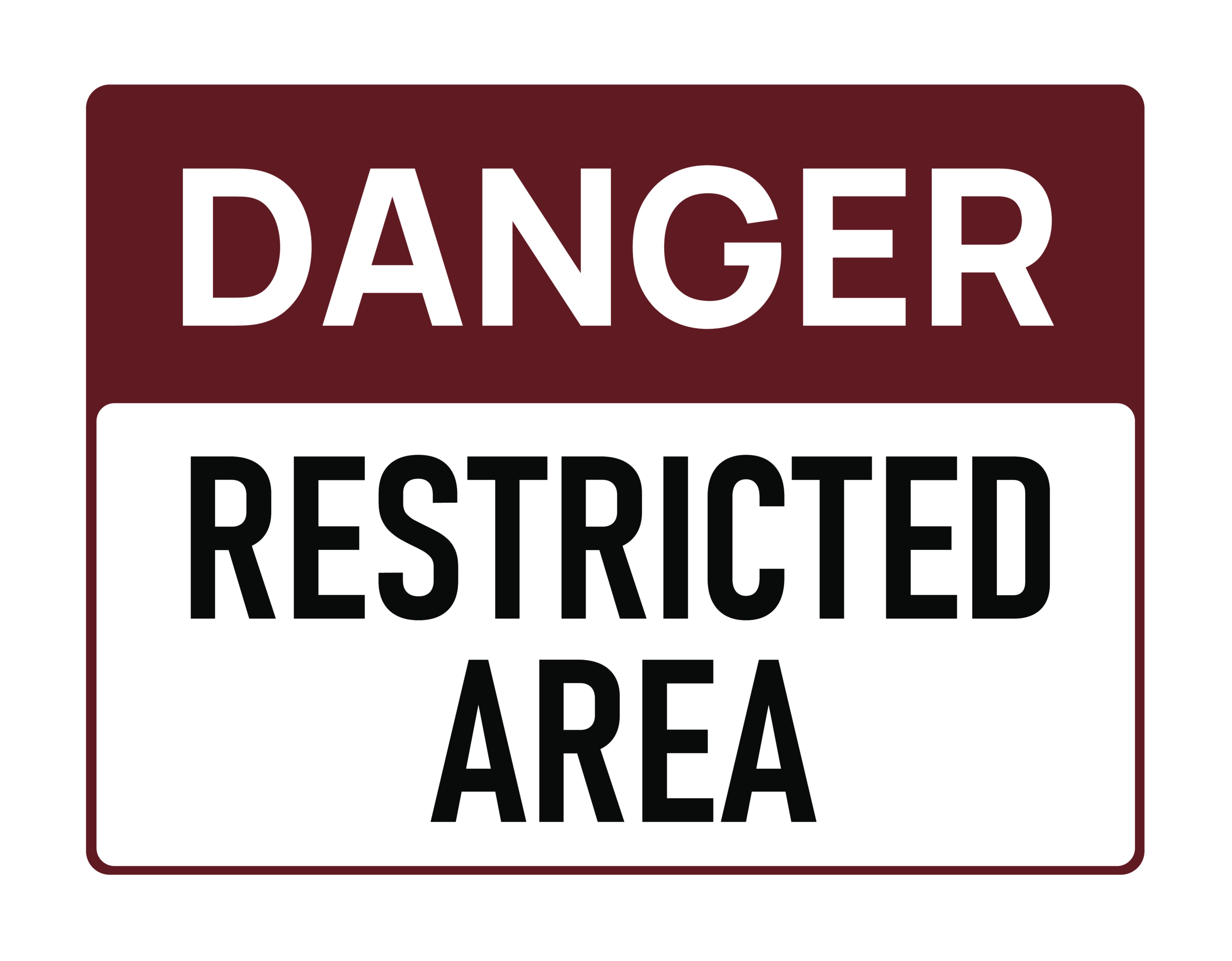
Danger — No Entry Vector Illustration: High Risk Restricted Access Sign
A Danger — No Entry sign board, particularly when presented as a bold vector illustration featuring a danger symbol, a red prohibition circle, a raised stop hand, or a warning triangle with a striking exclamation mark, represents one of the most serious forms of hazard communication in environments where the risk level is high, unpredictable, and potentially fatal. Unlike ordinary access-control messages that indicate rules or boundaries, this sign communicates the presence of real and immediate danger that cannot be ignored without exposing a person to severe injury, permanent harm, or life-threatening conditions. The word Danger amplifies the seriousness of the restriction, creating a psychological shift from general caution to urgent self-preservation. The addition of No Entry makes the command non-negotiable, telling every individual approaching that crossing this point is not permitted under any circumstances unless they have the highest level of authorization, training, protective equipment, and situational awareness required to survive the hazards beyond. This sign does not merely advise; it warns, protects, and prevents catastrophe by stopping individuals before they unknowingly or impulsively walk into zones that ordinary intuition cannot assess for risk.
The sign exists because many places where danger is present do not look dangerous at first glance. Human instincts rely heavily on visual cues to detect threats, but engineered spaces, industrial work areas, scientific laboratories, or controlled environments often disguise hazards in silence and stillness. A construction area might seem calm during nonworking hours even though the flooring is unstable or a drop zone sits overhead. A mining shaft with no movement on the surface may hide toxic gas accumulation or deep open pits below. A power generation facility might appear silent yet contain exposed high-voltage buses capable of instant electrocution. A chemical processing unit might have pipes that look normal yet contain corrosive, flammable, or explosive substances circulating under high pressure. A mechanical maintenance zone might show no motion even though remote-activated equipment can start automatically without warning. Without a clearly visible warning sign, an outsider or inexperienced worker could walk into such places assuming they are harmless. The Danger — No Entry sign prevents this fatal miscalculation by explaining that visual appearances cannot be trusted beyond this boundary and that survival depends on respecting the sign rather than evaluating risk independently.
Safety is not a suggestion in these zones — it is a law of cause and effect. The danger that lies beyond the sign may not give second chances. This is why the sign appears wherever hazards cannot be neutralized and must instead be controlled through restricted access. Industrial manufacturing spaces include furnaces, laser-cutting systems, heavy stamping presses, conveyor machines, robotic arms, high-temperature molds, and hydraulic machines that exert tons of force every second. Power infrastructure includes turbine halls, switchyards, substations, transformers, energized busbars, and high-voltage cabinets where accidental contact can cause severe burns or instant death. Scientific research facilities include radiation chambers, magnetic resonance rooms, cryogenic laboratories, biological hazard units, and chemical synthesis environments where exposure must be controlled to microprecision. Aerospace and automotive testing centres contain sonic vibration zones, wind tunnels, explosives storage, and crash-impact stations where a mistimed presence can be fatal. Even municipal or utility spaces such as sewer access shafts, deep pump rooms, gas pipeline vaults, and electrical maintenance rooms carry levels of hazard that should never be encountered accidentally. The Danger — No Entry signage protects every individual — workers, visitors, passersby, and emergency responders — by blocking the path before proximity to danger turns irreversible.
Operational control also depends heavily on this warning. High-risk zones are often active environments where precision, timing, and isolation matter. A clean-zone robotic workshop cannot risk random movement inside its calibration area during operation. A medical radiology room cannot allow unauthorized entry when equipment is energized because radiation exposure is invisible but permanent. A cryogenic treatment chamber cannot tolerate the opening of its barrier because temperature shock can damage materials and severely injure unprotected humans. During explosive testing, hydraulic research, or combustion simulation, one unintended step into the wrong place is enough to destroy months of planning and endanger lives. For this reason, the Danger — No Entry message is a core component of workplace discipline, ensuring that every individual recognizes the boundary between general workspace and high-risk operational territory. The sign protects workflow not by slowing the environment down but by preventing uncontrolled access and allowing hazardous operations to continue safely without interruption.
The legal importance of this sign is equally profound. In industries governed by workplace safety codes, occupational hazard regulations, environmental protection rules, and emergency response procedures, failure to warn individuals about danger is not merely careless — it is negligent. When an accident occurs in an unmarked danger zone, regulators and investigators treat the lack of a warning sign as a breach of safety protocol. By posting a Danger — No Entry warning, organizations demonstrate that they communicated risk transparently and proactively. If someone breaches the boundary after seeing the sign, responsibility for the consequence becomes intentional rather than accidental. In legal examinations of workplace injury, equipment damage, unauthorized access, or industrial accident claims, the presence of properly displayed signage becomes evidence of due diligence. It protects the facility from liability and simultaneously protects individuals by giving them the chance to avoid harm long before a hazard can affect them.
Another key dimension of this sign is psychological behavior control. Human beings modify their actions dramatically based on the expectation of threat and consequence. A simple “No Entry” implies a rule that some might test, bend, or ignore when they assume they are safe. However, the word Danger activates a deeper instinct — the instinct of survival — and makes individuals pause even before they consciously think about the decision. It shifts the moment from curiosity or convenience to self-preservation. Someone who might otherwise test boundaries understands immediately that crossing this line is not worth the risk, even if they do not fully understand the nature of the hazard. This psychological effect protects people without confrontation because the sign aligns unconscious decision-making with safety.
The vector illustration itself enhances the message through visual science. High-contrast colors like red, black, and white draw instant attention because the human brain associates them with threat and urgency. The prohibition symbol communicates even to non-readers and across language barriers, ensuring that international workers, visitors, tourists, or contractors understand immediately that entry is not allowed. Scalable vector graphics maintain sharpness whether printed small on a door plate or large across a perimeter fence, ensuring recognition from all distances and angles — even from moving vehicles or under poor lighting. The strength of the design is not decorative; every detail supports clarity, visibility, and speed of comprehension, because in dangerous environments speed of understanding determines safety.
Emotionally, the sign also contributes to a healthier professional environment. Workers operating inside danger zones need to trust that outsiders will not wander in and compromise their safety. They need to know that distraction, curiosity, or confusion from others will not put their lives at risk. The presence of a Danger — No Entry warning reassures trained personnel that boundaries are enforced and that safety culture is upheld. At the same time, it spares outsiders the embarrassment and fear of accidentally entering a lethal zone and being reprimanded or rescued. The sign therefore protects dignity, trust, confidence, and morale in high-risk workplaces by preventing unsafe interactions before they occur.
Ultimately, a Danger — No Entry Vector Illustration — High Risk Restricted Access Sign is one of the most intense forms of visual safety language. It stops movement not through physical barriers but through urgent clarity. It prevents tragedy rather than responding to it. It establishes accountability rather than waiting for investigation. It protects both life and workflow not by limiting freedom but by preventing contact with conditions the human body and mind were never designed to withstand. Behind its brief wording lies an entire architecture of safety, law, psychology, communication, and responsibility — all built into a warning placed exactly where it matters most: at the final moment before a mistake becomes irreversible.