Ascorbic Acid — Understanding the Molecular Structure of Vitamin C
The Nature of Ascorbic Acid as an Essential Organic Compound
Ascorbic acid, widely known as vitamin C, is one of the most important organic compounds required for maintaining overall health, supporting immunity, and protecting the body from oxidative damage. Its molecular structure is made of carbon, hydrogen, and oxygen arranged in a distinct ring-like formation that gives it both stability and reactivity in biological systems. Although small in size, the arrangement of its atoms allows ascorbic acid to participate in many essential chemical reactions within the human body, particularly those involving tissue repair, antioxidant protection, and collagen formation. Its compact structure also enables it to dissolve easily in water, allowing it to move effortlessly through the bloodstream and reach different tissues quickly. This water–soluble nature means the body does not store it in large amounts, making regular intake necessary to maintain optimal levels and prevent deficiencies.
How the Molecular Structure Supports Its Biological Activity
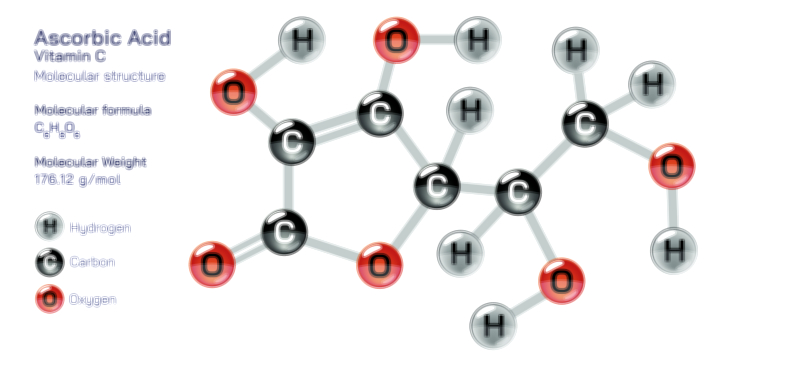
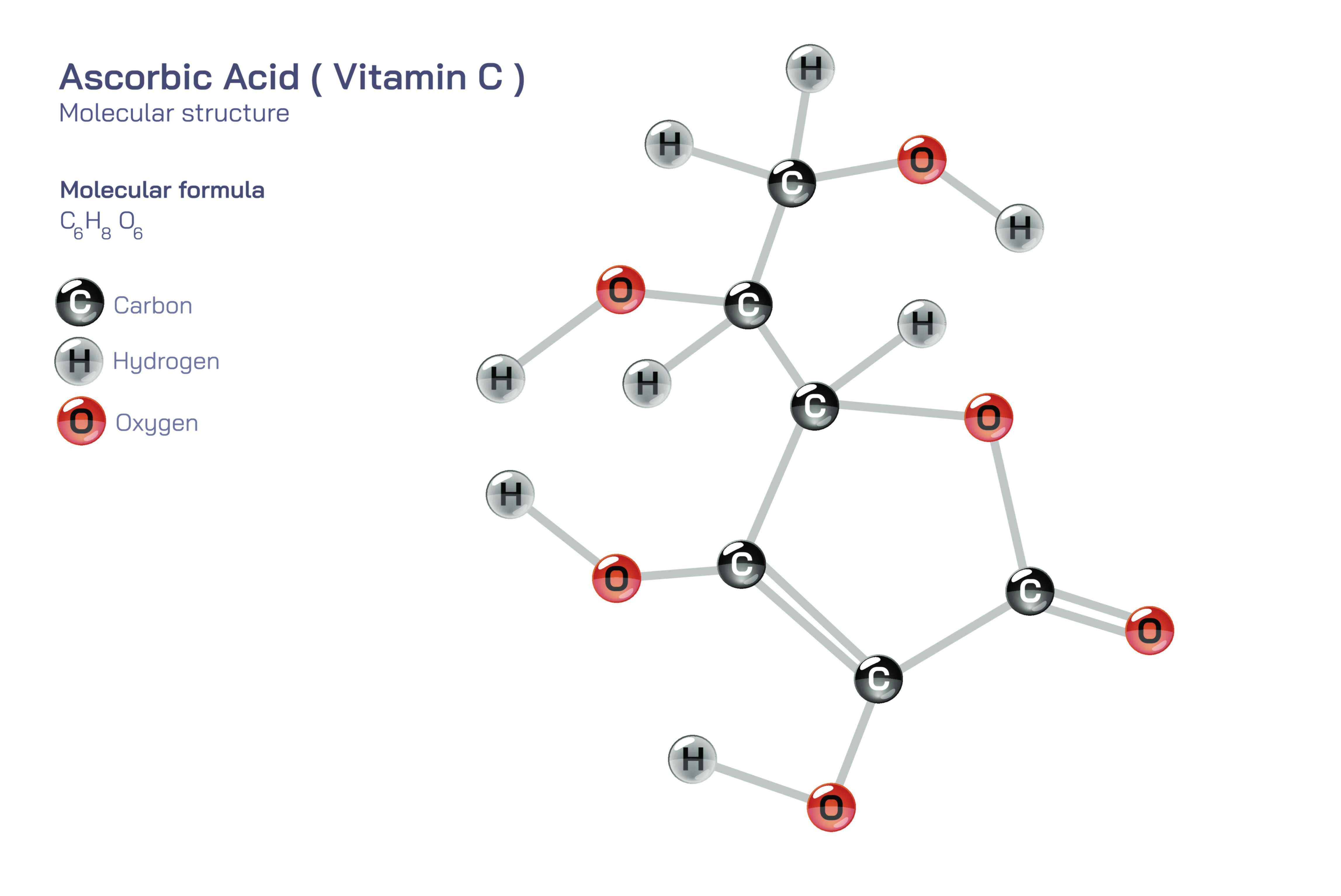
The structure of ascorbic acid includes several connected carbon atoms forming a ring and branching into multiple reactive groups that allow it to donate electrons easily. This electron-donating ability is the key to its powerful antioxidant activity. Ascorbic acid stabilizes harmful molecules inside the body by neutralizing them before they can damage cells, tissues, or genetic material. This protective behavior is directly related to the way atoms are arranged within the molecule, allowing vitamin C to shift smoothly between active and stabilized forms. The presence of hydroxyl groups around its carbon ring helps the molecule interact with water, enzymes, and cellular structures. This flexible reactivity makes ascorbic acid essential for maintaining normal physiological processes. Illustrations of the molecule often show its ring-shaped skeleton with attached groups, highlighting how its compact yet versatile design supports its broad functionality.
The Role of Vitamin C in Antioxidant Defense and Tissue Healing
One of the most critical roles of ascorbic acid is its contribution to protecting the body from oxidative stress. Everyday processes such as metabolism, inflammation, and exposure to pollutants generate reactive molecules that can damage healthy tissues when left unchecked. Ascorbic acid counters this by neutralizing these molecules, reducing the overall strain on cells. Another key aspect of its structure allows it to help rebuild tissues. It plays a vital part in the formation of collagen, a structural protein found in skin, bones, blood vessels, and connective tissues. Collagen formation requires a stable series of reactions that depend directly on ascorbic acid’s readiness to activate the necessary enzymes. Without sufficient vitamin C, collagen becomes unstable, leading to weakened tissues and slower healing. This explains why the structure of vitamin C is closely tied to physical resilience, wound recovery, and skin vitality.
How the Molecular Shape Supports Nutrient Absorption and Metabolic Balance
The specific folding and arrangement of atoms in ascorbic acid also allow it to interact with other nutrients, improving their absorption and effectiveness. One example is its ability to enhance the absorption of iron from plant-based foods. When vitamin C encounters iron in the digestive system, its reactive groups help convert the mineral into a form that the body can absorb more efficiently. This ability to interact with minerals and participate in metabolic conversions is linked directly to its structural flexibility. The molecule’s water-soluble design enables it to travel through the bloodstream, support enzymatic reactions, and reach tissues that require frequent antioxidant protection. Because the body uses ascorbic acid constantly, the molecule must be replenished regularly through diet or supplementation.
Why the Molecular Structure Makes Vitamin C Sensitive to Environment
Despite its strength as an antioxidant, the structure of ascorbic acid is delicate when exposed to heat, light, or oxygen. The reactive groups that make it effective also make it prone to breakdown when conditions are unfavorable. Prolonged cooking or storage, exposure to air, and high temperatures can gradually weaken its beneficial properties. This is why fresh fruits and vegetables—especially citrus fruits, berries, peppers, and leafy greens—are considered the best sources, as they preserve vitamin C in its most active form. In scientific illustrations, this sensitivity is often shown through diagrams that highlight reactive edges of the molecule that can degrade when environmental conditions fluctuate. This fragile aspect of its structure underscores the importance of consuming vitamin C–rich foods regularly.
How Vitamin C Supports Immune Defense Through Its Molecular Activity
Ascorbic acid also strengthens the body’s immune system through mechanisms rooted in its molecular design. Immune cells rely heavily on antioxidants, and vitamin C provides a rapid-reacting source of protection that helps these cells perform effectively under stress. The molecule supports the production of important immune components and protects them from internal damage caused during infections or healing responses. Its structure allows it to travel quickly to areas where immune activity is highest, such as inflamed tissues or infection sites. Because vitamin C can cycle between active and stabilized forms without becoming permanently depleted, it provides continuous support during immune challenges.
Why Understanding the Molecular Structure Enhances Appreciation of Vitamin C
The structure of ascorbic acid is much more than a chemical arrangement; it is the foundation of how vitamin C functions in the body. Its ring-shaped design, reactive groups, and water-soluble nature allow it to participate in nearly every major protective and restorative process that supports human health. From antioxidant defense and tissue repair to immune strength and nutrient absorption, its molecular architecture underlies its wide-ranging benefits. Visualizing the molecule in illustration form helps reveal the elegance behind its function, connecting the scientific structure to the vital role it plays in daily well-being. Understanding this structure deepens appreciation for why vitamin C remains essential and why maintaining adequate levels is so important for long-term health.