Ammonium Iodide — Crystalline Salt Structure, Properties, and Chemical Behavior
Understanding the Nature of Ammonium Iodide
Ammonium iodide is a crystalline salt formed by the combination of ammonium and iodide ions, creating a compound that is structurally simple yet chemically meaningful in both laboratory and industrial settings. It appears as white or slightly yellowish crystals that dissolve readily in water, forming clear solutions that release iodide ions with ease. When shown in a vector illustration, ammonium iodide is typically represented by pairing the compact ammonium group with the larger, heavier iodide ion, visually emphasizing the ionic nature of the compound. Although uncomplicated in its formula, ammonium iodide presents an interesting balance between the stable, symmetrical ammonium structure and the reactive yet manageable behavior of iodide, creating a salt that is useful in photography, analytical chemistry, and organic synthesis. Its clean crystal form and predictable behavior make it a convenient reagent in situations where iodine chemistry must be controlled and delivered efficiently.
The Structure of the Ammonium Ion in the Salt
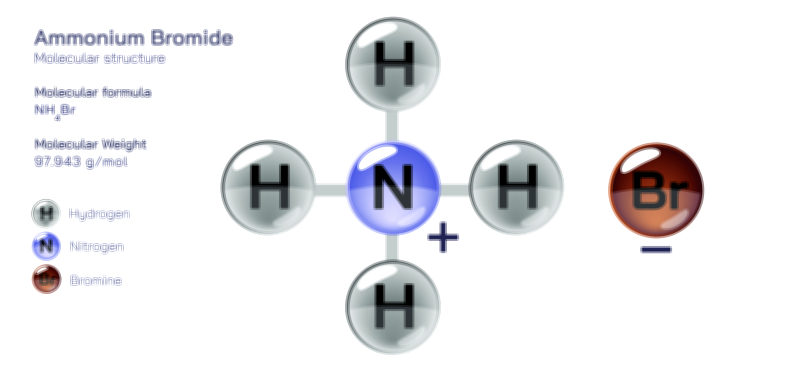
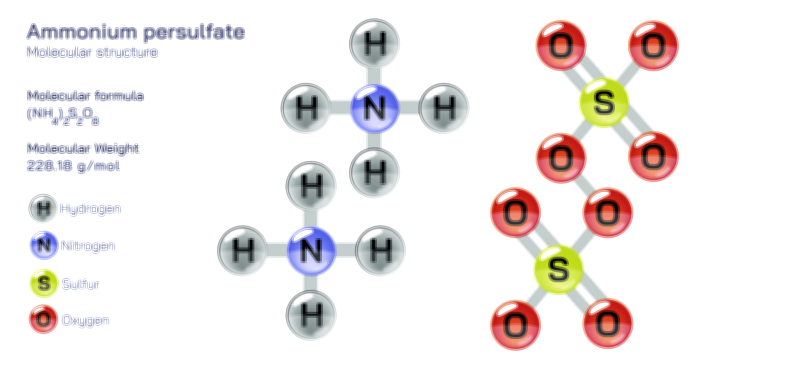
At the core of ammonium iodide lies the ammonium ion, which acts as the positively charged partner in the compound. Ammonium is formed when ammonia accepts a hydrogen, creating a well-organized cluster with four hydrogen atoms arranged evenly around a central nitrogen. This tetrahedral shape gives the ion stability and allows it to participate in numerous ionic compounds without losing its identity. In ammonium iodide, the ammonium ion serves as the balancing counterpart to the iodide ion, binding through electrostatic attraction. In vector illustrations, it is usually depicted as a smooth, symmetrical cluster with its hydrogen atoms radiating outward, giving a clear visual impression of its shape and how it engages with other ions. This simple but stable geometry makes ammonium a reliable building block in salts like ammonium iodide, anchoring the compound’s structure even as the iodide component adds its own qualities.
Characteristics of the Iodide Ion and Its Role in the Compound
The iodide ion, the negatively charged half of ammonium iodide, contributes both mass and reactivity to the compound. Iodide is one of the heaviest and least reactive halide ions, making it stable yet capable of participating in important chemical transformations, particularly those involving oxidation to iodine. In ammonium iodide, the iodide ion offers solubility, reactivity toward light, and participation in redox chemistry. Over time or upon exposure to air and light, the iodide ion may gradually convert into elemental iodine, giving the crystals a yellowish tint. This subtle change is often used as a visual cue in teaching settings to explain how iodide behaves when exposed to oxidizing conditions. In vector illustrations, iodide is often represented as a large, single sphere or shaded element paired with the ammonium group, emphasizing both its size and its defining role in the salt’s reactivity.
Physical Properties and Crystal Behavior
Ammonium iodide forms smooth, often well-defined crystals that dissolve quickly in water and many polar solvents. In solid form, the salt is stable under dry conditions but may slowly degrade when exposed to humidity or light, as these promote iodine release. Its crystals are typically free-flowing when fresh but can take on a deeper color with age due to iodine formation on the surface. The compound’s solubility makes it easy to incorporate into solutions for analytical tests or photographic processes where iodide ions play a functional role. In the context of vector illustration, the crystalline nature of ammonium iodide is often shown using repeated geometric patterns or clean facets that highlight its orderly internal organization. These representations focus on the purity and simplicity of the crystalline lattice that defines the material’s physical identity.
Chemical Behavior and Reaction Characteristics
Ammonium iodide is known for its ability to participate in iodine-related chemistry. It can release iodide ions into solution rapidly, making it useful as a reagent in substitution reactions, iodination processes, and various analytical procedures that involve iodine detection or measurement. In the presence of oxidizing agents, iodide converts to iodine, a reaction often used in laboratory experiments to demonstrate color changes or redox principles. At the same time, the ammonium component may release small amounts of ammonia under certain conditions, though it normally remains stable within the compound. Because the salt is sensitive to light and air, it is commonly stored in dark, sealed containers to preserve its purity. Its predictable behavior enriches its usefulness in research, teaching, and specialty industrial applications.
Practical Uses in Photography, Medicine, and Analysis
Historically, ammonium iodide has played a role in photographic processing, where iodide ions interact with silver compounds to produce light-sensitive materials used in film and imaging. In analytical chemistry, the compound serves as a source of iodide for titrations, detection tests, and reaction studies where iodine chemistry must be precisely controlled. It also appears in certain organic synthesis pathways that require iodide as a reactant or catalyst. In some medical imaging preparations, iodide-containing reagents are used for specific diagnostic purposes, though ammonium iodide itself is less common in modern formulations. Its ease of dissolution and predictable behavior in solution make it a convenient option wherever controlled iodide delivery is required.
Vector Illustration Representation of Ammonium Iodide
A vector illustration of ammonium iodide usually presents the ammonium ion and the iodide ion with clear visual contrast. The ammonium portion appears as a symmetrical cluster, while the iodide is portrayed as a larger, single unit, often shaded to reflect its heavier nature. Illustrations may also depict the crystalline structure in stylized form, showing repeated lattice shapes or clean geometric patterns that symbolize the orderly arrangement of ions. In educational graphics, arrows or subtle shading may indicate the ion pairing, helping viewers recognize how the two components come together to create the complete salt. These visual tools make it easier to understand both the structural simplicity and the broader chemical behavior of ammonium iodide.