Ammonium Oxide — Structure, Behavior, and Chemical Characteristics
Understanding the Concept of Ammonium Oxide
Ammonium oxide is a name that appears occasionally in theoretical chemistry, but it does not correspond to any real, stable substance that can be isolated or synthesized. The term suggests a compound formed from ammonium ions and oxide ions, yet these two species cannot coexist in a stable structure because of how strongly they react with each other. Ammonium carries a positive charge and tends to release hydrogen in the right conditions, while the oxide ion is one of the most powerful proton-accepting species in chemistry. When the two meet, they do not settle into a solid material. Instead, the oxide ion immediately pulls hydrogen from ammonium, turning itself into hydroxide and releasing ammonia. This reaction occurs so quickly and forcefully that a compound called “ammonium oxide” cannot form under any normal or controlled conditions. Because of this, the name is mainly used as a theoretical teaching tool or a shorthand reference in discussions about acid–base behavior rather than a description of an actual chemical substance.
Nature and Structure of the Ammonium Ion
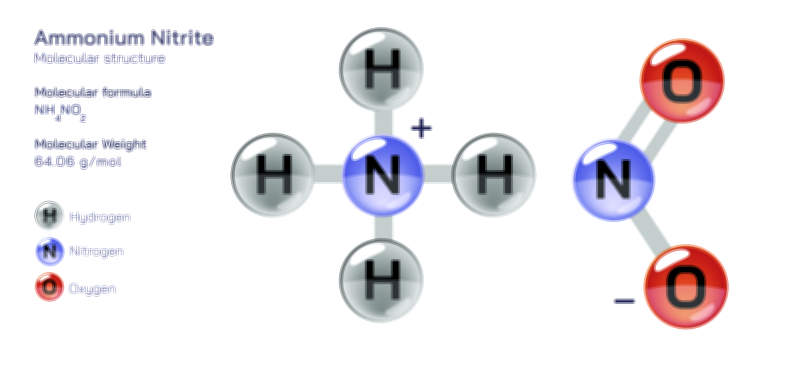
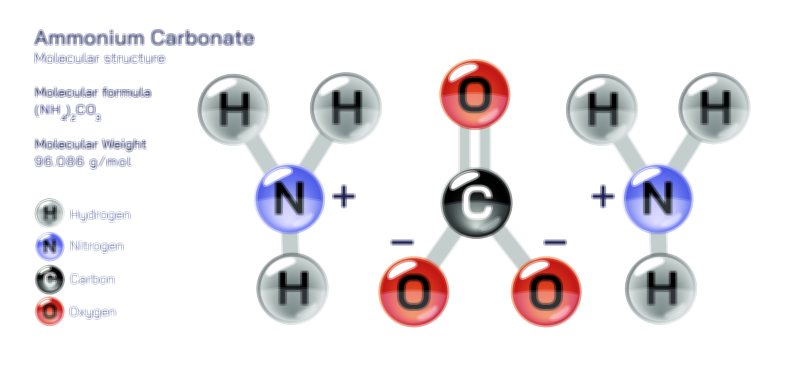
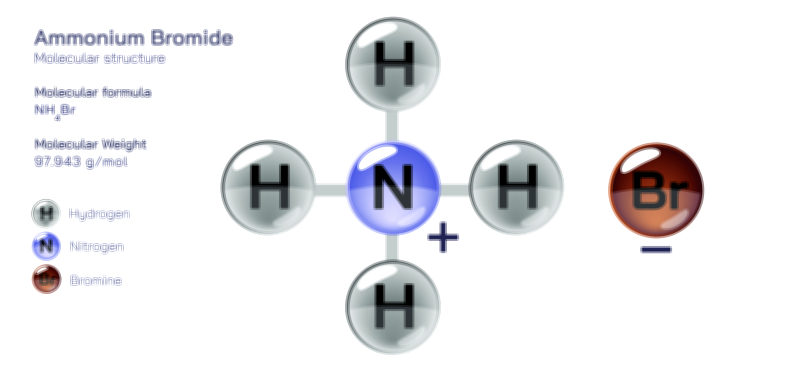
To understand why ammonium oxide is impossible, it helps to look at the ammonium ion itself. Ammonium is a stable, positively charged group found in many well-known real compounds such as ammonium chloride or ammonium sulfate. It forms when ammonia gains a hydrogen, creating a tightly bonded arrangement of one nitrogen surrounded by four hydrogen atoms. This structure is stable and predictable when paired with non-reactive or moderately reactive negatively charged partners. However, when ammonium encounters extremely reactive species—like the oxide ion—the stability breaks down. Any attempt to pair them in the manner suggested by the name ammonium oxide collapses instantly into ammonia and hydroxide, preventing the formation of any structured material.
Why a True Ammonium Oxide Compound Cannot Exist
The reason ammonium oxide cannot exist lies in the basic principles of acid–base chemistry. Ammonium behaves like a weak acid because it can give up a hydrogen under strong basic conditions. The oxide ion, however, is an exceptionally strong base that aggressively attracts hydrogen whenever it encounters a source. Instead of forming a balanced compound, the oxide ion immediately removes hydrogen from ammonium, disrupting the combination before any solid structure can form. The system rapidly shifts toward more stable species, meaning that even if someone attempted to create ammonium oxide, it would instantly convert into ammonia and a basic environment rather than forming any stable material.
The Closest Real Substance: Ammonium Solution in Water
Although ammonium oxide itself does not and cannot exist, there is a related concept that often gets confused with it. When ammonia dissolves in water, it forms a mixture commonly referred to as “ammonium hydroxide.” Even this name doesn’t describe an isolated molecule but rather a shifting balance between ammonia, ammonium ions, and hydroxide ions in solution. This mixture behaves as a mild base and is used in many household and industrial applications. Its existence helps illustrate why the idea of ammonium oxide is chemically unrealistic: instead of forming a structured compound, the chemistry naturally pushes toward ammonia-based solutions or simple ammonium salts, depending on the surrounding environment.
Why the Term Still Appears in Educational Materials
Even though ammonium oxide cannot exist, the name still appears in some teaching contexts because it helps students learn how to reason about chemical stability. It shows clearly that not every combination of positively and negatively charged groups will result in a stable compound. It prompts learners to think beyond simple charge matching and to consider deeper ideas like acid strength, base strength, stability, and reactivity. In visual or conceptual illustrations, ammonium oxide is presented only as a hypothetical arrangement to demonstrate how certain ions might be positioned if they were able to coexist, helping clarify ideas about ionic relationships and charge balancing even though the actual substance is impossible.