Leg Sensation and Cramp: Understanding Muscle Response and Nervous System Interaction
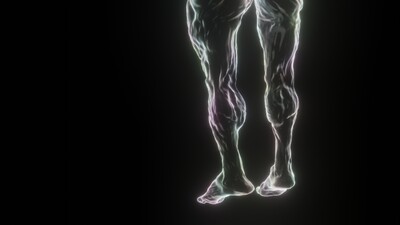
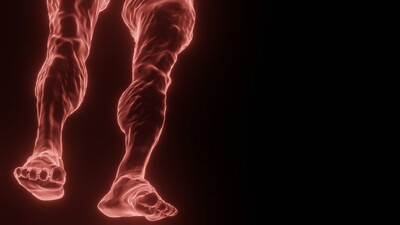
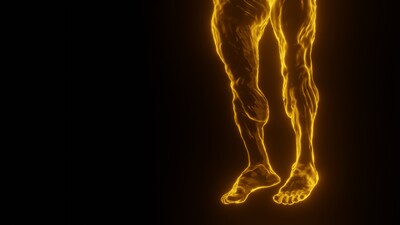
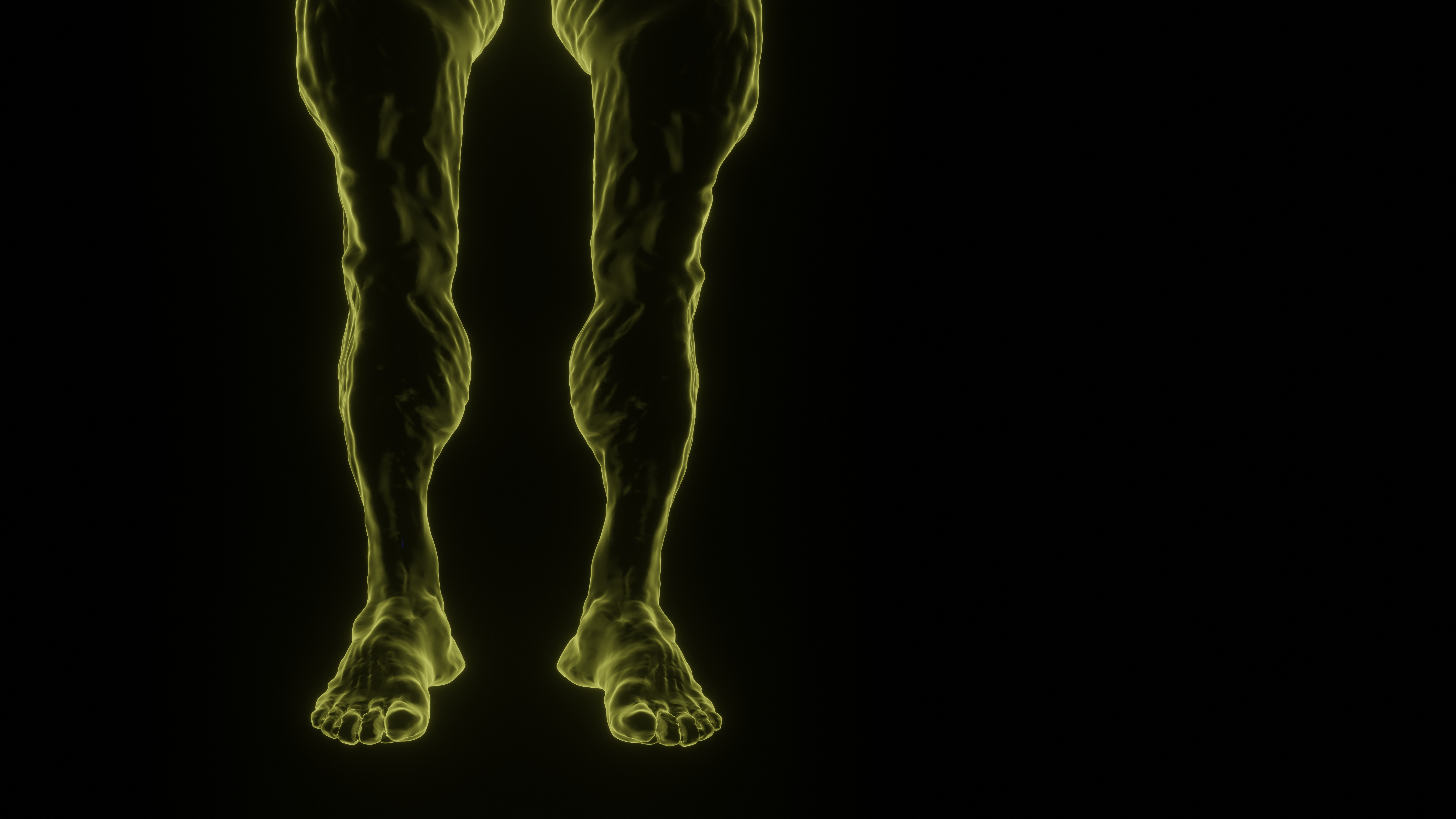
Leg sensation and cramp episodes form a striking combination of muscular tension, nerve involvement, and internal signaling patterns that often appear suddenly and demand immediate attention. Although many people experience these events, few fully understand what unfolds beneath the skin. A detailed exploration of these sensations shows how closely muscle fibers and nerve pathways work together to maintain balance, movement, and coordinated activity throughout the lower limb.
At the start of any sensation in the leg, a network of sensory receptors positioned throughout the tissue detects changes in pressure, stretch, movement, or discomfort. These receptors are sensitive structures embedded within layers of muscle, skin, and connective tissue. When something shifts unexpectedly—whether due to fatigue, posture, hydration level, or prolonged stillness—they generate rapid messages that travel through complex neural paths. These messages provide the brain with ongoing information about the condition of the limb, giving constant updates about stability and readiness for motion.
A cramp often appears when muscle fibers contract intensely and fail to release at the expected moment. In this state, the tissue becomes rigid, forming a concentrated area of tension. The sensation may begin with a mild tightening, then quickly intensify until the entire section of the limb becomes difficult to move. Many individuals describe a cramp as a sudden seizing or gripping sensation, where the muscle forms a dense knotlike structure. The feeling may radiate outward as nearby fibers respond to the central point of contraction.
Nerves play a major role in shaping the experience. Each muscle fiber depends on a nerve connection that tells it when to contract or relax. When communication becomes disrupted—whether from fatigue, overuse, lack of mineral balance, or extended immobility—the messages may become irregular, causing fibers to fire unexpectedly. In a cramp situation, the nerve impulse triggers forceful contraction, but the release signal becomes delayed or remains absent. The result is a sustained tightening that creates a dramatic and memorable sensation.
As the muscle stiffens, blood flow patterns may shift within the region. Circulation supports nutrient exchange, tissue resilience, and fluid balance. A strong contraction temporarily restricts flow, intensifying sensation in the affected area. The limb may feel warm, solid, or heavy, and the surrounding tissue reacts to the pressure by generating additional sensory signals. These signals add to the overall experience, making the event feel more powerful and demanding of immediate response.
The sensation of a cramp can also travel beyond its starting point. For example, a cramp in the calf may influence the lower leg or foot, depending on how the muscle chain responds. Tissue groups in the leg are highly interconnected, and a strong contraction in one region often influences distant parts. The body senses this interaction and sends multiple signals upward, creating a layered experience of tightness, pulling, and rapid onset discomfort.
The brain interprets these signals quickly, prompting instinctive reactions. People often stretch, shift weight, or manually press the area to relieve the sensation. These actions influence circulation and nerve signaling, encouraging the muscle to release. The immediate goal is to reduce tension, restore smooth movement, and allow the fibers to return to their natural length.
The recovery phase of a cramp also brings its own sensations. After the muscle releases, the leg may feel tender, loose, or weak as the tissue adjusts. Receptors continue sending information about residual tightness or sensitivity, helping the brain guide movement cautiously until full comfort returns. This stage reveals just how closely the nervous system tracks even subtle changes within the limb.
Understanding leg sensation and cramp behavior emphasizes how dynamic the lower limb truly is. The process involves precise coordination between nerves, muscle tissue, receptors, and circulation. Each element plays a role in maintaining stability, balance, and controlled motion. When something disrupts that collaboration, the limb produces intense feedback that demands attention.
This detailed view of leg sensation and cramp response outlines the complexity behind a seemingly simple event. The episode becomes a demonstration of the remarkable communication system that supports movement, awareness, and overall function. Through this understanding, one can appreciate how the body responds, adapts, and signals when the limb requires care, adjustment, or rest. The blend of muscular tension and neural activity forms a vivid representation of how finely tuned the leg’s internal mechanisms truly are.