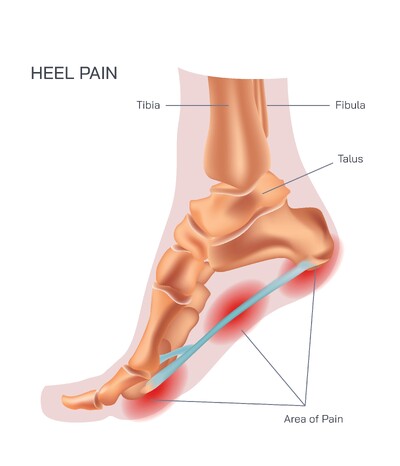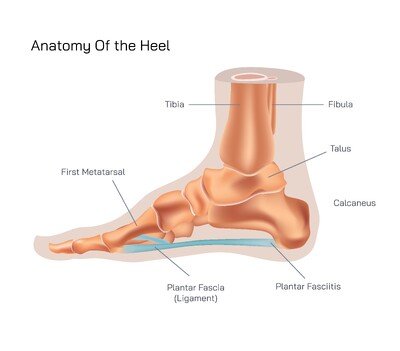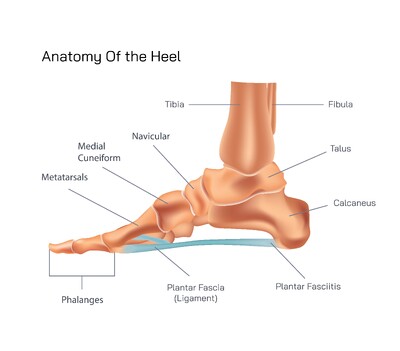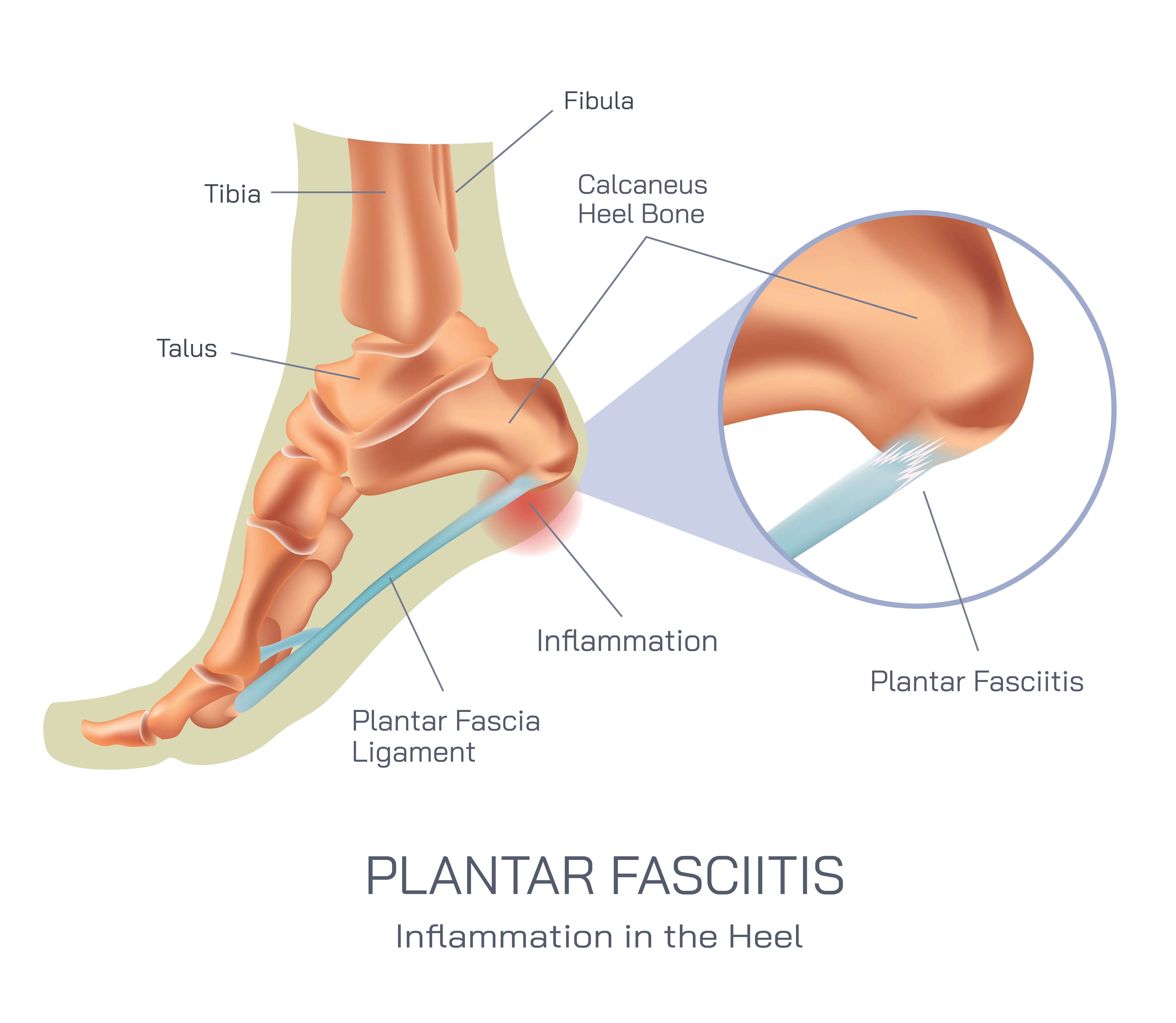
Plantar fasciitis is one of the most frequent causes of chronic heel pain and affects millions of people across all ages and lifestyles. It occurs when the plantar fascia, a long, thick band of connective tissue running from the heel to the toes, becomes irritated and inflamed due to excessive strain. Because the plantar fascia plays a crucial role in supporting the arch and absorbing shock during every step, inflammation disrupts the biomechanics of the foot and results in significant pain. Although plantar fasciitis often begins subtly, it can progress into persistent discomfort that impacts walking, physical activity, work productivity, and overall quality of life if not addressed properly.
The plantar fascia functions like a tensioned bridge beneath the foot, creating structural support that prevents the arch from collapsing under body weight. With every step, the fascia stretches slightly, stores mechanical energy, and releases it during propulsion. When the tissue is exposed to repetitive stress beyond its natural tolerance — whether due to sudden increases in physical activity, prolonged standing, intense running, high-impact sports, weight gain, or poor footwear — microtears develop at its point of attachment on the heel bone. These small tears trigger the inflammatory response responsible for heel pain. What makes plantar fasciitis especially challenging is that the fascia becomes tight during periods of rest; as soon as a person stands up in the morning, the tightened tissue suddenly stretches, causing intense pain until it warms up again.
The hallmark symptom of plantar fasciitis is sharp heel pain during the first steps after waking or after sitting for long periods. Many people describe it as stepping on a stone or experiencing a knife-like pain in the bottom of the heel. As movement continues, the pain may ease temporarily as the tissue becomes more flexible, but it typically returns after extended activity. Prolonged standing, running, long-distance walking, and climbing stairs tend to worsen symptoms. If left unmanaged, plantar fasciitis can transition from episodic pain to chronic pain that persists throughout the day, causing individuals to change their gait and posture subconsciously to avoid discomfort. These compensations may eventually lead to knee, hip, and lower back issues.
Multiple risk factors contribute to inflammation of the plantar fascia, and understanding them helps prevent recurrence. People with flat feet or high arches are prone to plantar fasciitis because they distribute pressure differently than those with neutral arches. Tight calf muscles and limited ankle flexibility place constant tension on the fascia, increasing strain during walking. Occupations that require prolonged standing — such as teaching, nursing, factory work, or retail — significantly increase risk over time. Athletes, especially runners and dancers, are prone to plantar fasciitis due to repeated impact on the heel. Inadequate footwear, especially shoes with thin soles, poor arch support, or hard heels, can quickly intensify symptoms. Sudden weight gain also places additional load on the heel.
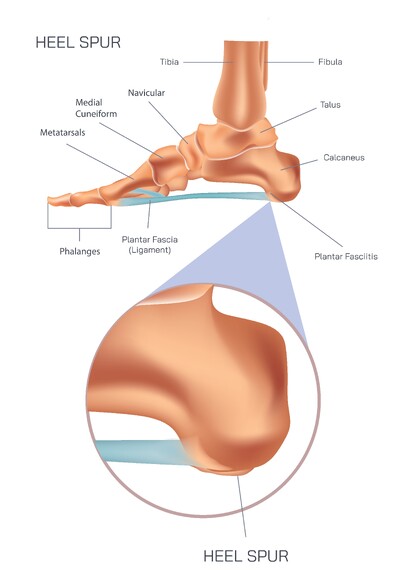
Diagnosis of plantar fasciitis is based on a combination of reported symptoms and clinical examination. Physicians evaluate tenderness along the bottom of the heel and test the stretch response of the plantar fascia. Pain that increases with dorsiflexion of the foot — lifting the toes toward the shin — is highly indicative of plantar fascia involvement. Imaging is usually unnecessary for most cases, but ultrasound may reveal thickening of the fascia, and X-rays can identify heel spurs that sometimes develop due to long-standing tension. Importantly, heel spurs are not the primary cause of plantar fasciitis but rather a consequence of repeated stress.
The backbone of effective treatment is reducing inflammation, relieving strain on the fascia, and improving tissue mobility. Simple home care such as ice application, temporary rest from high-impact activities, and gentle stretching of the calf muscles can significantly reduce symptoms during flare-ups. Strengthening exercises for intrinsic foot muscles support the arch, reducing strain during movement. Footwear modification is often one of the fastest ways to reduce symptoms — cushioned heels, supportive arches, and wider toe boxes prevent excessive pulling on the fascia. Orthotic inserts redistribute weight away from the heel and maintain proper foot alignment.
For stubborn or chronic cases, additional therapeutic approaches may be introduced under medical supervision. Extracorporeal shockwave therapy is frequently used when symptoms persist beyond several months because it stimulates tissue healing and breaks chronic inflammatory cycles. Platelet-rich plasma injections are another option intended to enhance the body’s natural recovery response. Deep tissue massage, myofascial release, and manual therapy are beneficial for releasing tension in the plantar fascia and calf muscles. Taping techniques and night splints can maintain tissue length during rest, reducing morning pain.
Surgery is rarely required, but may be considered in severe cases that do not respond to long-term conservative treatments. Surgical intervention typically involves releasing part of the plantar fascia to reduce tension. Post-surgical rehabilitation focuses on improving gait, restoring flexibility, and rebuilding strength to prevent recurrence.
Preventing plantar fasciitis recurrence requires ongoing awareness of foot mechanics and lifestyle habits. Wearing supportive shoes, avoiding abrupt changes in training volume, maintaining calf and Achilles flexibility, and strengthening the foot muscles all play key roles. Alternating high-impact exercise with low-impact activities, such as cycling and swimming, protects the heel during periods of recovery. Foam rolling, stretching routines, and maintaining a healthy weight provide additional long-term protection for the heel and fascia.
Plantar fasciitis inflammation in the heel can be painful, exhausting, and limiting, but with informed management it is highly treatable. The key lies in addressing both the inflamed tissue and the underlying biomechanical causes. When tension is reduced, movement patterns are corrected, and proper foot support is restored, most people return to full activity without ongoing heel discomfort. With the right strategy, it is entirely possible to move, walk, work, and exercise comfortably again — step by step, without fear of pain controlling daily life.