Environmental Viral Elements, Flu Origins, and Parasitic Dynamics Shaping Species Wellbeing
Environmental viral elements, flu origins, and parasitic dynamics create a far-reaching system of biological influence that touches nearly every corner of the natural world. These forces do not operate independently; instead, they weave through habitats, communities, and life cycles, shaping the wellbeing of countless living species. Each biological agent participates in a continuous interaction with its surroundings, responding to temperature shifts, resource availability, and the behavior of nearby organisms. Together, they generate patterns that determine the health and survival of entire populations.
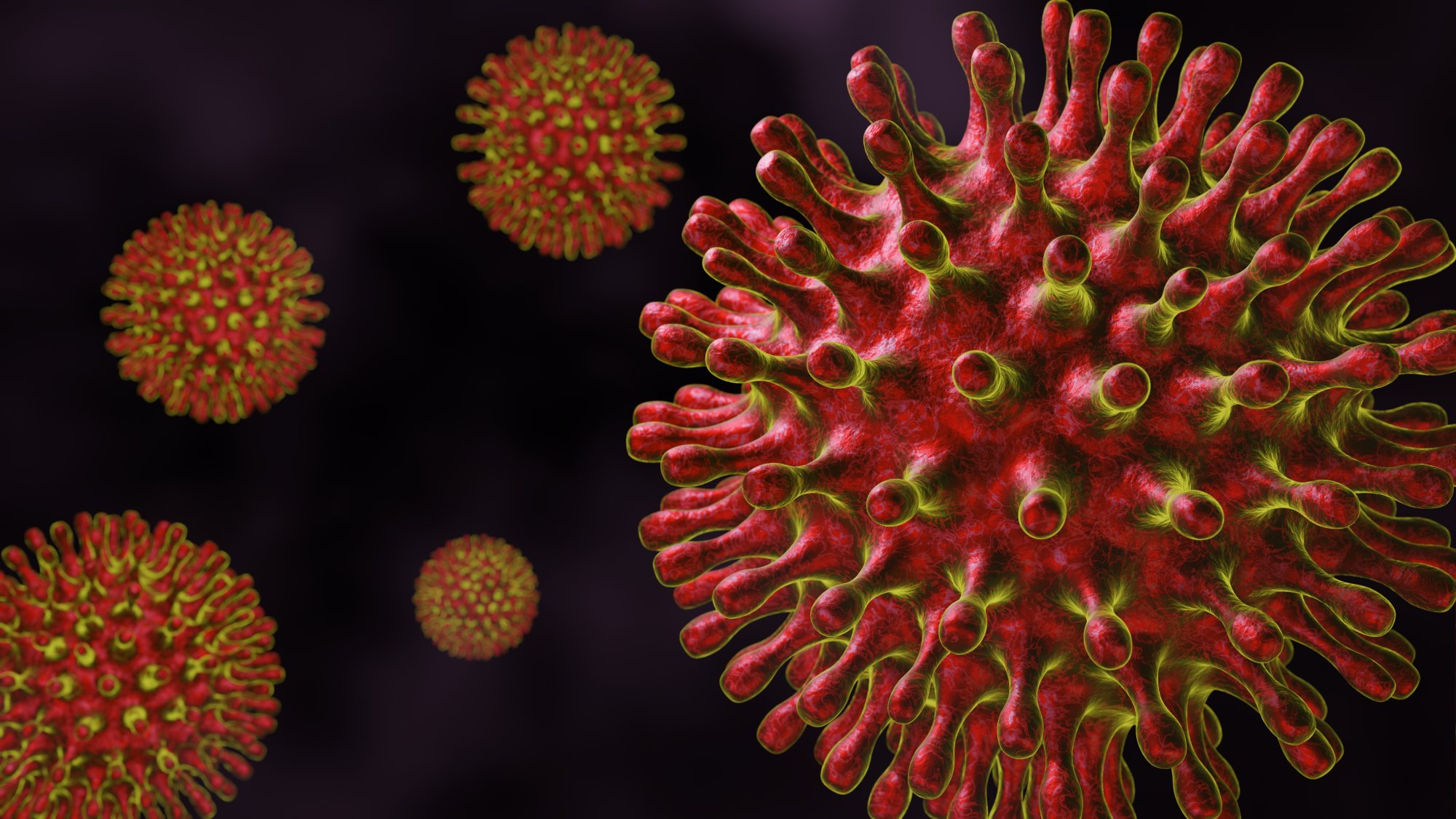
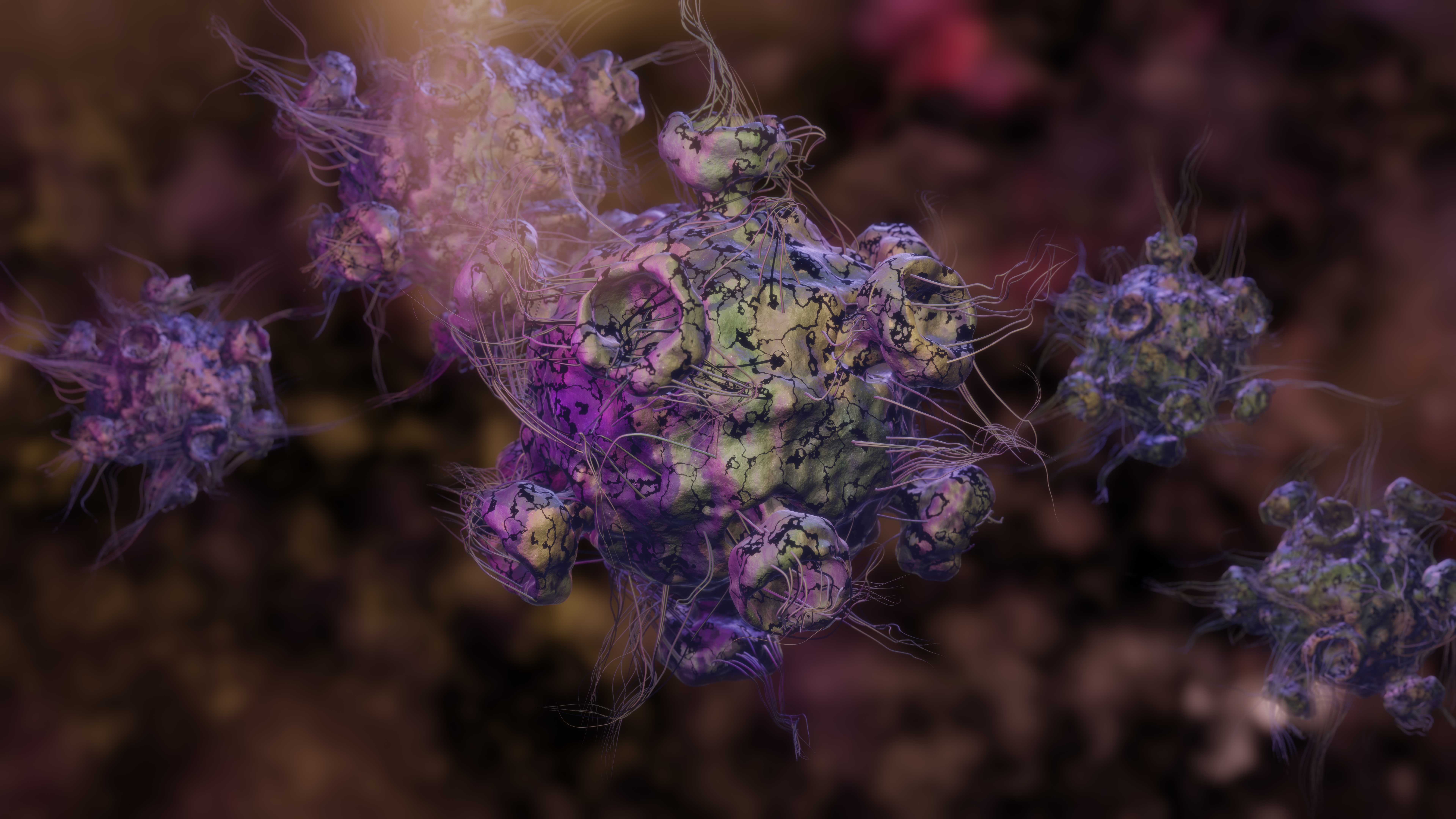
Viral elements present in natural environments move through air, surfaces, plants, and shared habitats. They can linger in subtle layers of moisture or drift within tiny airborne particles, waiting for contact with a suitable organism. Their presence often begins quietly, without immediately noticeable influence. Yet once they reach receptive tissues, they may trigger significant internal changes. Their ability to persist across varied conditions makes them long-lasting contributors to environmental pressure. Many species face repeated encounters with these agents as they perform everyday behaviors such as feeding, nesting, or migrating.
Flu origins add another dynamic layer to this complex system. These sources often emerge in seasonal rhythms influenced by climate shifts, humidity levels, species density, and environmental disturbances. Flu-related agents can move quickly through groups that share resources, shelters, or migration paths. When conditions support their spread, they introduce widespread stress into communities that depend on predictable cycles. Within ecosystems, these agents influence how species interact, how they compete for resources, and how they maintain population stability across generations.
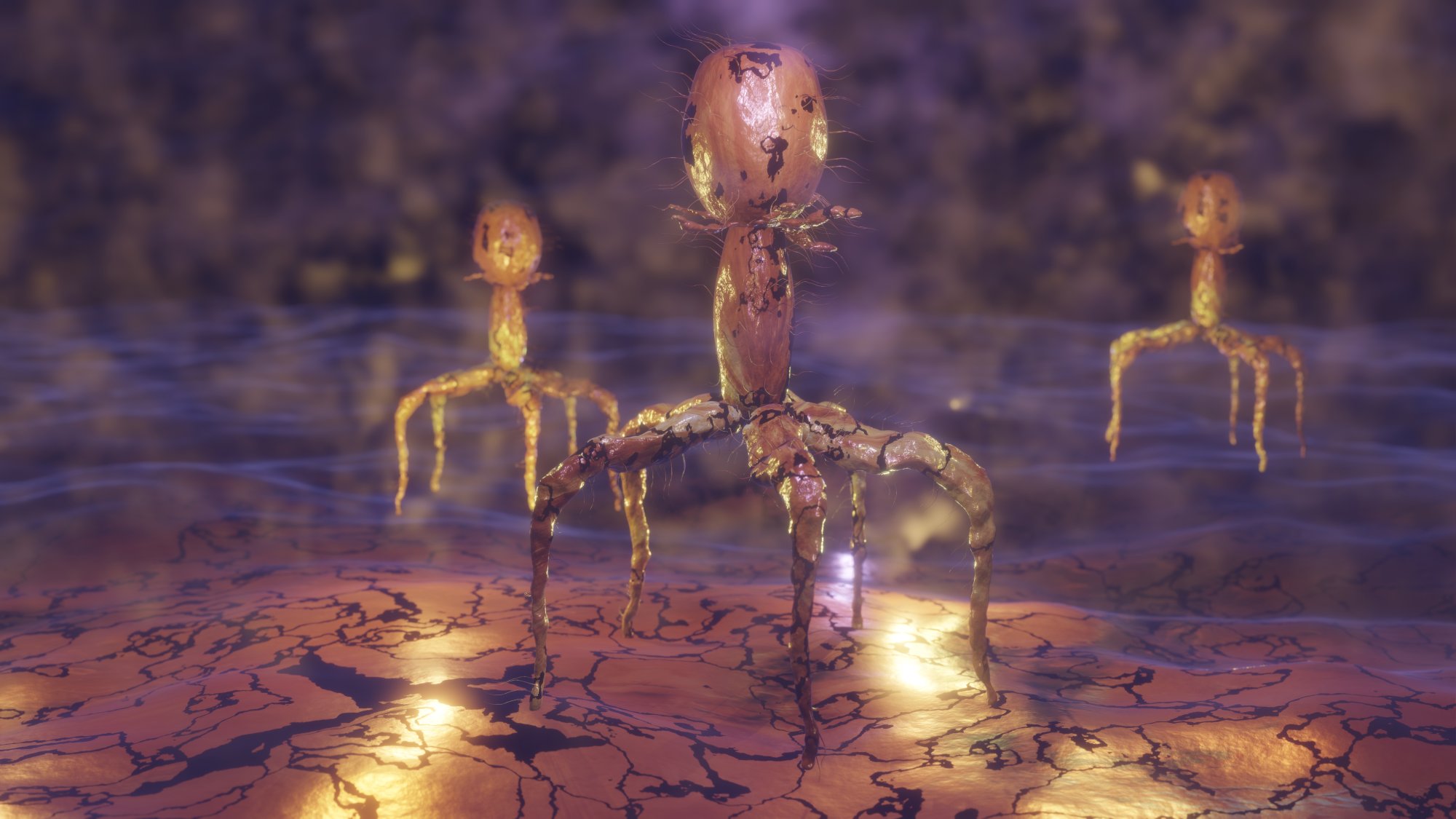
Parasitic dynamics contribute an additional and often more direct form of biological influence. Parasites thrive in multiple environments—water, soil, vegetation, and animal hosts. Their life cycles are designed for survival, persistence, and efficient transmission. Some parasites shift between several hosts, while others remain attached to a single organism for extended periods. Regardless of their approach, parasitic presence reduces energy reserves, alters growth patterns, and changes behaviors in ways that affect entire communities. When parasites flourish, they may reshape food chains, disrupt reproduction cycles, and weaken the resilience of affected species.
When viral elements, flu origins, and parasitic dynamics overlap, the combined influence becomes significantly more powerful. These forces interact with each other in ways that heighten biological pressure. An organism weakened by one environmental challenge becomes more susceptible to others. Communities experiencing rapid change due to climate conditions may struggle to recover from biological stress, especially when threats come from multiple sources simultaneously. The combined effect can ripple across ecosystems, reducing diversity and altering long-standing ecological structures.
Environmental conditions play a major role in determining the strength of these biological influences. Rising temperatures, shifting rainfall patterns, habitat fragmentation, pollution, and human activity can all amplify or weaken biological forces. Warmer climates may extend the active periods of certain viral elements or parasites, while increased moisture supports flu-related activity. Disturbed habitats allow biological agents to reach species that once lived in more protected environments. The more conditions shift, the more complex and unpredictable this biological system becomes.
Living species respond through a variety of strategies. Some evolve stronger external defenses, while others develop internal processes that limit biological influence. Behavioral changes emerge as well, such as altered migration routes, new nesting locations, or shifts in feeding patterns. These responses help maintain balance within ecosystems, but they require time—a resource that may not be available when environmental changes occur too quickly. Communities relying on delicate ecological relationships are especially vulnerable when biological forces intensify.
Understanding how these agents interact across ecosystems is key to protecting species wellbeing. Environmental monitoring, habitat conservation, responsible land use, pollution control, and community awareness all play essential roles in reducing unnecessary biological pressure. By supporting strong ecosystems, societies help natural communities maintain resilience against environmental viral elements, flu origins, and parasitic dynamics.
Ultimately, these biological forces form a powerful and enduring system that shapes the wellbeing of countless living species. Their influence stretches across continents, waterways, forests, and human-occupied regions. Through thoughtful management, ecological awareness, and support for natural resilience, ecosystems can continue to thrive despite the challenges posed by these dynamic environmental agents.