3D Rendered Ball Pen Nib — Macro Close Up Illustration Overview
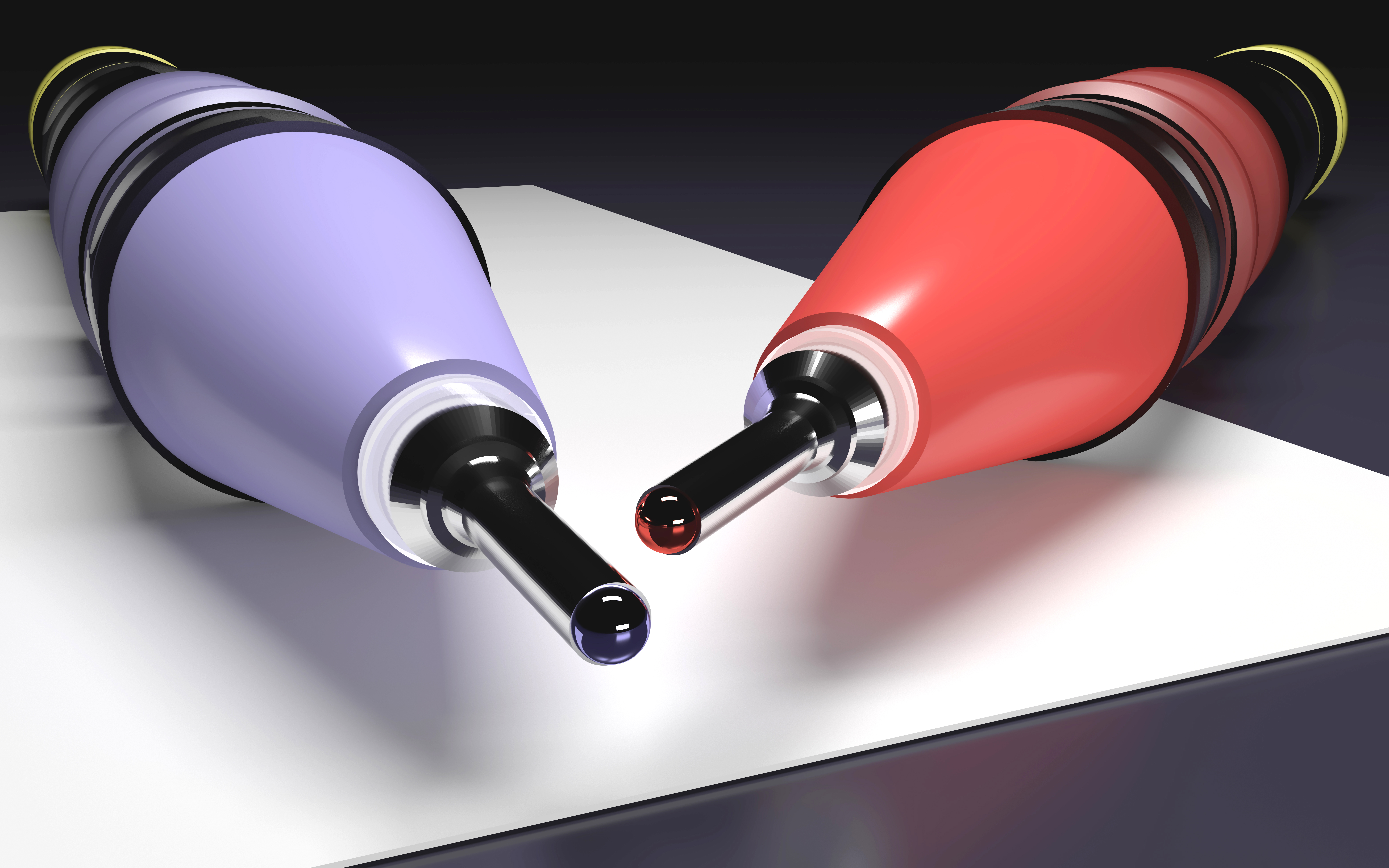
A 3D rendered macro close up illustration of a ball pen nib provides an incredibly detailed visual perspective of one of the most common writing tools used across the world. By enlarging the small metallic tip to a scale that reveals its textures, curves, and structure, the illustration highlights how the writing mechanism functions and how precision engineering enables smooth ink delivery. This type of rendering is popular in educational graphics, product design presentations, advertising visuals, and technical demonstrations because it brings the hidden details of everyday objects into clear focus.
The macro view emphasizes the spherical writing ball located at the nib’s tip. This small ball sits within a smooth metal cavity and is responsible for transferring ink from the reservoir to the writing surface. In a detailed 3D depiction, the ball often appears reflective, showing polished textures and subtle light interactions on its surface. These reflections help communicate the hardness and durability of the component, which is typically made of materials such as tungsten carbide for long-lasting performance. The cavity surrounding the ball is also shown with clear depth and contour, illustrating how the tip securely holds the sphere while allowing it to rotate freely.
The metal housing of the nib is another prominent element in the rendering. It is usually displayed with brushed or polished steel textures that capture realistic light highlights and surface imperfections. These fine details give the viewer a sense of the craftsmanship behind a tool that often goes unnoticed in daily usage. The macro scale makes it possible to appreciate the accuracy of manufacturing processes that form the narrow channel guiding ink flow toward the ball. This design must be precise to ensure consistent writing quality and prevent leakage or clogging, and the illustration brings those engineering considerations to life.
Lighting plays a crucial role in shaping the character of the macro close up. Directional light sources create shadows along the grooves and edges of the nib, enhancing depth and realism. Soft reflections along the metallic surfaces reveal curvature, while darker shadows inside the tip cavity emphasize its form. Some illustrations include slight environmental reflections to give the metal a lifelike appearance. These visual techniques create a strong sense of presence, making the nib appear large, solid, and finely crafted.
The rendering may also show a partial section of the pen body leading toward the tip. This portion often exhibits smooth gradient coloring, plastic textures, or metallic coatings depending on the pen’s design. The contrast between the pen body and the reflective nib adds visual balance and keeps the viewer’s attention focused on the functioning part of the writing instrument. Some scenes portray the nib positioned above a sheet of paper, adding context to the writing mechanism without distracting from the macro detail.
Another important aspect of such an illustration is the emphasis on realism while maintaining cleanliness. The macro view avoids ink smudges or imperfections unless required for stylistic purposes. This keeps the visual elegant and suitable for professional uses such as brochures, product showcases, packaging design, or educational material explaining how writing tools work. The clear and refined representation makes it ideal for manufacturers who want to highlight the precision and reliability of their products.
The 3D rendering technique enhances depth perception and allows intricate forms to be showcased with smooth gradients and accurate shadows. This level of visual refinement makes the ball pen nib appear both simple and sophisticated, reminding viewers of the complex engineering that goes into creating a tool used millions of times during everyday tasks such as writing, sketching, and note-taking.
Overall, a 3D rendered macro close up illustration of a ball pen nib provides an impressive, highly informative view of an object that is small in size yet essential in function. The expanded perspective reveals the intricate geometry, polished surfaces, and engineering behind the writing tip, making the illustration valuable for design communication, educational visuals, and any material requiring clear and captivating technical representation.