Proportional Representation Explained: Electoral System Balancing Votes and Seats Fairly
Proportional representation is a widely studied and implemented electoral system designed to ensure that the distribution of seats in a legislature reflects the proportion of votes won by each political party. Unlike majoritarian models, where only the party with the most votes in a district typically gains representation, proportional representation seeks to mirror the electorate’s preferences more accurately across the entire governing body. The philosophy underlying this system is based on fairness and inclusivity, recognizing that democracy functions best when even smaller or minority groups receive representation in decision-making processes. Rather than concentrating power in the hands of only the largest parties, proportional representation establishes a method where each vote contributes to political influence, thus reducing wasted votes and enhancing citizen engagement. This system has become a hallmark of electoral practices in many democracies around the world, enabling parliaments to reflect a broad spectrum of ideological perspectives.
The mechanism of translating votes into legislative seats under proportional representation
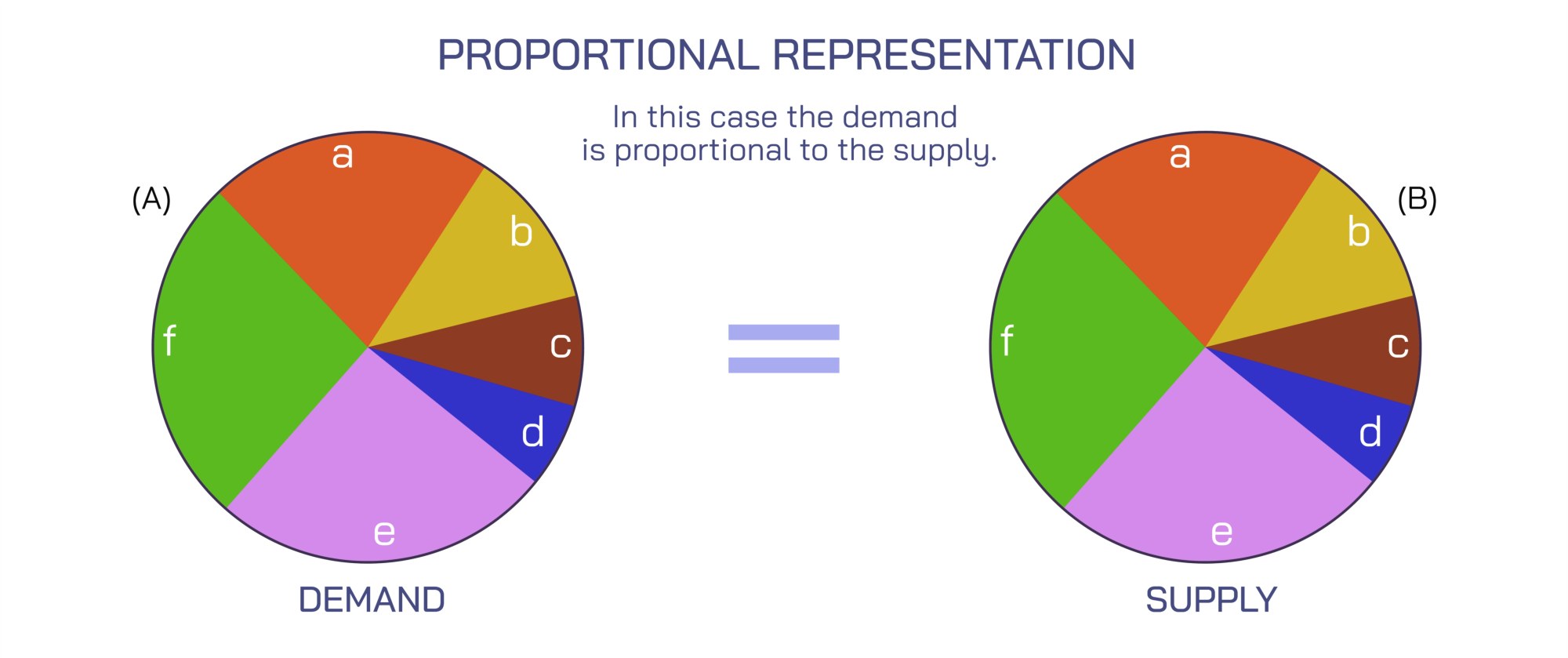
In a proportional representation system, the country is often divided into multi-member constituencies, meaning each electoral district elects more than one representative. Voters cast their ballots for a party, a candidate, or a ranked list of candidates, depending on the specific subtype of the system. After the votes are counted, seats are allocated according to the percentage of total votes received by each political party. For example, if a party secures 30 percent of the national vote, it should receive approximately 30 percent of the seats in the legislature. Variations of this system include party-list proportional representation, mixed-member proportional representation, and single transferable vote, each offering distinct ways of balancing voter preference with candidate selection. These mechanisms ensure that popular support translates into political power rather than being suppressed by the winner-takes-all rules characteristic of majoritarian elections. The mathematical allocation formulas may differ among countries, but the central objective remains constant: to match legislative strength with electoral support.
The representation of multiple parties and ideological diversity as a structural outcome of proportional systems
A defining feature of proportional representation is the encouragement it gives to multi-party politics. Under this model, smaller political groups have a much greater chance of securing legislative seats than in majoritarian systems, fostering plurality and broadening debate within government. Voters who might otherwise feel compelled to support a larger, more dominant party to avoid wasting their ballot are instead empowered to support their preferred platform or ideology. As a result, legislatures formed under proportional representation often include a rich diversity of perspectives, ranging from centrist policies to environmentally focused platforms, labor-driven agendas, social progress movements, and regional interests. This ideological inclusiveness can greatly enhance the quality of governance by expanding the range of ideas and policy proposals considered during lawmaking. Rather than amplifying a single narrative, the proportional model integrates multiple viewpoints, ensuring that broad cross-sections of society feel recognized and involved in the democratic conversation.
Coalition governments, power-sharing, and their influence on political stability and policymaking
Because proportional representation encourages multiple parties to gain seats, it frequently produces coalition governments rather than single-party majorities. In such arrangements, two or more political groups must collaborate to secure enough parliamentary support to form a governing bloc. Though sometimes perceived as complex, coalition building is an essential mechanism for collective decision-making and compromise. It reduces the risk of exclusionary policies and helps ensure that legislative outcomes represent wider societal interests. Power-sharing agreements encourage negotiation, incentivize moderation, and discourage unilateral or extreme policymaking. Some critics argue that coalitions can slow down decision processes or create tensions between partners, but supporters view these deliberations as healthy democratic checks that prevent concentrated authority and promote long-term stability. In many nations using proportional representation, coalition governments have become a cornerstone of political continuity, producing predictable, consensus-oriented leadership rather than volatile swings in policy direction.
Voter empowerment, reduced wasted votes, and improved democratic legitimacy
One of the strongest arguments in favor of proportional representation is the empowerment it provides to voters. When ballots contribute directly to representation rather than being sidelined if a candidate loses in a particular district, citizens gain a greater sense of political voice and satisfaction with the electoral process. People are more likely to participate in elections when they believe their vote matters, which can increase turnout and enhance civic engagement. The principle of reduced wasted votes distinguishes proportional systems as deeply democratic, ensuring that minority opinions can influence legislative decisions without submerging them under majority dominance. This equitable transformation of votes into parliamentary seats improves public trust, strengthens the perceived legitimacy of government, and reinforces the link between citizens and their representatives. By reducing distortions between voter support and parliamentary outcomes, proportional representation becomes an important tool for nations seeking to refine democratic responsiveness and fairness.
Proportional representation as a pathway to balance, pluralism, and sustainable governance
Examining proportional representation reveals more than a structure for distributing seats; it highlights a philosophy of governance rooted in inclusivity, fairness, and collective responsibility. Rather than rewarding only the largest political actors, it broadens the political arena so that diverse voices influence lawmaking. The system recognizes that modern societies contain a wide range of beliefs, needs, and aspirations, and that representative institutions must reflect this complexity. By providing a balanced connection between electoral support and legislative authority, proportional representation not only diversifies political leadership but also stabilizes democratic structures through shared responsibility. Whether implemented fully or combined with existing electoral arrangements, it remains a significant model for countries seeking to reduce polarization, empower voters, and promote accountable governance. The essence of proportional representation lies in its ability to turn every vote into meaningful influence, shaping governments that reflect the true mosaic of the society they serve.