Deep Hair Conditioning — Nourishment, Repair, Moisture Balance, and the Cellular Revival Process that Restores Softness, Strength, and Shine
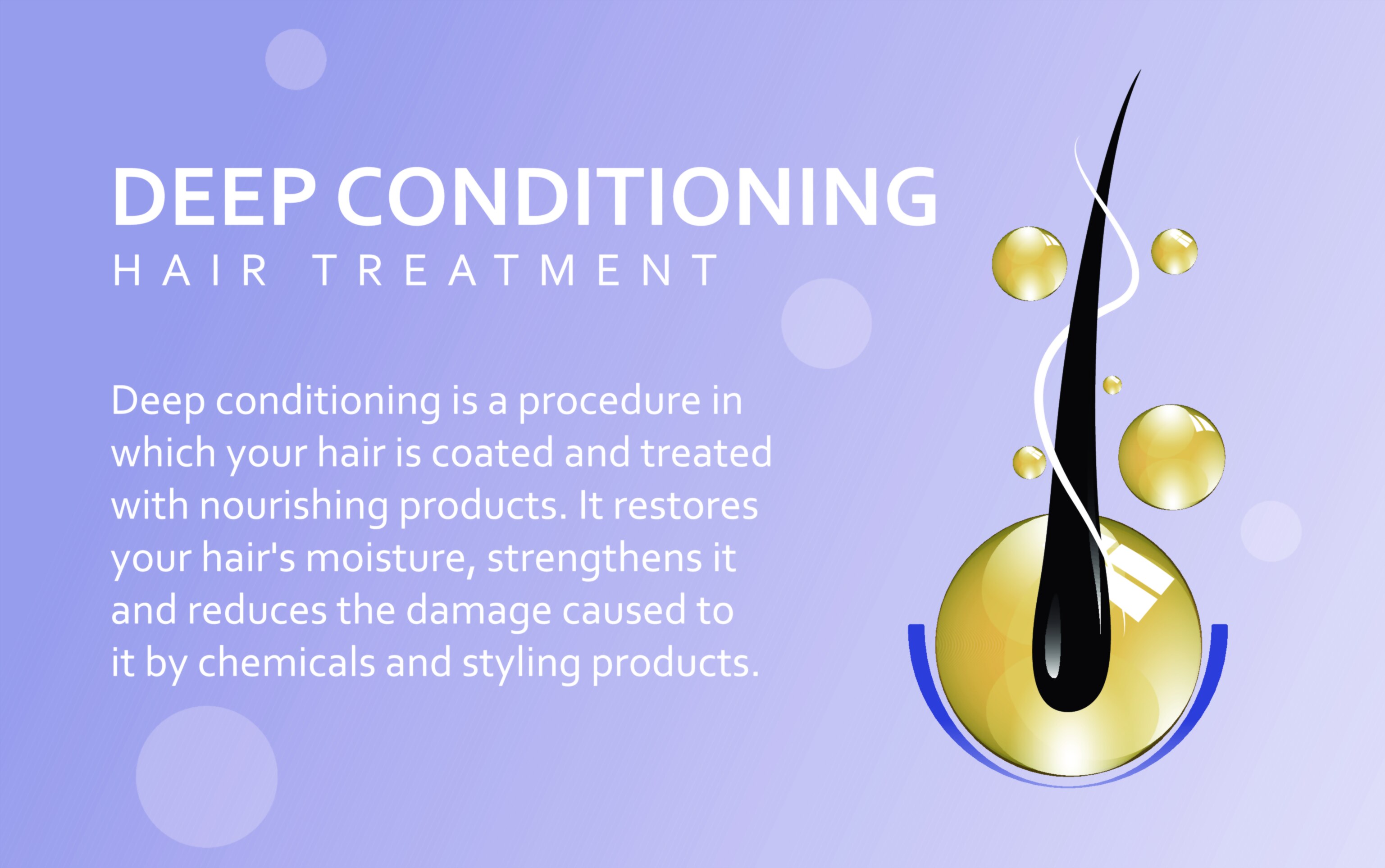
Deep hair conditioning is more than a soothing salon ritual; it is a biochemical nourishment process designed to repair and protect hair from the inside out. Every strand of hair is made of keratin proteins wrapped in overlapping cuticle layers, and these microscopic structures determine whether hair feels silky or coarse, strong or brittle, smooth or frizzy. Daily life places tremendous stress on these structures — heat styling, sun exposure, coloring, pollution, friction from brushing, mineral buildup from water, chemical treatments, and even seasonal humidity changes gradually wear down the cuticle. As the protective layer weakens, moisture escapes from within the strand, leaving hair dry, rough, tangled, and prone to breakage. Deep conditioning steps in as a restorative therapy that replenishes lost moisture, nourishes the fibers, seals weakened cuticles, and rebuilds softness by reinforcing the hair’s natural lipid and protein balance. The visible result is smoother, shinier, more flexible hair — but the real transformation begins invisibly at the cellular level, where deep conditioning supports the natural architecture of hair and brings it back toward its healthiest state.
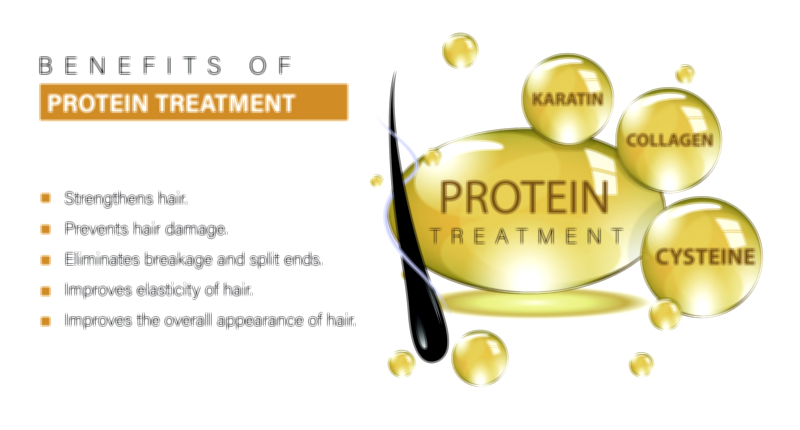
The deep conditioning process typically begins with cleansing the hair to remove surface residue, product buildup, and impurities that block moisture penetration. When the scalp and strands are clean, the cuticles loosen slightly, making it easier for conditioning ingredients to travel into the cortex — the structural center of the hair fiber. At this stage, the hair is primed to absorb moisture, oils, emollients, and strengthening compounds. Deep conditioners are formulated with rich ingredients designed to address multiple layers of hair health simultaneously. Humectants such as glycerin, honey, propylene glycol, and aloe draw moisture deep into the strand. Emollients such as coconut oil, argan oil, jojoba oil, shea butter, and avocado oil soften rough textures, helping the cuticle lie flat. Proteins such as keratin, hydrolyzed wheat protein, collagen, and silk amino acids fill microscopic gaps where natural protein has eroded. Ceramides and fatty acids reinforce the lipid barrier, preventing moisture loss after the treatment. Each ingredient plays a unique role, yet they work together to restore elasticity, reduce friction during styling, and protect the strand from future stress.
Heat plays a central role in enhancing the deep conditioning process. When heat is introduced through a warm towel, steamer, heat cap, or hooded dryer, the cuticle lifts slightly, allowing nutrients to penetrate more effectively. This phase represents the heart of the deep conditioning experience — a moment when the damaged regions of hair fibers open like tiny doors to receive nourishment. Individuals often describe this stage as relaxing, but biologically it is one of intense cellular activity. Conditioning molecules travel through water channels into the cortex, binding to protein chains where structural damage has occurred. Lipids coat the surface of the cuticle, while moisture levels rise within the strand — creating an internal reservoir of hydration. After the conditioner has worked for its full duration, whether twenty minutes or an hour depending on the formula and the hair’s needs, the cuticle slowly contracts back to its original structure, trapping the newfound moisture and nutrients inside. This hydration does not sit superficially on top of the hair; it is locked into the fiber, which is why deep conditioning effects last well beyond wash day.
Once the hair is rinsed and dried, the improvements become tangible. Instead of feeling coarse or rigid, the hair takes on softness and elasticity — qualities associated with strength rather than fragility. Frizz is reduced not because the hair is weighed down, but because the cuticle lies flat and smooth when properly hydrated. This flat surface reflects light more evenly, creating a lustrous shine that is impossible to imitate with silicone sprays or cosmetic glosses alone. Tangling diminishes, brushing becomes easier, and the hair naturally moves and bends without snapping. These are the external signs that the deep conditioning has revived internal flexibility and repaired microdamage. When practiced consistently, deep conditioning helps prevent the cycle of dryness and breakage that often feels inevitable, showing that hair health is not determined by luck but by nourishment.
One of the most transformative aspects of deep conditioning is that it brings balance back to hair that is either protein-starved or moisture-starved. Hair with protein deficiency becomes limp, stretchy, frizzy, and overly soft because its internal structure has weakened — in this case, deep conditioners rich in proteins help the strand regain stability and firmness. Conversely, hair that has too much protein becomes stiff, dull, and brittle, snapping under tension — here, deep conditioners focused on intense moisture rescue the strand by restoring internal hydration and flexibility. When the hair receives the right balance of protein and moisture, it reaches its optimal state of resilience: strong enough to hold shape, soft enough to move freely, and smooth enough to resist friction. Regular deep conditioning teaches individuals to observe their hair’s changing needs rather than apply a one-size-fits-all approach.
The long-term benefits of deep conditioning emerge not from single treatments but from consistent practice. With repetition, the cycle of damage begins to reverse: split ends occur less frequently, breakage becomes rare, curls and waves regain their natural pattern, and straight hair retains its smoothness even in humidity. For chemically treated hair — whether colored, relaxed, bleached, or permed — deep conditioning is not optional but essential. These chemical processes deplete natural oils and weaken internal bonds, meaning hair requires ongoing therapeutic support to remain healthy. Deep conditioning does not undo the chemical effects, but it fortifies the hair against them, making treatments safer and results more beautiful. Even hair that appears healthy benefits from nourishment because prevention is always easier than repair. Deep conditioning is the equivalent of maintenance for a biological structure — an investment in longevity rather than a temporary fix.
The emotional impact of deep hair conditioning is real and meaningful. Hair is a visible expression of personal identity, and when it becomes difficult to manage or stops responding to care, frustration and insecurity can grow. A deep conditioning session offers more than softness; it gives back a sense of control, comfort, and confidence. When hair feels good to touch, cooperates during styling, and behaves predictably in daily life, the individual wearing it experiences less stress and more self-assurance. It is not vanity — it is self-care expressed through the restoration of a part of the body that people carry openly every day. Hair that looks and feels healthy has a quiet psychological effect: it allows individuals to step into the world without hesitation, shielding them from the worry of unpredictable bad hair days.
Ultimately, deep hair conditioning demonstrates a simple but powerful truth: strong, smooth, and shining hair is not achieved by force — not by constant heat, tight styles, harsh cleansers, or extreme treatments — but by nourishment. The hair thrives when given moisture, proteins, lipids, and rest; it deteriorates when denied those needs. The deep conditioning nourishment process teaches that hair health, much like emotional well-being, thrives through consistency, gentleness, and support. It is a reminder that beauty is not a contest of effort but a reflection of balance — when the hair receives what it needs internally, it expresses that care externally with softness, strength, and radiance.