Hair Ad Template — Beauty, Care, and Styling Design for Marketing Explained
A powerful hair advertisement is never just a showcase of products; it is a carefully engineered emotional and visual experience designed to communicate beauty, confidence, transformation, and self-expression through the lens of hair. The most successful hair marketing material understands that consumers do not purchase shampoo, oil, serum, conditioner, or styling tools purely for functional reasons. They purchase the feeling of smoothness, the confidence of volume, the joy of shine, the relief of reduced hair fall, the satisfaction of frizz-free styling, or the empowerment of being able to wear their natural hair proudly without compromise. When a hair ad template is constructed with this psychology in mind, it becomes far more than an image with text — it becomes an invitation to imagine a version of oneself with stronger, healthier, fuller, and more vibrant hair. The structure of such an advertisement depends on how seamlessly it blends visual storytelling with linguistic persuasion, focusing on hair transformation as the centerpiece of desirability and aspiration.
The most compelling marketing concept begins by identifying the emotional outcome the brand wants viewers to feel when they see the ad. For products targeting smoothness and straightness, the imagery emphasizes reflective shine, frictionless texture, weightless movement, and controlled strands flowing effortlessly. For curly and coily hair care marketing, the visuals highlight nourishment, definition, hydration, and resilience, showcasing curls that spring with energy and fullness rather than frizz or dryness. For hair fall control campaigns, the ad shifts toward reassurance and recovery, emphasizing strength, root repair, scalp care, and reduced shedding, often featuring close-ups of healthy follicles or symbolic imagery of regeneration. In volumizing product promotions, the portrayal favors lift, bounce, body, and amplified thickness, capturing dramatic contrast between flat hair before and voluminous hair after. Every ad, regardless of product category, uses hair not as a background but as the emotional subject around which identity and confidence revolve.
The visual design of a hair advertisement typically centers the model’s hair as the brightest, most attractive, and most detailed element in the composition. Lighting is engineered to accentuate shine, contour, texture, and color, allowing the viewer to immediately associate desirable hair quality with the advertised product. The face plays a supportive role — rather than competing for attention — because the true story is told by the hair. Colors in the ad layout serve both aesthetic and psychological functions: golds and ambers signal luxury and nourishment; whites and silvers reinforce purity, science, and clinical care; rich browns and blacks evoke protection, moisture, and strength; pastel tones promote softness and self-care; bold neon colors signal fashion, styling power, and youthfulness. The placement of the product bottle, jar, spray, or tool is carefully balanced so that it stays visible without overpowering the central visual message, maintaining the impression that the transformation originates from the product.
Text in a hair ad must be minimal but emotionally targeted, triggering instant recognition of benefits without overwhelming the viewer. Words like “smooth,” “strong,” “nourished,” “thicker,” “defined,” “shiny,” and “frizz-free” are strategically selected because they resonate quickly with hair concerns most people understand. Each descriptor functions as a promise, and the supporting phrases reinforce that promise using sensory and emotional cues. Instead of describing what the product is, persuasive copy frames what the product does to the hair and how the user will feel afterward. For example, an ad emphasizing strength might say “Stronger roots, renewed confidence.” A smoothing product might express “Control the frizz, not your style.” A curly hair serum might communicate “Your curls deserve definition, not compromise.” These phrases do not explain; they evoke, because hair marketing works best when it taps into lived experience and desired transformation.
The underlying psychological engine of a hair advertisement template is aspiration blended with relatability. Consumers want to see themselves reflected in the message — not in terms of physical similarity, but in terms of emotional need. Someone experiencing frizz wants to see frizz solved. Someone fighting breakage wants to see strength restored. Someone seeking modern style wants to see creativity expressed. Someone embracing natural curls wants to see texture celebrated instead of controlled. Therefore, the selection of model, makeup, wardrobe, and scene reinforces the emotional narrative of the product: precision styling for salon-inspired brands, soft morning light for gentle nourishment products, bold and edgy sets for high-fashion styling solutions, or warm daily-life scenarios for family-friendly or budget offerings. Every detail supports a core promise — that using the product brings users closer to their ideal hair experience.
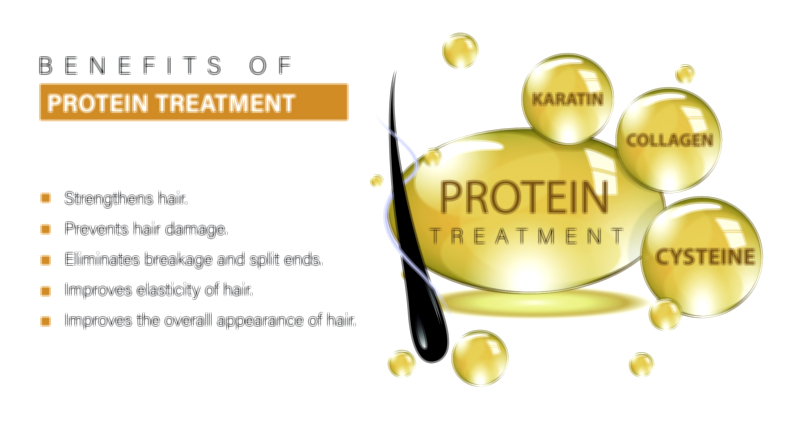
The best hair advertisements also marry beauty with science to reassure the viewer that aspiration is not just wishful thinking but grounded in technology and evidence. This does not require detailed explanations or clinical diagrams; instead, it uses subtle cues such as phrases like “advanced formula,” “salon technology,” “deep moisture repair,” or “strengthens from within.” The appearance of a scientific seal, a professional testimonial, or the suggestion of active botanical ingredients can shift perception from simple beauty enhancement to targeted hair care. Even the texture of the cream, oil, or serum may be shown in the background to signal richness, gloss, and nourishment without words. These elements lend credibility while allowing the main emotional story — beautiful hair — to remain center stage.
A complete hair ad template should therefore move through a layered sequence of visual and emotional communication: first, attraction through stunning hair imagery; second, recognition through relatable concern or aspiration; third, persuasion through promise-driven copy; and fourth, trust through subtle scientific or professional cues. All of these components work toward a single purpose, which is to make the viewer believe not only that the product works, but that the transformation shown in the image is attainable for them personally. When the viewer internalizes the ad as a personal possibility rather than a distant fantasy, the marketing has succeeded.
In the world of beauty and self-care marketing, hair is one of the most expressive symbols of identity — signaling confidence, personality, youthfulness, health, and individuality. A successful hair ad template captures that symbolism and turns it into a clear, emotionally compelling message: beautiful hair is not accidental, it is achievable, and this product is the key to unlocking that vision. Through careful orchestration of imagery, tone, model selection, text phrasing, and emotional storytelling, hair advertising becomes less a display of beauty and more a celebration of possibility, inviting every viewer to imagine their next version of themselves reflected in the shine, smoothness, volume, definition, or strength shown in the ad.