Dollar and INR Currency Comparison – Global Monetary Influence, Economic Development, and Shifting Financial Power Between the United States and India
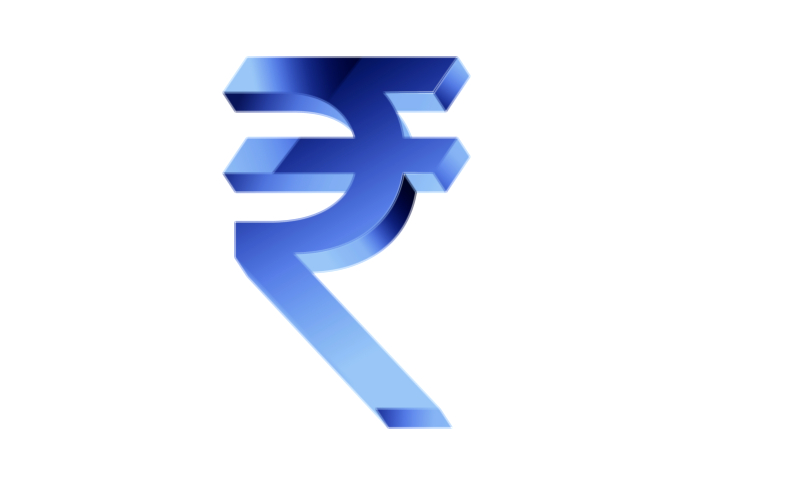
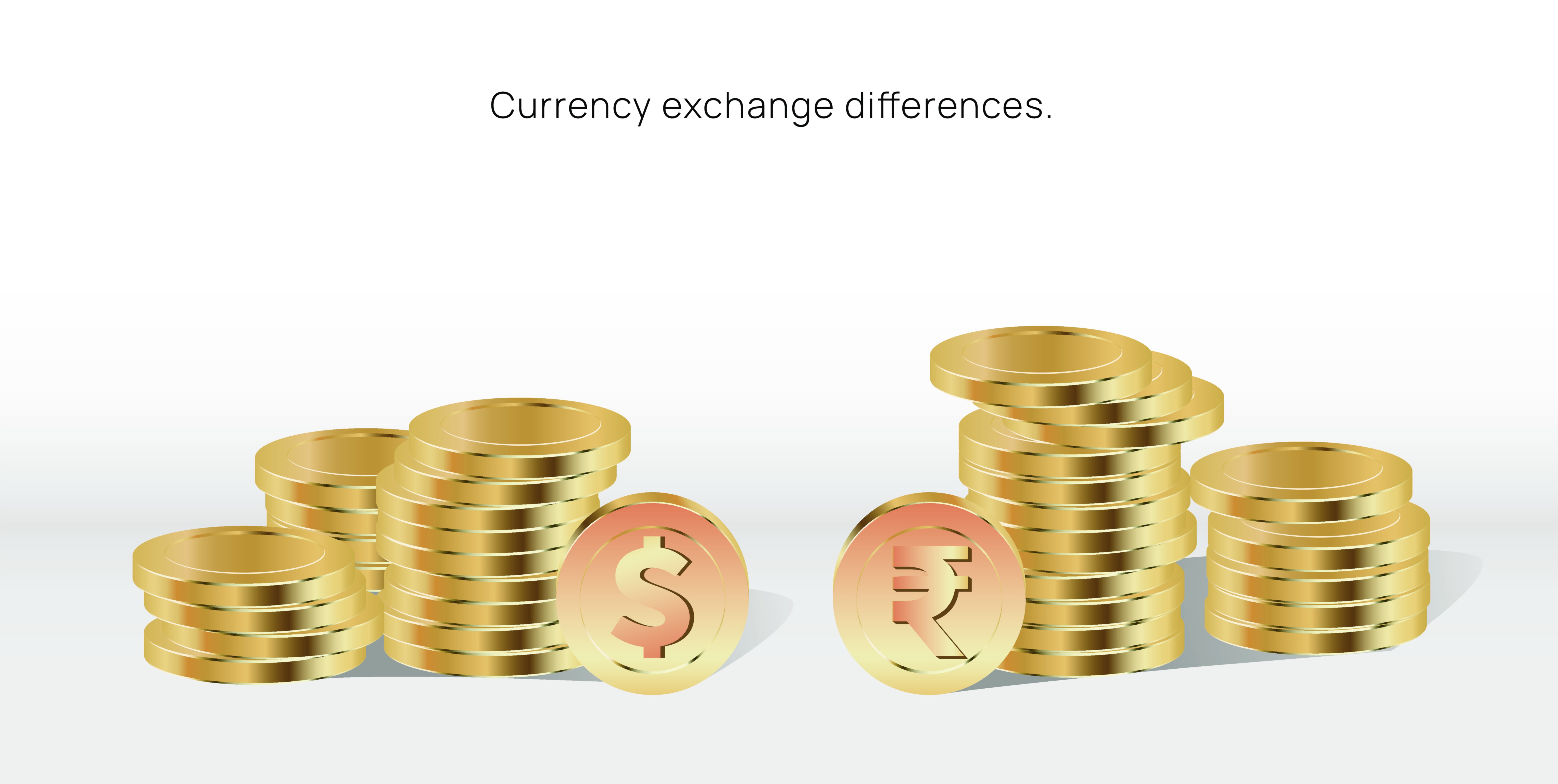
The comparison between the United States Dollar (USD) and the Indian Rupee (INR) is one of the most important reflections of modern global economics because it represents not only the balance of monetary power between a developed and an emerging economic giant, but also the evolving relationship between mature financial systems and fast-expanding consumer markets. In a vector illustration, this comparison is typically symbolized through the bold “$” sign placed alongside the stylized “₹” symbol, supported by rising and falling currency charts, arrows pointing up or down, financial map icons, and exchange-rate graphics. Even without text, viewers instantly recognize that the illustration expresses a comparison of currency strength, global economic influence, foreign exchange dynamics, and cross-border financial flows. The dollar conveys the image of a reserve currency tied to world trade and international investment power, while the rupee symbolizes the momentum of the Indian economy, domestic purchasing strength, manufacturing development, population-driven market expansion, and long-term growth potential. When these two symbols are displayed side by side, the visual becomes a representation of how global capital flows, how trade relationships evolve, and how financial expectations change between two economies that are deeply connected yet vastly different in scale and monetary behavior.
The story begins with the foundations that gave each currency its position. The United States Dollar gained reserve-currency dominance after the Second World War, and even after the end of the Bretton Woods gold standard, the dollar continued to shape the world because most international trade, especially oil and commodities, remained priced in USD. Global central banks hold dollars, international borrowing is often dollar-denominated, and foreign investors view U.S. financial markets as one of the safest and most liquid in the world. Because of this influence, the dollar is affected by interest rate decisions of the U.S. Federal Reserve, GDP performance, employment data, inflation trends, and geopolitical confidence in the United States. The Indian Rupee, in contrast, has grown alongside India’s rapid industrialization, technological innovation, and demographic expansion. It reflects domestic consumption, export competitiveness, service-sector strength, and government economic reforms. The rupee does not act as a global reserve currency, but it increasingly represents one of the world’s largest consumer economies and one of the fastest-growing GDP engines. As India expands in sectors such as pharmaceuticals, IT services, renewable energy, automotive manufacturing, and digital finance, global investors look at the INR not as a competing currency to the dollar but as a gateway to the growth potential of an emerging economic superpower.
In the forex markets, the USD/INR exchange rate becomes a direct indicator of the economic interaction between India and the United States. When the dollar strengthens relative to the rupee, it usually means that investors are moving money toward dollar-denominated assets due to higher U.S. interest rates, global uncertainty, or confidence in U.S. financial performance. A strong dollar makes imports into India more expensive — including fuel, electronics, machinery, and raw materials — which can contribute to domestic inflation. When the rupee strengthens, it often signals rising foreign investment inflows into India, an improvement in export performance, lower oil prices, or long-term optimism about Indian markets. A rising rupee increases domestic purchasing power, lowers import costs, and makes India-based assets more attractive. This constant dynamic — driven by interest rates, inflation patterns, foreign direct investment, trade flows, and geopolitical developments — becomes visually simplified through a vector illustration showing the two currency symbols alongside fluctuating price lines and arrows representing appreciation or depreciation.
The financial relationship between USD and INR becomes especially meaningful in trade and business. The United States is one of India’s largest trading partners; thousands of Indian companies export textiles, agricultural products, software services, pharmaceuticals, and engineering goods to the U.S. Meanwhile, American corporations sell technology, aircraft, energy resources, and industrial machinery to India. Because much of international trade is priced in dollars, Indian businesses often settle payments in USD even when trading with countries other than the United States. This means that the USD/INR exchange rate influences corporate profitability, pricing strategies, product affordability, import bills, and export competitiveness. When a vector illustration displays the dollar rising higher than the rupee, it symbolizes the increasing cost of imports for Indian industries. When the rupee appears stronger, the graphic conveys increased industrial purchasing power and export advantage. The symbolism is powerful because a single currency movement can ripple through gasoline prices, airfares, consumer electronics costs, business contracts, and government budgets.
At the investment level, the comparison carries further significance. U.S. markets — Wall Street equities, treasury bonds, index funds, and technology stocks — attract global investors seeking stability and high liquidity. A strong dollar makes these investments appealing to international institutions and domestic U.S. investors alike. India represents a different kind of investment opportunity — high growth rather than stability. Foreign investors who put money into Indian markets, particularly through equity, infrastructure investment, and manufacturing projects, often exchange USD for INR, increasing demand for the rupee and strengthening it. The performance of the INR therefore becomes a signal of investor confidence in India’s growth story. A vector illustration highlighting both currencies may combine the dollar with gold-style reliability symbolism and the rupee with rising-market growth symbolism. This duality captures the truth of modern investment psychology: the dollar is a symbol of mature, stable financial institutions; the rupee is a symbol of expanding markets and future-driven opportunity.
Culturally and socially, fluctuations in USD–INR value are felt in everyday life far beyond stock markets or banks. Students studying abroad, tourists traveling between countries, multinational employees receiving salaries, Indian expatriates sending remittances home, and businesses purchasing raw materials all feel the effects of exchange changes. Digital commerce and freelancing also link these currencies; millions of professionals earning globally but living in India measure their purchasing power in rupee terms. When the dollar grows stronger, remittances become more valuable for families in India, but imported goods and international studies become more expensive. When the rupee strengthens, domestic affordability improves while exporters may experience competitive pressure. Everyday people across both nations participate unknowingly in the USD–INR cycle — and the illustration of both currency symbols together silently captures this lived reality.
The vector format makes this comparison visually impactful because it ensures clarity at any scale, from banking apps and forex dashboards to financial posters, global business infographics, policy publications, market presentations, and educational materials. The polished lines, scalable geometry, contrasting typography, and currency color themes help the viewer interpret economic signals quickly and subconsciously. Even a simple arrangement — a rising arrow under “$” and a fluctuating arrow under “₹” — conveys global trends without a single sentence of text. It transforms abstract macroeconomics into understandable visual logic.
Ultimately, the Dollar and INR Currency Comparison represents more than exchange-rate mathematics — it reflects a global balance between established power and rising power. The dollar remains the anchor of international trade and the world’s reserve currency, shaping the financial outlook of banks, corporations, and governments worldwide. The rupee represents the force of a rapidly developing economy driven by population scale, technological advancement, entrepreneurial energy, and shifting geopolitical influence. Their interaction is not a competition of dominance but a record of transition — the world’s largest current economic authority and one of the world’s fastest-growing economies shaping each other through trade, investment, migration, innovation, and consumer demand. A vector illustration placing the USD and INR side by side is therefore not just a design; it is a visual summary of how the world economy evolves, how power shifts patiently across decades, and how prosperity is built through both experience and growth.