Investment in Crude Oil and Gold Vector Illustration for Financial Growth
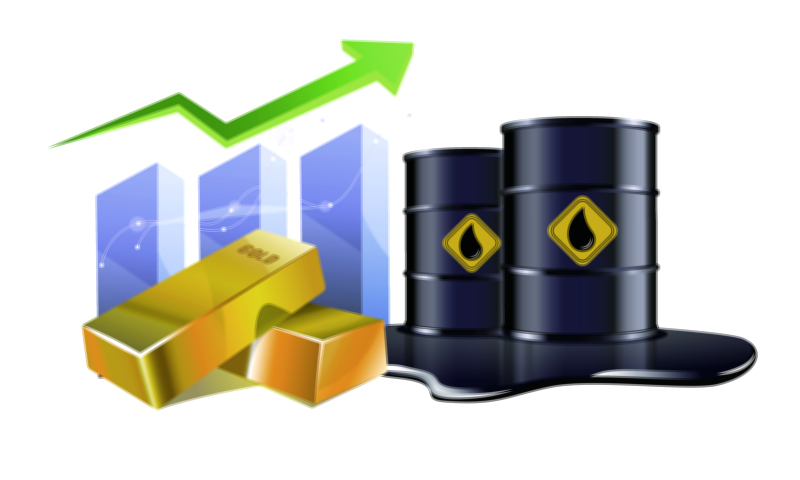
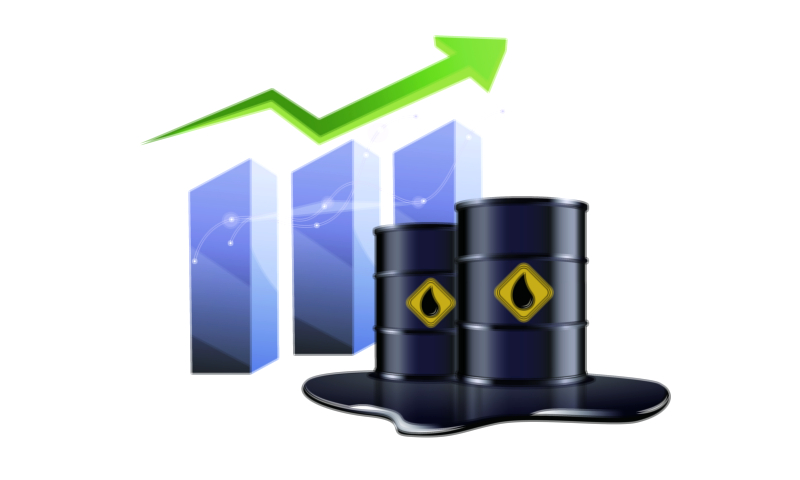
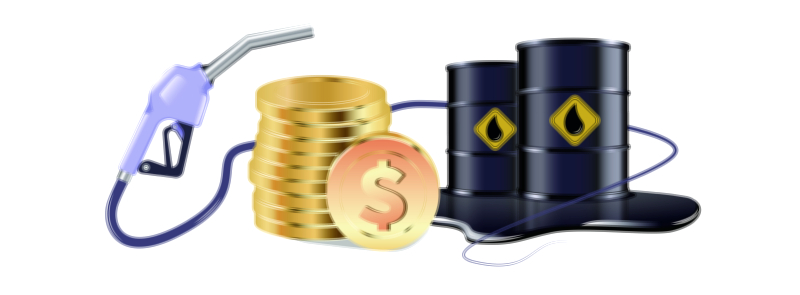
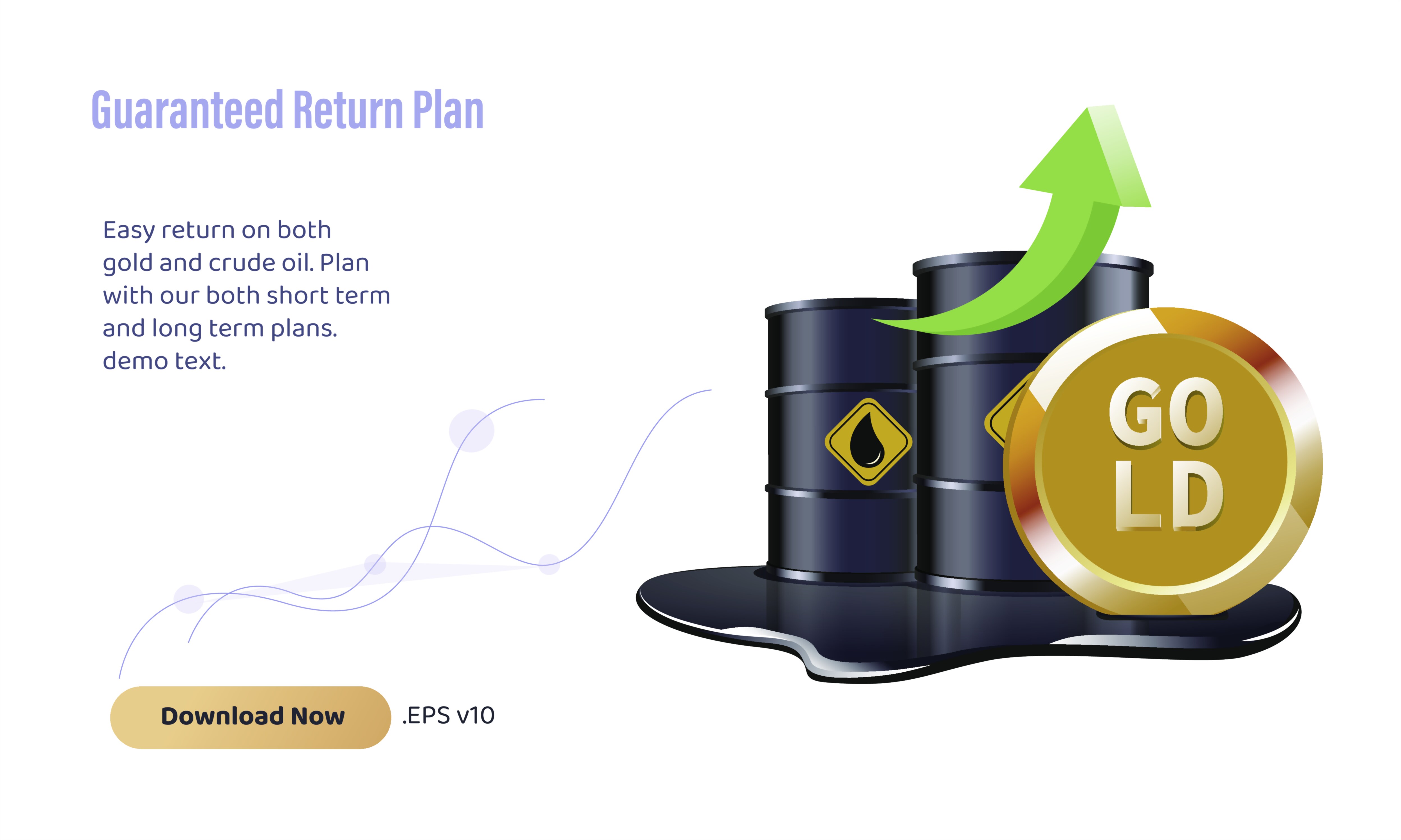
Investing in crude oil and gold has long been regarded as one of the strongest wealth-building strategies because both assets reflect two opposite yet complementary forces of the global economy: growth and security. When visualized together in a vector illustration, crude oil is often represented through oil barrels, drilling rigs, and fluctuating market arrows, while gold is portrayed through bullion bars, gold coins, and stability-themed symbols. The purpose of such an illustration is not simply artistic arrangement but an explainer of financial psychology — crude oil represents economic expansion powered by industrial demand, energy consumption, and global commerce, while gold symbolizes monetary protection, inflation resistance, and crisis-proof wealth preservation. When these two icons stand side by side in a scalable vector format, they visually communicate how smart investors leverage both progress and caution to achieve long-term financial growth rather than depending on any single asset.
Crude oil plays an active role in the growth phase of the global economy because nearly every industry is tied directly or indirectly to energy consumption. A rising demand for transportation fuel, manufacturing, shipping, aviation, petrochemicals, and industrial production generally drives oil prices higher. When business confidence grows and trade expands, oil becomes one of the biggest beneficiaries, making it a rewarding investment during economic upturns. Even geopolitical tensions and supply disruptions — though difficult for world peace — can create sharp price increases for oil as markets attempt to balance uncertainty against necessity. Because crude oil reacts quickly to macroeconomic signals, stock market sentiment, and political instability, its price chart becomes a compressed record of global events. This makes crude oil an asset that can accelerate financial growth when handled with foresight, awareness of global developments, and disciplined risk management.
Gold, conversely, operates in the opposite emotional spectrum of financial behavior. It becomes most valuable when uncertainty rises and confidence falls. Unlike oil, which reflects activity, gold reflects protection. It does not rely on industrial consumption but on its universal acceptance as a store of value through centuries of monetary evolution. When inflation increases, when stock markets stumble, when currencies devalue, or when governments face economic stress, gold strengthens because investors view it as shelter from financial storms. Central banks hold thousands of tons of gold reserves not because it generates income but because it preserves national financial security independent of political or banking systems. Gold is unchanging, corrosion-resistant, and supply-limited — its physical nature and historical legacy make it a psychological foundation for wealth preservation. It may not grow portfolios quickly in times of optimism, but it prevents capital damage in times of crisis, which is just as important in long-term financial planning.
Crude oil and gold therefore form a balanced investment duo because their value cycles are complementary rather than identical. Oil thrives during periods of global expansion, while gold thrives during contraction. Oil benefits during increased industrial activity, while gold benefits during inflation and financial turbulence. Oil reflects the direction of commerce; gold reflects the emotional confidence of investors. A portfolio that contains both is better equipped to weather economic cycles: when oil accelerates gains, gold stands quietly as insurance; when uncertainty weakens oil, gold steps forward to stabilize the portfolio. This dynamic creates a natural hedge system that supports financial growth across good and bad market conditions without depending on predictions or perfect timing.
This balance is precisely what a vector illustration for financial growth helps communicate visually. The sharp geometry and clean lines of vector graphics allow charts, icons, and financial indicators to scale without losing clarity, making them suitable for presentations, blogs, investment platforms, financial reports, and educational graphics. The oil barrel and drilling rig visually imply upward opportunity, while the gold bar reinforces permanence and security. When shown together with arrows, market curves, or bar graphs, the illustration delivers the simple message that disciplined investing is not defined by speculation but by diversification across assets that respond differently to global changes. For beginners, the image serves as a conceptual guide to understanding risk balance; for professionals, it conveys portfolio maturity and strategic planning.
The deeper idea behind investing in crude oil and gold is not to chase quick profits but to understand financial resilience — the ability of wealth to grow during favorable markets and remain protected during unfavorable markets. Investors who rely only on fast-rising assets experience stress and risk because economic cycles constantly shift. Those who rely only on safe assets may preserve money but struggle to build long-term growth. Combining oil and gold means recognizing that the financial world is shaped by both ambition and uncertainty, confidence and caution, optimism and risk. One asset pushes wealth upward; the other shields it from falling too sharply. Growth becomes not a gamble but a plan.
In practical wealth management, this dual-asset strategy appears in many forms: oil futures and gold ETFs, energy sector stocks and bullion savings, commodity index funds and sovereign gold bonds, infrastructure equities and digital gold. Whether through direct exposure or diversified funds, the underlying principle remains identical — success comes from positioning capital where it can grow continuously without collapsing during turbulence. Even when markets behave unpredictably, a portfolio grounded in both assets maintains equilibrium because each responds to different economic triggers.
At an emotional level, the message represented by crude oil and gold goes beyond charts and returns. It teaches investors that financial success is not built on speed, impulsive decisions, or momentary excitement, but on understanding how value flows across the world and how assets move at different rhythms. It reminds them that progress and protection are not conflicting goals — they are partners. Oil teaches adaptability to market energy; gold teaches patience and preservation. Together, they form a philosophy of financial discipline that crosses generations, market cycles, and global events.
Ultimately, investment in crude oil and gold for financial growth is about seeing wealth not as a chase but as a structure — one that needs both support beams and shock absorbers. Vector illustrations that combine these two commodities are powerful because they embody the concept visually: the force that drives economic momentum and the force that safeguards wealth. They speak equally to beginners discovering investment principles and to seasoned investors refining their strategy. Just as scalable vector graphics maintain clarity across different sizes, a diversified commodity strategy maintains financial clarity across different market cycles. It protects, grows, balances, and endures — proving that true financial strength comes not from any one opportunity, but from understanding how global forces work together and building wealth that is ready for every season of the economy.