Investment in Crude Oil and Gold – Strategic Wealth Building Through Commodity Markets
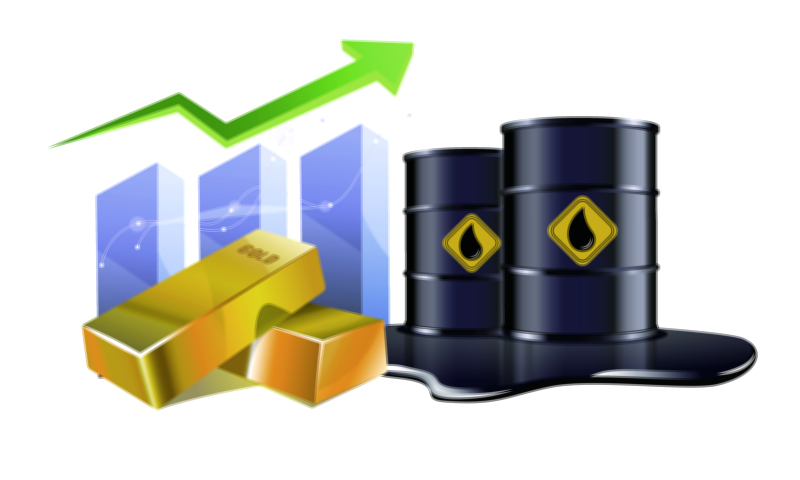
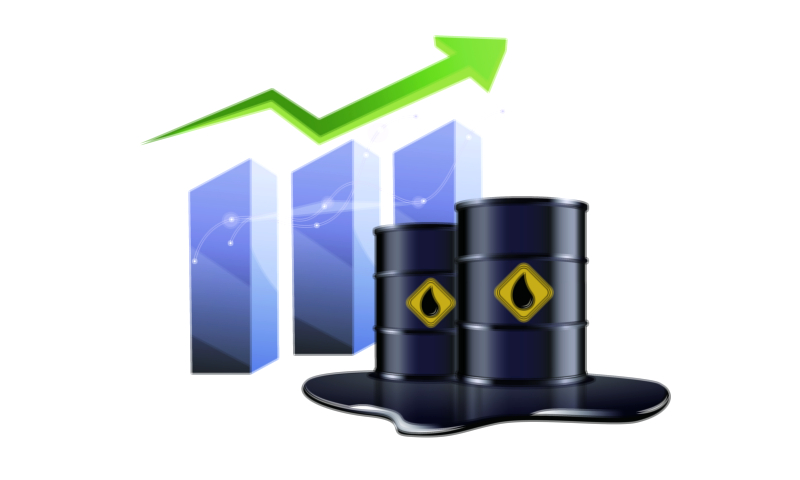
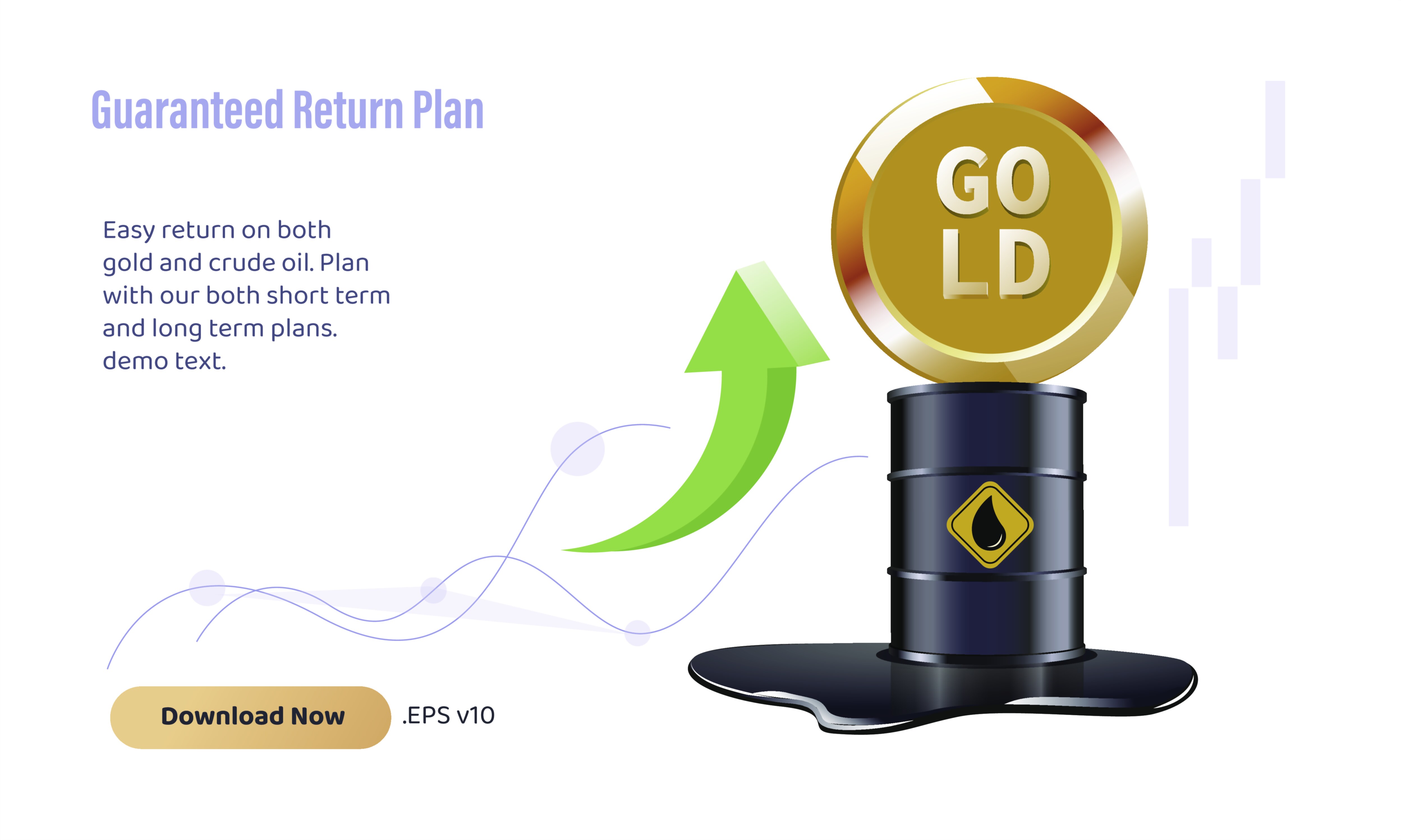
Investing in crude oil and gold represents one of the oldest and most strategic pathways to wealth preservation and long-term financial security, because these two commodities are not only market-traded assets but powerful economic indicators that shape the global financial ecosystem. Crude oil serves as the lifeblood of modern industrial civilization, powering transportation networks, manufacturing sectors, global trade, defense systems, and energy production. Gold, in contrast, has stood for centuries as a symbol of monetary stability, intrinsic value, and crisis-proof wealth storage, retaining purchasing power through wars, recession cycles, inflationary phases, and currency devaluations. When visualized together in a vector illustration, crude oil and gold are often represented by oil barrels, drilling rigs, golden coins, bullion bars, financial arrows, and market graphs that merge industrial power with monetary dominance. This visual symbolism communicates both the tangible and psychological value of these commodities: oil drives economic momentum while gold protects wealth from uncertainty. The illustration becomes not only a design element but a conceptual map that bridges investors’ understanding of resource-driven value creation and long-term financial planning.
The relationship between crude oil and gold becomes clearer when we examine how global markets react to changing economic forces. Oil prices tend to rise in periods of industrial expansion, geopolitical disruption, supply chain tension, or energy scarcity. Rising oil prices can trigger inflation as transportation and production costs rise across economies. During such phases, gold often strengthens because investors seek protection from currency debasement and inflationary pressure. In times of crisis or financial instability, when stock markets fall and consumer confidence declines, gold historically becomes a safe-haven store of value. However, crude oil may also appreciate during geopolitical conflicts, especially when oil-producing regions confront sanctions, war, or political uncertainty. This creates an investment dynamic where oil and gold can act either independently or complementarily depending on economic conditions. Investors who understand this interplay do not chase volatile price swings blindly — instead, they observe the patterns that link industrial cycles, policy decisions, energy consumption, monetary policy, and global trade.
Investing in crude oil can take many forms, such as futures contracts, oil ETFs, energy company stocks, exploration and drilling equities, pipeline infrastructure funds, or physical market exposure for industrial participants. Oil markets are influenced by OPEC production decisions, natural disasters, technological changes in drilling and refining, renewable energy competition, economic recovery trends, and shifts in global transportation consumption. Investors are not simply betting on price charts — they are analyzing human movement, consumer confidence, trade demand, and energy policy. Oil prices can be highly volatile because the asset reacts quickly to even small shifts in supply and demand. A hurricane hitting a major refinery zone, sanctions on an oil exporter, or government announcements about strategic petroleum reserves can immediately move prices. For experienced investors, this volatility creates opportunity when managed through risk awareness rather than speculation. For long-term investors, oil provides exposure to the continuing global dependence on energy, manufacturing, transport, and industrial infrastructure. Even in the age of renewable energy, crude oil remains deeply embedded in plastics, aviation fuel, shipping, petrochemicals, and agriculture — industries that will not disappear quickly.
Gold investment, on the other hand, reflects psychology as much as economic reality. People turn to gold not because it generates cash flow or dividends, but because it preserves value when other assets are losing value. Central banks hold gold reserves because no world government can print or manufacture more of it at will. Its scarcity, durability, portability, and independence from national policy make it the most trusted hedge against inflation, recession, currency collapse, and political instability. Investors access gold through physical bullion, gold ETFs, jewelry investments, mining company stocks, sovereign gold bonds, and digital gold platforms. Gold does not move unpredictably like oil — it rises steadily during uncertainty and stabilizes when confidence returns. For long-term portfolios, it brings balance rather than speculation. It does not accelerate growth in bull markets, but it protects capital during bear markets, acting like financial insurance rather than a short-term profit engine.
The reason many investors combine crude oil and gold in a portfolio is that the two commodities represent dual emotional and economic pillars: energy expansion and capital protection. Oil benefits from growth while gold benefits from caution. When the global economy expands and manufacturing accelerates, oil demand rises. When recession spreads and risk increases, gold becomes the preferred sanctuary. By holding both assets — either directly or through market instruments — investors build a portfolio that adapts naturally to changing world conditions. This combination does not eliminate risk, but it distributes it intelligently across two different financial realities. Investors are not forced to predict the future perfectly; instead, they create resilience regardless of whether the world moves toward growth, conflict, inflation, or contraction.
When displayed visually in a vector illustration, the merging of crude oil and gold creates a symbolic representation of how real-world assets protect and grow wealth. The drilling rig or oil barrel becomes a metaphor for productivity, industry, and economic expansion, while the gold bars represent the timeless foundation beneath financial systems that keeps wealth secure even when markets tremble. A rising market arrow in the illustration can communicate the potential of strategic commodity investment, and the balanced interplay of industrial icons and bullion symbols visually reinforces the idea that both action and protection coexist in a mature investment strategy. The scalability and precision of vector artwork amplify this message in financial infographics, business presentations, investment blogs, economic education platforms, and branding for wealth-management services. Just as digital illustrations scale without distortion, the financial concepts they represent scale from novice investors to experts — the important lesson remains the same: wise portfolios do not depend on a single fuel of growth or a single defense against collapse but embrace both.
Investing in crude oil and gold requires not emotion but awareness. Oil demands understanding of global economics; gold demands understanding of human psychology. Oil reacts quickly to headlines; gold reacts slowly to long-term fear and confidence cycles. Oil rises with production, consumption, and conflict; gold rises with uncertainty, inflation, and crisis. An investor who studies both markets is not simply chasing high returns — they are cultivating financial strength through diversification rooted in economic reality rather than speculation. Both commodities reward patience more than urgency, and both protect wealth more effectively when they are part of a balanced financial plan rather than used as gambling instruments.
Ultimately, investment in crude oil and gold is a discipline built on the acknowledgment that the world changes constantly and that no single asset thrives in every condition. Oil succeeds when global systems move forward, and gold succeeds when those systems strain under pressure. Together, they create a map for navigating expansion and recession, optimism and caution, ambition and protection. The vector illustration of these two commodities is not only a visual design — it is a reminder that wealth-building is not about shortcuts or trends but about understanding the forces that govern economic life and positioning capital where it can endure. In the grand cycle of markets, industries, and currencies, crude oil and gold stand as two pillars of financial resilience — one powering the growth of society, the other defending the legacy of wealth against the unpredictability of time.