Charcoal is a carbon-rich material produced by heating organic matter, usually wood, in a low-oxygen environment. This process, known as carbonization, removes moisture and volatile compounds while concentrating carbon content. For thousands of years, charcoal has been an essential resource for human civilization, serving as a fuel, purification agent, medicinal material, and industrial input. Even in the modern era of electricity and fossil fuels, charcoal continues to hold significant value due to its versatility, efficiency, and natural origin.
One of the primary uses of charcoal is as a fuel source. Charcoal burns hotter and cleaner than raw wood because much of the smoke-producing material is removed during carbonization. This makes it ideal for cooking, heating, and metalworking. In many parts of the world, charcoal remains a primary household fuel, especially in regions where access to electricity or gas is limited. Its compact nature allows it to be transported and stored easily, making it reliable for both daily use and emergency situations.
Charcoal plays a major role in cooking and food preparation. It provides high, consistent heat, which is essential for grilling, roasting, and barbecuing. The intense heat produced by charcoal helps sear food efficiently, locking in flavor and moisture. Additionally, charcoal cooking imparts a distinctive smoky flavor that is highly valued in culinary traditions worldwide. This flavor enhancement is one of the reasons charcoal remains popular even where modern cooking alternatives are available.
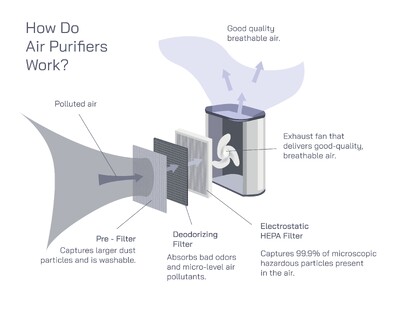
Beyond cooking, charcoal has powerful purification properties. Its porous structure gives it a high surface area, allowing it to adsorb impurities, toxins, and odors. This characteristic makes charcoal valuable in air purification and water filtration systems. Activated charcoal, a specially processed form of charcoal, is widely used in water filters to remove contaminants and improve taste. In air purification, charcoal helps absorb odors, moisture, and harmful gases, improving indoor air quality naturally.
Charcoal also holds an important place in medicine and health applications. Activated charcoal has long been used as a detoxifying agent in cases of poisoning or overdose, as it binds to toxins in the digestive system and prevents their absorption. It is also used in dental care products, skincare treatments, and digestive health supplements. In traditional medicine, charcoal has been applied externally to wounds to absorb infection-causing substances and promote healing.
In agriculture and environmental management, charcoal contributes through its use as biochar. When added to soil, charcoal improves soil structure, enhances moisture retention, and supports beneficial microbial activity. Biochar helps increase crop productivity while also acting as a long-term carbon sink, reducing atmospheric carbon dioxide levels. This makes charcoal an important tool in sustainable agriculture and climate mitigation strategies.
Industrial uses of charcoal are equally significant. Charcoal is used in metallurgy, especially in the production of metals where clean, high-temperature heat is required. It is also used in chemical industries as a reducing agent and filtration medium. Artists use charcoal for drawing and sketching due to its rich texture and easy blendability. In addition, charcoal is used in manufacturing processes such as sugar refining, gas purification, and chemical processing.
Charcoal offers several benefits that make it preferable to many other fuels. It burns with less smoke, produces higher heat per unit weight, and leaves relatively low residue when properly manufactured. Charcoal is also renewable when sourced from responsibly managed forests, making it a more sustainable alternative to fossil fuels. Its long shelf life and ease of ignition further add to its practical advantages.
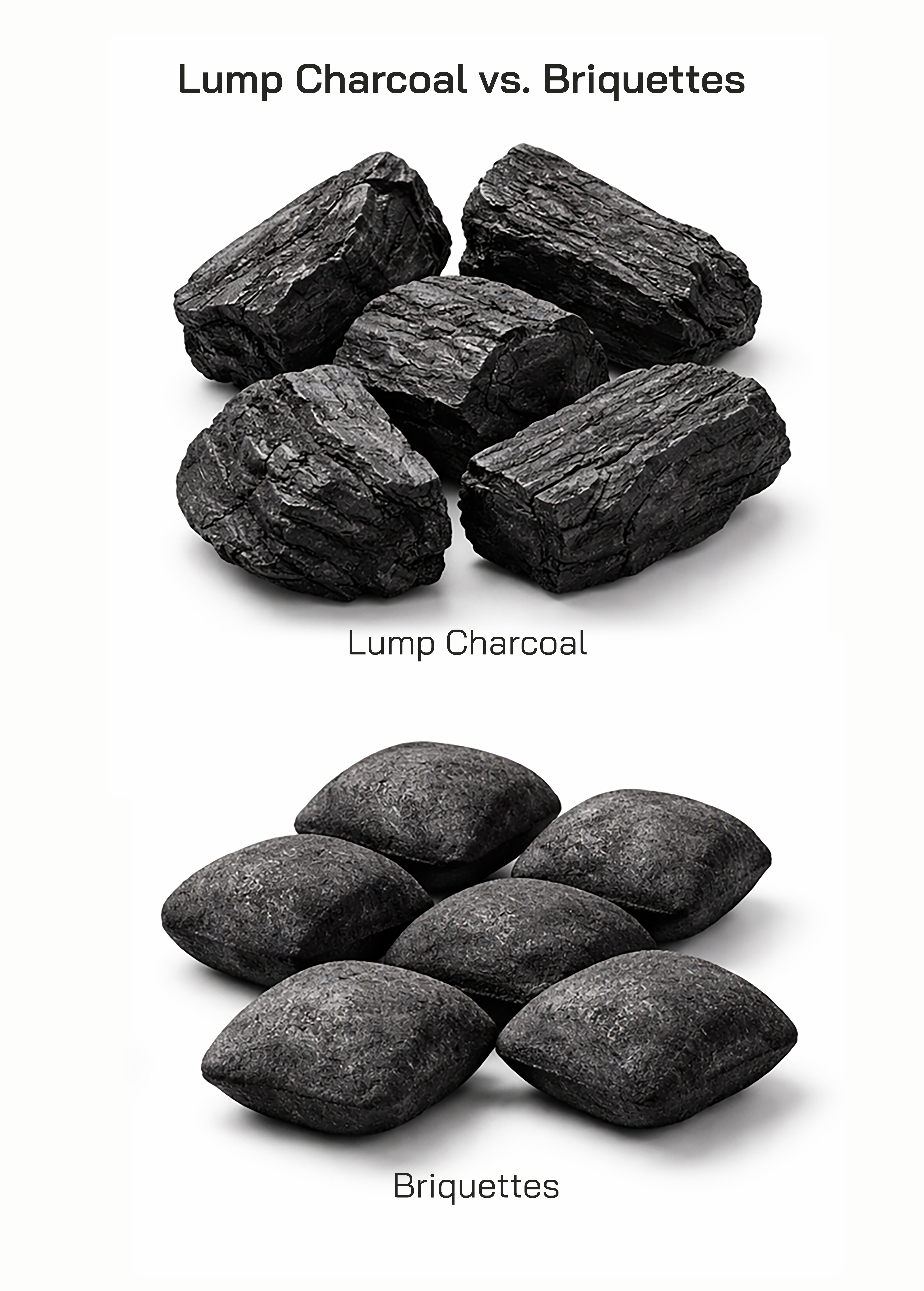
Charcoal generally falls into two main categories for domestic and cooking use: lump charcoal and charcoal briquettes. While both are derived from carbonized material, they differ significantly in composition, performance, and application.
Lump charcoal is made by burning hardwood in a low-oxygen environment until it becomes almost pure carbon. It retains the natural shape of the wood and contains no additives. Because of its purity, lump charcoal burns hotter and ignites faster than briquettes. It produces minimal ash and offers a clean, natural smoke flavor, making it highly preferred by professional chefs and grilling enthusiasts. Lump charcoal allows precise temperature control and responds quickly to airflow adjustments. However, it burns faster and can be less consistent in size and heat output, which may require more frequent refueling during long cooking sessions.
Charcoal briquettes, on the other hand, are manufactured by compressing charcoal dust with binders and additives into uniform shapes. These binders may include starch, mineral carbon, or ignition aids. Briquettes are designed for consistency, providing steady and predictable heat over longer periods. This makes them suitable for extended cooking and beginner-friendly grilling. Briquettes are also generally more affordable and widely available. However, they tend to produce more ash and may emit chemical odors if low-quality binders are used. Their ignition time is usually longer compared to lump charcoal.
When comparing lump charcoal and briquettes, the choice depends largely on the intended use. Lump charcoal is ideal for high-heat cooking, quick grilling, and situations where flavor purity is important. Briquettes are better suited for slow cooking, long grilling sessions, and users who prioritize convenience and consistency. From an environmental perspective, lump charcoal made from sustainable hardwood is often considered the cleaner option due to the absence of additives.
In terms of health and safety, both forms of charcoal should be used properly to avoid carbon monoxide exposure. Adequate ventilation is essential when using charcoal indoors or in enclosed spaces. High-quality charcoal products reduce harmful emissions and improve overall safety.
Charcoal represents one of humanity’s earliest technological achievements and remains deeply relevant even in the modern age. Its importance lies not only in its ability to produce heat but also in its unique physical and chemical properties that allow it to interact with gases, liquids, and biological systems in ways few natural materials can. At its core, charcoal is a form of carbon with a highly porous structure created when organic material is thermally decomposed in the absence of oxygen. This structure is the foundation of nearly all its uses, from fuel to filtration to medicine.
The production of charcoal is both a scientific and practical process. Traditional charcoal-making methods involved earthen pits or kilns where wood was stacked, ignited, and then covered to limit oxygen flow. Modern production methods use controlled retorts and industrial kilns that allow precise regulation of temperature, time, and oxygen levels. This control improves efficiency, consistency, and yield while reducing emissions. Regardless of the method, the goal remains the same: to drive off water, resins, and volatile compounds, leaving behind a stable, carbon-rich material with high energy density.
As a fuel, charcoal occupies a unique position between raw biomass and fossil fuels. Compared to wood, charcoal contains far less moisture and burns at a much higher temperature. This makes it ideal for applications that require intense, focused heat, such as blacksmithing, metal casting, and traditional iron smelting. Historically, entire civilizations relied on charcoal to produce tools, weapons, and infrastructure long before coal became widely available. Even today, charcoal is still used in specialized metallurgical processes where purity and temperature control are critical.
In domestic settings, charcoal’s role extends beyond simple cooking. Its predictable heat profile and ability to maintain stable temperatures make it suitable for slow cooking methods that require long, even heat exposure. This is particularly important in barbecue traditions where temperature consistency directly affects food texture, tenderness, and flavor. The interaction between burning charcoal, dripping fats, and airflow produces complex aromatic compounds that define charcoal-based cooking and distinguish it from gas or electric alternatives.
The environmental dimension of charcoal is increasingly important in modern discussions. When produced responsibly from renewable biomass, charcoal can be part of a sustainable energy cycle. Trees absorb carbon dioxide during growth, and when converted to charcoal and burned, much of that carbon is returned to the atmosphere, creating a closed loop if replanting occurs. In contrast, fossil fuels release carbon that has been locked away for millions of years, contributing to long-term atmospheric imbalance. Sustainable charcoal production therefore depends heavily on forest management, reforestation, and efficient kiln technology.
Charcoal’s porous structure gives it extraordinary adsorption capabilities. This property becomes even more pronounced in activated charcoal, where the surface area is dramatically increased through additional processing. A single gram of activated charcoal can have a surface area of hundreds or even thousands of square meters. This immense internal surface allows charcoal to trap chemicals, gases, and toxins at the molecular level. As a result, activated charcoal is indispensable in water purification, air filtration, industrial gas treatment, and emergency medical care.
In healthcare, charcoal’s value lies in its chemical neutrality and physical binding ability. It does not chemically react with most substances but instead binds them physically, preventing absorption in the body. This makes activated charcoal particularly effective in treating certain poisonings when administered promptly. Beyond emergency medicine, charcoal has found applications in oral hygiene, wound care, and skin treatments, where it helps absorb impurities, bacteria, and excess oils without damaging surrounding tissue.
Charcoal’s interaction with soil has led to renewed interest in biochar, a form of charcoal designed specifically for agricultural use. When incorporated into soil, biochar improves aeration, water retention, and nutrient availability. Its porous structure provides habitat for beneficial microorganisms, enhancing soil fertility over time. Unlike fertilizers that break down quickly, biochar remains stable in soil for decades or even centuries, locking carbon underground and reducing greenhouse gas concentrations. This long-term stability makes biochar a powerful tool in climate-smart agriculture.
Industrially, charcoal continues to be a versatile and valuable material. It is used as a reducing agent in chemical reactions, particularly where clean carbon is required without sulfur or other contaminants found in coal. Charcoal filters are essential in food processing industries such as sugar refining, where they remove color and impurities without affecting taste. In manufacturing environments, charcoal is also used to control emissions by capturing volatile organic compounds before they are released into the atmosphere.
Artistic and cultural uses of charcoal highlight its adaptability beyond purely functional roles. Artists have used charcoal for centuries as a drawing medium because of its deep black tone, ease of blending, and ability to create expressive contrasts. Charcoal drawings can range from delicate shading to bold, dramatic strokes, making it a foundational tool in visual arts education and professional practice.
When examining lump charcoal and briquettes in greater depth, their differences reflect broader trade-offs between purity and uniformity. Lump charcoal’s irregular shapes and sizes mirror the natural structure of the wood from which it is made. This irregularity allows better airflow and higher peak temperatures but requires more skill to manage. Briquettes, by contrast, represent an engineered solution designed to standardize performance. Their uniform shape ensures predictable burning behavior, making them accessible to a wider range of users, though often at the cost of added materials and increased ash production.
Health and safety considerations are essential when using charcoal. Incomplete combustion produces carbon monoxide, a colorless, odorless gas that can be deadly in enclosed spaces. Proper ventilation and outdoor use are critical. High-quality charcoal reduces the risk of harmful byproducts, but user awareness and correct handling remain the most important safety factors.
Economically, charcoal production supports livelihoods in many rural regions around the world. For small-scale producers, charcoal offers a way to convert locally available biomass into a marketable product with relatively low technological barriers. When combined with sustainable practices and fair trade systems, charcoal production can contribute to economic resilience while minimizing environmental harm.
Charcoal can be understood not only as a material but as a process-driven transformation of organic matter that fundamentally alters how carbon behaves. When wood or other biomass is heated in a controlled, low-oxygen environment, the internal structure of the material changes dramatically. Cellulose, hemicellulose, and lignin break down, releasing water vapor, gases, and tar-like substances. What remains is a lightweight but energy-dense solid composed largely of elemental carbon arranged in an irregular, porous matrix. This transformation gives charcoal its defining properties: high heat output, low moisture content, chemical stability, and exceptional adsorption capacity.
The carbonization temperature plays a major role in determining charcoal quality. Lower temperatures tend to produce charcoal with higher volatile content, which ignites easily but produces more smoke. Higher carbonization temperatures yield charcoal with greater fixed carbon content, higher burning temperatures, and reduced smoke, but require more controlled production methods. This balance between ease of ignition and combustion cleanliness has shaped the evolution of charcoal-making techniques across cultures and time periods.
Historically, charcoal production was closely linked to forest resources and land management. In many regions, entire landscapes were shaped by charcoal demand for metalworking and domestic fuel. Traditional charcoal burners developed deep empirical knowledge of wood species, moisture levels, and airflow control to optimize yield. Modern technology has refined these methods, improving efficiency while reducing environmental impact, yet the fundamental principles remain unchanged. Charcoal is still, at its essence, a product of controlled fire.
From a thermodynamic perspective, charcoal’s efficiency as a fuel lies in its concentrated energy content. By removing non-combustible components before use, charcoal delivers more usable heat per unit weight than raw wood. This is why charcoal fires reach higher temperatures and respond more rapidly to airflow changes. In practical use, this allows for precise control over cooking or industrial heating processes, making charcoal particularly valuable where temperature accuracy matters.
Charcoal’s role in flavor development during cooking is rooted in chemistry. As fats and juices drip onto hot charcoal, they vaporize and break down into aromatic compounds that rise with the heat and coat the food. This interaction creates complex flavors that cannot be replicated by electric or gas heat sources. The absence of chemical additives in high-quality charcoal ensures that these flavors remain clean and natural, which is why charcoal grilling is often associated with traditional and artisanal food preparation.
The porous structure of charcoal is central to its non-fuel applications. Each microscopic pore increases surface area, allowing charcoal to physically trap molecules through adsorption. This is distinct from absorption, as substances adhere to the surface rather than being dissolved. This mechanism explains why charcoal is effective at capturing odors, toxins, and impurities across such a wide range of applications. Activated charcoal amplifies this property by further increasing pore density, making it one of the most effective natural adsorbents known.
In environmental science, charcoal has emerged as a strategic material for addressing modern challenges. Biochar, a soil-applied form of charcoal, has demonstrated long-term benefits for soil health. Its stability prevents rapid decomposition, allowing carbon to remain sequestered in the ground for extended periods. This not only improves soil structure but also contributes to climate change mitigation by reducing atmospheric carbon levels. The ancient practice of creating fertile soils through charcoal-rich amendments, observed in historical agricultural systems, has gained renewed scientific validation.
Charcoal’s chemical neutrality makes it compatible with biological systems, which is why it has been used medicinally for centuries. Unlike reactive chemicals, charcoal does not disrupt normal biochemical processes; instead, it acts as a passive binder. This property is especially important in medical detoxification, where the goal is to remove harmful substances without introducing additional stress to the body. In modern healthcare, charcoal’s role remains carefully regulated, emphasizing controlled use and proper formulation.
In industrial contexts, charcoal provides a cleaner alternative to coal in processes where impurities can compromise product quality. Its low sulfur content is particularly valuable in metallurgy and chemical manufacturing. Charcoal filters are also widely used in industrial exhaust systems to capture volatile compounds before they enter the atmosphere. This application highlights charcoal’s relevance in pollution control and environmental protection.
The comparison between lump charcoal and briquettes reflects broader design philosophies. Lump charcoal prioritizes purity, responsiveness, and natural composition, making it ideal for users who value performance and flavor. Briquettes prioritize consistency, affordability, and ease of use, making them accessible to a wider audience. Neither form is inherently superior; their differences illustrate how material design adapts to user needs and contexts.
Safety considerations remain critical in charcoal use. Because charcoal combustion consumes oxygen and produces carbon monoxide, it must always be used in well-ventilated or outdoor environments. Awareness and proper handling are essential, particularly in regions where charcoal is used daily for cooking or heating. Advances in stove design and ventilation systems have significantly improved safety outcomes in communities that rely on charcoal as a primary fuel.
Economically, charcoal occupies a unique position as both a traditional and modern commodity. It supports rural livelihoods, enables small-scale entrepreneurship, and integrates into global supply chains. When produced responsibly, charcoal can provide economic value while maintaining environmental balance. Conversely, unsustainable production highlights the importance of regulation, education, and innovation in resource management.
At a conceptual level, charcoal illustrates how simple materials can achieve extraordinary versatility through structural transformation. From fire to filtration, from soil enrichment to medical treatment, charcoal’s usefulness stems from its carbon-based architecture rather than complex chemistry. This simplicity is precisely what makes charcoal resilient, adaptable, and enduring across centuries of technological change.
In essence, charcoal is not merely a fuel or a product; it is a material expression of controlled energy, natural chemistry, and human ingenuity. Its continued relevance in modern society reflects an ongoing need for materials that are efficient, multifunctional, and compatible with both technological progress and environmental responsibility. charcoal is a remarkably versatile material with wide-ranging uses and benefits across domestic, industrial, medical, agricultural, and environmental fields. Its ability to produce high heat, purify air and water, support health applications, and contribute to sustainable practices makes it an invaluable natural resource. Understanding the differences between lump charcoal and charcoal briquettes allows users to make informed choices based on performance, flavor, efficiency, and environmental impact. Whether used for cooking, purification, or industry, charcoal remains a timeless and essential component of human life and technological development.
In summary, charcoal is far more than a simple black fuel. It is a multifunctional material with deep historical roots and modern relevance. Its ability to provide heat, purify water and air, support human health, improve soil, and enable industrial processes makes it one of the most versatile carbon-based materials known. Whether in a traditional cooking fire, a medical emergency room, a farmer’s field, or an industrial filtration system, charcoal continues to demonstrate that simple materials, when understood and used wisely, can deliver profound and lasting value.