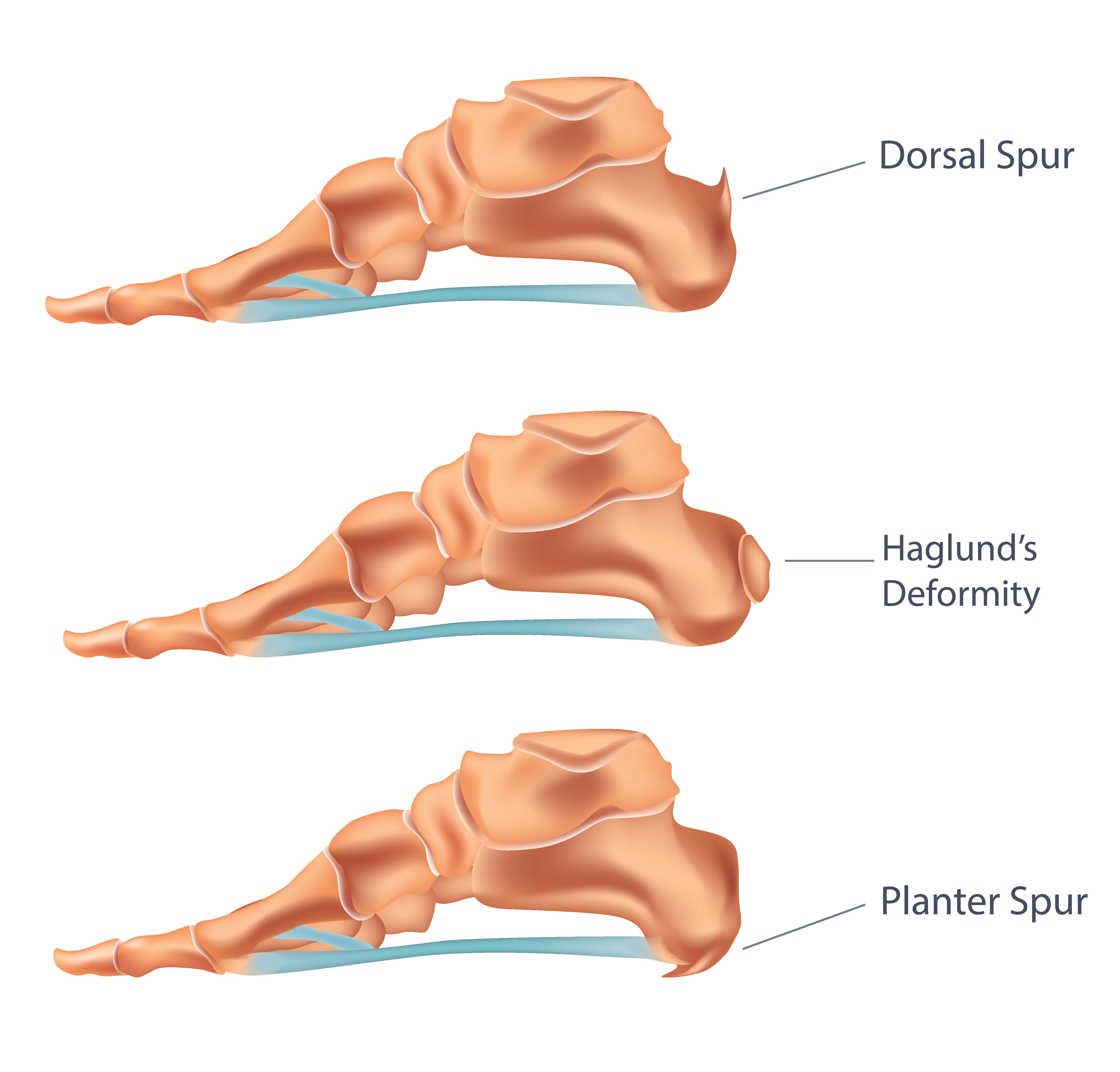
Dorsal spur, Haglund’s deformity and plantar spur are three orthopedic conditions that involve abnormal bony growths in the foot, and although they affect different regions of the heel and midfoot, they are closely linked by a common mechanism: mechanical stress on bone and surrounding soft tissues. Together, they represent some of the most persistent causes of chronic heel and foot pain, especially in individuals who frequently walk, stand for long hours, run, jump, or wear footwear that applies direct pressure to the heel or foot arches. While each condition has its own pain pattern and anatomical location, they share similarities in formation, symptom progression and long-term biomechanical consequences.
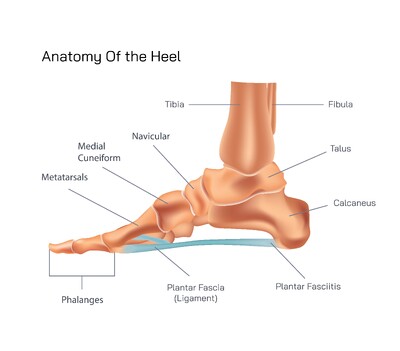
A dorsal spur develops on the top of the foot, typically near the joints where the long metatarsal bones meet the smaller bones of the midfoot. It forms in response to irritation, friction or repetitive stress caused by motion or footwear. Many individuals with dorsal spurs develop sensitivity when wearing shoes with tight laces or hard uppers because pressure against the top of the foot aggravates the bone and surrounding tendons. Pain usually increases when pushing off during walking, running or climbing stairs, as the forefoot bends and the spur rubs against soft tissue. While a dorsal spur does not always cause intense discomfort initially, it commonly becomes painful over time as inflammation increases and joint mobility decreases.
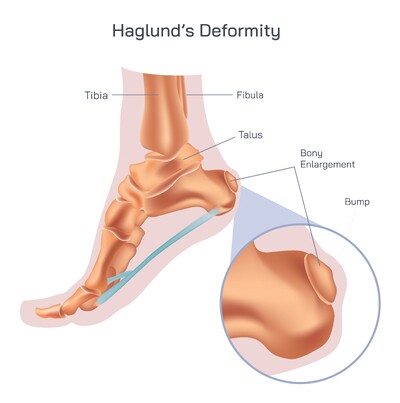
Haglund’s deformity affects a different region of the heel — the back of the calcaneus — and presents as a noticeable bony bump that presses against the inner lining of footwear. The friction between a rigid shoe counter and the enlarged heel triggers swelling and significant discomfort, especially during walking or running. A hallmark feature of Haglund’s deformity is irritation of the retrocalcaneal bursa and Achilles tendon, causing pain directly where the tendon attaches to the calcaneus. Individuals with a high-arched foot or tight Achilles tendon are more vulnerable to this deformity because they place extra tension on the back of the heel. When left untreated, chronic inflammation gradually increases, and pain can become severe enough to interfere with daily activities.
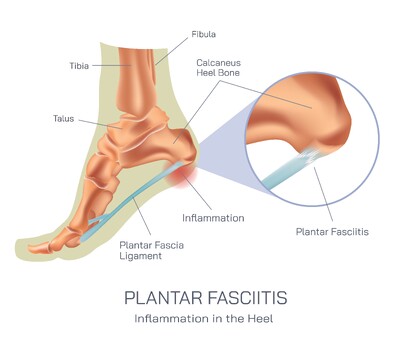
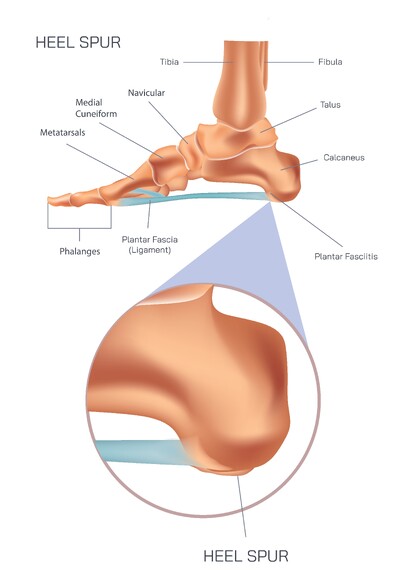
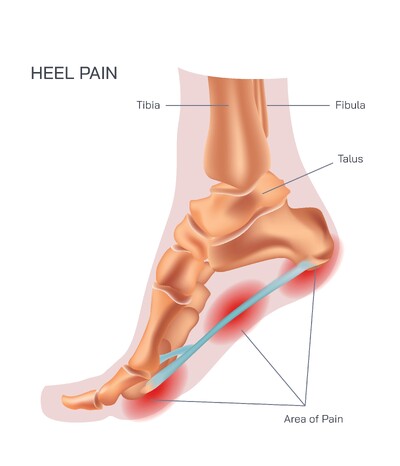
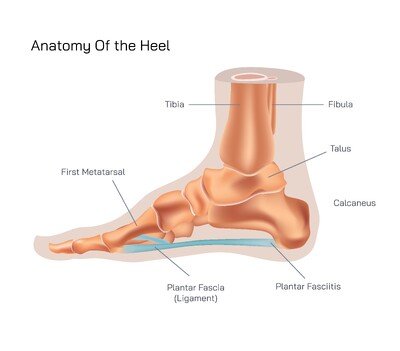
Plantar spur, commonly known as a heel spur, forms on the underside of the calcaneus. Unlike Haglund’s deformity, which affects the back of the heel, plantar spurs are linked to chronic tension of the plantar fascia. The plantar fascia plays a crucial role in maintaining the arch and absorbing shock during movement. When it is repeatedly overstretched or overloaded by activities such as prolonged standing, intense running, obesity, footwear with inadequate support or poor biomechanics, microtears accumulate where the fascia attaches to the heel bone. Calcium gradually deposits in this region, forming a sharp bony extension called a plantar spur. While the spur itself may not cause pain, inflammation of surrounding tissues creates a sharp stabbing sensation in the heel, most noticeable during the first steps in the morning.
Despite their anatomical differences — dorsal spur on the top of the foot, Haglund’s deformity at the back of the heel and plantar spur at the bottom — these three conditions share a pattern of development rooted in repetitive mechanical stress. When the body detects chronic tension, friction or pressure on a tendon or ligament attachment site, it responds by reinforcing the region with calcium deposits. Although the intention is protective, the result can be increased pain, reduced mobility and chronic inflammation. Footwear design plays a significant role in symptom development and severity. Tight shoes worsen dorsal spurs, rigid heel counters amplify Haglund’s deformity, and flat or unsupportive shoes intensify plantar spur irritation.
Diagnosis involves clinical assessment and imaging. Physicians evaluate tenderness, gait changes, foot posture, and pain response during movement. X-rays help confirm the presence of bone growths and assess their size and location. In some cases, ultrasound or MRI may be used to view surrounding soft tissues, particularly when bursitis or tendon damage is suspected. Patients often report pain patterns that help differentiate the conditions: dorsal spur pain increases when the top of the foot is pressed, Haglund’s deformity worsens when shoes touch the back of the heel, and plantar spurs cause sharp pain during the first steps of the day.
Treatment for all three conditions follows a shared objective — reduce inflammation, relieve mechanical pressure, and restore proper biomechanics — but each requires region-specific care. For dorsal spur, modifying footwear, loosening laces and using padded tongue inserts reduce irritation. Physical therapy helps restore joint mobility in the midfoot. For Haglund’s deformity, shoes with soft heel counters or open-back designs minimize friction, while stretching the Achilles tendon reduces tension on the calcaneus. For plantar spur, arch-supportive footwear and orthotic inserts relieve pulling on the plantar fascia, while stretching and strengthening the foot muscles improve long-term function. Ice therapy, anti-inflammatory medication and rest are valuable tools for all three when pain flares.
Advanced treatments are considered when conservative management does not fully restore comfort. Shockwave therapy promotes healing in both soft tissue and bone-related heel issues. Platelet-rich plasma injections encourage recovery of inflamed tendons and fascia. Corticosteroid injections may be used cautiously for severe bursitis or fascia irritation. If pain persists after months of non-surgical intervention and bone prominence significantly disrupts daily life, surgical options may be considered to remove the spur or reshape bone. Post-surgery rehabilitation is essential to restore strength, flexibility and proper gait.
Preventing recurrence depends on addressing the root causes of abnormal mechanical stress. Supportive footwear, maintaining calf and Achilles flexibility, strengthening foot muscles, avoiding sudden increases in training volume, and maintaining healthy body weight all play crucial roles. Individuals whose work or lifestyle requires prolonged standing may benefit from rotating shoes, using cushioned flooring mats and taking periodic stretching breaks. Athletes benefit from cross-training with low-impact activities during recovery phases.
Dorsal spur, Haglund’s deformity and plantar spur do not indicate weakness; they result from a long-term mismatch between foot structure, movement forces and footwear habits. With the right understanding and proactive care, most individuals can manage symptoms effectively and protect their feet from recurring pain. Restoring harmony between biomechanics, posture and support allows people to move with confidence again, without the burden of chronic heel or foot discomfort.