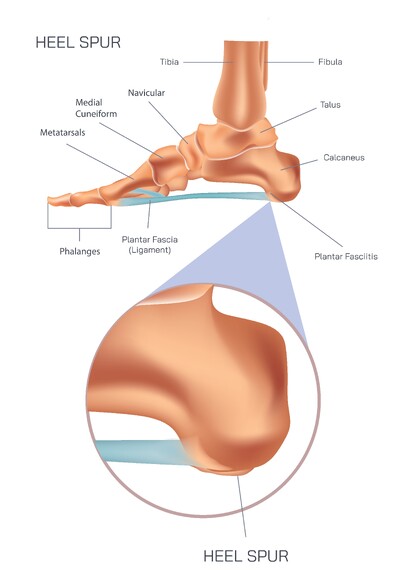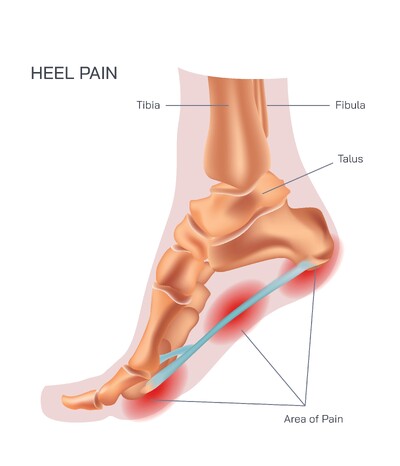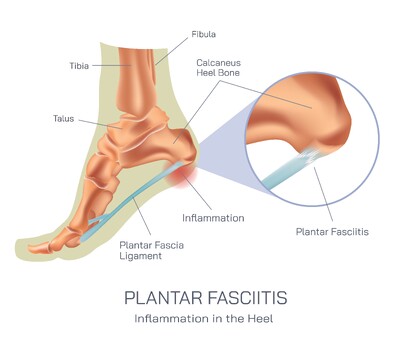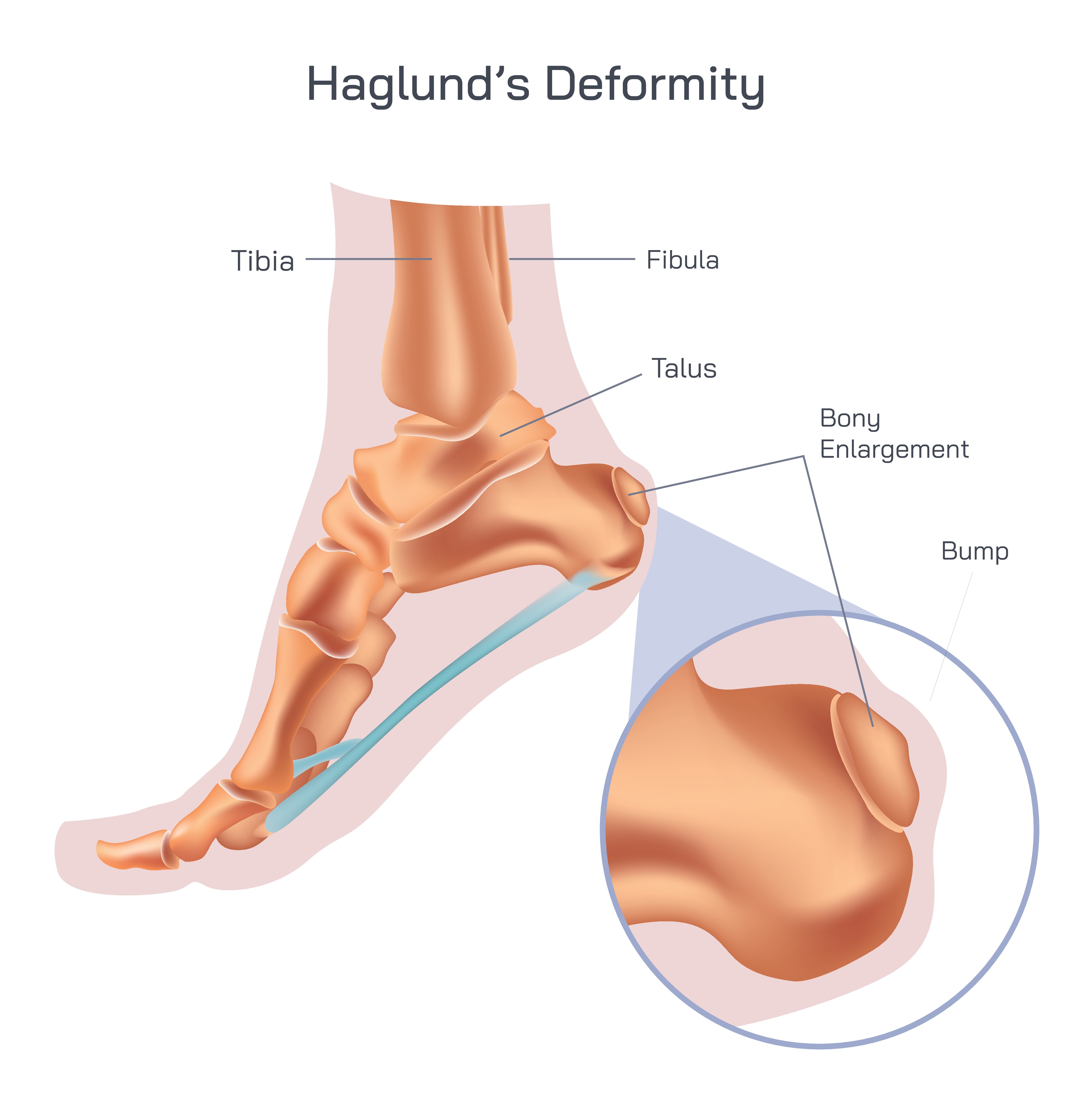
Haglund’s deformity is a chronic orthopedic condition characterized by a noticeable bony enlargement at the back of the heel where the Achilles tendon inserts into the calcaneus. Although this bony prominence does not appear suddenly, it can gradually develop and worsen over time due to continuous pressure, friction, and mechanical irritation. The enlarged bone rubs against the inner back edge of footwear, especially those with stiff heel counters, causing inflammation and persistent discomfort that often interferes with walking, athletic activity, and daily routines. Even though the deformity is primarily a structural change in the heel bone, the pain associated with Haglund’s deformity arises mainly from irritation of the surrounding soft tissues rather than the bone itself.
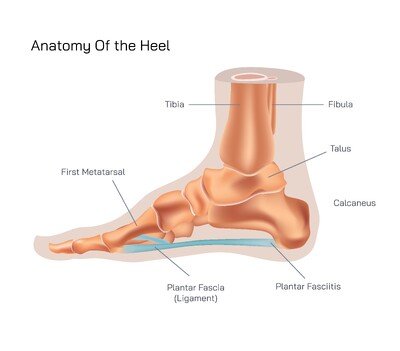
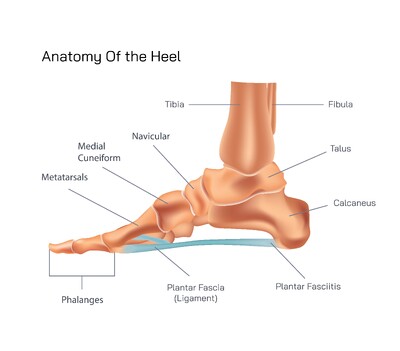
The anatomical foundation for Haglund’s deformity lies in the relationship between the calcaneus, the Achilles tendon, and the retrocalcaneal bursa — a small fluid-filled sac located between the tendon and the bone, designed to reduce friction. When the back of the heel becomes over-prominent or when biomechanics apply excessive pressure to the area, the retrocalcaneal bursa becomes inflamed, a condition known as retrocalcaneal bursitis. The Achilles tendon can also become irritated and swollen as it repeatedly rubs against the bony bump. Over time, a cycle develops in which inflammation sensitizes the region, pain increases, and tissue swelling increases pressure and friction further, reinforcing the discomfort.
Several factors contribute to the development of Haglund’s deformity. One of the primary influences is foot structure. Individuals with a high rigid arch, a tight Achilles tendon, or a supinated gait pattern place more tension on the back of the heel, accelerating the growth of the bony prominence. Footwear plays a major role in symptom progression, particularly shoes with a stiff, narrow, or sharply curved heel counter — including many dress shoes, high heels, ice skates, or running shoes with rigid heel stabilization. People who experience the most pain typically report discomfort after long periods of walking or running, as repeated heel strikes amplify irritation. Hereditary factors may also contribute, as some people inherit foot shapes that are more likely to produce heel stress.
The symptoms of Haglund’s deformity vary in intensity from mild irritation to disabling pain. Common signs include swelling at the back of the heel, a visible bump, discomfort when wearing tight shoes, pain during walking or running, redness, warmth, and stiffness of the Achilles tendon. The skin in the area may thicken or harden due to chronic pressure, and some individuals develop calluses or blisters where the shoe rubs the most. It is not uncommon for the condition to flare intermittently, becoming particularly painful after exercise or long daily activity. Without proper management, chronic inflammation may spread to the Achilles tendon, increasing the risk of tendon damage.
Diagnosis is based on a combination of symptoms, physical examination, and imaging. Clinicians evaluate for swelling, pain on palpation, altered heel shape, and gait abnormalities. X-rays are commonly used to visualize the bony prominence and assess the alignment of the calcaneus. When soft tissue involvement is suspected, ultrasound or MRI may help determine the extent of bursitis or Achilles tendon irritation. A comprehensive diagnosis considers not only the deformity itself but also the mechanical forces triggering it.
Treatment begins with conservative care, which is successful for many individuals if followed consistently. The primary goal is to reduce pressure and friction on the heel. Soft heel-cushioning footwear, gel inserts, orthotics, and open-back shoes can decrease irritation. Stretching of the Achilles tendon and calf muscles reduces tension on the heel bone and improves biomechanics. Ice therapy and anti-inflammatory medications can mitigate swelling during flare-ups. Physical therapy focusing on soft tissue mobilization, eccentric strengthening of the Achilles tendon, and gait correction helps restore comfort and mobility. For individuals whose symptoms worsen due to tight calf muscles, structured stretching programs can provide meaningful relief.
If conservative treatment fails to resolve symptoms, medical interventions may be considered. Options include corticosteroid injections targeted at the retrocalcaneal bursa, shockwave therapy to stimulate healing, or platelet-rich plasma injections to support tendon recovery. Although injections can relieve pain, they must be performed with caution to reduce the risk of Achilles tendon weakening. When symptoms remain severe and bone structure is the primary cause, surgery becomes a suitable option. Surgical intervention typically involves reshaping the calcaneus to remove the bony prominence and reduce mechanical irritation. In some cases, surgeons temporarily detach and later reattach a portion of the Achilles tendon to gain adequate access. Postoperative recovery involves immobilization followed by progressive rehabilitation to restore strength, range of motion, and walking ability.
Living successfully with Haglund’s deformity requires a strong focus on prevention and long-term self-care. Proper shoe selection plays a major role, and footwear with soft heel counters or open backs greatly reduces irritation. Cushioned insoles and orthotics can help redistribute pressure away from the heel, while flexibility and strength work for the Achilles tendon supports balanced foot mechanics. Avoiding excessive uphill running, abrupt increases in training intensity, and repetitive high-impact activities reduces stress on the heel. With consistent management, most individuals can minimize symptoms and maintain active lifestyles.
Haglund’s deformity is a condition rooted in structure, movement, and mechanical stress, and while it may be persistent, it does not have to limit quality of life. By understanding how the anatomy of the heel interacts with footwear, biomechanics, and daily activities, people can make informed choices that protect the heel and keep discomfort under control. Whether treated conservatively or surgically, long-term success depends on respecting the heel’s sensitivity, supporting balanced movement, and maintaining habits that reduce friction across the back of the foot. With the right approach, it is possible to restore comfort, mobility, and confidence in every step.