Vitamin K — Phylloquinone, Menaquinone, and Their Critical Biological Roles
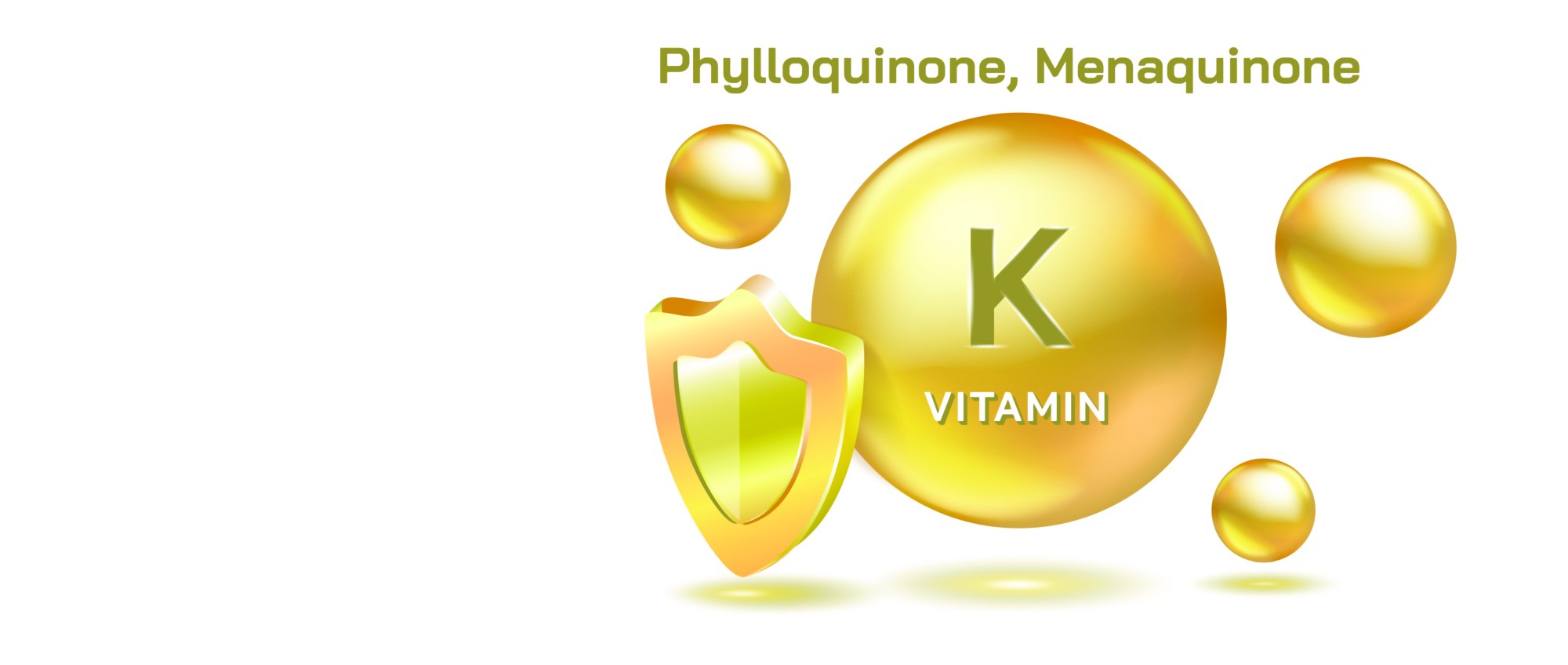
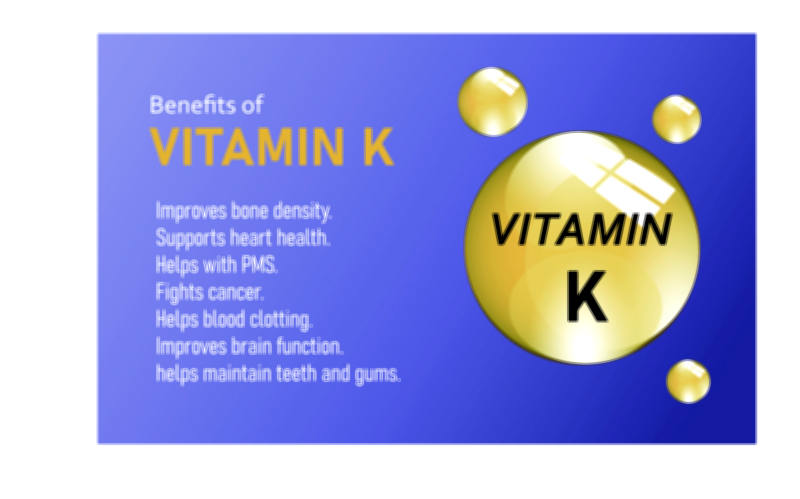
Vitamin K represents a group of fat-soluble nutrients that play significant roles in internal stability and maintenance. The two primary forms—phylloquinone (commonly found in plant sources) and menaquinone (produced by certain bacteria and found in fermented foods)—contribute to internal processes that maintain structural integrity and balanced function. Their combined activity supports essential pathways that keep the body operating in a coordinated and efficient way.
One of the most prominent roles of Vitamin K lies in its involvement in clot-related processes. Specific proteins require this nutrient to activate their functions, ensuring that the body can maintain internal balance during situations that require rapid response. Without adequate presence of this nutrient, these proteins remain incomplete and cannot participate effectively in maintaining internal stability. This activity highlights why Vitamin K is considered essential for daily functioning.
Beyond this role, the nutrient also contributes significantly to bone integrity. Certain proteins that support mineral placement require Vitamin K for activation. These proteins help guide internal minerals toward areas where they strengthen structural frameworks. When the nutrient is available in appropriate amounts, this placement becomes more efficient, helping maintain long-term structural health. Over time, this continuous support contributes to the mature stability of internal frameworks.
Phylloquinone, the primary plant-based form, is found abundantly in green foods. Regular intake ensures the foundational supply required for essential activities. Meanwhile, menaquinone, present in fermented foods and also produced by certain internal microbial populations, offers additional supportive actions. The combination of these two forms provides a broad foundation for the nutrient’s activity across multiple systems.
Another notable aspect of Vitamin K lies in its cooperation with additional nutrients that contribute to structural integrity. Balanced interaction among these nutrients supports processes that guide internal renewal. Through these coordinated pathways, internal tissues maintain smoother consistency in their activity. This interconnected nature underscores the importance of a balanced diet that supports availability of multiple nutrients working in harmony.
Vitamin K also influences metabolic processes through its involvement in specific proteins that rely on it to complete their function. These proteins contribute to internal organization and resource utilization, helping maintain long-term stability. When intake is adequate, these pathways operate without interruption, contributing to smoother daily functioning.
Although the body possesses mechanisms to recycle this nutrient, consistent dietary intake remains important. Phylloquinone-rich foods support baseline needs, while menaquinone-containing foods contribute additional benefits related to long-term stability. This balance provides the body with a steady supply needed for its essential internal activities.
Overall, Vitamin K—including both phylloquinone and menaquinone—remains a vital component of internal maintenance, structural support, balanced metabolism, and essential protective processes. Understanding its roles encourages sustained nutritional habits that support consistent wellness and long-term internal stability.
Vitamin K Phylloquinone Menaquinone Functions, Clot Support, Bone Strength, and Metabolic Balance Guide
Discover how Vitamin K forms—phylloquinone and menaquinone—support clotting, bone strength, and metabolic balance in the body.
Summary
Related Images








File Details
File Type
-
EPS
File Size
-
11.23 MB
File Dimension
-
Scalable vector file
Your contribution helps us create more resources, but please support only if it's comfortable and affordable for you.❤️️
