General Characteristics of an Armadillo
The armadillo is a unique mammal best known for its distinctive armored body and remarkable survival adaptations. It belongs to a group of mammals that have evolved specialized physical and behavioral traits allowing them to thrive in diverse environments. Armadillos are medium to small-sized animals with a low-slung body, short legs, and a protective outer covering composed of hardened plates. These characteristics make armadillos instantly recognizable and highly adapted to a life spent close to the ground.
One of the most defining features of an armadillo is its natural armor. This armor is formed by overlapping bony plates covered with tough skin, creating a flexible yet protective shield. Unlike rigid shells, the armor allows limited movement while offering effective defense against predators. Some species can curl their bodies partially or completely, using the armor as a defensive barrier. This unique characteristic has played a major role in the armadillo’s evolutionary success.
Behaviorally, armadillos are generally quiet, cautious, and solitary animals. They rely more on physical adaptations and avoidance strategies than aggression. Their movements are deliberate, and they spend much of their time foraging or digging. Armadillos are primarily active during cooler parts of the day or night, especially in warmer climates, which helps them avoid extreme temperatures.
Body Structure and Physical Adaptations
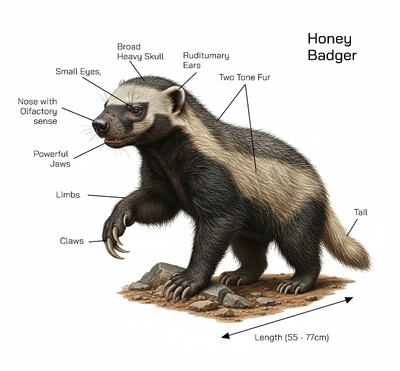
The body structure of an armadillo is specifically designed for digging, protection, and ground-based movement. Its head is narrow and elongated, with a pointed snout well suited for probing soil and leaf litter in search of food. The eyes are relatively small, indicating limited reliance on vision. Instead, armadillos depend heavily on their sense of smell to locate food underground.
The limbs of an armadillo are short but extremely strong. The forelimbs are equipped with powerful claws that allow efficient digging. These claws are used not only for foraging but also for constructing burrows that provide shelter and protection. The hind limbs support stability and movement, helping the animal navigate uneven terrain.
The tail of an armadillo is long and often armored, adding balance and additional protection. The underside of the body is softer and less armored, but the animal compensates for this vulnerability through its digging behavior and low exposure posture.
Habitat and Geographic Range
Armadillos inhabit a wide range of environments, including forests, grasslands, scrublands, and semi-arid regions. They prefer areas with loose soil that allows easy digging. Access to insects and other food sources is a key factor in habitat selection. Armadillos are most commonly found in regions with warm or temperate climates, as they have limited ability to regulate body temperature.
Burrows play a central role in armadillo habitat use. These underground shelters provide protection from predators, extreme weather, and temperature fluctuations. A single armadillo may maintain several burrows within its territory, using different ones for resting, foraging breaks, or escape routes.
Food Habits and Feeding Behavior
Armadillos are primarily insect-eating mammals, although their diet can vary depending on availability. They feed heavily on ants, termites, beetles, and larvae, which they locate using their strong sense of smell. Once a food source is detected, the armadillo uses its claws to dig rapidly and access underground insect colonies.
In addition to insects, armadillos may consume small invertebrates, plant matter, roots, fruits, and occasionally small animals. This flexible feeding behavior allows them to survive in changing environments and during periods when preferred food is scarce. Their feeding activity plays an important ecological role by helping control insect populations.
Lifestyle and Daily Living
Armadillos lead a mostly solitary lifestyle, interacting with others primarily during the breeding season. They are territorial to some extent and use scent marking to communicate presence. Their daily activities revolve around foraging, digging, and resting in burrows. Because of their low metabolic rate, armadillos are sensitive to temperature extremes and adjust their activity patterns accordingly.
Burrowing is essential not only for shelter but also for energy conservation. Underground environments provide stable temperatures and humidity, reducing stress on the animal’s body. Armadillos often reuse burrows or take over abandoned ones created by other animals.
Reproduction and Development
Reproduction in armadillos is particularly fascinating due to unique biological processes. In some species, fertilized eggs undergo delayed implantation, meaning development does not begin immediately after conception. This allows birth to occur during favorable environmental conditions, increasing offspring survival chances.
Armadillos are known for producing genetically identical offspring in certain species. A single fertilized egg can divide into multiple embryos, resulting in multiple young with identical genetic makeup. This reproductive strategy is rare among mammals and highlights the armadillo’s unique evolutionary path.
The young are born with soft skin that hardens into protective armor as they grow. During early development, the offspring remain in the safety of the burrow, where they are protected from predators and environmental hazards. Parental care is focused on providing protection until the young are capable of independent survival.
Survival Strategies and Defense Mechanisms
Survival for armadillos depends on a combination of physical protection, behavioral strategies, and environmental adaptation. Their armor provides a first line of defense against predators. When threatened, armadillos may freeze, flee, or retreat into burrows. Some species rely on sudden vertical jumps to startle predators and escape capture.
Their ability to dig quickly allows armadillos to disappear underground within seconds. This escape strategy is highly effective and reduces the need for direct confrontation. Armadillos also benefit from a slow metabolism, which reduces energy requirements and allows survival during periods of limited food availability.
Ecological Importance
Armadillos play a valuable role in ecosystems by aerating soil through digging and controlling insect populations. Their burrows provide shelter for other animals, contributing to habitat complexity and biodiversity. By influencing soil structure and insect dynamics, armadillos indirectly support plant growth and ecosystem health.
Armadillos possess a number of lesser-known physiological, evolutionary, and ecological traits that further distinguish them from most other mammals and deepen scientific interest in their biology. Beyond their visible armor and digging lifestyle, armadillos represent an ancient mammalian lineage whose internal systems, sensory adaptations, and interactions with the environment reveal a highly specialized survival strategy shaped over millions of years.
From an evolutionary perspective, armadillos belong to an ancient group of mammals that originated in South America. Their ancestors evolved in isolation for long geological periods, allowing unique traits to persist without competition from more recently evolved placental mammals. This long evolutionary separation explains why armadillos share closer biological relationships with animals such as sloths and anteaters than with typical insect-eating mammals. Fossil evidence indicates that prehistoric relatives of armadillos once reached enormous sizes, some as large as small cars, suggesting that modern armadillos are scaled-down survivors of a once-dominant lineage. This evolutionary history has left modern armadillos with structural and physiological traits that appear unusual when compared to most present-day mammals.
One remarkable aspect of armadillo biology lies in their metabolism and internal temperature regulation. Armadillos have one of the lowest body temperatures among mammals, which significantly influences their behavior, distribution, and vulnerability to environmental change. Their low metabolic rate means they generate less internal heat, making them poorly suited for cold climates and sudden temperature fluctuations. As a result, armadillos are highly sensitive to prolonged cold exposure, which can lead to lethargy or even death. This physiological limitation explains why their geographic range expands slowly and why they rely so heavily on burrows to maintain stable internal conditions.
The respiratory system of armadillos is also adapted to their digging lifestyle. When burrowing, they frequently encounter low-oxygen environments filled with dust and soil particles. To cope with this, armadillos can tolerate reduced oxygen levels for short periods, allowing them to dig efficiently without frequent surfacing. Their lungs and blood oxygen transport systems are adapted to function effectively under these conditions, minimizing energy loss while underground. This ability gives them an advantage over predators that cannot easily follow them into confined subterranean spaces.
Another distinctive feature of armadillos is their immune system, which has attracted significant scientific research. Armadillos are one of the few mammals naturally susceptible to certain slow-growing bacteria that rarely infect other species. This unique susceptibility has made them valuable in biomedical research, as their immune response allows scientists to study long-term infections and nerve-related diseases in ways not possible with traditional laboratory animals. The structure of their nervous system and slow metabolic processes provide insights into how certain pathogens interact with mammalian tissues over extended periods.
Armadillo sensory perception extends beyond smell and includes specialized tactile sensitivity. Their skin, particularly around the snout and underside, contains sensory receptors that detect vibrations and subtle movements in the soil. This allows them to locate prey not only by scent but also by sensing movement beneath the surface. This vibration sensitivity is especially useful in dense or compact soils where scent trails may be weaker. Their hearing, while not exceptionally sharp, is tuned to detect low-frequency sounds that signal approaching threats or disturbances above ground.
Seasonal behavior in armadillos adds another layer to their survival strategy. During periods of extreme heat or limited food availability, armadillos may reduce activity levels for extended durations, entering a state of reduced physiological function. While not true hibernation, this energy-conserving state allows them to survive unfavorable conditions without migrating long distances. This strategy is particularly effective in regions with unpredictable climate patterns, where flexibility is more advantageous than strict seasonal routines.
Interactions between armadillos and other species further illustrate their ecological influence. Many animals, including reptiles, small mammals, and insects, rely on abandoned armadillo burrows for shelter. These burrows often become long-term microhabitats, maintaining stable temperatures and humidity levels that support diverse life forms. In this way, armadillos function as ecosystem engineers, shaping their surroundings in ways that extend far beyond their own survival needs.
Human interactions with armadillos have also shaped their modern existence. In some regions, armadillos have adapted to agricultural landscapes, roadsides, and suburban environments. Their ability to exploit disturbed soils allows them to survive near human activity, although this proximity also exposes them to threats such as vehicle collisions and habitat fragmentation. Despite these risks, armadillos demonstrate a notable capacity for gradual adaptation, expanding into new areas as climate conditions permit.
Cognitively, armadillos exhibit problem-solving abilities related to navigation, burrow memory, and food detection. While not considered highly intelligent by traditional mammalian standards, they demonstrate strong spatial awareness and memory, particularly in relation to burrow networks. An individual armadillo can remember the locations of multiple burrows and escape routes within its territory, selecting the most appropriate shelter based on immediate threats or environmental conditions.
Overall, the armadillo represents a living example of evolutionary persistence rather than speed or dominance. Its survival is built on specialization, efficiency, and resilience rather than aggression or intelligence. By combining ancient anatomical traits with subtle physiological and behavioral adaptations, armadillos continue to thrive in changing environments. Their presence offers valuable insight into mammalian evolution, ecosystem dynamics, and the long-term success of highly specialized survival strategies.
Conclusion
The armadillo is a remarkable mammal whose characteristics, body structure, and behavior are finely tuned for survival. From its armored exterior and powerful digging limbs to its unique reproductive strategies and adaptable diet, every aspect of the armadillo reflects evolutionary efficiency. Understanding how armadillos live, feed, reproduce, and survive offers insight into the delicate balance of nature and the importance of conserving these extraordinary animals and their habitats.