Seat Belt Safety – Vector Illustration Concept, Automotive Protection Principles, Road Accident Prevention, Passenger Security, and Lifesaving Importance in Modern Transportation
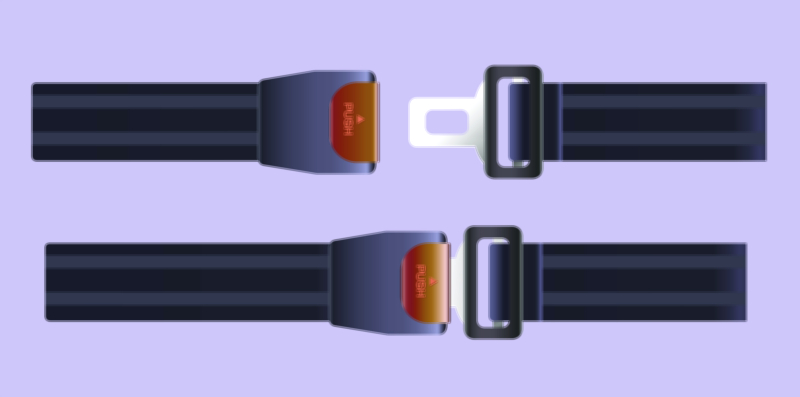
Seat belt safety is one of the most fundamental components of automotive and road safety, and a seat belt safety vector illustration is designed to visually communicate the life-saving significance of wearing a seat belt in all types of vehicles. Whether traveling in a private car, taxi, school bus, or commercial vehicle, wearing a seat belt dramatically reduces the risk of death and serious injury during an accident. A seat belt appears simple — just a strap that clicks into place — yet behind that simplicity lies decades of engineering research in biomechanics, crash physics, and human safety science. The design of a seat belt is based on the understanding that when a vehicle stops suddenly due to a collision, the passengers’ bodies continue moving forward with the same speed due to inertia. Without restraint, this force propels the body toward the windshield, dashboard, steering wheel, or seat in front, often resulting in severe injuries or fatal trauma. The role of the seat belt is to counter that motion by holding the body securely to the seat, distributing the forces of impact over stronger body parts, and preventing harmful movement during sudden deceleration.
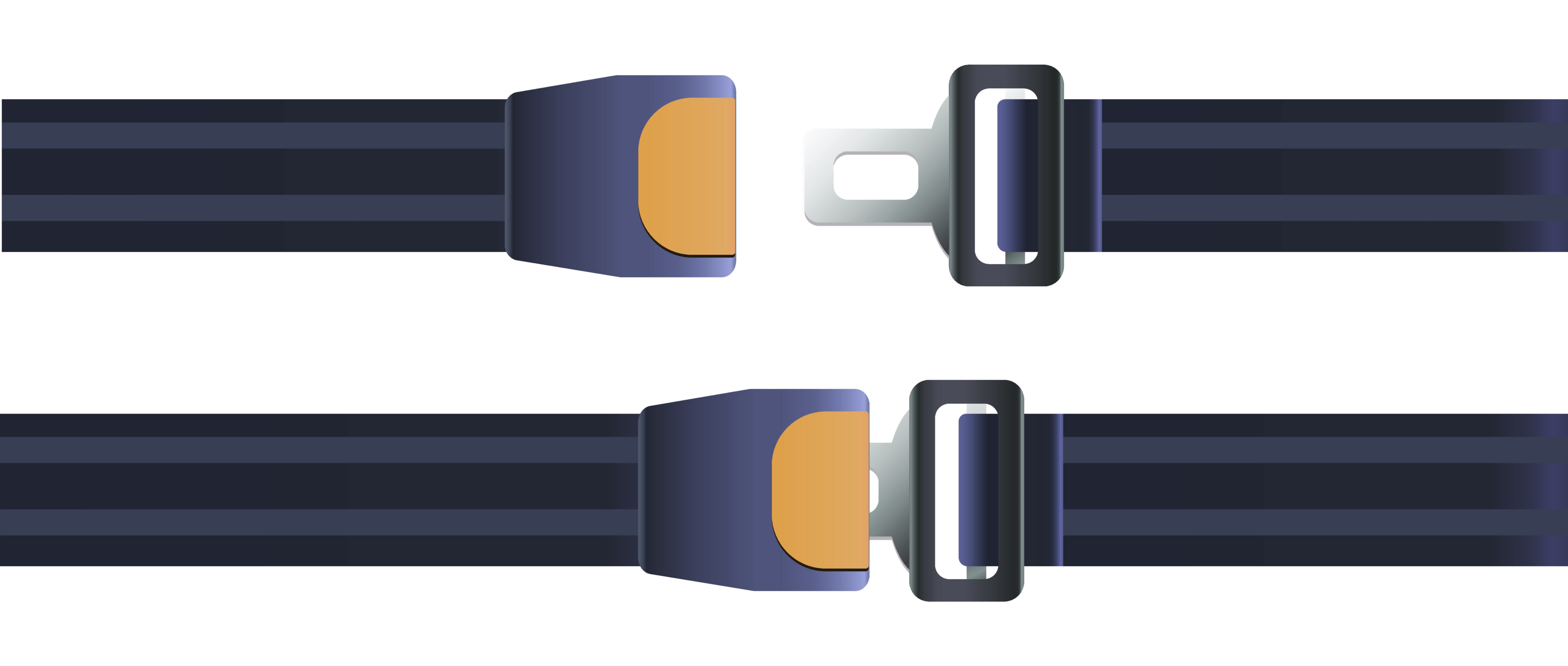
A vector illustration for seat belt safety usually highlights the simple yet powerful message that wearing a seat belt should never be optional. The visual typically focuses on the driver and passengers properly buckled in, emphasizing that safety applies to everyone in the vehicle, not only those in the front seats. To reinforce urgency, the illustration may show a glowing seat-belt icon, a buckle click motion, or a diagonal shoulder strap across the chest of a character. In some designs, the seat belt is metaphorically shown as a shield protecting the passenger from danger, or it appears as a safety ribbon wrapping around a heart or a family, symbolizing care and protection. Campaign posters often place the seat belt in the center of the visual, making it the star of the message, accompanied by phrases such as “Buckle Up Every Time,” “Seat Belts Save Lives,” “Click It for Safety,” or “Your Life Matters—Wear Your Seat Belt.” The goal of such a vector illustration is to make viewers associate seat belt use with responsibility and self-protection rather than inconvenience.
Beyond its visual elements, seat belt safety is rooted in physics and biomechanics. During a collision, the energy experienced by the body increases dramatically in a fraction of a second. A seat belt controls this by spreading the stopping force across the strongest parts of the skeleton — the pelvis and ribcage — instead of letting the entire energy be absorbed by the head or internal organs. It prevents ejection from the vehicle, which is one of the most dangerous outcomes of crashes. Studies have shown that passengers thrown out of a vehicle during a crash face an exponentially higher risk of fatal injuries compared to those who remain restrained inside. Even at low speeds, sudden stops without a seat belt can cause severe head, neck, spine, and abdominal injuries because the body hits hard surfaces with intense force. A seat belt functions as the first protective shield that stops the forward momentum of the body gradually enough to reduce trauma.
A vector illustration focusing on road safety can also show rear-seat passengers buckled up, challenging the harmful misconception that seat belts are only needed in the front. In reality, unbelted rear passengers can be thrown forward in a crash with enough force to injure or kill themselves and the people in the front seats. Many safety campaigns depict this with silhouettes or arrows representing motion to show how crash force travels through the body and across the car. When rear passengers are shown wearing seat belts in illustrations, it reinforces the truth that every seat in the vehicle requires restraint, regardless of distance, speed, or familiarity with the route. Safety is not about being a good driver — it is about being protected from unpredictable conditions on the road.
Seat belt safety also has a deeply emotional element. Many vector illustrations show families wearing seat belts, including children in child restraints, to stress the importance of protecting loved ones. A common illustration uses the image of a parent buckling their child, suggesting that seat belts are symbols of care, responsibility, and love, not rules imposed by law. Some illustrations show heart shapes or life bars connected to the seat belt, symbolizing that one click can preserve a lifetime of moments. Campaign designs for schools often show cartoon-style characters happily buckled up inside colorful vehicles to help children learn the habit early. For highways and professional road safety programs, the illustration may use strong visual contrast — a bright seat belt across a dark background — to convey the life-or-death nature of safety choices.
The importance of the seat belt becomes even more visible when combined with modern automotive safety technologies. Airbags, for example, are not substitutes for seat belts; instead, they function effectively only when the occupants are restrained by seat belts. Without a seat belt, an airbag can injure instead of protect because the body may crash into it with too much force. Automobile engineers design restraint systems to work together — seat belts hold the body in place, pre-tensioners tighten the belt instantly during a crash, load limiters manage pressure, and airbags cushion the head and upper body. These features together form a safety ecosystem, and the seat belt is the foundation. A vector illustration showing an airbag deploying with a buckled passenger helps reinforce this vital message.
Seat belt safety campaigns often reference real-world scenarios that reflect the unpredictability of roads. Accidents can happen during short trips, familiar routes, low-speed traffic, or even within neighborhoods — times when many people feel safe enough to skip the belt. Illustrations may highlight this reality through scenes such as a “quick drive to the shop” or a “ride to school,” stressing that comfort and routine do not eliminate risk. The purpose is to shift public mindset from “I might wear it” to “I always wear it.” Wearing a seat belt becomes a habit rather than a reaction to fear or police enforcement.
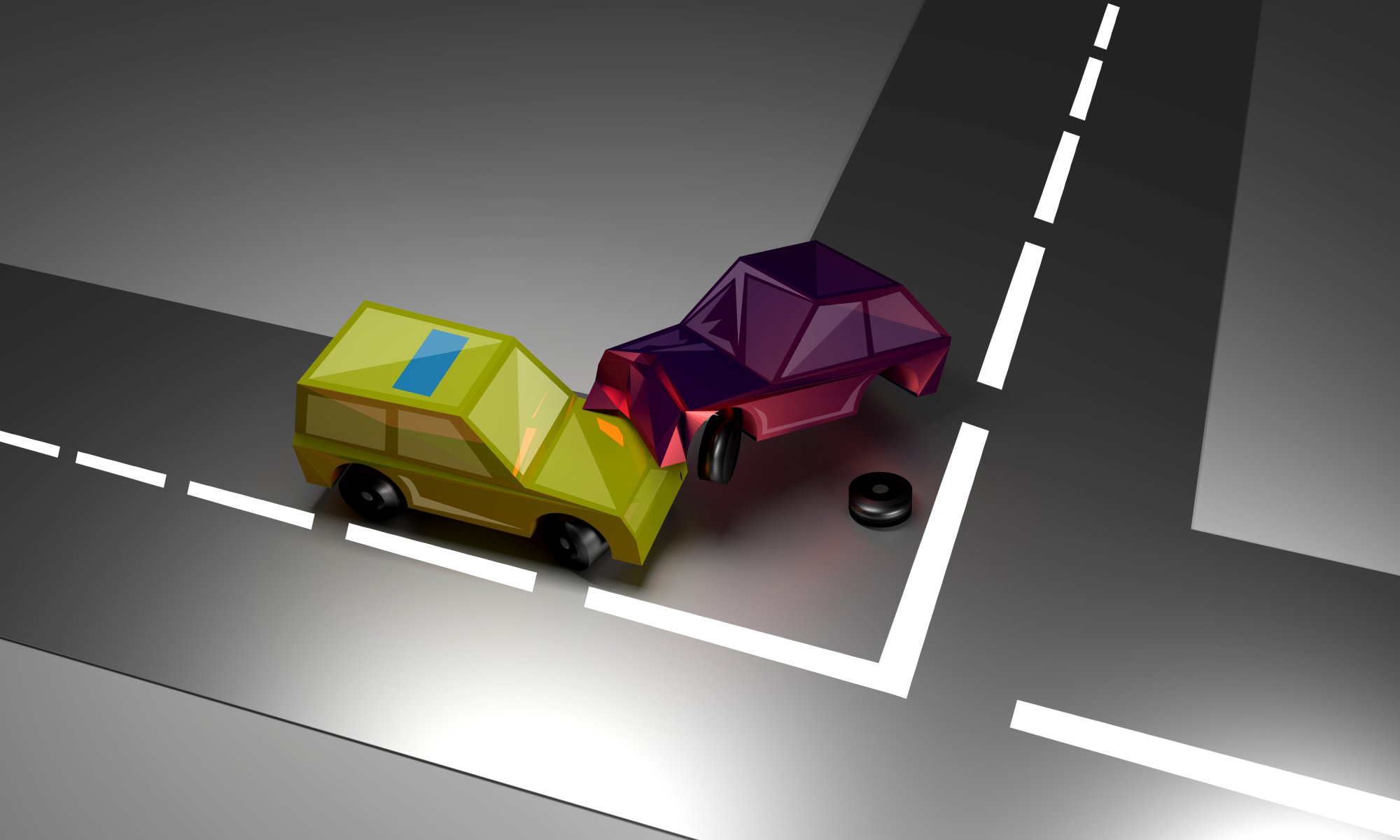
The psychological aspect of seat belt safety is also crucial. Some drivers assume that good driving skills protect them from danger; however, they cannot control the actions of other drivers, road conditions, mechanical failures, or environmental hazards. A vector illustration depicting multiple vehicles on a busy road environment symbolizes that safety does not depend only on one person but on the interaction of many unpredictable factors. The seat belt is the only personal safety control that remains reliable regardless of external circumstances.
Ultimately, the message communicated through a Seat Belt Safety Vector Illustration is simple but profound: one second of clicking the seat belt can decide the difference between life and death. The illustration is not simply artwork — it is a life-saving reminder. It transforms an everyday action into a conscious act of responsibility, self-respect, and care for the people who travel with us and wait for us at home.
In its most meaningful sense, a vector design dedicated to seat belt safety educates the world that every journey — long or short, fast or slow — deserves protection. A seat belt is not an accessory; it is a guardian. When the belt locks across the chest and lap, it becomes a promise of safety. Through awareness campaigns, posters, classroom visuals, digital infographics, highway banners, and in-car icons, the illustration reinforces a universal truth: responsible road safety begins with a simple click. Every person on every road deserves to reach their destination safely — and wearing a seat belt is one of the most effective steps to make that happen.