Butane — Understanding the Molecular Structure and Behavior of a Hydrocarbon Gas
The Fundamental Identity of Butane as a Simple Hydrocarbon
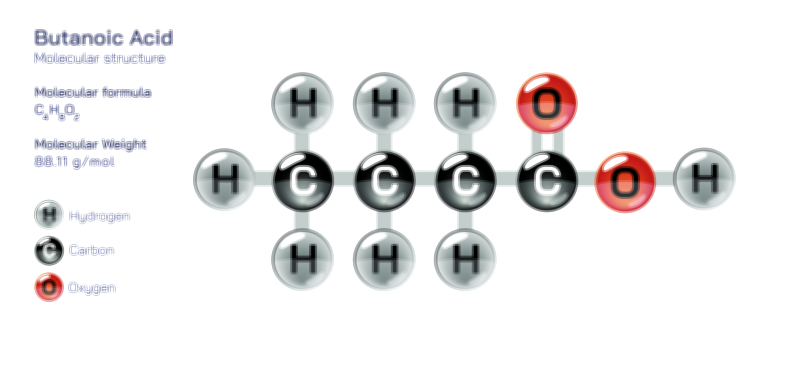
Butane is a widely used hydrocarbon gas belonging to the alkane family, known for its straightforward molecular structure and its importance as a fuel, refrigerant, and chemical feedstock. Composed of a chain of four carbon atoms surrounded by hydrogen atoms, butane represents one of the simplest molecules in organic chemistry that still exhibits a range of physical behaviors important to industrial and everyday applications. At room temperature, butane exists as a colorless gas with a faint, characteristic odor, and it can easily be compressed into liquid form for storage and transport. Its clean-burning nature and manageable volatility make it a preferred component in portable fuel systems, household lighters, camping stoves, and aerosol propellants. Despite its simple structure, butane offers a surprisingly rich profile of chemical, physical, and practical attributes.
How the Carbon Chain Structure Shapes the Properties of Butane
The defining feature of butane is its four-carbon backbone, which forms a saturated chain with no double or triple bonds. This arrangement gives butane a high degree of stability, allowing it to resist chemical reactions under normal conditions while still retaining the ability to combust readily in the presence of oxygen. Because each carbon in the chain binds to as many hydrogen atoms as possible, butane remains fully saturated, placing it among the simplest and least reactive categories of organic molecules. The structure also influences the molecule’s boiling point, density, and physical state, positioning butane as a gas at room temperature yet permitting liquefaction under moderate pressure. This balance between gaseous behavior and easy compressibility is one of the main reasons butane has become so valuable in portable fuel storage.
Isomerism and the Existence of n-Butane and Isobutane
One of the most interesting characteristics of butane is that it exists in two structural isomers: n-butane and isobutane. These forms share the same molecular formula but differ in how their carbon chains are arranged. In n-butane, the atoms follow a straight chain, while in isobutane, the carbon atoms branch, creating a more compact structure. This branching affects the molecule’s physical properties, leading to differences in boiling point, vapor pressure, and behavior in fuel mixtures. Industry often takes advantage of these variations, using isobutane in refrigeration systems and aerosol propellants due to its lower boiling point, while n-butane is frequently used in fuel cylinders and refining processes. The existence of these two isomers demonstrates how small adjustments in molecular arrangement can create meaningful changes in real-world performance.
Combustion Behavior and Use as a Clean-Burning Fuel
Butane is highly valued as a fuel because it combusts cleanly, producing minimal soot and a steady flame. When ignited, the gas releases a substantial amount of heat, making it ideal for portable stoves, grills, lighters, and heating tools. Its convenience arises from the way it transitions between liquid and gas: inside pressurized containers, butane remains in liquid form, but when released, it instantly vaporizes and becomes ready to burn. This quick phase change allows appliances to regulate flow automatically, ensuring consistent operation. Because butane burns with a clear, hot flame, it supports tasks requiring precision, such as culinary torching or small-scale heating. Its clean combustion also reduces residue buildup, extending the lifespan of devices that rely on it.
Industrial Applications Beyond Fuel Use
Beyond serving as a fuel source, butane plays a critical role in chemical manufacturing and industrial processes. It is used as a feedstock in petrochemical plants to produce valuable materials such as synthetic rubber, plastics, and other hydrocarbons. Its controlled reactivity allows manufacturers to transform it into compounds needed for diverse applications. Butane and its isomers also function as propellants in aerosol products, replacing older substances that posed greater environmental risks. In refrigeration, isobutane has become a preferred refrigerant due to its efficiency and relatively low environmental impact. These applications highlight how butane supports industries that require controlled volatility, safe handling, and predictable transformation pathways.
Behavior Under Pressure and the Liquid–Gas Transition
One of the most practical characteristics of butane is its ability to liquefy under moderate pressure. This behavior makes storage efficient, allowing large amounts of fuel to fit into small metal canisters widely used in outdoor cooking, camping, and household lighters. When the container valve opens, the pressure drops, causing the liquid butane to vaporize instantly. This smooth transition underlies the usability of butane-powered devices, ensuring a steady supply of gas without complex mechanical systems. The compound’s volatility also influences how it behaves in the atmosphere—evaporating rapidly, dispersing easily, and posing risks only in confined spaces where gas buildup could occur.
Environmental and Safety Considerations
While butane is less harmful to the environment than many older refrigerants or propellants, it must still be handled with care due to its flammability. The gas is odorless in pure form, but commercial products often include added odorants to help users detect leaks. Butane-air mixtures can ignite easily, making proper ventilation essential in enclosed environments. Its rapid evaporation reduces long-term environmental persistence, and its relatively simple molecular structure means it breaks down quickly in the atmosphere. These characteristics make it safer than many industrial chemicals, but they also emphasize the need for caution during storage, transportation, and use.
Why Butane Remains a Vital Hydrocarbon in Modern Life
Butane’s enduring importance comes from its perfect balance of simplicity, stability, and useful physical properties. Its clean-burning characteristics support portable energy systems, while its ease of liquefaction makes it ideal for compact storage. Its structural isomers expand its range of applications, allowing industries to fine-tune performance for specific needs. Whether used in outdoor cooking, chemical manufacturing, refrigeration, or consumer goods, butane continues to demonstrate how fundamental hydrocarbon science can power countless aspects of modern living. Its reliability and adaptability ensure that it remains a crucial component of energy technology and industrial chemistry.