Soybean oil production represents one of the most important agro-industrial chains in the global food economy. The transformation from raw harvested soybeans into a clear, stable, and edible cooking oil involves a carefully managed sequence of mechanical preparation, thermal conditioning, extraction, and refining stages. Each phase exists for a specific reason: to protect quality, maximize yield, ensure safety, and deliver a product that performs reliably in kitchens and food manufacturing. Although modern plants rely on sophisticated machinery and automation, the underlying principles remain grounded in straightforward goals—remove unwanted material, open the structure of the bean, separate the oil efficiently, and purify it so the final liquid is neutral in taste, aroma, and appearance.
The journey begins immediately after harvest, when soybeans arrive at the processing facility carrying remnants of the field. Dust, soil particles, broken stems, weed seeds, and small stones are common companions. If allowed to proceed further, these impurities would damage equipment, reduce efficiency, and contaminate the finished oil. Cleaning therefore forms the essential foundation of the entire system. Large vibrating screens separate materials by size, air aspiration channels lift away lighter debris, and magnetic separators capture stray metal fragments. By the time the beans leave this area, they are uniform, safe for machinery, and prepared for the precision steps that follow. Good cleaning does more than improve purity; it directly influences profitability by preventing wear and minimizing shutdowns.
Once clean, the beans move to dehulling, a preparation step that significantly improves extraction performance. The outer hull of a soybean contains relatively little oil compared with the inner cotyledon. Keeping it in the process would dilute the concentration of oil-bearing material and reduce overall efficiency. To solve this, processors crack the beans using roller mills and then loosen the hulls through controlled handling. Air systems or gravity tables separate the lighter hulls from the heavier kernels. Removing the hulls increases the relative oil content of the material entering extraction and also improves the quality of the by-products that will later become protein-rich meal for animal nutrition. The result is a stream of meats that are more responsive to heat treatment and mechanical transformation.
Conditioning follows, and it is one of the most delicate transitions in the production line. At this stage, the soybean meats are gently heated and their moisture is carefully adjusted. The purpose is not to cook them fully but to soften their internal structure, making them pliable and ready for flaking. Proper conditioning helps rupture microscopic oil cells and allows subsequent operations to release oil with less resistance. Temperature control is critical; too little heat leaves the beans tough, while too much can darken the material or degrade quality. Steam-heated conditioners or stack cookers provide uniform warmth while operators monitor time, humidity, and flow rate to achieve consistency. When done correctly, conditioning sets the stage for maximum recovery downstream.
After the beans are warm and flexible, they pass through large rollers that transform them into thin flakes. Flaking dramatically increases the surface area exposed to extraction. Instead of trying to pull oil from compact pieces, the plant now handles wide, delicate sheets that allow solvents or mechanical pressure to penetrate efficiently. The thickness of these flakes is a key variable. If they are too thick, oil remains trapped; if too thin, they may crumble and create fines that complicate filtration. Skilled adjustment of roller gaps ensures a balance between permeability and structural integrity. Visually, this stage marks a striking change, as firm kernels become light, paper-like fragments ready to surrender their valuable content.
Oil extraction is the heart of the operation, and facilities may employ one of two primary approaches depending on scale, investment, and market objectives. In large industrial environments, solvent extraction is common because it achieves very high recovery rates. A food-grade solvent, typically hexane, washes through the bed of flakes and dissolves the oil. The mixture of solvent and oil is then separated from the spent solids, and the solvent is later removed and recycled through evaporation and condensation systems. Careful engineering ensures minimal losses and strict safety management, since the solvent must be handled in closed loops. What remains after this stage is crude soybean oil and defatted meal, the latter destined for feed markets.
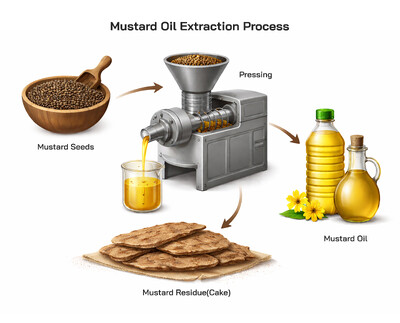
Mechanical pressing offers an alternative that avoids chemical solvents and appeals to certain consumers seeking more traditional or specialty products. Expellers squeeze the flakes under intense pressure, forcing oil out through small openings while compressed solids emerge as cakes. Although some oil remains in the meal compared with solvent techniques, the simplicity of the method and its distinctive marketing value can outweigh the lower yield. Cold pressing variants operate at reduced temperatures to preserve natural characteristics, though they require meticulous control and often serve niche applications. Whether solvent or mechanical, extraction defines the economic output of the plant and influences how subsequent refining must be performed.
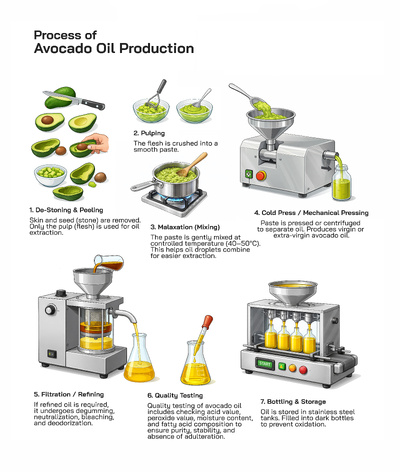
The oil leaving extraction is far from ready for consumption. It contains gums, pigments, trace metals, free fatty acids, and volatile compounds that would impair flavor and shelf life. Degumming is typically the first purification step. Water or acid solutions hydrate phospholipids so they can be separated from the oil. These gums may later find use in other industries, turning what might have been waste into valuable co-products. Effective degumming improves stability and prepares the oil for further refinement, preventing complications in later treatments.
Neutralization comes next, targeting free fatty acids that can create off-flavors and reduce keeping quality. Alkali solutions react with these components, forming soaps that are removed by centrifugation or settling. This stage demands precise dosing and mixing because excessive treatment can lead to unnecessary oil loss, while insufficient treatment leaves residual acidity. Operators aim for balance, guided by laboratory measurements that monitor the condition of each batch. By the end of neutralization, the oil is significantly milder and more suitable for bleaching.
Bleaching does not involve household bleach but rather specialized earths or activated clays that adsorb color bodies and residual impurities. Under vacuum and elevated temperature, these materials bind pigments such as carotenoids and chlorophyll derivatives, leaving the oil lighter and more visually appealing. Filtration removes the spent adsorbent, and the product moves toward its final purification hurdle. Even at this stage, subtle aromas can remain, so deodorizing becomes essential. High temperature steam distillation under deep vacuum strips away volatile molecules responsible for odor and taste. What emerges is a clean, neutral oil capable of blending into countless culinary applications without overpowering other ingredients.
Packaging and storage represent the final guardians of quality. Exposure to air, light, or contaminants after such careful refinement would undo much of the previous work. Therefore, processors fill bottles or bulk containers in controlled environments, often using inert gases to limit oxidation. Labels provide traceability, while warehouses maintain appropriate temperatures. At the same time, the solid residue from extraction, now rich in protein, is cooled, ground, and shipped as meal for livestock and poultry feed. This integrated use of materials ensures that the soybean contributes value far beyond the oil itself, supporting food systems in multiple ways.
Across all these stages, efficiency, hygiene, and monitoring link together. Laboratories analyze samples, automation regulates flows, and maintenance teams safeguard reliability. The sophistication of modern soybean oil production hides a simple narrative: careful preparation unlocks natural resources, and disciplined refining converts them into products people trust. From the first moment impurities are removed to the instant a sealed bottle leaves the line, every action builds upon the previous one, forming a continuous chain of responsibility.
Soybean oil production forms one of the most integrated value chains in modern agribusiness, linking farm output to food manufacturing, retail markets, and global trade. The transformation of harvested beans into a refined, shelf-stable liquid may appear straightforward when viewed as a bottle on a supermarket shelf, yet behind that simplicity lies a tightly coordinated sequence of operations designed to protect quality, maximize recovery, and ensure food safety. Each stage prepares the material for the next, and even small inefficiencies can ripple across the system, influencing yield, energy use, and final characteristics. When processors speak about optimization, they are not referring only to extracting more oil; they also mean maintaining nutritional integrity, minimizing waste, and producing valuable co-products that strengthen overall economics.
The journey begins as soybeans arrive from storage or directly from farms. Even with good harvesting practices, foreign material inevitably accompanies the crop. Particles of soil, fragments of plant stems, pods, and occasional stones mix with the beans during transport. Moisture levels may vary from load to load, and this inconsistency can influence how well later machinery performs. Intake areas therefore function as control points where samples are drawn, graded, and tested. Technicians evaluate parameters such as moisture, damage, and impurity percentage, because these factors guide adjustments throughout the plant. Without this early assessment, operators would be forced to run blindly, risking bottlenecks or quality deviations further downstream.
Cleaning equipment is engineered to remove unwanted matter while handling beans gently enough to avoid breakage. Vibrating or rotary screens classify by size, allowing smaller debris to fall away. Aspirators create controlled airflows that lift lighter particles, preventing them from entering crushers or rollers. Magnetic traps capture stray metal, a surprisingly important safeguard that protects expensive machinery from sparks and wear. The cumulative effect of these devices is not merely aesthetic. By delivering uniform raw material, cleaning stabilizes throughput, reduces maintenance costs, and improves extraction efficiency. Many managers consider it one of the highest return investments in the facility because problems prevented here never have the chance to multiply later.
Following purification, attention shifts to separating the hull from the oil-rich interior. The hull represents fiber and structural material, useful in feed formulations but relatively poor in oil. If it remains attached, the concentration of extractable lipids per unit of mass declines, and solvent or mechanical systems must work harder for the same output. Cracking mills apply calibrated pressure that splits the beans without pulverizing them. After cracking, aspiration columns or density tables pull away the lighter hull fragments. Some plants partially remove hulls rather than eliminating them completely, adjusting the proportion according to desired meal composition. This flexibility allows processors to tailor protein and fiber levels to market demand, demonstrating how technical decisions influence commercial outcomes.
Conditioning introduces a combination of heat and moisture that softens cellular structures. Steam jackets or direct injection systems raise temperature gradually, allowing proteins to relax and oil bodies to become more mobile. The aim is to make subsequent flaking efficient rather than destructive. Properly conditioned meats form continuous flakes instead of shattering into powder. Control systems monitor residence time so every particle receives similar treatment, avoiding a mixture of under- and over-processed material. Operators often describe this step as preparing the beans to “give up” their oil willingly, a vivid expression of how thermal management supports mechanical release.
Flaking mills convert conditioned pieces into thin sheets whose expanded surface area is ideal for extraction. The geometry of these flakes determines how easily solvent can flow or how effectively pressure can expel liquid. Too many fines reduce permeability, while oversized fragments trap oil internally. Plants therefore maintain strict calibration routines, measuring thickness repeatedly during shifts. The visual transformation at this point is dramatic: dense kernels become delicate layers, almost translucent, signaling readiness for separation.
Extraction technology varies with plant scale, environmental regulation, and marketing philosophy. Solvent systems dominate large installations because they achieve near-complete recovery. Continuous extractors move flakes slowly through a bath or spray of solvent, dissolving oil into a miscella that is later distilled. Engineers design complex evaporation trains to recover solvent vapors efficiently, reducing emissions and cost. Safety protocols govern every valve and pump, reflecting the need to manage flammability while maintaining productivity. When properly run, these facilities deliver impressive yields that make soybean oil competitive in international markets.
Mechanical pressing, by contrast, uses physical force rather than chemical affinity. Expellers compress flakes within a screw assembly, generating frictional heat that assists release. The cake emerging from the end still contains residual oil, but many buyers appreciate the method’s simplicity and the perception of minimal processing. Some producers combine both approaches, pre-pressing mechanically and then finishing with solvent to capture remaining fractions. This hybrid strategy balances efficiency with flexibility, illustrating the range of choices available to plant designers.
Crude oil obtained from extraction carries numerous minor constituents that influence color, flavor, and stability. Degumming hydrates phospholipids so they can be spun out in centrifuges. These by-products often become lecithin, widely used in foods and industrial applications, proving again that refinery streams can evolve into separate revenue channels. After degumming, neutralization reduces free fatty acids. Careful control prevents excessive soap formation, since every unit of oil trapped in by-products represents lost income. Analytical laboratories play a crucial role, providing rapid feedback that guides chemical dosing.
Bleaching follows as an adsorption process in which specialized clays bind pigments and trace contaminants. Under vacuum, contact between oil and earth is maximized while oxidation risk is minimized. Filtration removes the spent material, leaving a lighter product. Yet appearance alone does not guarantee consumer acceptance; subtle aromas must also be addressed. Deodorization applies high temperature steam under deep vacuum, stripping volatile compounds without damaging the oil’s core structure. The resulting neutrality allows manufacturers to use soybean oil in frying, baking, and margarine production without interfering with intended flavors.
Once refined, the oil enters storage tanks designed to maintain quality. Nitrogen blanketing, temperature management, and sanitary piping prevent deterioration. Filling lines operate with precision, whether packaging small retail bottles or loading bulk tankers. Traceability systems record batch data so any future issue can be tracked quickly back to origin. Meanwhile, the meal fraction produced earlier is toasted, cooled, and milled into a vital protein source for animal agriculture. Its value often rivals that of the oil itself, underscoring the integrated nature of the industry.
Throughout the entire pathway, automation and human expertise intertwine. Sensors measure flow, temperature, and pressure; operators interpret trends and intervene when anomalies appear. Energy recovery systems capture heat from one area to serve another, improving sustainability. Water treatment, air emission control, and waste minimization reflect growing environmental responsibility. The plant becomes not just a factory but a complex ecosystem where raw biology is transformed into standardized commodities.
Soybean oil production from cleaning to packaging reveals a choreography of preparation, separation, and purification. Each phase relies on the success of the previous one, and excellence arises from coordination rather than isolated performance. By the time the finished product reaches kitchens or food processors, it carries the invisible imprint of countless decisions made along the way. The reliability consumers expect is therefore the final expression of a long chain of technical discipline, economic calculation, and respect for the potential contained within every bean.
The continuity of soybean oil production depends not only on machinery but also on the predictability of the raw material entering the plant. Even within the same harvest season, beans can differ in protein structure, oil percentage, and storage history. Subtle variations influence how they respond to cracking, heating, and solvent contact. Experienced operators learn to read these differences almost intuitively. They may slow the feed rate slightly, adjust steam flow, or modify flake thickness to maintain uniform extraction. Modern control rooms assist with digital monitoring, yet practical knowledge accumulated over years remains invaluable. The best facilities combine data analytics with human judgment, recognizing that agriculture never produces two identical batches.
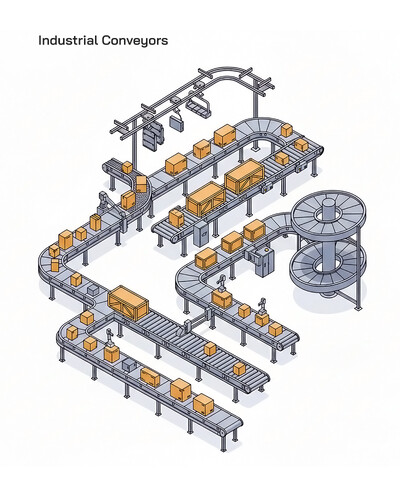
Another important dimension is logistics inside the refinery. Conveyors, elevators, and pipelines form the arteries of the operation, moving enormous volumes continuously. If one link falters, material backs up quickly, and downtime can become expensive. Preventive maintenance programs therefore receive intense attention. Bearings are lubricated on schedule, screens inspected for wear, and sensors calibrated regularly. Plants that excel in reliability often treat maintenance as a form of quality control, because stable equipment performance leads directly to consistent product characteristics. Unexpected shutdowns, by contrast, can expose oil to air or temperature fluctuations that complicate refining.
Energy management has become a defining feature of competitive soybean processing. Heating, evaporation, and deodorization require substantial thermal input, while pumps and motors draw electrical power around the clock. To reduce costs and environmental impact, many facilities integrate heat exchangers that reclaim energy from hot streams and transfer it to colder ones. Steam generated in one department may be reused elsewhere, creating a cascade of efficiency. These strategies not only lower operating expenses but also demonstrate responsible stewardship, an increasingly important factor in global supply chains where buyers evaluate sustainability credentials.
Water usage is similarly scrutinized. Degumming, neutralization, and cleaning operations depend on reliable supplies, yet discharge must meet strict regulatory standards. Treatment plants within the complex remove residual oil, adjust pH, and ensure that effluent can be released safely or recycled. By investing in advanced purification, companies reduce their environmental footprint and often recover valuable materials that might otherwise be lost. Such systems illustrate how modern soybean oil production extends beyond transformation into the realm of environmental engineering.
Quality assurance laboratories operate as the analytical backbone of the refinery. Samples travel from nearly every stage for testing, creating a continuous stream of information about moisture, color, acidity, and trace components. Rapid methods allow technicians to respond in near real time, preventing small deviations from becoming major problems. Documentation supports traceability demanded by regulators and customers. When a shipment leaves the plant, its history is recorded from intake through packaging, reinforcing confidence throughout the distribution network.
Worker safety is another pillar that shapes daily routines. Extraction areas handling solvents require explosion-proof equipment, gas detection systems, and rigorous training. Even in mechanical plants, high temperatures and moving parts demand respect. Companies cultivate cultures where reporting hazards is encouraged, protective gear is standard, and procedures are rehearsed until they become second nature. A safe environment not only protects employees but also contributes indirectly to product reliability, because accidents disrupt operations and damage morale.
Innovation continues to influence how soybean oil is produced. Advances in enzyme technology, membrane filtration, and digital modeling promise greater efficiency and finer control. Some refineries explore ways to tailor fatty acid profiles for specialized markets, while others develop packaging solutions that extend shelf life. Research partnerships between industry and academia help translate scientific discoveries into practical improvements. Despite these innovations, the core sequence—prepare, extract, refine, protect—remains recognizable, linking today’s high-tech plants with the earliest industrial experiments.
Market expectations further shape production decisions. Food manufacturers demand oils that behave predictably during frying, resist oxidation, and maintain clarity. Retail consumers look for transparency about origin and processing. Export buyers may impose additional standards or certifications. Meeting these diverse requirements requires flexibility, careful segregation of batches, and meticulous record keeping. Plants that adapt quickly gain reputations for reliability, strengthening long-term relationships with clients.
The broader economic role of soybean oil production cannot be overstated. By converting agricultural output into multiple products—oil, meal, lecithin, and other derivatives—processors create employment, stimulate transportation networks, and contribute to food security. Livestock industries depend heavily on soybean meal, while vegetable oil supports both household cooking and industrial food preparation. In many regions, crushing facilities anchor rural economies, providing stable markets for farmers and encouraging investment in infrastructure.
Viewed from this perspective, packaging becomes more than the final technical step. It represents the moment when industrial effort meets everyday life. The bottle or container must preserve months of careful handling, shielding the oil from light and oxygen while presenting information clearly. Branding, labeling, and distribution strategies carry the story of quality outward to consumers who may never see the refinery. Success is measured not only in extraction percentages but also in trust built through consistent performance.
As soybean oil travels from plant to kitchen or manufacturing line, the invisible network behind it continues to operate. Feedback from customers informs future adjustments; market signals influence procurement; research drives upgrades. The chain is dynamic, always refining itself just as the oil has been refined. Understanding the path from cleaning to packaging reveals an intricate balance of biology, mechanics, chemistry, and management. It is a system where every movement has purpose, and where attention to detail transforms a simple seed into a globally essential ingredient.
Understanding this progression reveals why each step cannot stand alone. Cleaning protects equipment and purity. Dehulling concentrates the oil-bearing fraction. Conditioning and flaking open pathways for release. Extraction separates the valuable liquid from solids. Degumming, neutralization, bleaching, and deodorizing polish the oil into a stable ingredient. Packaging preserves that achievement until it reaches consumers. Together they create a model of agricultural transformation that combines biology, chemistry, and engineering into a unified process that feeds millions every day.