An industrial dozer, commonly known as a bulldozer, is one of the most powerful and essential machines used in heavy construction, mining, and large-scale earthmoving operations. Designed to push, spread, and level massive quantities of soil, rock, and debris, the dozer plays a foundational role in shaping landscapes and preparing sites for infrastructure development. Its strength, durability, and versatility make it indispensable in modern industry.
The defining feature of an industrial dozer is its large front-mounted blade. This blade is engineered to push material efficiently across rough terrain. Depending on the task, blades may vary in shape and size, allowing the machine to handle loose soil, compacted earth, rubble, or even snow. The blade is hydraulically controlled, giving the operator precise command over height, angle, and tilt during operation.
Industrial dozers are built for traction and stability. Most dozers use a crawler track system rather than wheels. These continuous tracks distribute the machine’s weight evenly, allowing it to operate on soft, uneven, or muddy ground without sinking. This capability enables dozers to work in environments where other vehicles would struggle, such as mining sites, wetlands, steep slopes, and undeveloped land.
There are several types of industrial dozers, each suited to specific applications. Crawler dozers are the most common type and are recognized for their exceptional pushing power and stability. Their tracked design allows them to handle heavy loads and steep inclines, making them ideal for mining, large construction projects, and land clearing tasks.
Wheel dozers are another type, distinguished by their use of large rubber tires instead of tracks. While they offer less traction than crawler dozers, wheel dozers provide higher travel speed and better maneuverability on firm surfaces. They are often used in road construction, industrial yards, and areas where ground conditions are stable and speed is important.
Some industrial dozers are equipped with rear-mounted rippers. A ripper consists of one or more strong teeth that penetrate hard ground or rock. This attachment allows the dozer to break up compacted soil, frozen ground, or rocky surfaces before pushing or excavation. Ripper-equipped dozers are widely used in mining, quarrying, and site preparation where ground conditions are extremely tough.
Specifications of an industrial dozer vary depending on size and intended use. Key specifications include engine power, operating weight, blade width, and load capacity. Larger dozers are designed with high torque engines to generate the force required for pushing heavy material continuously. Machine weight directly affects traction and pushing capability, while blade size determines how much material can be moved in a single pass.
Modern industrial dozers feature advanced hydraulic systems that ensure smooth and responsive blade control. These systems allow operators to maintain consistent pressure against the ground, improving efficiency and reducing wear. Operator cabins are designed for visibility, comfort, and safety, with reinforced structures, ergonomic controls, and protective features suitable for demanding environments.
Fuel efficiency has become an important consideration in dozer design. Manufacturers focus on optimizing engine performance to reduce fuel consumption while maintaining high output. Efficient fuel use lowers operating costs and supports environmentally responsible construction practices.
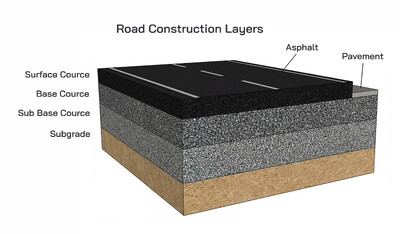
The uses of industrial dozers are extensive. In construction, they are used to clear land, remove vegetation, and level ground before building begins. In road and highway projects, dozers shape embankments, spread fill material, and prepare surfaces for paving. In mining operations, they support material handling, overburden removal, and site maintenance.
Industrial dozers also play a critical role in infrastructure development such as dams, airports, railways, and industrial plants. Their ability to move large volumes of material quickly makes them essential for projects that require precise ground shaping over wide areas. In forestry, dozers are used for clearing land and creating access paths, while in disaster response they assist with debris removal and site recovery.
The importance of industrial dozers lies in their impact on productivity and efficiency. By performing tasks that would otherwise require extensive manual labor or multiple machines, dozers significantly reduce project timelines. Their continuous operation capability allows large-scale work to progress steadily, supporting tight construction schedules and complex site management.
From an economic perspective, industrial dozers contribute directly to cost efficiency. Faster site preparation reduces labor expenses and equipment overlap. Their durability and rugged construction ensure long service life, making them valuable long-term assets in equipment fleets. Proper maintenance and skilled operation further enhance reliability and return on investment.
Safety is a core aspect of dozer operation. Modern machines include protective structures, advanced braking systems, and monitoring technologies to safeguard operators. Training and adherence to safety procedures are essential, as dozers operate in challenging conditions and handle immense force.
In civil engineering, the industrial dozer is considered a foundational machine. It prepares the groundwork upon which all other construction activities depend. Without proper dozer work, foundations may lack stability, and projects may face long-term structural issues.
Beyond their visible strength and earthmoving capability, industrial dozers represent a complex integration of mechanical engineering, material science, and operational strategy. One important aspect not often highlighted is the role of undercarriage design in determining a dozer’s performance and lifespan. The undercarriage, which includes tracks, rollers, idlers, and sprockets, absorbs most of the machine’s working stress. Its design directly affects traction efficiency, vibration control, and maintenance frequency. High-quality undercarriage components are engineered to resist abrasion from soil, sand, and rock, making them critical to long-term operational reliability.
Another key dimension of industrial dozer use is precision grading. While dozers are often associated with brute force, modern applications increasingly demand accuracy. Fine grading requires controlled blade movements to achieve specific slopes, elevations, and contours. Advanced blade geometry and hydraulic responsiveness allow dozers to shape terrain to exact specifications, which is especially important in projects such as road subgrades, drainage systems, and foundation preparation. Precision grading reduces the need for rework and improves overall project quality.
The interaction between the dozer and soil mechanics is another important consideration. Different soil types respond differently to blade pressure and movement. Loose sand, cohesive clay, and rocky terrain each require distinct operating techniques. Skilled operators adjust blade angle, depth, and travel speed to match ground conditions, minimizing resistance and maximizing efficiency. This adaptability highlights that effective dozer operation is as much about expertise as it is about machine power.
Industrial dozers also play a strategic role in site logistics and workflow optimization. By sequencing material movement correctly, dozers help maintain smooth operations across construction zones. For example, they may push material toward loaders or excavators, creating efficient transfer points. This coordination reduces idle time for other machines and enhances overall site productivity. In large projects, dozers often act as the central link between excavation, hauling, and compaction activities.
Environmental management is another area where dozers contribute significantly. During land development, dozers are used to manage topsoil separately from subsoil. Preserving topsoil is important for landscaping, erosion control, and ecological restoration after construction. Dozers are also employed to shape landforms that control water flow, reducing erosion and improving drainage. These tasks demonstrate how dozers support environmentally responsible construction practices when used thoughtfully.
In mining and quarrying operations, industrial dozers serve roles beyond material pushing. They are used to maintain haul roads, manage stockpiles, and ensure safe access routes for heavy trucks. Road maintenance by dozers improves traction, reduces vehicle wear, and enhances safety in high-risk environments. Their continuous presence in mining sites underscores their importance in maintaining operational continuity rather than just initial site preparation.
Dozers are also integral to large-scale land reclamation projects. In areas affected by mining, industrial waste, or natural disasters, dozers help reshape terrain to restore functionality and stability. They are used to cover waste materials, form containment structures, and prepare land for future use. This restorative role positions the dozer as a tool not only of development but also of rehabilitation.
Technological integration has further expanded dozer capabilities. Machine guidance systems use satellite positioning and onboard sensors to provide real-time feedback on blade position and ground elevation. These systems allow operators to follow digital terrain models with high accuracy. As a result, projects achieve tighter tolerances, reduced material waste, and faster completion times. Such technology also lowers operator fatigue and improves consistency across long working shifts.
The economic influence of industrial dozers extends into workforce dynamics. Skilled dozer operators are highly valued professionals whose expertise directly affects project outcomes. Training programs focus on machine control, safety awareness, and terrain assessment, emphasizing that modern dozer operation is a specialized skill. Investment in operator training often yields significant returns through improved efficiency, reduced machine wear, and fewer errors.
From a durability standpoint, industrial dozers are designed for long service life under extreme conditions. Heavy-duty frames, reinforced blades, and robust powertrains allow them to operate for thousands of hours. Preventive maintenance strategies, such as scheduled inspections and component replacement, are critical to preserving this longevity. Well-maintained dozers can remain productive assets for decades, contributing to their strong economic value.
Industrial dozers also influence project scalability. Their availability allows construction and mining operations to expand quickly, as large volumes of earth can be moved without proportional increases in labor. This scalability supports rapid infrastructure growth in developing regions and enables efficient response to urgent needs such as disaster recovery or emergency road construction.
In broader industrial systems, dozers symbolize foundational progress. Before buildings rise, roads form, or facilities operate, the ground must be shaped and stabilized. The dozer is often the first machine to arrive on site and the last to leave, underscoring its central role in the life cycle of construction projects. Its work remains largely unseen in the final structure, yet it underpins everything that follows.
Industrial dozers also have a significant impact on long-term project planning and risk management. Before large construction or mining projects begin, engineers often rely on dozer-based trial grading to understand ground behavior. By pushing and reshaping soil during early phases, dozers help identify unstable zones, buried obstacles, or variations in soil composition that may not be evident from surveys alone. This early ground interaction reduces uncertainty and allows planners to modify designs before more sensitive or expensive construction stages begin.
Another important aspect of industrial dozers is their contribution to load management and ground pressure control. Different track widths and shoe designs are selected based on ground conditions. Wider tracks reduce ground pressure, allowing the machine to operate on soft soils without excessive sinking. Narrower tracks increase pressure for improved traction on hard or rocky surfaces. This adaptability enables dozers to function effectively across vastly different terrains while minimizing environmental disturbance and mechanical stress.
Dozers also play a crucial role in slope creation and stabilization. In embankment construction, dam building, and road cuttings, controlled slope angles are essential for long-term stability and safety. Dozers shape these slopes gradually, compacting material as it is placed. Proper slope formation reduces the risk of landslides, erosion, and structural failure. This makes dozers integral not only to construction speed but also to long-term structural integrity.
In cold and extreme climates, industrial dozers are often among the few machines capable of reliable operation. In frozen regions, they are used to break compacted snow, clear ice, and move frozen soil. Specialized blade designs and ripper attachments allow dozers to penetrate frost-hardened ground where conventional excavation methods fail. Their reliability in harsh environments makes them essential in polar research stations, mountain infrastructure projects, and winter road maintenance.
Industrial dozers also support temporary infrastructure creation. On large sites, they are used to build access roads, temporary ramps, and working platforms for other equipment. These temporary structures are critical for moving materials and machinery efficiently across undeveloped terrain. Once the project advances, dozers may then dismantle or reshape these temporary features, demonstrating their flexibility throughout different project stages.
Noise and vibration management is another evolving consideration in dozer design and operation. As construction increasingly occurs near populated areas, reducing environmental impact has become important. Modern dozers incorporate engine insulation, vibration-dampening components, and smoother hydraulic responses to lower noise levels and reduce ground vibration. These improvements help projects comply with regulations while improving operator comfort and public acceptance.
The role of industrial dozers in emergency response deserves special attention. After natural disasters such as earthquakes, floods, or landslides, dozers are often deployed first to clear debris, reopen access routes, and stabilize dangerous terrain. Their ability to push large volumes of rubble quickly makes them invaluable in rescue and recovery operations. In these scenarios, dozers directly contribute to saving lives and restoring basic infrastructure.
From a materials handling perspective, dozers are also used to manage stockpiles in industrial facilities. They spread, level, and organize bulk materials such as coal, ore, aggregates, or industrial waste. Proper stockpile management improves material flow, reduces segregation, and enhances safety by preventing collapses or uneven loading. This application extends the dozer’s importance beyond construction into ongoing industrial operations.
The interaction between dozers and digital planning tools has reshaped modern earthmoving strategies. Digital terrain models created during project design can be directly translated into machine guidance systems. This integration reduces reliance on physical stakes and manual measurements. As a result, accuracy improves while setup time decreases. Dozers operating with digital guidance can work continuously with minimal interruption, increasing overall productivity.
Industrial dozers also influence sustainability beyond emissions and fuel efficiency. By enabling precise material placement, they reduce over-excavation and unnecessary material transport. This efficiency lowers fuel use across the entire equipment fleet and reduces waste generation. In landfills and waste management facilities, dozers help compact and cover waste efficiently, extending site lifespan and improving environmental containment.
Maintenance strategies for dozers have evolved into predictive approaches. Sensors monitor wear, temperature, and load conditions, allowing maintenance teams to anticipate component failure before breakdowns occur. This predictive maintenance reduces downtime, prevents catastrophic damage, and extends machine life. Such reliability is particularly important in remote or high-cost operating environments where repairs are difficult.
Culturally within the construction and mining industries, the dozer holds symbolic importance. It represents the beginning of transformation, turning untouched land into usable space. For many operators, mastering a dozer is seen as a milestone skill that reflects experience and trust. This cultural value reinforces the machine’s status as a cornerstone of heavy equipment fleets.
In large-scale infrastructure development, the cumulative impact of dozer work often determines project success. Proper initial grading influences drainage patterns, load distribution, and construction sequencing. Errors at this stage can propagate throughout the project, increasing costs and risks. Therefore, the dozer’s role is not isolated but deeply interconnected with every subsequent phase of development.
Taken together, these additional dimensions highlight the industrial dozer as a strategic asset rather than merely a powerful machine. Its influence extends into planning, safety, environmental stewardship, emergency response, and long-term project performance. By shaping the ground with precision and control, the dozer quietly enables the visible achievements of modern infrastructure, industry, and development. These additional dimensions reveal the industrial dozer as more than a pushing machine. It is a precision tool, a logistical coordinator, an environmental manager, and a driver of economic efficiency. Its influence extends from the microscopic interaction of steel and soil to the macroscopic shaping of landscapes and industries. Through continuous innovation and skilled use, the industrial dozer remains a cornerstone of modern development and large-scale engineering.
In conclusion, the industrial dozer is a powerful earthmoving machine designed to push, level, and shape terrain efficiently. Its types include crawler dozers, wheel dozers, and ripper-equipped variants, each serving specialized purposes. With robust specifications, versatile uses, and critical importance across construction, mining, and infrastructure development, the industrial dozer remains a cornerstone of heavy industry and modern development.