A drive shaft is a fundamental mechanical component used to transmit rotational power from one part of a machine to another. In vehicles, it transfers torque generated by the engine and gearbox to the wheels, enabling motion. In industrial systems, drive shafts connect motors to machines such as pumps, conveyors, compressors, and generators. Despite its simple appearance, the drive shaft plays a critical role in ensuring smooth, efficient, and reliable power transmission across a wide range of applications.
The basic function of a drive shaft is to carry rotational energy while accommodating changes in distance, angle, and alignment between connected components. In real-world systems, perfect alignment is rarely possible due to suspension movement, load variation, thermal expansion, or structural flexing. The drive shaft compensates for these changes while maintaining continuous power flow, which is essential for both mobility and industrial productivity.
Structurally, most drive shafts are cylindrical and hollow rather than solid. A hollow design provides high strength while reducing weight, which improves efficiency and balance. Steel is commonly used due to its strength and fatigue resistance, though aluminum and composite materials are also used in applications where weight reduction is critical. Precision balancing is essential because even small imbalances can cause vibration at high rotational speeds.
One of the most important mechanisms associated with drive shafts is the universal joint. Universal joints allow the shaft to transmit power between components that are not perfectly aligned. As the angle between shafts changes, the joint flexes while continuing to rotate. This capability is especially important in vehicles, where suspension movement constantly changes the relative position of drivetrain components. Without universal joints, smooth power transfer under such conditions would not be possible.
Another important mechanism is the slip yoke or sliding joint. This component allows the drive shaft to change length slightly during operation. In vehicles, the distance between the transmission and axle changes as the suspension compresses and extends. The slip mechanism prevents binding and mechanical stress by allowing controlled axial movement while maintaining torque transfer.
There are several types of drive shafts, each designed for specific layouts and operating conditions. Single-piece drive shafts are commonly used in shorter wheelbase vehicles or systems where distance and alignment remain relatively constant. These shafts are simple in construction and efficient when operating conditions are stable.
Two-piece drive shafts are used in longer vehicles where a single shaft would be too long and prone to vibration. These shafts are divided into two sections connected by a center support bearing. This arrangement improves balance, reduces vibration, and allows smoother power transmission over longer distances. Multi-piece shafts follow the same principle and are used in heavy-duty and long-wheelbase applications.
Propeller shafts are a specific category of drive shafts used in rear-wheel-drive and all-wheel-drive vehicles. They transmit power from the transmission to the differential. These shafts must handle high torque while rotating at significant speeds, making strength and balance critical design factors. Propeller shafts typically incorporate universal joints and slip mechanisms to handle alignment changes.
In front-wheel-drive vehicles, drive shafts often use constant velocity joints instead of traditional universal joints. Constant velocity joints allow power transmission at varying angles while maintaining uniform rotational speed. This is crucial for steering systems, where wheels turn while receiving power. CV joints ensure smooth acceleration without vibration or power fluctuation, improving driving comfort and control.
Industrial drive shafts are designed to connect motors with machinery where power must be transmitted over distance or around obstacles. These shafts may use flexible couplings instead of universal joints, depending on alignment requirements. Flexible couplings absorb shock, reduce vibration, and protect connected equipment from sudden load changes. In heavy industrial environments, drive shafts are built for continuous operation and high torque demand.
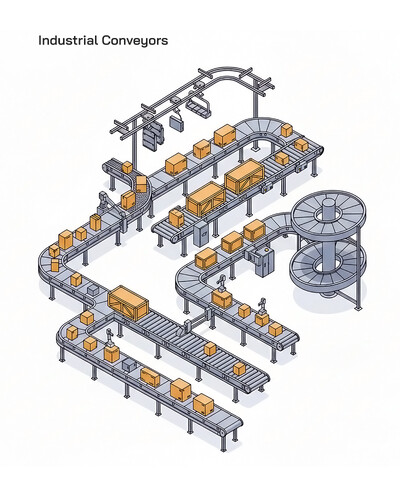
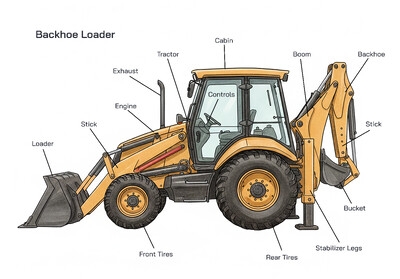
Drive shafts are widely used across industries. In automotive applications, they are essential for vehicle movement, enabling engine power to reach the wheels efficiently. In construction and agricultural machines, drive shafts transfer power to implements, hydraulic systems, and driven axles. In manufacturing plants, they connect motors to conveyors, mixers, and rotating equipment. In marine systems, drive shafts transmit power from engines to propellers, enabling vessel propulsion.
The importance of drive shafts lies in their ability to ensure mechanical efficiency and reliability. A properly designed and maintained drive shaft minimizes energy loss, reduces vibration, and extends the lifespan of connected components. Poor alignment, imbalance, or wear can lead to noise, reduced efficiency, and mechanical failure, highlighting the need for precision engineering.
Maintenance is a critical aspect of drive shaft performance. Regular inspection of joints, couplings, and lubrication points helps prevent premature wear. Worn joints can cause vibration, noise, and loss of power transmission. In vehicles, damaged drive shafts can affect handling and safety, while in industrial systems, failure can result in costly downtime.
Advancements in materials and engineering have improved drive shaft performance significantly. Lightweight materials reduce rotational inertia, improving efficiency and responsiveness. Improved joint designs enhance durability and reduce maintenance requirements. Precision manufacturing techniques ensure better balance and smoother operation, even at high speeds.
From a mechanical perspective, the drive shaft is a key link between power generation and power utilization. Without it, engines and motors would be unable to deliver usable energy to wheels, machines, or tools. Its ability to adapt to movement, alignment changes, and varying loads makes it one of the most versatile components in mechanical engineering.
Beyond their basic role in power transmission, drive shafts are deeply influenced by dynamic forces that act during operation. When a shaft rotates at high speed, it experiences centrifugal forces, torsional stress, bending moments, and cyclic fatigue simultaneously. These forces interact continuously, especially in systems where load varies rapidly, such as vehicles accelerating, decelerating, or traveling over uneven terrain. Engineers must account for these combined stresses during design to ensure that the shaft can withstand millions of load cycles without cracking or deforming. Fatigue resistance is therefore a major design priority, often determining material selection, wall thickness, and manufacturing method.
Torsional behavior is a critical aspect of drive shaft performance that is not always visible. When torque is applied, the shaft twists slightly along its length, storing energy like a spring before releasing it. This torsional elasticity helps smooth power delivery but can also introduce resonance issues if not carefully controlled. If the natural torsional frequency of the shaft aligns with operating speeds, vibration and noise can increase dramatically. To prevent this, engineers calculate critical speeds and design shafts to operate safely outside resonance zones, sometimes incorporating dampers or changing shaft geometry to shift frequencies.
Vibration control is one of the most challenging aspects of drive shaft engineering. Even a perfectly balanced shaft at rest can develop vibration under load due to joint angles, bearing stiffness, or structural flexibility. In automotive applications, vibration can be transmitted through the chassis and felt by occupants, affecting comfort and perceived quality. In industrial machinery, vibration can reduce accuracy, accelerate wear, and damage connected equipment. As a result, vibration analysis and testing are essential parts of drive shaft development and validation.
Manufacturing methods significantly influence drive shaft performance and durability. Traditional steel drive shafts are often manufactured using tube forming and welding processes, followed by precision machining of joint interfaces. Advanced methods such as friction welding allow different materials or sections to be joined with minimal weakness at the joint. Composite drive shafts are produced using filament winding or layered molding techniques, which allow fibers to be oriented in directions that best resist torsional and bending forces. These manufacturing choices directly affect strength, weight, and cost.
Surface treatment is another important but less visible factor. Drive shafts are often treated with coatings or finishes that improve corrosion resistance, reduce friction, and extend service life. In harsh environments such as marine or industrial settings, corrosion protection becomes critical, as rust can weaken the shaft and alter balance. Shot peening is sometimes used to introduce compressive stress at the surface, increasing fatigue strength and resistance to crack initiation.
The interaction between drive shafts and bearings plays a vital role in system stability. Bearings support the shaft, control alignment, and reduce friction, but they also introduce constraints that influence shaft behavior. Misaligned or worn bearings can force the shaft to operate under bending stress, increasing fatigue and vibration. In multi-shaft systems, bearing placement is carefully calculated to ensure even load distribution and smooth rotation across the entire drivetrain.
In high-performance and heavy-duty applications, thermal effects must also be considered. As a drive shaft operates, friction in joints and bearings generates heat, while environmental temperatures may vary widely. Thermal expansion can slightly change shaft length and joint clearances, affecting alignment and balance. In extreme cases, excessive heat can degrade lubrication, leading to accelerated wear. Engineers therefore select materials and tolerances that maintain performance across expected temperature ranges.
Drive shafts also play an important role in noise generation and control. Rotational noise can originate from joints, splines, or surface irregularities and may become more pronounced at certain speeds. In vehicles, this noise can be transmitted into the cabin, while in industrial systems it can contribute to an unpleasant or unsafe work environment. Noise reduction strategies include improved joint geometry, optimized lubrication, and the use of dampening materials or enclosures.
The reliability of drive shafts has a direct impact on system availability and safety. In vehicles, sudden drive shaft failure can result in loss of propulsion or secondary damage to nearby components. In industrial systems, failure may halt production, damage machinery, or pose risks to personnel. For this reason, critical applications often include safety factors, redundant supports, or protective guards designed to contain fragments in the event of failure.
Testing and validation are essential stages in drive shaft development. Prototypes are subjected to laboratory tests that simulate real-world loads, speeds, and environmental conditions. These tests may include endurance cycling, impact loading, corrosion exposure, and vibration analysis. Field testing further confirms performance under actual operating conditions. The data gathered during testing informs design improvements and ensures compliance with industry standards.
From a system integration perspective, drive shafts must be compatible with surrounding components. This includes matching torque capacity with engines or motors, aligning joint types with available space, and ensuring compatibility with lubrication systems. A well-designed drive shaft integrates seamlessly into the larger system, contributing to overall efficiency rather than limiting performance.
In modern engineering, digital simulation has become a powerful tool for drive shaft design. Computer models allow engineers to predict stress distribution, vibration behavior, and fatigue life before physical prototypes are built. These simulations reduce development time and cost while enabling more optimized designs. As computing power increases, simulations continue to improve in accuracy, allowing engineers to explore innovative geometries and materials.
Drive shafts also play an important role in energy efficiency at the system level. Any inefficiency in torque transmission, such as internal friction, misalignment losses, or unnecessary mass, directly translates into wasted energy. In vehicles, this can reduce fuel efficiency or driving range, while in industrial systems it can increase electricity consumption and operating costs. Engineers therefore aim to optimize shaft geometry, surface finish, and joint efficiency so that as much input energy as possible reaches the driven component with minimal loss.
Another advanced consideration in drive shaft design is damping behavior. While stiffness is necessary for strength and precision, excessive stiffness can transmit shock loads directly to gearboxes, bearings, or driven equipment. To address this, some drive shafts incorporate torsional dampers or flexible elements that absorb sudden torque spikes. These features are particularly important in systems with frequent start-stop cycles, reversing loads, or uneven power delivery, such as heavy machinery, crushers, and reciprocating equipment.
In specialized applications, drive shafts are designed to operate under extreme alignment conditions. Agricultural machinery, for example, often uses power transmission shafts that operate at steep angles while still delivering high torque. These systems require carefully designed joint arrangements and protective housings to maintain reliability. Similarly, off-road vehicles and military equipment demand drive shafts that can tolerate severe articulation, contamination, and impact without failure.
Lubrication strategy is another critical factor that influences drive shaft longevity. Joints and splines rely on consistent lubrication to reduce wear and heat generation. In some designs, sealed-for-life joints are used to minimize maintenance, while in others, regular lubrication is required to handle heavy loads or harsh environments. Selecting the correct lubricant type and maintenance interval is essential, as improper lubrication can lead to rapid degradation even in well-designed components.
Drive shafts also interact closely with control systems in modern machinery. In advanced vehicles and industrial equipment, sensors monitor rotational speed, vibration, and torque transmission. These signals can be used to detect imbalance, misalignment, or early signs of failure. Predictive maintenance systems analyze this data to schedule service before a breakdown occurs, reducing downtime and preventing secondary damage. As sensor technology advances, drive shafts increasingly become part of intelligent mechanical systems rather than purely passive components.
The scalability of drive shaft design is another notable aspect. The same fundamental principles apply whether the shaft is transmitting a small amount of power in a precision instrument or massive torque in a mining truck. What changes are dimensions, materials, and safety margins. This scalability makes drive shafts one of the most universally applied mechanical elements, bridging light-duty and heavy-duty engineering with a shared foundation of design logic.
Environmental exposure significantly influences drive shaft performance in certain industries. In marine environments, constant exposure to moisture and salt accelerates corrosion, requiring specialized materials and coatings. In dusty or abrasive environments, seals and protective boots are critical to prevent contamination from entering joints and splines. Failure to account for these conditions can drastically shorten service life, even if the shaft is mechanically sound.
Drive shaft alignment during installation is another factor that directly affects long-term performance. Even minor installation errors can introduce constant bending stress or uneven joint loading. Over time, this can lead to premature wear, vibration, and eventual failure. For this reason, alignment procedures and installation guidelines are an essential part of drive shaft engineering, particularly in industrial systems where shafts may be custom-fitted on site.
In high-speed applications, aerodynamic effects can also become relevant. At very high rotational speeds, airflow around the shaft can create additional drag, noise, or even aerodynamic instability. While this is rarely a concern in conventional vehicles, it becomes more important in specialized machinery and test equipment. Engineers may adjust shaft diameter, surface texture, or enclosures to mitigate these effects.
Drive shafts also contribute to system redundancy and fault tolerance in certain designs. In some critical applications, dual or parallel shafts are used so that partial operation can continue if one component fails. While this adds complexity and cost, it increases reliability in systems where downtime is unacceptable. Such approaches highlight how drive shafts can be integrated into broader safety and reliability strategies.
From a lifecycle perspective, drive shafts are increasingly designed with recyclability in mind. Material selection and construction methods now consider end-of-life processing, especially in industries focused on sustainability. Steel and aluminum shafts are relatively easy to recycle, while composite shafts require more specialized handling. Designing for disassembly and material recovery is becoming a growing consideration in modern engineering.
Training and documentation also play an indirect but important role in drive shaft performance. Operators, technicians, and engineers must understand correct usage limits, maintenance practices, and warning signs of failure. Clear documentation and standardized procedures reduce the risk of misuse, which can be just as damaging as design flaws. In this way, human factors remain closely tied to mechanical reliability.
In research and development, drive shafts are often used as test platforms for new materials and manufacturing techniques. Innovations such as advanced alloys, additive manufacturing, and smart materials are sometimes first applied to shafts because their behavior is well understood and measurable. These experiments contribute to broader progress in mechanical engineering and materials science.
Ultimately, the drive shaft embodies the principle that reliable motion depends on controlled transmission of force. It is not merely a connector between components, but a carefully engineered system element that manages stress, motion, and energy simultaneously. Its continued refinement reflects the ongoing pursuit of efficiency, durability, and adaptability in mechanical design. Even as machines become more automated and electrified, the fundamental need to transmit rotational power remains, ensuring that drive shafts will continue to evolve while retaining their essential role at the heart of mechanical systems. The drive shaft represents a balance between strength, flexibility, efficiency, and durability. It must be robust enough to handle high loads, flexible enough to accommodate movement, and precise enough to operate smoothly at high speeds. Its continued evolution reflects broader advances in mechanical engineering, materials science, and manufacturing technology. Although often overlooked compared to engines or motors, the drive shaft remains a silent enabler of motion, connecting power to purpose in countless machines that shape modern life.
In conclusion, a drive shaft is a vital power transmission component that enables rotational motion to be transferred efficiently between mechanical systems. Its types include single-piece, multi-piece, propeller shafts, and constant velocity designs, each suited to specific applications. Through mechanisms such as universal joints, slip joints, and flexible couplings, drive shafts accommodate alignment changes while maintaining torque flow. Their widespread use in vehicles, industrial machinery, construction equipment, and marine systems highlights their critical role in modern mechanical and industrial operations.