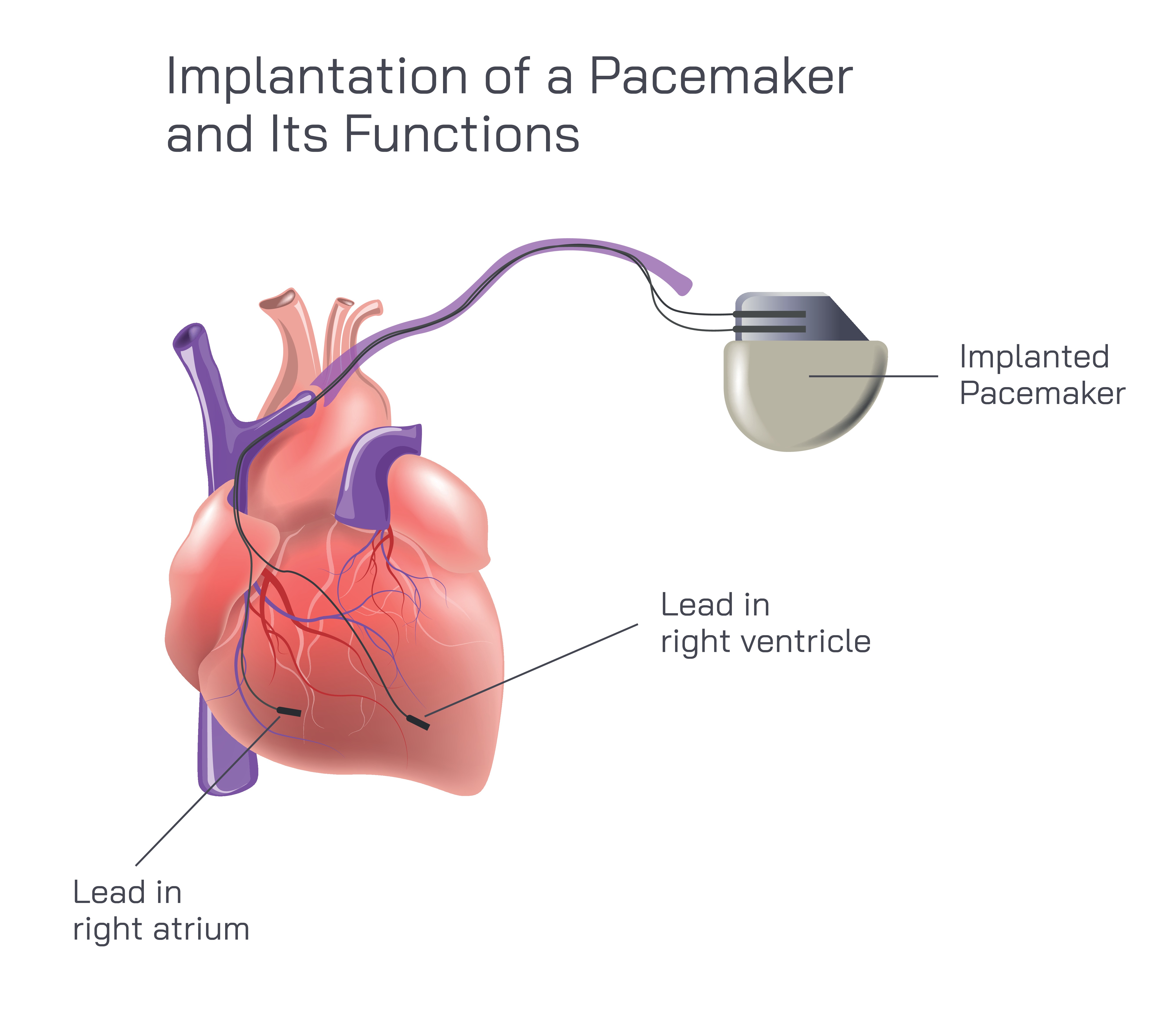
Implantation of a Pacemaker and Its Functions.
Understanding Why Pacemakers Are Implanted
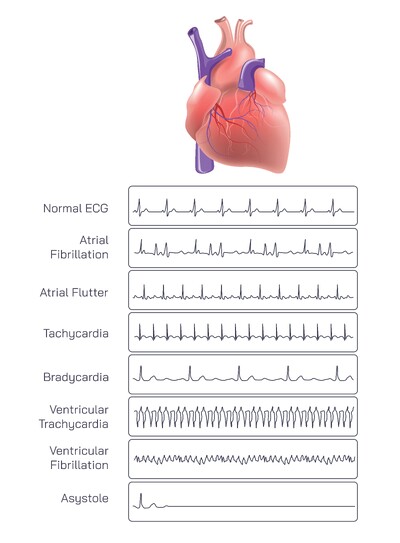
A pacemaker is a small, life-supporting medical device designed to help regulate the heart’s electrical rhythm when the natural conduction system becomes slow, irregular, or unreliable. The heart relies on precisely timed electrical impulses to maintain steady contractions that pump blood throughout the body. When this timing is disrupted—such as in bradycardia, heart block, or certain arrhythmias—a pacemaker can restore normal rhythm and prevent symptoms like dizziness, fatigue, fainting, and shortness of breath. By delivering carefully controlled electrical signals, the pacemaker ensures the heart beats efficiently and consistently, improving both quality of life and cardiac function.
How Pacemakers Are Implanted in the Body
Pacemaker implantation is typically performed through a minimally invasive surgical procedure. It usually takes about one hour and is done under local anesthesia with light sedation. A small incision is made just below the collarbone, creating a pocket in the chest where the pulse generator—the main body of the pacemaker—is placed. Thin, flexible electrode leads are then guided through a nearby vein into the heart chambers under imaging guidance. Once positioned correctly, these leads are secured to the heart muscle. They detect electrical activity, deliver impulses when needed, and serve as communication channels between the heart and the pacemaker generator.
After the leads are connected to the pulse generator, the device is tested to ensure proper function. The incision is closed, and the pacemaker begins working immediately. Patients typically return home within a day, experiencing only mild discomfort while the incision heals. Modern pacemakers are compact, durable, and designed to last many years before requiring battery replacement.
The Structure of a Pacemaker and Its Main Components
A pacemaker consists of two major parts:
The Pulse Generator – A small metal case housing the battery and miniaturized circuitry. It produces electrical impulses and stores programming settings that control pacing behavior.
The Leads (Electrodes) – Insulated wires that extend from the generator into the heart, usually the right atrium, right ventricle, or both. They sense the heart’s intrinsic electrical activity and deliver impulses when necessary.
Some advanced systems include leadless pacemakers, which sit entirely within the heart without any external wires, offering an alternative for certain patients.
How Pacemakers Regulate Heart Rhythm
Pacemakers work by constantly monitoring the heart’s natural electrical signals. When the heart beats appropriately, the pacemaker remains passive. If it detects a missed beat, delayed conduction, or a dangerously slow rhythm, it releases a small electrical pulse through the leads to stimulate the heart muscle. This restores the timing of contractions and ensures that blood continues to circulate efficiently.
Pacemakers can operate in several modes depending on medical needs:
Single-Chamber Pacing – Delivers impulses to either the atrium or the ventricle.
Dual-Chamber Pacing – Coordinates activity between the atrium and ventricle, syncing the upper and lower chambers.
Rate-Responsive Pacing – Adjusts heart rate automatically based on body activity detected by internal sensors.
These features allow pacemakers to support the heart in both rest and activity, adapting to the body's changing physiological demands.
Functions and Therapeutic Benefits of a Pacemaker
Pacemakers provide several vital functions that significantly improve heart performance:
1. Regulating Slow Heart Rhythms (Bradycardia)
When the heart beats too slowly, blood flow decreases. A pacemaker prevents dizziness, fatigue, fainting, and organ stress by ensuring the heart maintains an adequate rate.
2. Supporting Heart Block Conditions
In heart block, electrical signals fail to travel through the conduction pathway correctly. Pacemakers bypass this breakdown by stimulating the heart directly to maintain coordinated contractions.
3. Coordinating Chamber Contractions
Dual-chamber pacemakers help synchronize atrial and ventricular activity, improving cardiac output and reducing symptoms in patients with conduction delays.
4. Enhancing Heart Rate During Activity
Rate-responsive pacemakers sense body movement or breathing changes and automatically increase heart rate to match physical exertion, supporting exercise tolerance.
5. Preventing Dangerous Rhythm Pauses
Certain conditions cause intermittent pauses in the heartbeat. Pacemakers prevent these interruptions by supplying timely electrical impulses.
6. Supporting Heart Failure Therapy (CRT Devices)
Specialized pacemakers, known as cardiac resynchronization therapy devices, stimulate both ventricles simultaneously to improve pumping strength in heart failure patients.
Life After Pacemaker Implantation
Most people return to daily activities within days or weeks after implantation. The device is monitored regularly through check-ups or remote telemetric systems, allowing healthcare providers to adjust programming as needed. Precautions include avoiding strong magnetic fields, maintaining careful activity during recovery, and reporting symptoms like fatigue, dizziness, or swelling.
Modern pacemakers are highly reliable, safe, and adaptable. They significantly enhance quality of life and survival by restoring normal rhythm and preventing complications associated with abnormal heartbeats.
A Vital Technology Supporting the Heart’s Natural Function
Pacemaker therapy represents a remarkable blend of biomedical engineering and cardiac science. By taking over when the heart’s electrical system falters, the device ensures steady, life-sustaining rhythm. Its implantation is straightforward, its functions precise, and its benefits profound. Pacemakers continue to evolve, offering patients greater comfort, advanced features, and long-term support that allows them to live healthier, more active lives.