Comprehensive Overview of Vitamin E Tocopherol and Its Role in Human Wellness
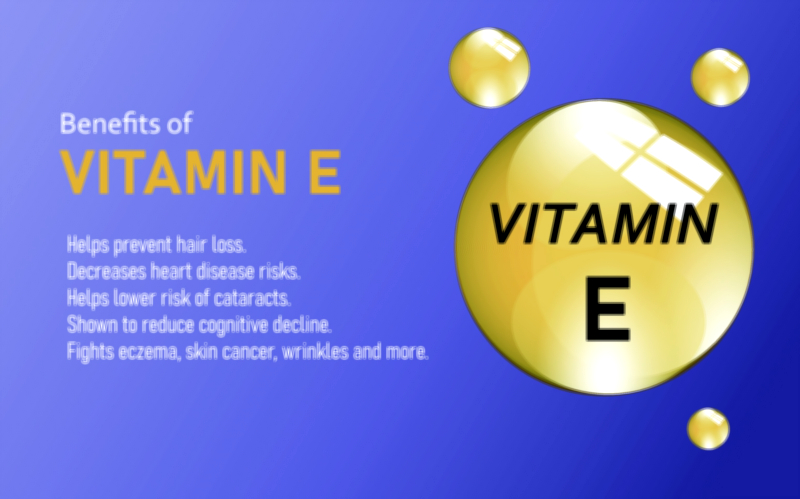
Vitamin E, commonly known in its primary form as tocopherol, is a vital component of human nutrition. It plays an extraordinary role in preserving cellular comfort, structural harmony, and protective stability throughout the body. Although it is frequently described as a nutrient with skin-supportive qualities, its influence extends far beyond appearance. Tocopherol contributes to internal defense systems, tissue coordination, and overall resilience, helping the body adapt to daily demands while maintaining consistent inner balance.
One of the most notable functions of vitamin E lies in its supportive role in preserving cellular integrity. The body constantly encounters natural environmental pressures, and its cells require adequate protection to maintain smooth function. Tocopherol participates in mechanisms that defend delicate internal structures and keep them functioning efficiently. When cells remain stable, the body sustains stronger vitality, smoother recovery, and improved comfort during everyday activities. This protective influence allows the body to focus more energy on growth, renewal, and overall wellbeing.
Vitamin E also plays a remarkable part in maintaining tissue softness and surface comfort, especially within the skin. As the body’s outer layer constantly interacts with environmental conditions, it needs dependable support to remain smooth and steady. Tocopherol helps preserve this natural balance, encouraging a more refreshed and settled appearance. Its supportive qualities assist the body in maintaining hydration and restoring surface layers more efficiently. For many individuals, this makes vitamin E an important nutrient for long-term surface comfort and daily confidence.
Beyond its visible benefits, tocopherol supports internal systems that influence muscle coordination, circulatory steadiness, and overall bodily flow. These systems work together to maintain clarity and regulate movement. When supported by adequate nutrient supply, the body responds with improved flexibility, smoother transitions during activity, and greater day-to-day endurance. Vitamin E does not work alone, but its presence strengthens the foundation upon which many other nutrients and internal processes operate.
Dietary sources of vitamin E include nuts, seeds, grains, natural oils, leafy greens, and various plant-based foods. These ingredients carry compounds that maintain their value even after preparation, making them accessible to a wide range of dietary patterns. Individuals who follow plant-focused eating habits often benefit from regular exposure to tocopherol-rich foods. However, all dietary groups can reach healthy levels through mindful choices and balanced combinations of meals.
Another vital aspect of vitamin E is its involvement in maintaining harmony throughout various body systems. When internal defense structures operate smoothly, individuals experience improved comfort, greater endurance, and better adaptation to daily routines. Tocopherol’s presence helps stabilize these systems, easing stress on tissues that work continuously behind the scenes. This steadiness becomes especially important during periods of increased activity or emotional pressure, when the body’s protective needs are naturally elevated.
Insufficient vitamin E intake may gradually influence comfort, resilience, or surface appearance. The effects often develop over time, making them easy to overlook. Reduced intake can affect tissues that depend heavily on structural clarity and comfort. By restoring nutrient levels through a thoughtful diet, individuals often notice improved balance and smoother daily performance.
Vitamin E’s value extends to people across all stages of life. Young individuals benefit from its supportive role in body development and daily protection. Adults depend on it for maintaining steady energy, tissue harmony, and internal balance. Older individuals often find additional value in its stabilizing qualities, particularly in maintaining body comfort and adaptable function. Tocopherol remains important for everyone, regardless of age or lifestyle.
This nutrient also proves essential during times of environmental change. When the body is exposed to shifting climates, varied temperatures, or demanding physical routines, its natural protective systems require consistent support. Vitamin E contributes to maintaining a stable internal foundation, enabling smoother transitions and reducing strain on sensitive tissues.
In summary, vitamin E tocopherol stands as a powerful nutrient with wide-ranging benefits that affect both outer appearance and deeper internal systems. Its contributions to cellular harmony, surface comfort, emotional steadiness, and overall resilience make it essential for balanced daily living. With consistent intake through natural foods and mindful dietary habits, individuals can cultivate a lifestyle grounded in nourishment, clarity, strength, and long-lasting wellness.