Chlorine Showing Atomic Structure, Chemical Properties, and Applications in Science and Industry
Chlorine is one of the most widely recognized chemical elements in modern science and daily life, and yet its identity is often misunderstood because it appears in such radically different forms—from a pale green, corrosive gas with a sharp, pungent odor, to the lifesaving disinfectant used in drinking water and sanitation, to the essential component of countless industrial materials. A vector illustration that highlights chlorine typically depicts its atomic structure, chemical properties, and applications across scientific fields and industries, offering a complete picture of how a single element can influence public health, technology, chemistry, and the global economy. Behind the simplicity of the chlorine symbol Cl on the periodic table lies an element that has shaped human development from the earliest days of industrial chemistry to the present world of pharmaceuticals, food safety, water purification, and polymer production.
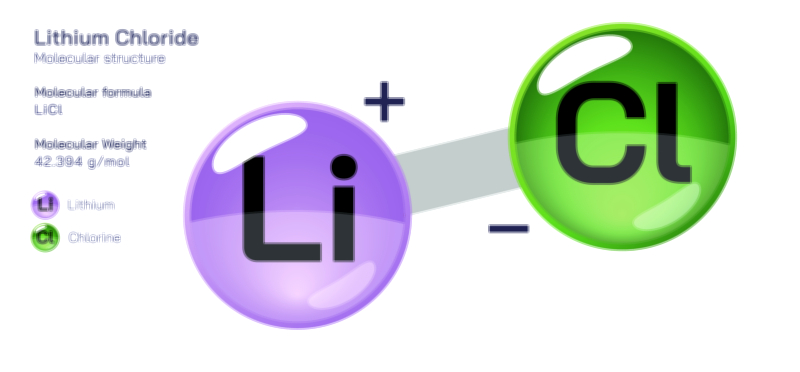
35. When illustrated, chlorine is often shown with its signature seven outer electrons highlighted, visually signaling why the atom tends to form ionic compounds—especially chlorides—with metals and hydrogen. Unlike noble gases, which have complete outer electron shells and exist in chemically calm states, chlorine reacts instantly with many substances because of its powerful drive to complete its valence structure.
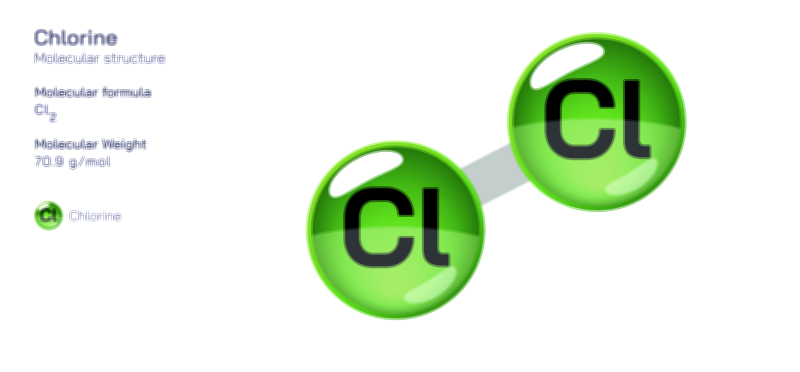
In its elemental form, chlorine exists naturally as a diatomic molecule, Cl₂, a pale yellow-green gas that has played both beneficial and dangerous roles throughout history. It was once used as a chemical weapon during World War I due to its choking toxicity and oxidative power. Yet the same chemical traits that make elemental chlorine harmful when inhaled are what make chlorine compounds among the most important tools in sanitation and public health. The strong oxidizing ability of Cl₂ allows it to damage the cell walls, proteins, and enzymes of microorganisms, neutralizing bacteria, viruses, and many pathogens instantly. When used responsibly in controlled concentrations, chlorine compounds have become essential to modern disease prevention, contributing more to the expansion of human life expectancy than many medical breakthroughs.
The most familiar chlorine compound is sodium chloride (NaCl)—ordinary table salt—formed when chlorine gains an electron from sodium to create the chloride ion, Cl⁻. The chloride ion is not a toxin but a biologically essential electrolyte involved in nerve conduction, fluid balance, and digestion within the stomach via hydrochloric acid. This dramatic difference between elemental chlorine gas and the chloride ion underscores an important chemical principle: reactivity decreases when chlorine achieves a stable electron configuration. Chlorine’s hazardous reputation applies to its elemental state, whereas the chloride ion formed after bonding becomes not just harmless at normal concentrations but essential for life.
Chlorine’s significance in science and technology extends far beyond table salt. In industrial chemistry, chlorine acts as a key building block for PVC (polyvinyl chloride), one of the most widely used plastics. PVC is found in water pipes, electrical insulation, flooring, window frames, medical devices, and billions of consumer products because it is durable, mold-resistant, and chemically adaptable. A vector illustration might show chlorine atoms bound along a polymer chain to demonstrate how the addition of chlorine enhances flame resistance and mechanical strength. Beyond PVC, chlorine chemistry is embedded in the synthesis of solvents, pharmaceutical intermediates, dyes, synthetic rubbers, and agrochemicals, all of which rely on the ability of chlorine to alter molecular reactivity and stability.
Perhaps the most globally impactful application of chlorine is in water purification. The introduction of chlorination of public water supplies in the early twentieth century marked one of the turning points in public health, drastically reducing deaths from cholera, typhoid fever, dysentery, and other waterborne diseases. A color-coded illustration may show chlorine molecules entering a water distribution system and destroying pathogens through oxidation. Even today, water chlorination protects billions of people from infection each day. Although modern sanitation science includes sophisticated ultraviolet and membrane filtration methods, chlorine remains the backbone of global water safety because it not only eliminates pathogens but also continues protecting water from microbial regrowth during distribution.
In swimming pools and wastewater treatment, chlorine helps maintain sanitary conditions by breaking down organic contaminants. Hypochlorous acid (HOCl), generated when chlorine dissolves in water, is the active disinfecting species that disrupts biological structures at the molecular level. In industrial sanitation, chlorine-based solutions sterilize pipes, processing equipment, and storage vessels by destroying microorganisms that could contaminate pharmaceuticals, food products, and drinking water. Even household bleach—typically sodium hypochlorite—originates from chlorine chemistry and remains one of the most powerful disinfecting agents widely available.
Beyond sanitation and materials science, chlorine holds major significance in analytical chemistry and biochemical synthesis. Chlorine is used to modify organic molecules during drug development, improving biological uptake, stability, or binding affinity. In pharmaceuticals, approximately half of all medicines either contain chlorine or depend on chlorine-based reagents during production. Chlorinated compounds also play roles in producing anesthetics, antiseptics, blood pressure medications, and lipid-based drugs. Its versatility comes from the way chlorine adjusts electronic distribution in molecules, allowing chemists to tune molecular properties with precision.
The industrial scale production of chlorine occurs primarily through the electrolysis of brine, generating both chlorine gas and sodium hydroxide. These substances together support a chain of manufacturing processes that stretches from plastics to textiles to energy technology. This dual production is economically significant because the demand for chlorine is linked to major infrastructure development, agriculture, and healthcare. Thus, the chlorine sector reflects global industrial progress and economic growth.
Despite its enormous contributions, chlorine also carries risks if mishandled. Inhalation of concentrated chlorine gas or strong chlorine-based disinfectants can severely damage the respiratory tract and eyes due to oxidative tissue injury. Chlorine must therefore be stored, transported, and applied with caution, using rigorous industrial safety and ventilation standards. Excessive use of chlorinated disinfectants can also lead to disinfection by-products in water when chlorine reacts with organic matter; for this reason, modern water treatment plants monitor chlorine levels precisely to maximize safety. The lesson underlying chlorine chemistry is that its benefits depend on control and responsible use, not avoidance or unrestricted application.
The broad spectrum of chlorine’s identity—from atomic electron configuration to vital health applications—illustrates how deeply chemistry intersects with human life. The same reactivity that once made chlorine a battlefield weapon makes it the foundation of water safety. The same electronegativity that forms corrosive gases enables the formation of safe dietary ions and durable plastics. The same halogen behavior that gives chlorine chemical power allows medicine developers to craft life-saving drugs. In short, chlorine is not defined by a single form or function — it is defined by its ability to transform.
A vector illustration that shows chlorine’s atomic structure, chemical properties, and industrial applications is more than an educational graphic; it is a visual map of how science harnesses reactivity to shape society. Through electron orbitals, bond formation, oxidation chemistry, disinfection, polymer science, pharmaceuticals, and public health, chlorine plays a role in how we build, heal, sanitize, and sustain the modern world. Understanding chlorine means understanding not only an element on the periodic table, but one of the pivotal tools that allow civilization to advance while maintaining safety, hygiene, and technological progress.