𝐏𝐨𝐭𝐚𝐭𝐨 𝐏𝐫𝐨𝐩𝐞𝐫𝐭𝐢𝐞𝐬 𝐚𝐧𝐝 𝐇𝐞𝐚𝐥𝐭𝐡 𝐁𝐞𝐧𝐞𝐟𝐢𝐭𝐬.
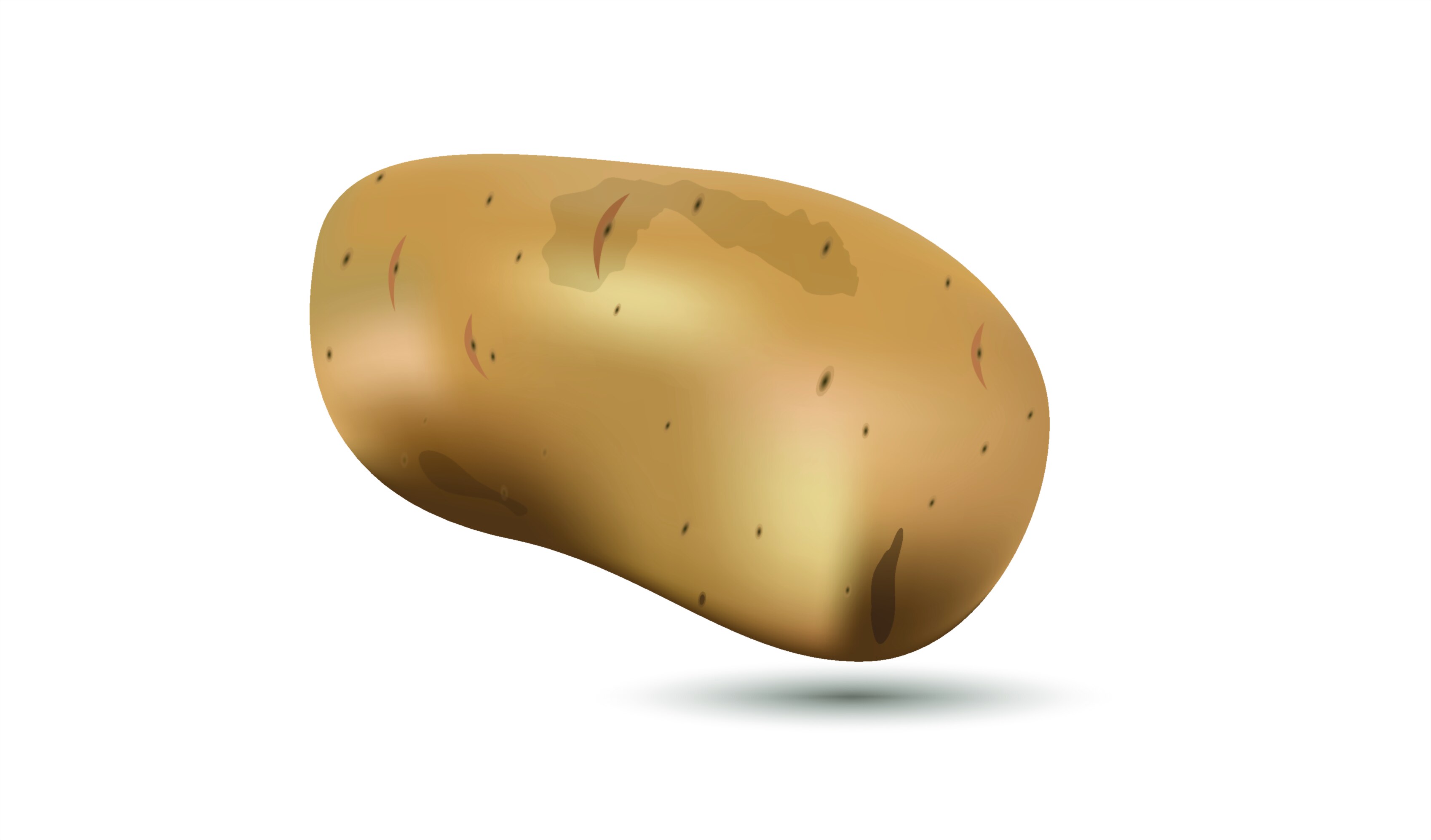
Potatoes are one of the most widely consumed staple foods in the world, and their nutritional properties, biochemical composition, and physiological health benefits reveal that they are far more than a simple source of carbohydrates. Botanically belonging to Solanum tuberosum, the potato is a tuber that stores energy for the plant in the form of starch, vitamins and essential minerals, and these same compounds make it a highly valuable food for human nutrition. Despite occasional misconceptions that potatoes are unhealthy, a deeper examination of their structure shows that they offer fibre, antioxidants, resistant starch, essential minerals, vitamin C, B-complex vitamins and bioactive compounds that support metabolism, immunity, gut health and cellular repair. The way potatoes influence health depends greatly on their preparation, digestion rate and interaction with the gut microbiome. Whole boiled, baked or steamed potatoes without heavy oils represent a nutrient-rich and metabolically supportive food, whereas deep frying, high-temperature cooking and combining potatoes with heavy fats can diminish their natural benefits. Therefore, the health profile of potatoes begins with their intrinsic chemical and nutritional structure and continues into the way they interact with the digestive system and broader physiology.
A major nutritional property of potatoes is their complex carbohydrate content, which differs from refined carbohydrates because potato starch contains amylose and amylopectin that digest more slowly and release energy in a steady and controlled manner. When potatoes are cooked and then cooled, their starch structure partially transforms into resistant starch, a form of carbohydrate that is not digested in the small intestine but travels to the colon to nourish beneficial gut bacteria. This fermentation process produces short-chain fatty acids such as butyrate, which support intestinal lining integrity, reduce inflammation and promote metabolic balance. The resistant starch effect distinguishes potatoes from simple sugars and fast-digesting starches that raise blood glucose rapidly. In fact, studies show that cold or reheated potatoes can improve insulin sensitivity and stabilize blood sugar because of this structural transformation of starch. This property demonstrates that the biological effect of a carbohydrate-rich food depends not simply on calorie content but on digestion rate, starch structure and gut microbial interaction.
Potatoes also supply a variety of essential vitamins and minerals that support immunity, metabolism and neuromuscular function. One of the most notable vitamins in potatoes is vitamin C, a water-soluble antioxidant that supports immune defence, collagen formation, wound healing and iron absorption. Because potatoes have historically been a major dietary source of vitamin C in regions with limited access to citrus fruits, their role in preventing nutrient deficiency diseases has been literally life-saving. They also contain vitamin B6, which plays a central role in neurotransmitter formation, red blood cell synthesis and protein metabolism. Potassium, another abundant nutrient in potatoes, helps regulate blood pressure, fluid balance and muscular contractions. Unlike sodium, which can raise blood pressure when consumed in excess, potassium has the opposite effect by promoting sodium excretion and supporting cardiovascular resilience. When eaten without large amounts of salt or processed fats, potatoes are a protective food for the heart, maintaining electrolyte balance and reducing the risk of hypertension.
The antioxidant capacity of potatoes has significant implications for long-term wellness and cellular protection. Their skins and flesh contain flavonoids, phenolic acids and carotenoids that neutralize free radicals, protecting cells from oxidative damage that contributes to aging, chronic inflammation and diseases such as cancer and cardiovascular disorders. Coloured potato varieties, such as purple and red potatoes, contain particularly high levels of anthocyanins and beta-carotene, which strengthen the immune response and provide strong antioxidant and anti-inflammatory activity. Even white and yellow potatoes contain chlorogenic acid and caffeic acid, antioxidants that support glucose metabolism and reduce oxidative stress. These compounds exist naturally as part of the potato plant’s defence chemistry, and by consuming them humans acquire the same protective mechanisms at a cellular level. Much of this benefit, however, is maximized when potatoes are eaten with their skins, because most antioxidants lie close to the outer surface.
Potatoes also contribute significantly to digestive health due to their fibre content, resilience of starch molecules and ability to promote satiety. The fibre in potatoes supports regular bowel movements, maintains gut pH and improves nutrient absorption by creating a favourable environment for beneficial bacteria. The smooth texture and high potassium content also make potatoes an easily digestible food for individuals recovering from illness or gastrointestinal sensitivity, where easily absorbed nutrients without digestive irritation are essential. The combination of fibre, starch and micronutrients explains why potatoes create a long-lasting feeling of fullness and prevent overconsumption of food, leading to improved appetite control. This satiety effect supports weight management when potatoes are consumed in their unprocessed form and are not paired with excessive fats. It is often the deep frying or excessive use of butter and cream—not the potato itself—that contributes to weight gain in modern diets.
The influence of potatoes on cardiovascular health, metabolic function and body composition also depends strongly on cooking method. Boiled, steamed or baked potatoes maintain their nutritional density without adding free radicals, trans fats or surplus calories, while fried potatoes can absorb large amounts of oil and form acrylamide compounds at high temperatures, which can undermine cardiovascular and metabolic health. When potatoes are paired with whole foods such as vegetables, beans or lean protein, they form part of a balanced meal that supports metabolic health. When they are paired with heavy fats and processed meats, their benefits are overshadowed. This contrast reinforces the broader nutritional truth that foods must be understood not in isolation but in the context of preparation, combination and digestion.
Potatoes also serve broader health and functional nutritional needs. Their carbohydrate and potassium content make them a valuable food for athletes and individuals with high physical activity because they replenish glycogen stores, support muscle contraction and reduce risk of cramping. Their naturally low fat and low sodium profile makes them suitable for individuals managing hypertension and cholesterol levels when they are cooked without adding excessive salt or oil. The antioxidant profile supports cognitive health indirectly by protecting neural cells from oxidative stress and promoting blood flow. Some research suggests that certain potato peptides may have antihypertensive properties and support the renin–angiotensin system, though this field is still under exploration. Meanwhile, the high vitamin C and antioxidant content contribute to improved skin health by supporting collagen production and preventing oxidative degradation of elastin and lipids.
The health benefits of potatoes also include their role in global food security. They provide a high nutrient density per agricultural input, meaning that fewer resources such as land and water create more nutritional yield compared with many crops. Potatoes thrive in a wide range of climates and replenish soil structure through crop rotation, allowing sustainable farming practices without exhausting the soil. Their versatility means they can serve as a staple in multiple culinary traditions, from boiled potatoes in Northern Europe to mashed potatoes in North America, potato-based curries in India and Andean dishes using native potato varieties. This adaptability not only nourishes populations across cultural and economic contexts but also preserves agricultural biodiversity and culinary heritage.
Although potatoes are nutrient-rich and healing when eaten whole and properly prepared, moderation and context remain important. Individuals with conditions such as diabetes should be aware of portion size, preparation and cooling–reheating techniques to optimize resistant starch formation and moderate glucose release. People with very low iodine intake should avoid replacing too many whole foods with potatoes alone, though this concern relates to dietary variety rather than to inherent flaws in potatoes. For most individuals, potatoes are not a threat to health but a foundational component of balanced eating.
Potatoes, therefore, offer an impressive array of benefits grounded in their natural biochemical architecture. They supply slow-release carbohydrates, gut-supportive resistant starch, antioxidant vitamins, minerals that regulate the nervous and cardiovascular system, fibre that maintains digestive rhythm and phytochemicals that neutralize cellular damage. They support energy metabolism, satiety and immune function while remaining affordable, accessible and versatile. When eaten in whole form and prepared without heavy fats, potatoes do not contribute to disease risk; they actively protect long-term health. Their reputation has been misunderstood in modern food culture because processing, deep frying and added fats changed the way people consumed them rather than the intrinsic nature of the potato itself. The true nutritional picture is clear: potatoes are a wellness-supporting, nutrient-dense whole food whose beneficial effects emerge when they are respected as the natural, antioxidant-rich root vegetables they are.