Extensive Overview of the Vocal Cord and Its Role in Voice, Breathing, and Daily Human Communication
The vocal cord, often referred to as the vocal fold, is one of the most intricate and essential structures within the human throat. It functions as both a sound generator and a protective gatekeeper for the airway. Despite its small size, the vocal cord plays a central role in speech, tone formation, breathing coordination, and airway safety. A deeper understanding of this structure helps highlight how the human voice is shaped, controlled, and sustained throughout life.
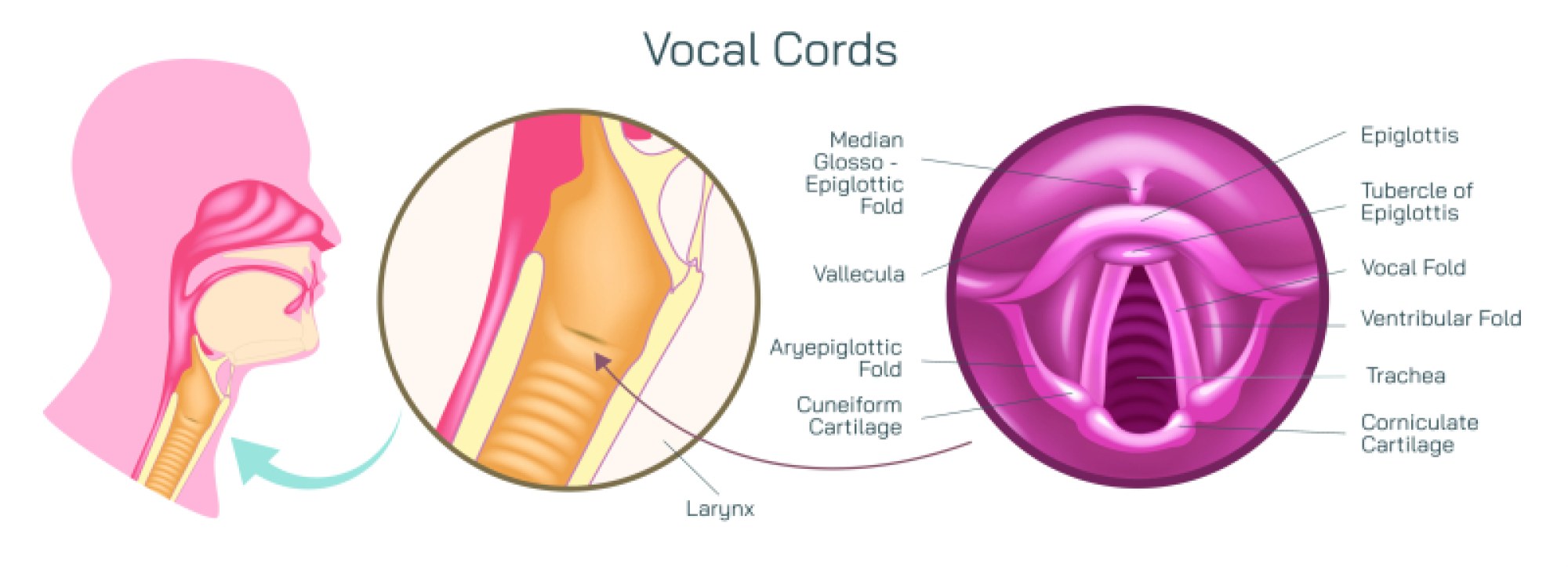
The vocal cords are positioned inside the larynx, a specialized structure located in the upper section of the airway. Each cord consists of layered tissues that include muscle, connective fibers, and a smooth surface lining. These layers work together with remarkable precision, allowing the cords to stretch, relax, and vibrate. When air travels upward from the lungs, the vocal cords adjust their tension to create different levels of vibration, producing the wide range of sounds humans rely on daily.
The process of voice formation begins when the cords come close enough for air pressure to set them into gentle motion. This vibration produces a primary sound that becomes speech, singing, or tone once shaped by the tongue, lips, and mouth. The richness of the human voice emerges through subtle adjustments in cord length, tension, and closure. Small shifts in position can completely transform the depth, brightness, or softness of the sound. These modifications allow individuals to express emotion, communicate intention, and share complex ideas using only the movement of two delicate folds.
Beyond producing sound, the vocal cords also serve an essential protective role. When the body prepares to swallow, the cords close tightly, preventing food or liquid from entering the airway. This protective reflex ensures that the pathway to the lungs remains clear, supporting safe eating and drinking. The cords also respond instantly when the throat detects irritation, triggering coughing to help remove unwanted substances. This dual function—sound and protection—illustrates how the vocal cords maintain both communication and safety.
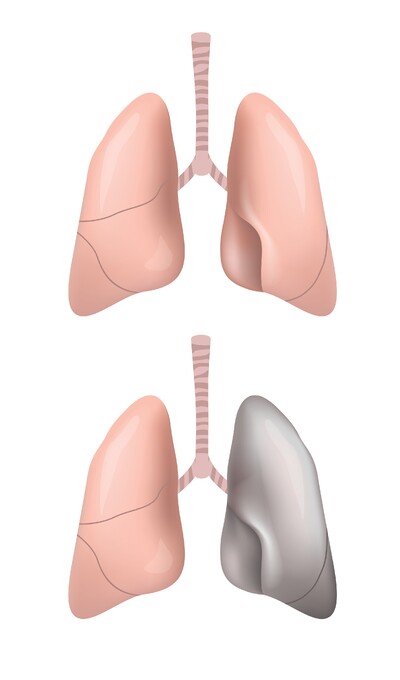
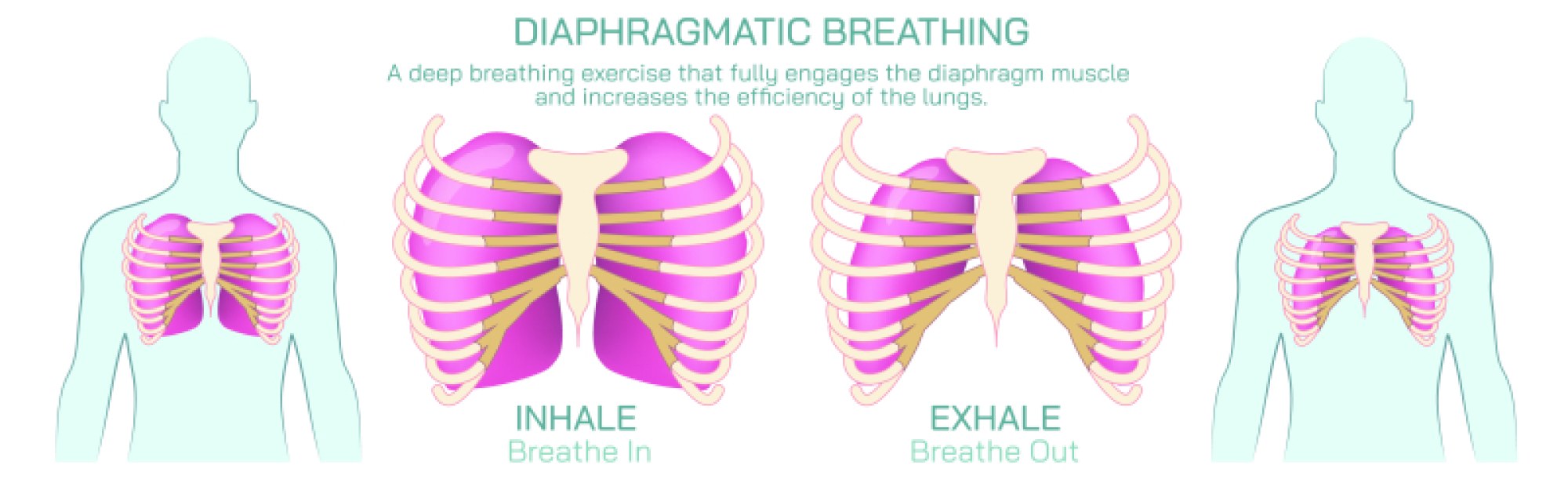
Breathing also relies on the flexibility of the vocal cords. In a relaxed state, the cords remain open, allowing smooth airflow during inhalation and exhalation. When the body requires more airflow, such as during physical activity, the cords widen to provide increased passage. During rest or calm states, they adjust to a narrower position, balancing efficiency with stability. This continuous movement reflects the cords’ adaptability and their role in maintaining rhythmic exchange between the lungs and environment.
The health of the vocal cords can significantly influence daily life. Irritation, overuse, dryness, or strain may affect vocal comfort and clarity. Individuals who speak or sing for long hours often rely heavily on hydration, proper technique, and rest to protect their vocal tissues. The cords respond well to gentle care, and many discomforts fade when the tissues receive adequate moisture and recovery time. Understanding how delicately they function encourages better habits that preserve clarity and strength.
Certain lifestyle factors deeply affect vocal quality. Warm environments help maintain moisture, while extremely dry air can reduce smoothness of movement. Consistent hydration keeps the surface layers flexible, allowing the cords to vibrate with minimal friction. Calm breathing, steady posture, and mindful speech patterns further support their long-term comfort. Many people unintentionally strain their voice by speaking loudly for extended periods or forcing sound during emotional moments. Awareness of these patterns can prevent lasting discomfort.
The vocal cords also play a meaningful role in emotional communication. Humans express joy, frustration, fear, and tenderness through subtle variations in tone. These emotional cues rely on fine adjustments of the cords—faster vibration may create brighter tones, while slower motion produces deeper ones. The ability to convey feeling through sound showcases the remarkable sensitivity and responsiveness of the vocal system.
As individuals age, the vocal cords naturally change. Tissue layers may become thinner or lose flexibility, leading to softer or less steady tones. However, mindful habits, steady hydration, and moderate vocal use can help preserve clarity over many decades. Practicing gentle voice exercises often supports lifelong vocal comfort.
In summary, the vocal cord is a dynamic and multifunctional structure that influences communication, airway safety, breathing, emotional expression, and daily comfort. Its layered design allows it to vibrate, protect, and adapt continually. Through balanced care, mindful use, and an understanding of its delicate nature, individuals can rely on their vocal cords to deliver strength, clarity, and expression throughout their lives.