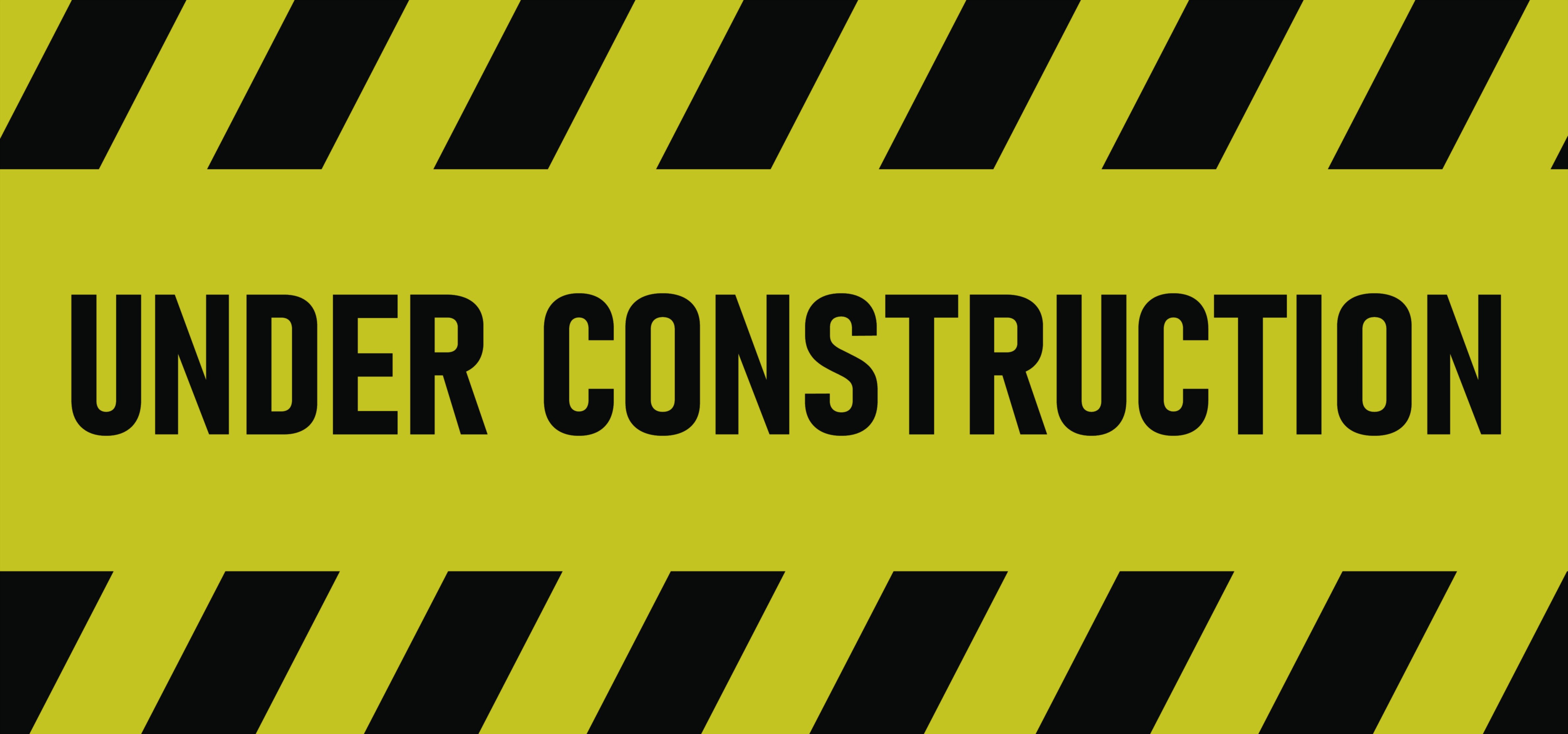
Under Construction Area Warning Vector Illustration
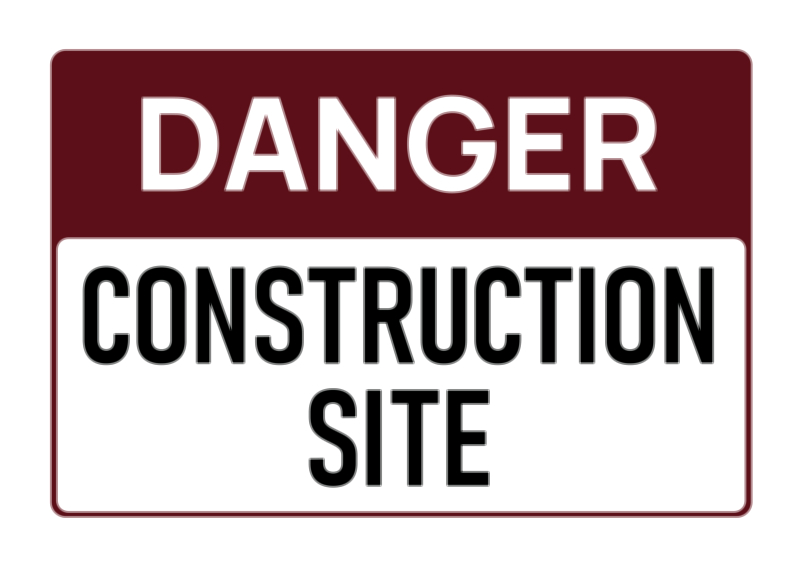
An Under Construction Area warning, when visualized as a precise and high-contrast vector illustration featuring bold typography, yellow safety coloring, black industrial striping, and clear hazard iconography, serves as one of the most recognizable and indispensable forms of public and workplace safety communication. At first glance, the sign merely indicates that construction work is taking place, but its true purpose extends far deeper than simply informing passersby. It tells every viewer that the space they are approaching is actively being modified, that normal structural stability and layout do not exist, and that movement, behavior, and attention must be governed by caution rather than familiarity. The sign acknowledges that an environment once known to be predictable has become a dynamic and potentially hazardous setting filled with changing surfaces, tools, machinery, temporary barriers, exposed materials, and work activities that demand heightened awareness. The vector format reinforces the effectiveness of this message because the sharpness of line, contrast, and geometric precision remains flawless at any scale, ensuring that the sign remains instantly legible whether it is displayed on a small indoor doorway notice, mounted across fencing at a large construction site, printed on roadside barrier boards, or incorporated into digital training materials and architectural safety manuals.
Construction zones are dynamic by nature. They evolve rapidly throughout the day as workers install, remove, cut, weld, pour, dig, lift, or assemble structural components. When individuals see an Under Construction sign, they are being warned that the physical environment behind the boundary is not static — what is safe at one moment may not be safe a few minutes later. Without this warning, people tend to rely on routine memory when navigating buildings or outdoor pathways. Someone might attempt to pass through a familiar corridor that now has removed flooring, step onto a surface that appears solid but is not yet properly supported, or walk under scaffolding where heavy tools and materials are being hoisted. The sign interrupts this autopilot tendency and prompts individuals to reassess the environment before stepping forward. It replaces expectation with awareness and prevents someone from unknowingly entering an area where hazards are present, contact surfaces have changed, or the ground beneath their feet is still unfinished.
The sign plays a vital role in preventing accidents, which are more likely to occur in construction settings because hazards are often temporary, unconventional, and visually unfamiliar. Exposed nails, open trenches, loose gravel, unstable platforms, uneven staircases, protruding rebars, wet concrete, dismantled flooring, sharp metal edges, overhead lifting operations, and active electrical installations may not immediately appear dangerous to someone who walks by casually. A clean-looking patch of flooring could be freshly tiled without adhesive having hardened. A shiny metallic panel might conceal live wiring, heat exposure, or moving parts beneath. A doorway that appears accessible one day might lead to an open shaft the next. The Under Construction warning gives individuals a mental frame of reference: nothing should be assumed safe inside this zone unless explicitly verified, and caution must guide every step, decision, and interaction.
In addition to safety, the sign protects operational efficiency on construction sites. Construction work relies heavily on coordination, scheduling, and workflow sequencing. When unauthorized individuals enter an active work area, even out of curiosity or convenience, operations often must be halted for their safety. Workers may have to stop machinery, pause heavy lifting, remove protective barriers, or divert supervision away from precision tasks in order to escort outsiders out of danger. These interruptions break concentration, risk wasted materials, increase project delays, and raise the stress levels of construction personnel who must now manage unnecessary interference while performing physically demanding tasks. The Under Construction sign prevents these avoidable disruptions by communicating that the zone is a workspace, not a pathway for public passage, and that unauthorized entry interferes not only with safety but with the workflow and livelihood of the professionals on site.
A further dimension of the sign lies in the importance of legal responsibility and compliance. Construction zones are regulated by labor safety laws, building codes, and occupational hazard guidelines that require active risks to be clearly communicated. When an injury occurs in a construction area without adequate signage, liability may fall on the property owner, construction contractor, or site manager for failing to warn individuals appropriately. The Under Construction sign fulfills this legal obligation by visually demonstrating that the environment’s risk was disclosed before anyone entered. If someone ignores the posted warning and crosses into the site without authorization, responsibility becomes transparent rather than ambiguous. For accident investigations, insurance claims, workplace audits, and regulatory inspections, the sign provides critical documentation that workplace safety procedures were observed.
The sign also supports psychological comfort and emotional safety for both workers and the public. For construction workers, the sign defines a professional boundary where their work can proceed without sudden intrusion or interference. It helps them maintain concentration in a stressful environment where precision and vigilance are essential. For members of the public, the sign eliminates uncertainty. When a familiar area is blocked off, people may wonder whether they are allowed to pass, whether a project is safe to approach, or whether they have misread the space. A clearly posted Under Construction warning removes that ambiguity. It assures them that staying away is the correct and safe choice and makes the boundary feel responsible rather than confusing or hostile.
The vector quality of the illustration is also critical to its success. Construction areas must post signage that remains visible in unfavorable conditions — long distances, high brightness under sunlight, low visibility at dawn or dusk, dusty air filled with debris, and movement through crowds or traffic. A pixelated or low-resolution sign can be misread, overlooked, or dismissed. A vector sign remains crisp no matter the resolution, retaining sharp diagonal hazard lines, thick border strokes, and high-readability typography that stands out against chaotic backdrops. Universal hazard colors ensure immediate recognition. Yellow signals potential danger, commanding attention without requiring panic. Black shapes and bold lettering maximize contrast and allow individuals to interpret the message instantly even while moving, distracted, or multitasking. The triangular symbol often paired with the sign further reinforces instinctive hazard awareness, making the sign readable even by those who do not speak the language in which the text is printed.
Viewed on a broader level, the Under Construction Area warning helps shape a culture of shared responsibility in environments where risk is unavoidable but manageable. Construction work is essential to human progress — buildings, roads, bridges, industry, and infrastructure would remain stagnant without constant development and renewal. However, every project inherently introduces temporary hazards to the surrounding community. The sign stands as an agreement between workers and the public: the site is improving something for the future, but caution is necessary during the process. It asks individuals not to retreat from construction, but to coexist with it safely and respectfully. It teaches the principle that temporary inconvenience prevents permanent injury and that awareness protects everyone involved.
Ultimately, the Under Construction Area Warning Vector Illustration is not just a marker of a physical workplace but a guardian of safety, order, efficiency, and respect during periods of structural change. It prevents falls before they happen, collisions before they unfold, workflow disruptions before schedules collapse, legal disputes before blame arises, and confusion before uncertainty leads to risk. It turns a chaotic environment into a controlled one simply through information — delivering a message at exactly the moment when it is needed most. Through its sharp vector design, its commanding hazard palette, and its psychologically calibrated wording, the sign ensures that individuals adjust behavior appropriately, workers perform jobs without distraction, and the shared space remains not only productive but protected. It stands as a reminder that safety is not enforced through force, but through communication that prepares people to choose caution over assumption, allowing progress and protection to coexist harmoniously wherever construction is underway.