3D Rendered Yellow Cheese Illustration — Detailed Visual Overview
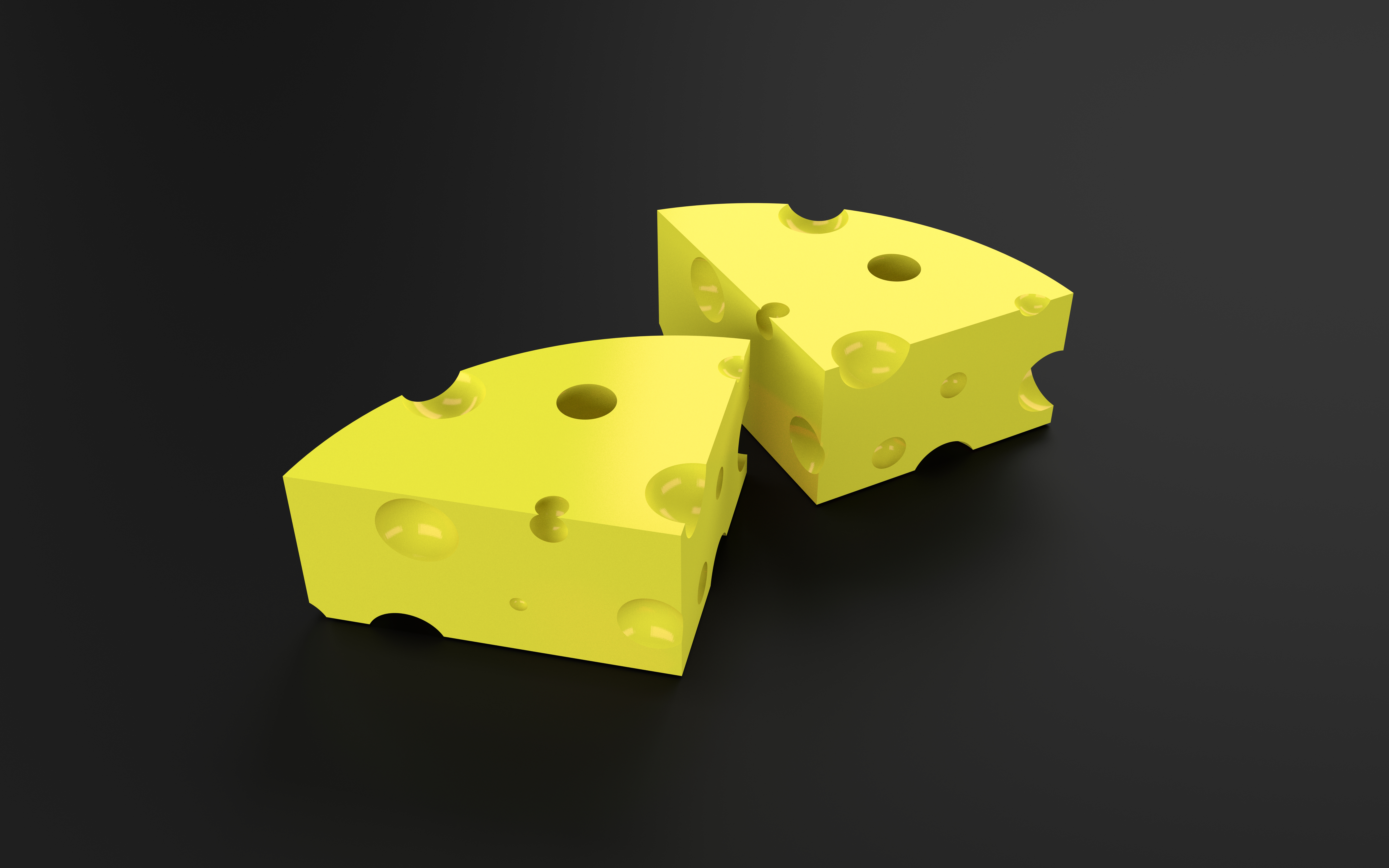
A 3D rendered yellow cheese illustration presents a warm, appetizing, and visually engaging representation of a classic dairy item. Through smooth modeling, realistic texture, and balanced lighting, this type of image showcases the familiar wedge shape associated with cheese in culinary art and food education. The soft color, gentle shadows, and iconic holes often included in the design create a welcoming and recognizable form that is widely used in menu graphics, nutrition lessons, food packaging mockups, and digital food guides.
In most illustrations, the cheese appears as a neatly cut wedge or compact cube, which helps viewers immediately identify it as a familiar edible item. The 3D technique enhances its appeal by adding depth, dimension, and subtle reflections that imitate real dairy surfaces. Soft light plays across the surface to highlight the smooth curves around each hole, giving the cheese a realistic yet stylized presence. This combination of realism and clarity makes the image highly effective for graphics that must remain clean, accessible, and visually friendly.
The color of a 3D cheese illustration is typically a warm yellow that blends perfectly with soft shadows. This helps convey freshness and smooth texture without overpowering other visual elements. Designers frequently use this style to represent dairy concepts in nutrition material, where the clarity of the form enables easy labeling of ingredients or dietary segments. In culinary guides, the illustration acts as a visual anchor for lessons about flavor, ingredient use, or storage tips. The simplicity of the object allows instructors to build clear explanations around it, while its polished look keeps the viewer’s attention focused.
Another benefit of a 3D rendered cheese illustration is its versatility in presentation. It can be placed alone on a clean background to create a minimalist, modern food graphic, or combined with subtle shadows and reflections to achieve a more realistic scene. For designers working on menus, promotional banners, recipe layouts, or snack-themed content, the controlled shine and texture give the illustration a delightful presence without clutter. This versatility extends to educational environments where illustrations help students understand culinary shapes, portion concepts, or dairy categories.
In food branding, a well-crafted 3D cheese graphic can add professional appeal to packaging mockups, digital product displays, or brand imagery. The design can be adapted to match cartoon styles, realistic themes, or simplified icon-based food layouts. Because the texture and shape are immediately recognizable, the image communicates its message without requiring additional explanation. This clarity is valuable for quick-view interfaces, especially in mobile apps or small signage where space is limited.
A 3D rendered cheese image can also illustrate food science topics. Educators may use the wedge to discuss fermentation, texture formation, or dairy characteristics. The visual form helps represent structure and consistency, enabling learners to imagine the tactile qualities of the item. Since the modeling highlights smooth edges, curved holes, and surface variations, it becomes an effective reference for discussing aspects like flavor development, moisture level, or culinary usage.
In digital storytelling and playful design, yellow cheese illustrations often appear in concepts involving snacks, family meals, culinary fun, or food categories in children’s learning content. The bright color and friendly shape contribute to engaging visuals. The clean rendering style makes it suitable for animations, app icons, or illustration-based games where clarity and charm matter.
Overall, a 3D rendered yellow cheese illustration offers a polished, appetizing, and versatile visual that blends realism with simplicity. Its smooth texture, refined lighting, and balanced composition allow it to support various design needs—from food education and culinary branding to menu visuals and playful digital experiences. Through depth, clarity, and warm color presentation, the illustration serves as an effective tool for delivering food concepts with appeal and precision.