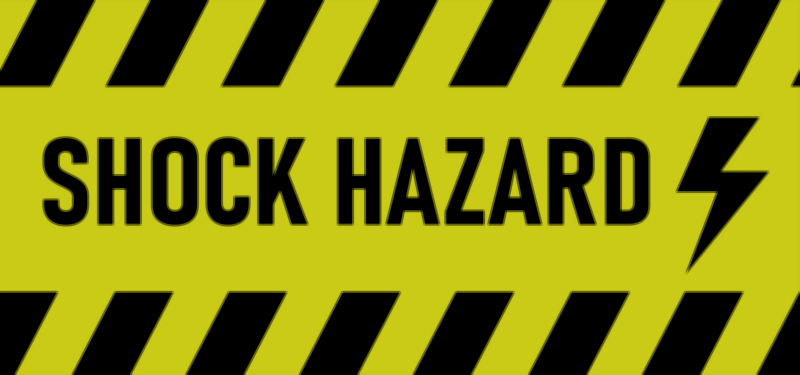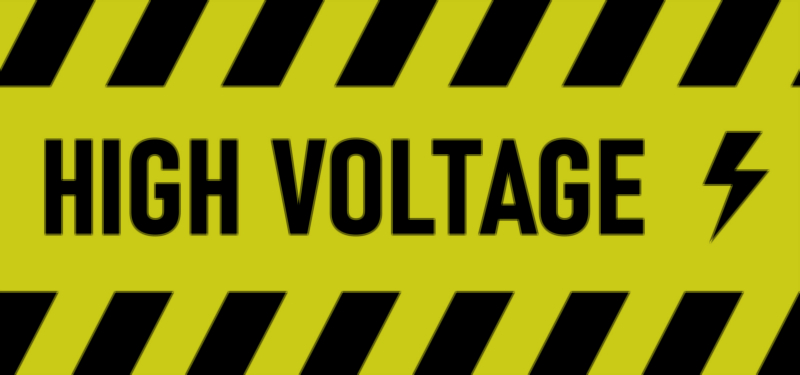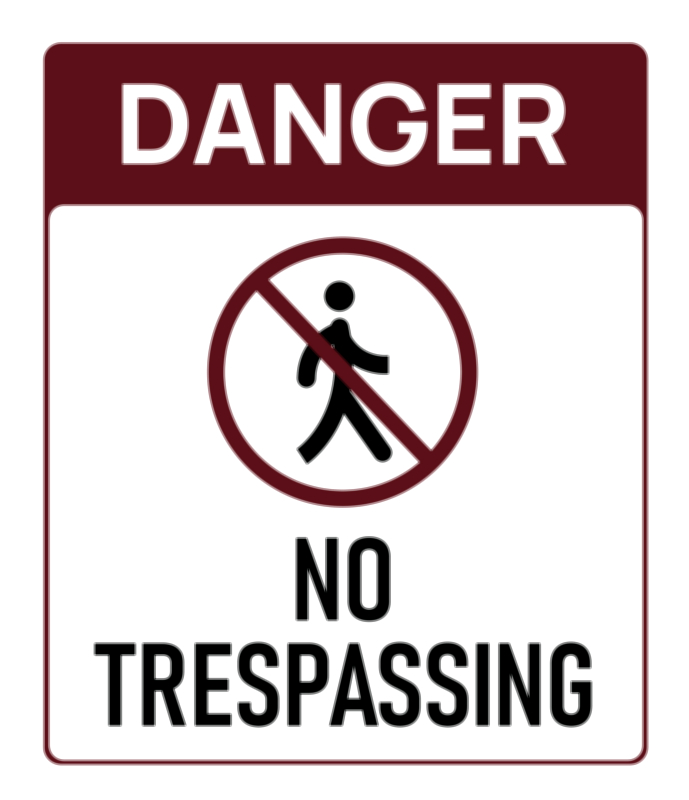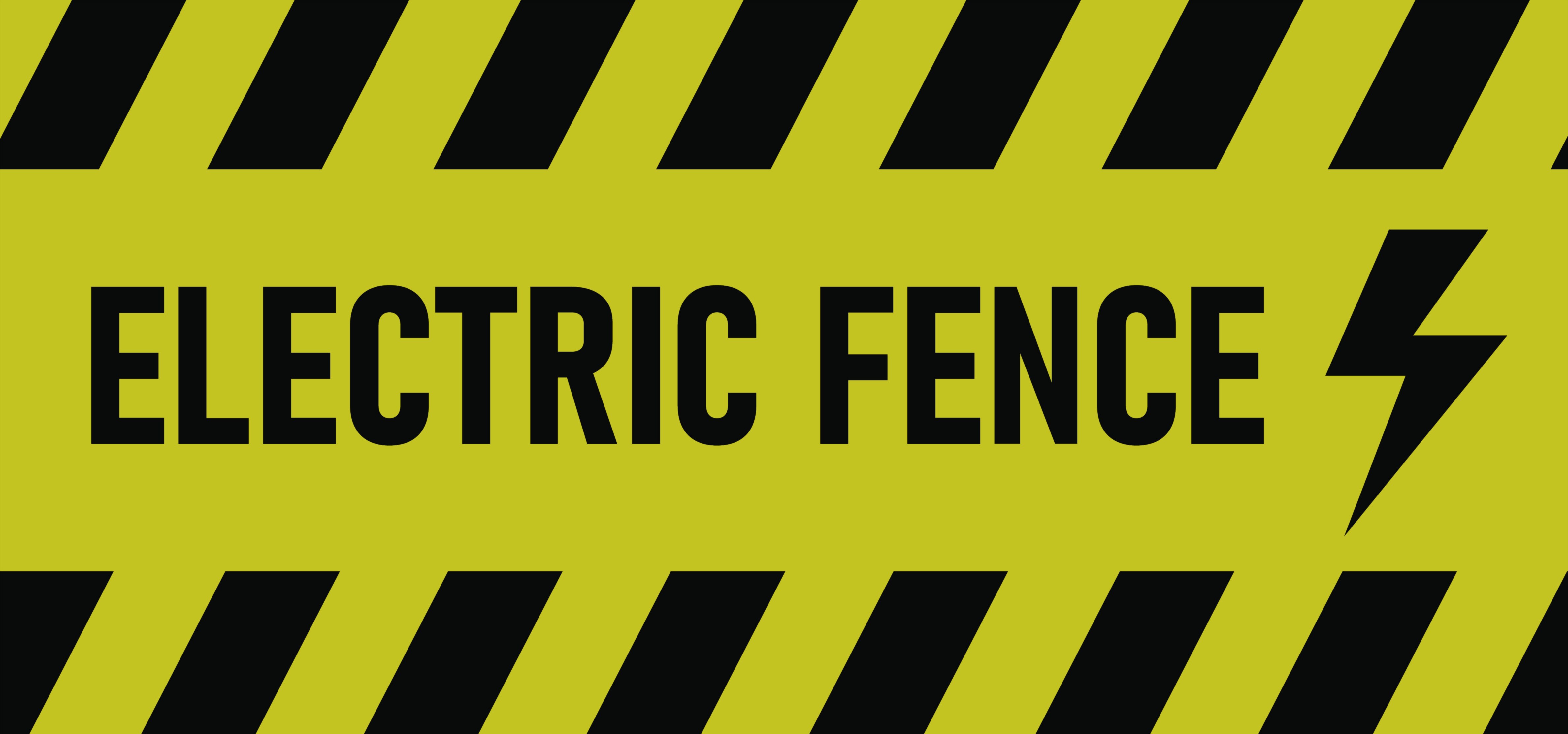
Electric Fence Yellow Black Warning Sign Vector Illustration
An Electric Fence warning sign, especially when illustrated as a sharply defined yellow and black vector graphic featuring the universally recognized lightning bolt hazard icon, bold uppercase caution text, and a clear depiction of a fence line or shock symbol, is one of the most important safety communication tools used to prevent accidental contact with electrified barriers. Although at first glance the sign appears to be a simple alert telling someone not to touch or climb a fence, its deeper purpose goes far beyond basic prohibition. It serves as a life-preserving interface between a controlled electrical system and the public, livestock, workers, visitors, children, and curious passers-by who might approach the boundary without understanding the risk. The yellow-and-black color palette reinforces this message because yellow instantly activates the brain’s alert response while black forms the strongest contrasting boundary that signals seriousness and non-negotiable instruction. As a vector illustration, the sign remains crisp and perfectly legible in any size or material, ensuring maximum clarity whether printed on a small gate plate, a large pasture fence board, a perimeter enclosure panel, or displayed digitally in farm safety manuals and industrial safety systems.
The need for an Electric Fence warning sign becomes clear when considering how easily people misjudge electrified barriers. Electrified fencing is designed to look like a normal physical fence to deter intrusion, yet that same resemblance creates risk: someone who is unfamiliar with farm or security equipment might assume the fence is safe to touch or climb, unaware that electrical pulses are active. Children playing outdoors, hikers following a trail, pet owners walking dogs, cyclists crossing rural property lines, and delivery or service personnel approaching gated facilities can all misinterpret the harmless appearance of a wire fence. Without signage, their instinctive assumption may be to open, lean on, tie objects to, or attempt to cross the structure. The Electric Fence warning sign interrupts this assumption before it becomes action, telling people that the barrier is not simply physical — it is electrified and must not be contacted.
A central purpose of the sign is protecting human safety, because electric fences deliver an immediate, involuntary physical reaction when touched. Although most electric fences are designed for deterrence rather than fatal injury, the electrical shock can cause intense pain, reflexive muscle contraction, confusion, panic, and loss of balance. Someone touching a fence unexpectedly may fall to the ground, drop tools, crash a bicycle, step in front of a moving vehicle, or experience shock that is more serious if they have heart sensitivities, pacemakers, or metal conductive objects on their body. For children, elderly individuals, or people with medical limitations, a shock could have amplified consequences. The sign prevents this chain of events not by restricting freedom, but by informing people that a hands-off boundary exists for their protection.
In agricultural environments, the Electric Fence sign is also essential for livestock and wildlife management safety. Electric fencing is often deployed to keep cattle, horses, sheep, goats, or wild animals within specific grazing zones or prevent predators from entering. Visitors unfamiliar with a farm may attempt to enter fields to take photographs, pick fruit, hike through pastureland, or greet animals without realizing that the perimeter is electrified. They may try to pet livestock, feed animals through the wires, or climb fences to retrieve objects — all of which can lead to injury. The warning sign ensures that people respect the working boundary, protecting both themselves and the welfare of the animals that rely on that containment system.
The sign also plays a key role in industrial and security settings, where electric fences are used not for animal control but for intrusion prevention. Critical infrastructure such as power substations, military installations, ports, airports, data centers, industrial warehouses, and private security compounds often rely on electrified fencing as part of their defense architecture. Without signage, someone approaching the fence might mistakenly believe that it is safe because it resembles a simple metal barrier. The Electric Fence sign warns intruders and uninformed individuals alike that the barrier is energized and that contact will have consequences. This does not eliminate unauthorized access through intimidation — rather, it prevents accidental harm to maintenance crews, delivery workers, or the general public who may approach the area unknowingly. When the sign is present, the boundary is clear, giving every person the opportunity to remain safe.
Another major function of the sign lies in preventing liability and legal consequences. If someone receives an electrical shock from an electrified fence that is not clearly marked, property owners or facility operators can be held legally responsible for failing to warn the individual of the danger. Legislation in many countries requires visible warning signs to be placed along electric fences at regular intervals, especially near gates, access points, walking routes, and public boundaries. The sign therefore stands as an essential component of regulatory compliance, proving that the property owner has fulfilled their responsibility to warn people proactively. When the sign is posted clearly and repeatedly, responsibility shifts away from the property owner and toward the individual who chooses to ignore the warnings.
The yellow-and-black hazard design language enhances the psychological effect of the sign. Yellow signals that the viewer must pay attention; black shapes provide visual structure with a sense of danger and precision. The lightning bolt symbol conveys electrical hazard even in the absence of text, making the sign fully functional for individuals who speak different languages or cannot read. Children, tourists, workers from different linguistic backgrounds, and visually distracted individuals can all understand the message intuitively. Even when viewed from a distance, in passing, or while in motion, the triangular warning shape and lightning bolt trigger immediate alertness, providing crucial milliseconds of reaction time before proximity becomes risk.
The vector format provides additional safety advantages. Electric fence signs must endure harsh conditions — rain, sun, dust, animal interaction, and outdoor vibration. If the visual message becomes faded or pixelated, the fence appears less dangerous than it is, weakening the urgency of the warning. Vector artwork ensures that even when enlarged to billboard scale or printed extremely small, the sign remains sharp and strongly contrasted. A passer-by can recognize the hazard from the shape alone, even if partially hidden behind vegetation, fencing mesh, or livestock movement.
Emotionally and socially, the Electric Fence sign prevents conflict and discomfort between landowners and visitors. Without signage, a farmer or security officer may need to verbally stop people from approaching the fence, which can lead to accusations of hostility, secrecy, or rudeness. Visitors may feel embarrassed or confused, assuming they entered a public path or safe enclosure. The sign eliminates misunderstanding by clearly stating that the fence is electrified — not to threaten, but to warn. It ensures that boundaries are respected through information rather than confrontation and protects social harmony by letting the environment speak before emotions or assumptions take over.
Viewed from a broader perspective, the Electric Fence warning sign is fundamentally a symbol of responsibility and respect. Electric fences are highly effective tools, but they can only exist ethically when people are informed of their presence. Clear signage allows fencing to serve its purpose — containment, protection, and security — without relying on surprise or risk to enforce boundaries. It gives every person a fair opportunity to remain safe, every worker the awareness needed to do their job correctly, and every landowner or operator a transparent and compliant method of defining access limits.
Ultimately, the Electric Fence Yellow Black Warning Sign Vector Illustration stands as one of the most crucial protectors of physical safety, animal management, property security, operational clarity, legal compliance, and neighborly coexistence. It stops accidents before they occur, prevents injuries before they escalate, avoids legal conflict before it becomes a dispute, and prevents emotional stress before misunderstandings arise. By combining universally interpreted iconography with the high-visibility psychology of yellow and black, the sign ensures that everyone — regardless of age, role, language, or familiarity — understands instantly that this boundary must not be touched or crossed. It does not intimidate — it safeguards. It does not restrict — it warns. And in doing so, it saves lives, protects infrastructure, and allows electric fencing to exist safely in the world.