The Importance of a To-Do List and 3D Rendered Illustration
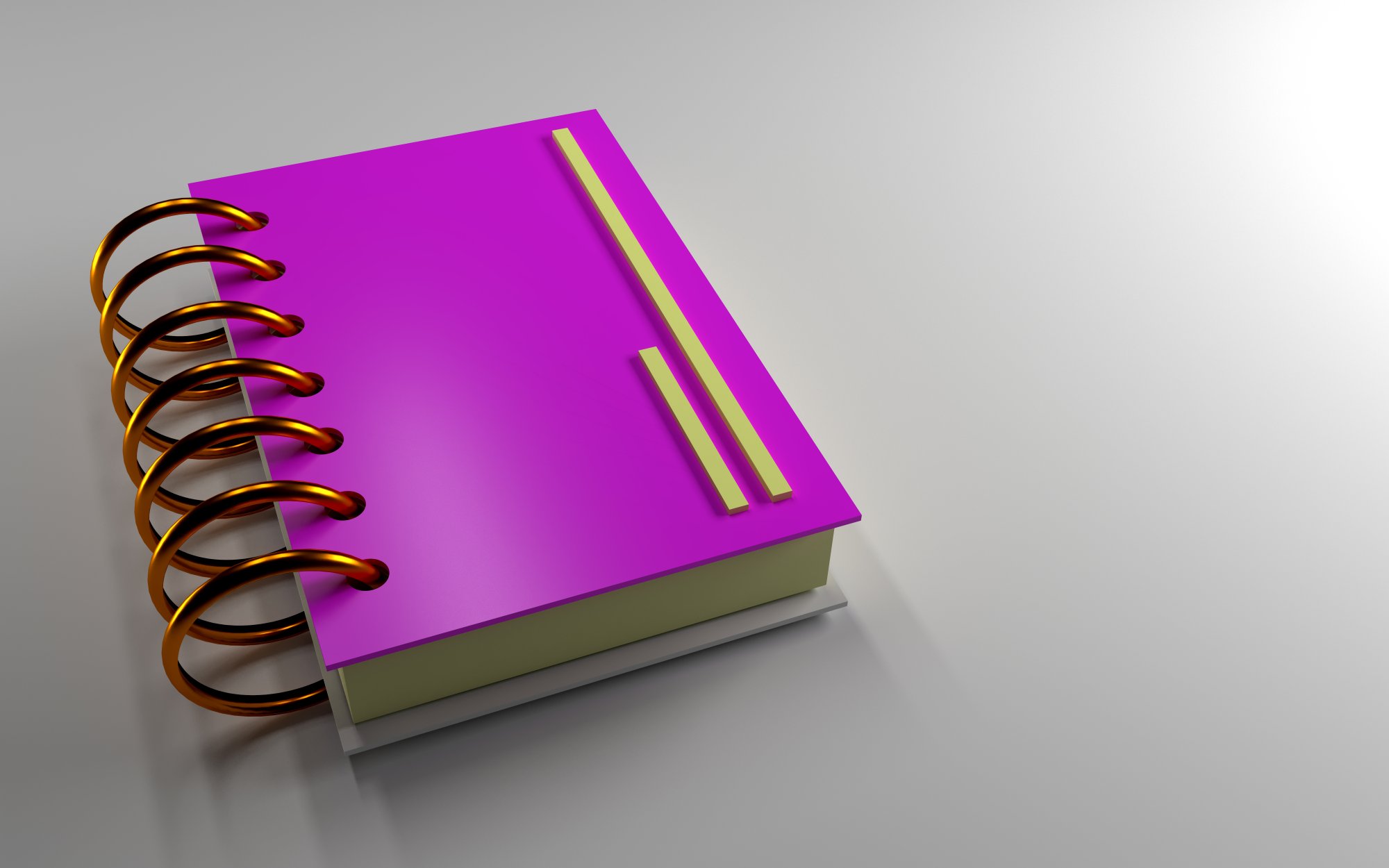
A 3D rendered to-do list illustration provides a visually engaging way to showcase the benefits of task management, daily organization, and productivity enhancement. To-do lists are an essential tool for individuals, professionals, and students, helping them organize tasks, prioritize responsibilities, and manage time effectively. By visualizing a to-do list in three dimensions, the illustration communicates structure, progress, and goal-oriented planning in a clear and compelling manner.
In a typical 3D illustration, the to-do list is presented as a digital or paper-based checklist with tasks clearly marked, completed items ticked off, and priority levels highlighted. The scene may include elements such as pens, checkmarks, sticky notes, or digital devices to depict active task management. Realistic shadows, lighting, and textures enhance the visual appeal, making the concept of a to-do list relatable and intuitive for viewers.
Maintaining a to-do list is important because it helps organize tasks logically and ensures nothing is overlooked. Individuals can categorize tasks by priority, deadlines, or type, creating a structured approach to daily responsibilities. This organized workflow reduces stress, increases efficiency, and allows users to focus on one task at a time, preventing the feeling of being overwhelmed by multiple obligations.
To-do lists also improve productivity by providing a tangible record of progress. As tasks are completed and checked off, users gain a sense of accomplishment and motivation to continue working efficiently. The visual reinforcement of completed items, as depicted in the 3D illustration, highlights the importance of tracking progress and achieving milestones in both personal and professional contexts.
Additionally, to-do lists enhance time management. By scheduling tasks and setting priorities, users allocate their time effectively, ensuring that essential activities are completed promptly. This helps prevent procrastination, reduces the risk of missing deadlines, and promotes disciplined work habits. The 3D rendered illustration visually represents this structure, showing clear pathways from task assignment to completion, emphasizing the benefits of systematic planning.
The use of a to-do list also supports goal setting and strategic planning. By breaking larger objectives into smaller, actionable tasks, individuals can approach complex projects methodically. The 3D render often highlights this hierarchical structure, illustrating how small daily actions contribute to long-term goals, making it a powerful tool for personal development, business planning, or academic achievement.
Moreover, to-do lists foster accountability and responsibility. They provide a visual reminder of obligations and commitments, helping users stay focused and organized. The combination of visual cues, checkmarks, and task indicators in a 3D illustration reinforces the habit of consistent monitoring and task completion, promoting efficiency and professional discipline.
In summary, a 3D rendered to-do list illustration not only visually demonstrates task management and productivity but also emphasizes the practical importance of maintaining a structured checklist. By organizing daily responsibilities, prioritizing tasks, tracking progress, and setting achievable goals, a to-do list serves as an essential tool for improving efficiency, reducing stress, and achieving success in personal, academic, and professional life. The 3D visual representation makes these concepts clear, engaging, and easy to understand, inspiring individuals to adopt organized workflows and efficient planning strategies.