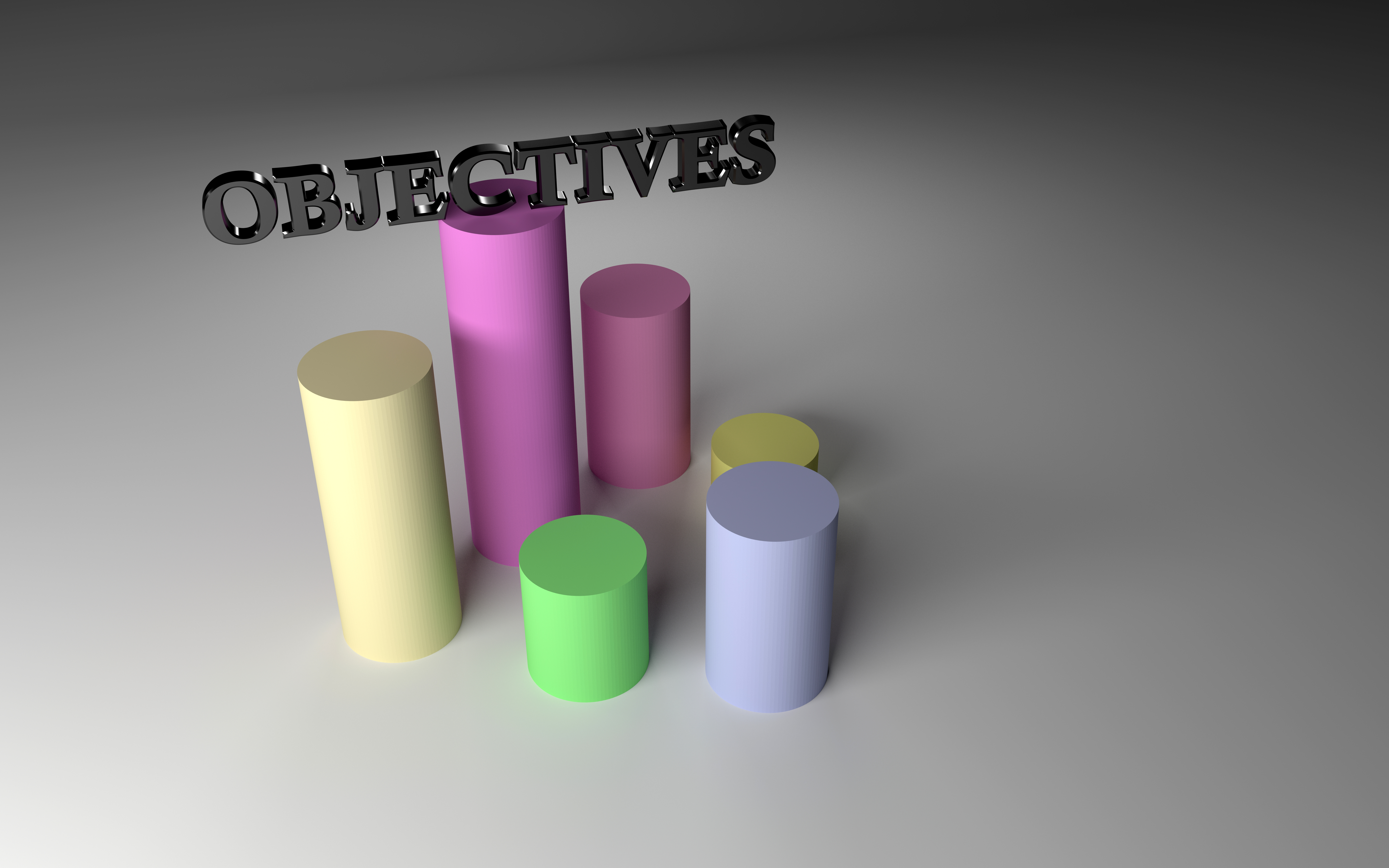
Visualizing Task Objectives and Goal Achievement Through a 3D Rendered Illustration
A 3D rendered illustration of an objective on any task provides a visually engaging way to conceptualize focus, direction, and goal completion. Whether applied to education, business, project management, or personal productivity, the scene emphasizes the importance of defining clear objectives and systematically working toward achieving them. By presenting these concepts in three-dimensional space, viewers can better grasp the relationship between planning, execution, and measurable outcomes, transforming abstract ideas into tangible visualizations.
In a typical 3D illustration, the central element represents the objective itself, often depicted as a target, flag, or glowing point that signifies the end goal. Surrounding elements symbolize tasks, milestones, or actions required to reach the objective. These can be represented by floating icons, arrows, pathways, or layered steps that visually guide the viewer through the process. The three-dimensional perspective allows a sense of depth and movement, making it easier to understand how smaller tasks cumulatively lead to overall success.
The visual also conveys focus and prioritization. By using directional cues such as beams, pathways, or highlighted elements, the 3D render shows that objectives require attention and consistent effort. Tasks closer to the central objective may appear larger or more illuminated, representing priority or immediate action, while background elements symbolize secondary steps or preparatory work. This visual hierarchy reinforces the concept that success in any task depends on organizing and executing tasks in order of importance.
Additionally, the illustration highlights progress tracking and milestone achievement. Small indicators, checkpoints, or markers along a pathway demonstrate measurable advancement toward the goal. By incorporating these elements, the render emphasizes that objectives are reached through incremental steps rather than sudden outcomes. This perspective encourages strategic planning, patience, and continuous evaluation, essential qualities in personal and professional task management.
The use of dynamic lighting, smooth gradients, and polished textures enhances engagement, ensuring that the illustration is visually appealing while remaining educational. The 3D scene communicates abstract ideas like efficiency, planning, and determination in a concrete manner. Viewers can immediately recognize the cause-and-effect relationship between effort, planning, and results, which supports understanding of productivity principles, business strategies, or project workflows.
Furthermore, the illustration serves as a motivational tool. By presenting a clear, visually striking depiction of objectives and success pathways, it inspires viewers to define their own goals, break them into actionable steps, and follow through methodically. This makes the 3D visualization valuable not only for educational and professional purposes but also for personal development, coaching, and team-building activities.
A well-crafted 3D render also allows flexibility in context. The objective can represent a business target, learning milestone, research goal, or personal achievement. Task elements can be adapted to reflect specific industries, workflows, or project requirements. This versatility ensures that the illustration remains relevant for multiple audiences and purposes, from classroom teaching to corporate presentations.
In summary, a 3D rendered illustration depicting objectives on any task provides a comprehensive, engaging, and visually structured view of goal setting, task focus, and achievement. Through depth, visual hierarchy, and symbolic representation, it transforms abstract productivity concepts into tangible learning tools that enhance understanding, motivation, and strategic planning for audiences across educational, professional, and personal development contexts.